


COLUMBIA SCIENCE IN THE NEWS
The New York Times
September 6, 2026
Science
August 28, 2026
The New York Times
August 20, 2026
RECENT STORIES
![Illustration of a Colorado River toad in front of the psychedelic 5-MeO-DMT molecule that its body produces (credit: David Lankri from Hintau Aliaksei images. [Toad/Shutterstock and Molecule/Adobe Stock])](/sites/news.columbia.edu/files/styles/cu_crop/public/content/frog-venom-treatment.jpg.webp?itok=rYXMwO20 "Illustration of a Colorado River toad in front of the psychedelic 5-MeO-DMT molecule that its body produces (credit: David Lankri from Hintau Aliaksei images. [Toad/Shutterstock and Molecule/Adobe Stock])")
New research from Columbia in the journal Nature suggests that modified venom could help treat depression and anxiety.

A Columbia neurologist hopes to better identify which patients with severe brain injuries are likely to regain consciousness.

Data science has opened many promising avenues to address climate change, but the data centers that power it are energy-hungry.

Membership in the academy is considered one of the highest honors a scientist can receive.
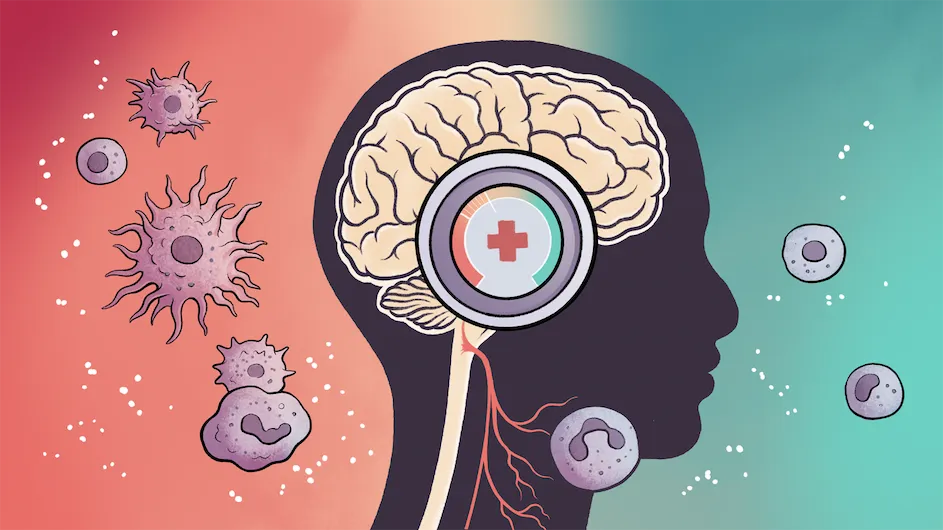
Making use of this new brain circuit could lead to new therapies for many immune disorders.

Warning letters from Medicare can safely cut prescribing of a powerful but risky drug, a study found.
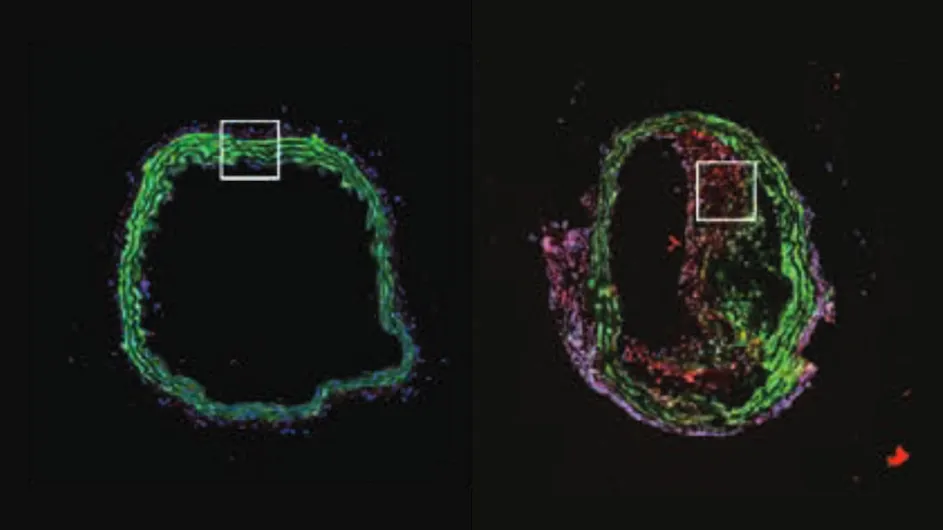
The new findings raise the possibility that anticancer drugs could be used to help prevent heart attacks.
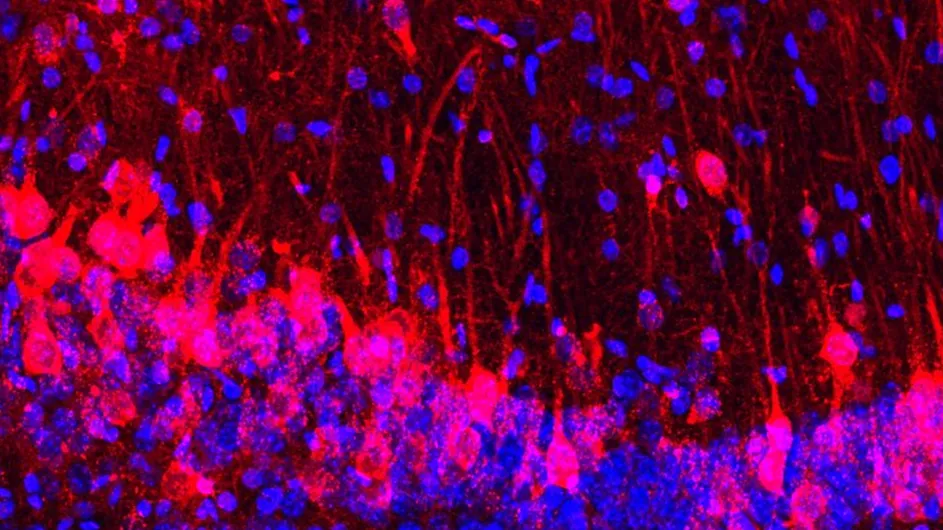
Columbia researchers have created mice with hybrid brains—part mouse, part rat—that sense odors with their rat neurons.

A new database offers communities, leaders, and researchers unprecedented access to climate data and cutting-edge models.

Tian Zheng, the Statistics department chair, is developing innovative tools to confront climate change and the opioid epidemic.

Postpartum Medicaid extension legislation should be applauded, while understanding its limitations and seeking more solutions.
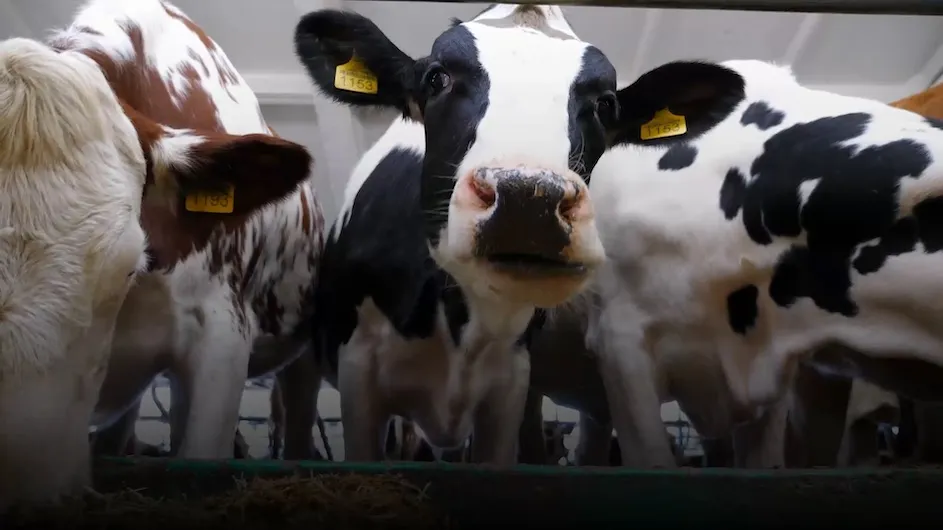
Columbia environmental scientist Catherine Ivanovich wants us to understand the impacts of the food we eat.