


COLUMBIA SCIENCE IN THE NEWS
The New York Times
September 6, 2026
Science
August 28, 2026
The New York Times
August 20, 2026
RECENT STORIES
The discovery could lead to new types of drugs to prevent and treat the disease.
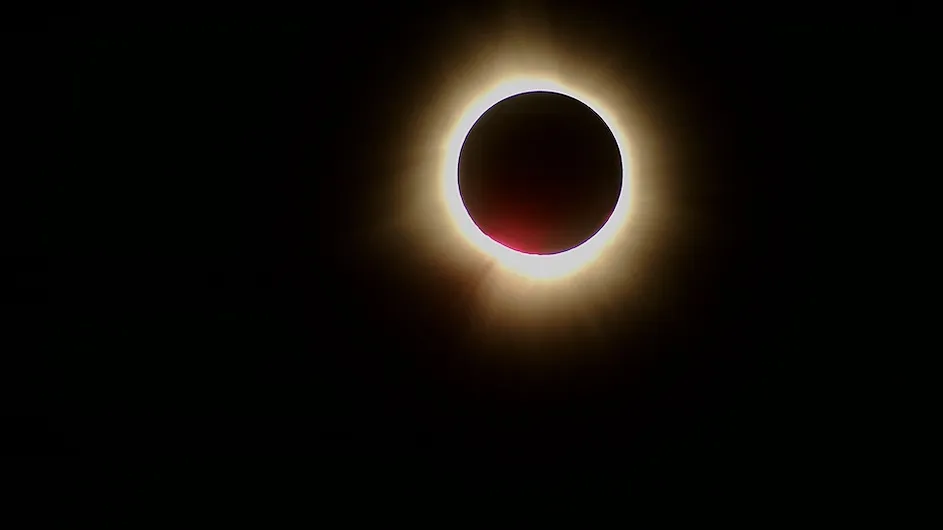
Students, faculty, and staff ventured beyond New York City to witness eclipse totality this week, and showed us what they saw.

Bree Zhang isn’t just a dentist-in-training. She’s a visual artist and musician, too.
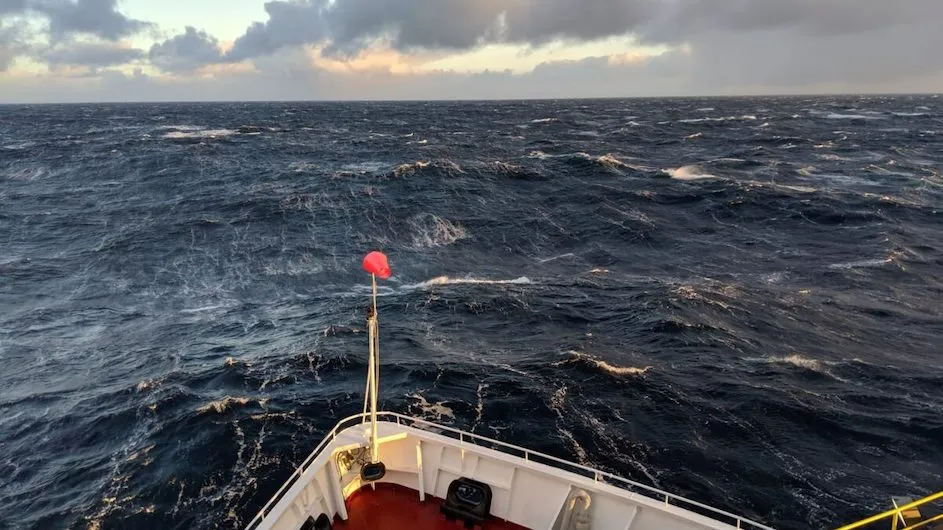
A new study suggests that the Antarctic Circumpolar Current will continue to speed up, hastening ice loss.
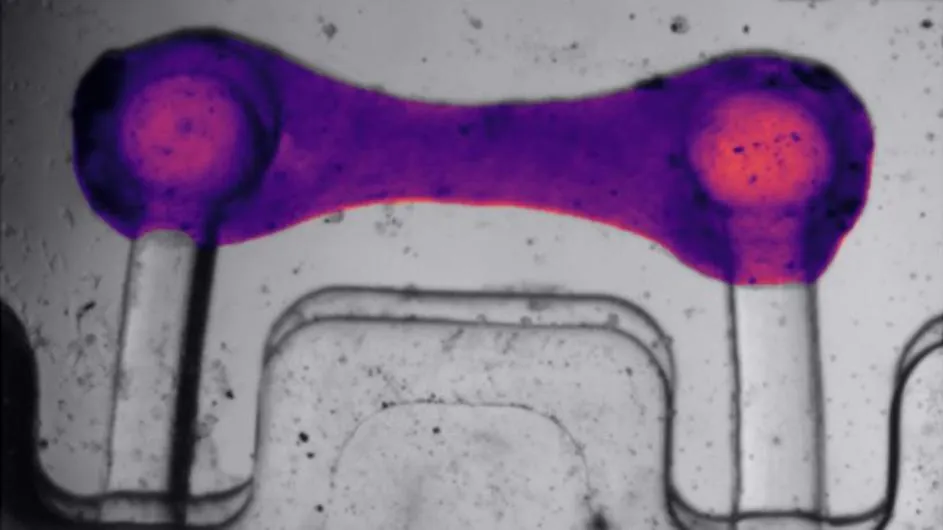
Columbia biomedical engineers unveiled a groundbreaking new AI tool to study and diagnose heart function.

The findings suggest that those at the greatest risk are the least likely to receive postpartum mental health care.
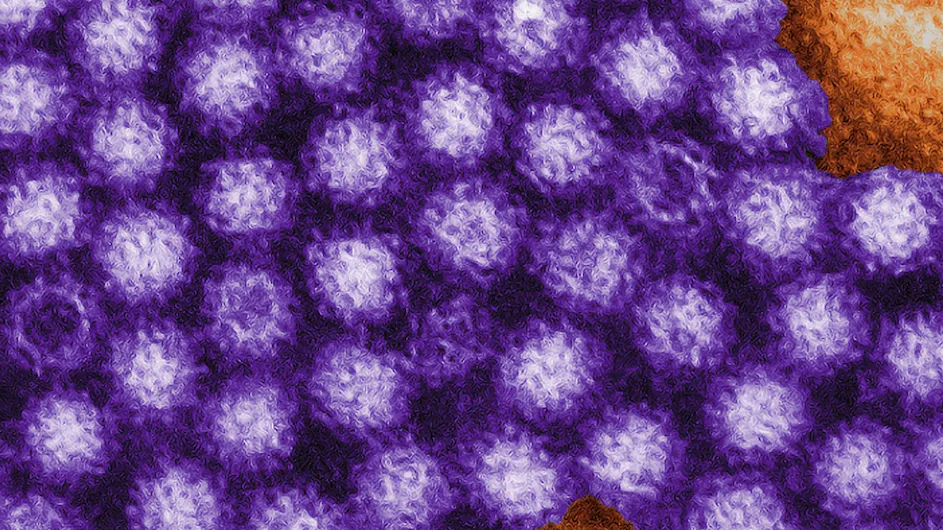
A Columbia study showed that the technology can eradicate more than 99% of virus particles in a real-life setting outside a lab.
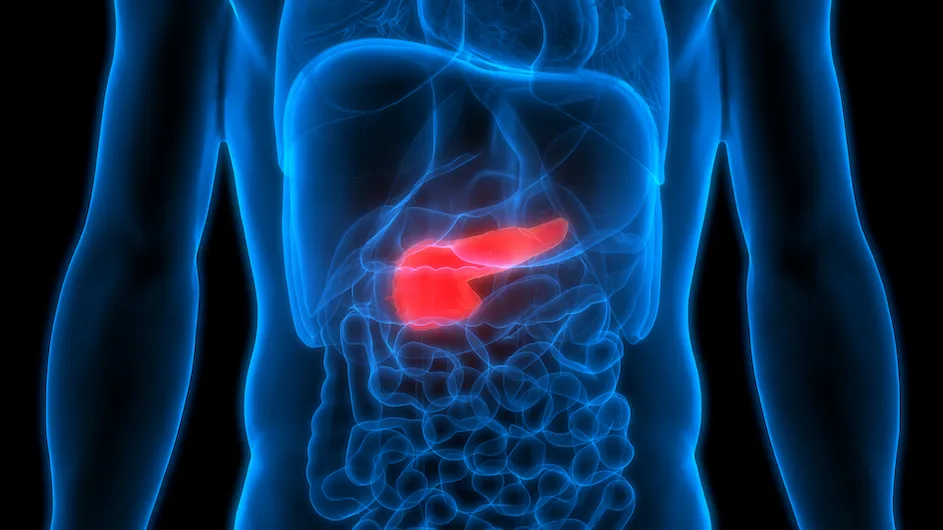
A new type of investigational therapeutic in development has shown unprecedented tumor-fighting abilities.
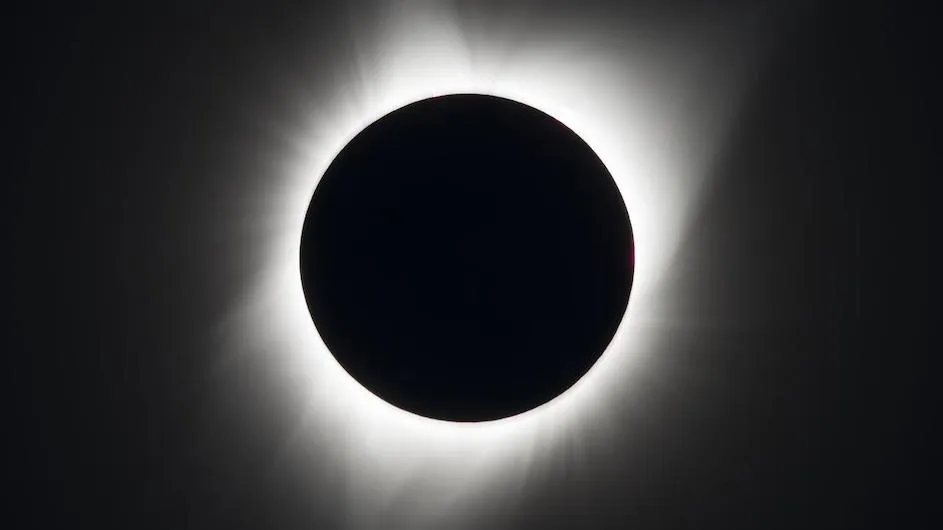
How the 1970 solar eclipse set me on the path to becoming a Columbia astronomy professor.
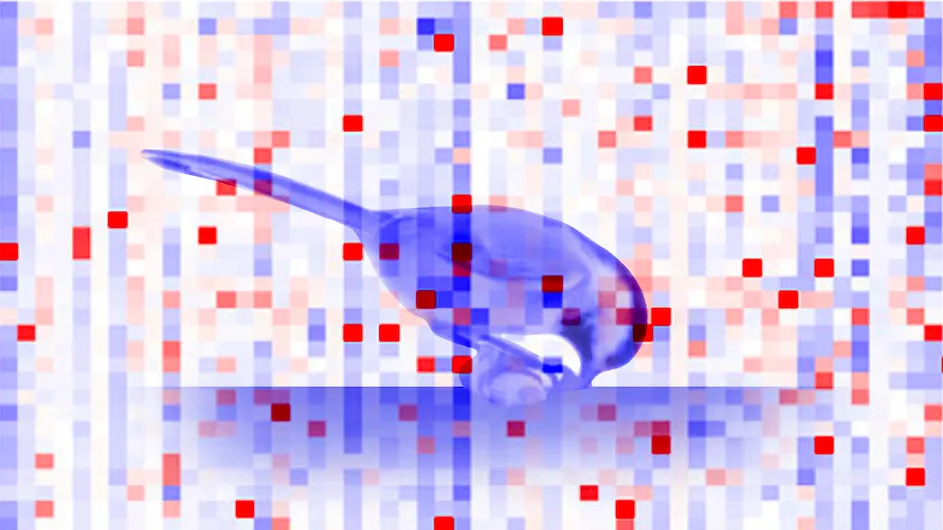
New research shows that the birds memorize the location of food using brain cell activity akin to a barcode.
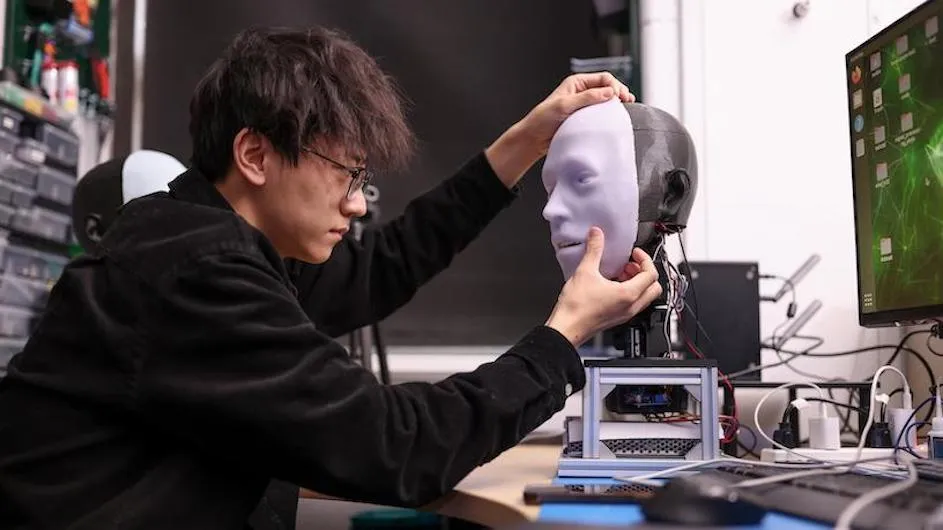
Columbia engineers have built a robot that uses AI to anticipate a person’s smile before they actually smile, a major advance.
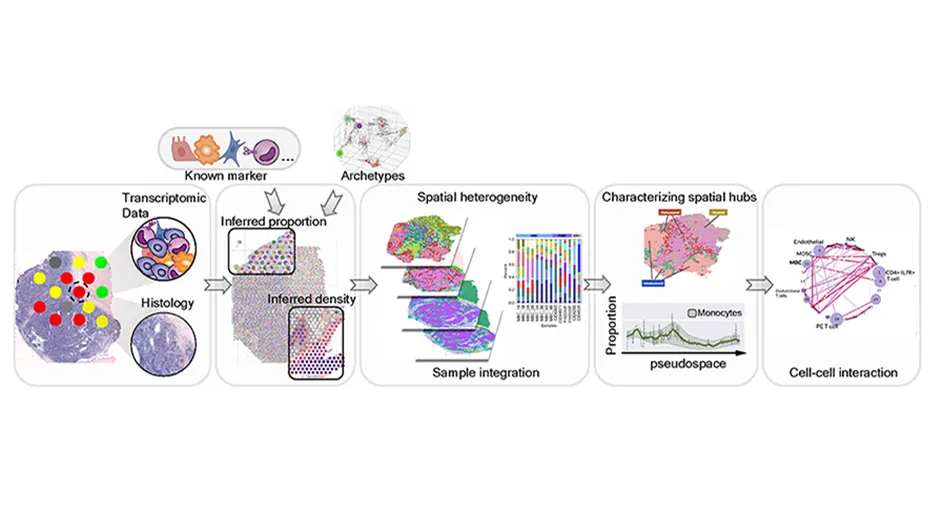
The tool could help scientists fight cancer by improving their understanding of tissue development, function, and disease.