


COLUMBIA SCIENCE IN THE NEWS
The New York Times
September 6, 2026
Science
August 28, 2026
The New York Times
August 20, 2026
RECENT STORIES
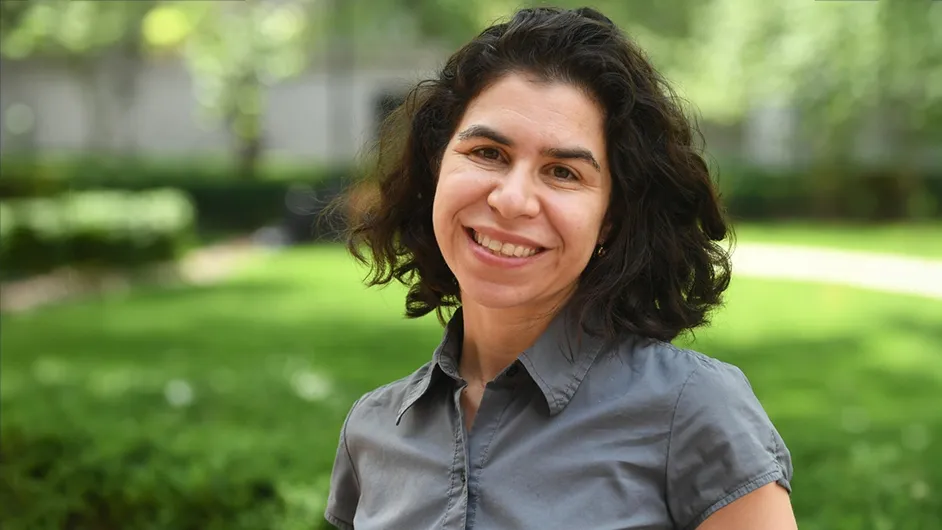
Laura Kaufman, the new chair of the chemistry department, first came to Columbia as an undergraduate.
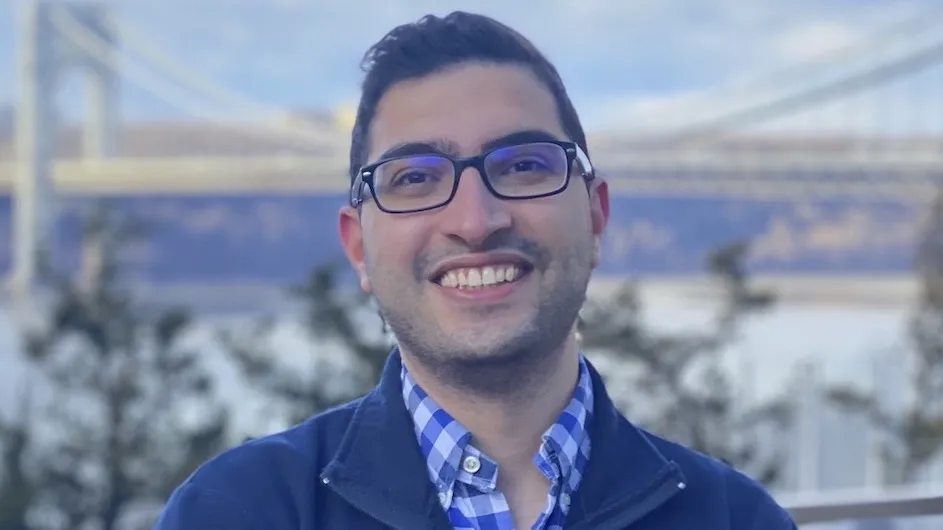
Omid Cohensedgh's childhood experiences inspired him to enter the field of medicine.

A Columbia study is the first to analyze homicide trends spanning two decades among women aged 25 to 44.
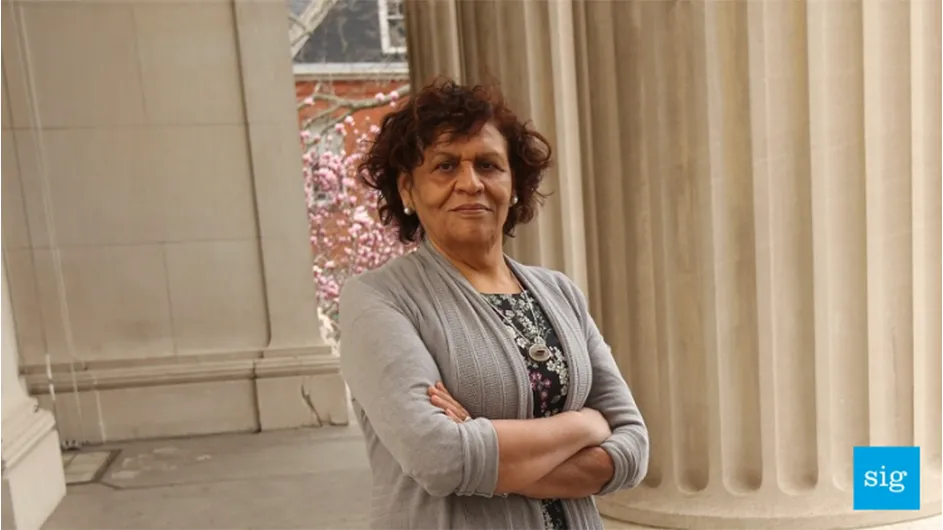
The award is given annually to an NIH HEAL Initiative researcher who demonstrates research excellence, supports broad dissemination of key research, and is a leader in the scientific community.
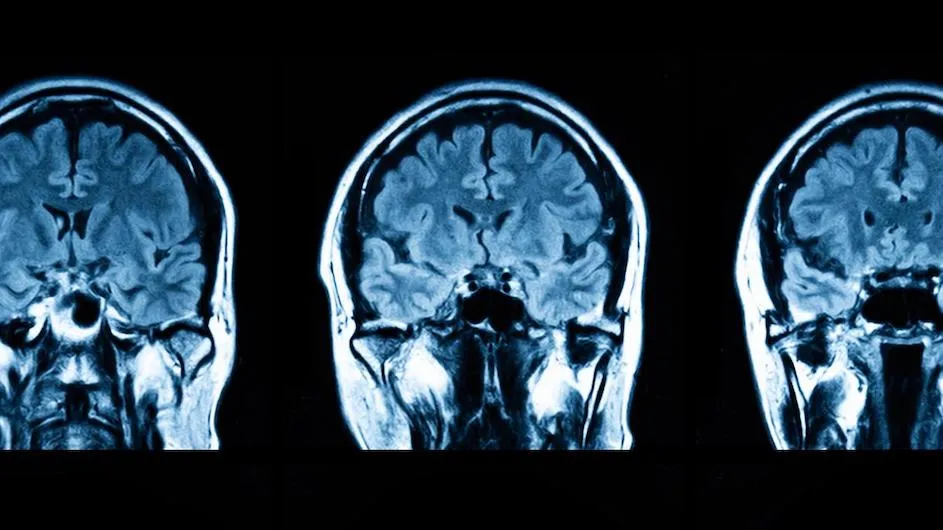
A new study suggest that a common medical practice for patients who have suffered strokes should stop.
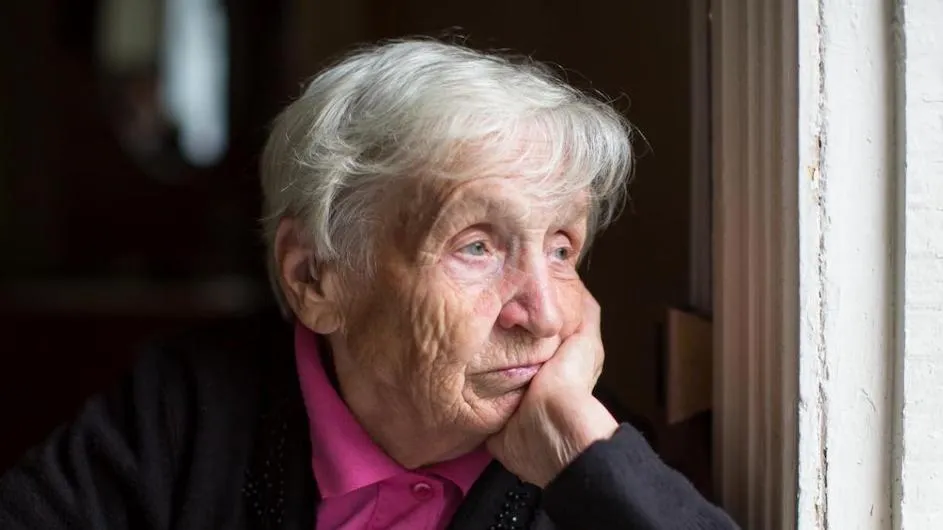
National trends underscore a public health need to broaden outpatient mental health care access.
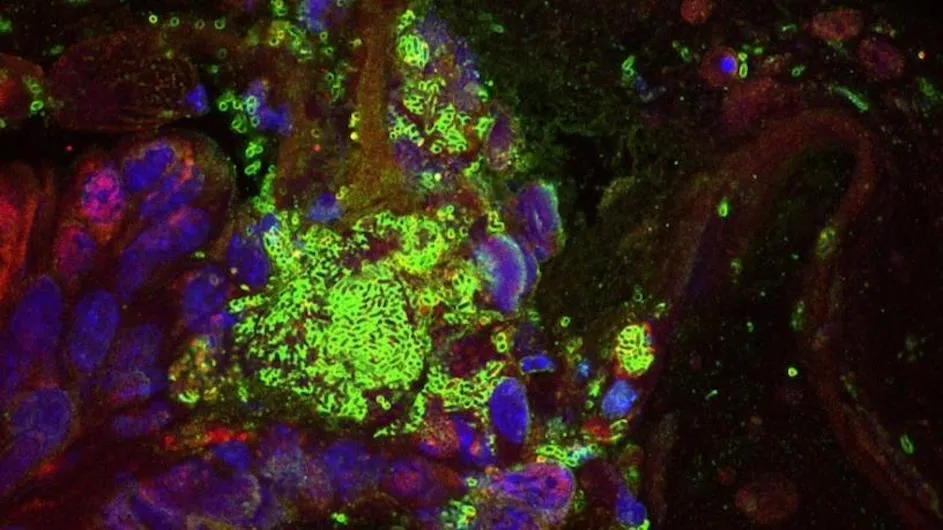
A new paper lays the foundation for orally diagnosing and treating colorectal cancer using genetically modified bacteria.
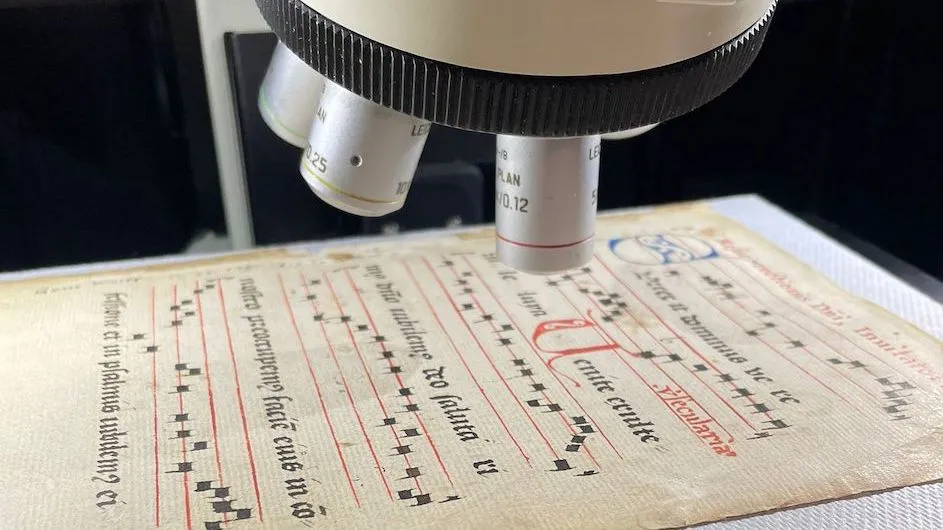
How Columbia conservators, Nano Initiative scientists, and a music scholar used state-of-the-art technology to examine a score.
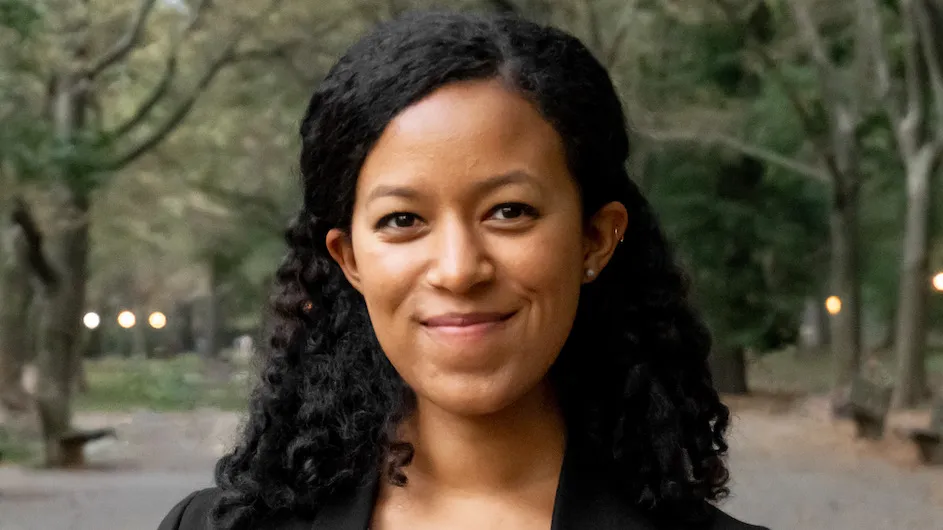
Kailani Acosta is curating an exhibition that explores how geology, history, and culture intersect and influence each other.
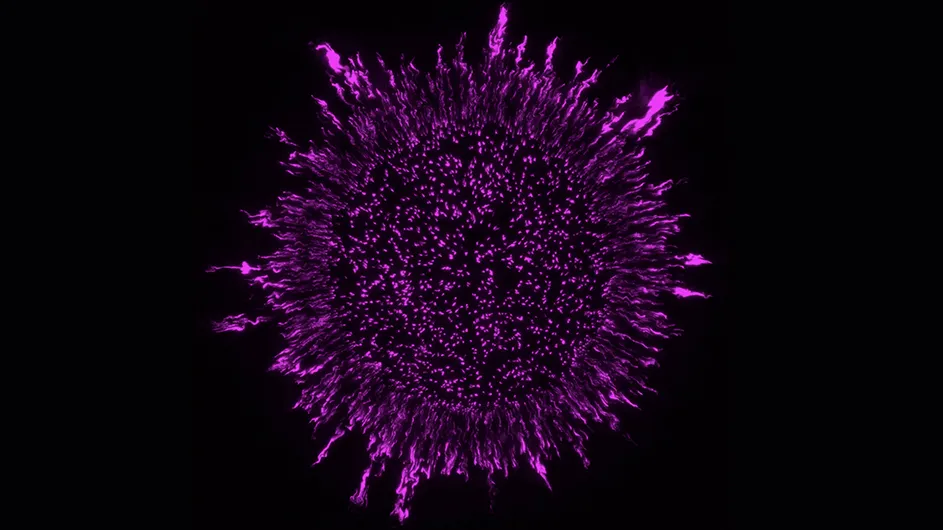
Many bacteria form an antibiotic-resistant slime. Research detailing that slime's structure could help lead to new treatments.

Until now little was known about the use of cannabis among youth and its relationship with asthma.
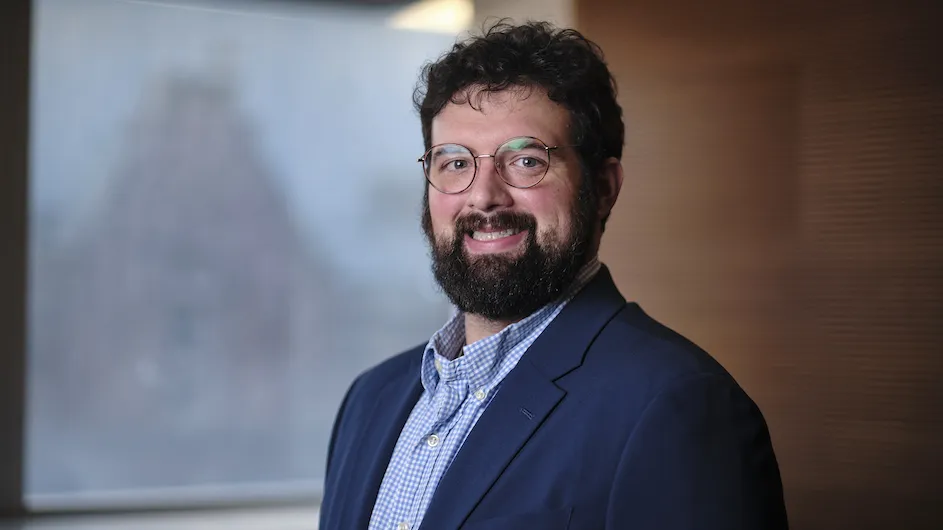
Richard Hagen is the new full-time director of the Bridge to the PhD program in STEM.