

COLUMBIA SCIENCE IN THE NEWS
The New York Times
September 6, 2026
Science
August 28, 2026
The New York Times
August 20, 2026
RECENT STORIES

Agwuncha has tips on where in New York to find Nigerian food, and the city’s most vibrant holiday market.
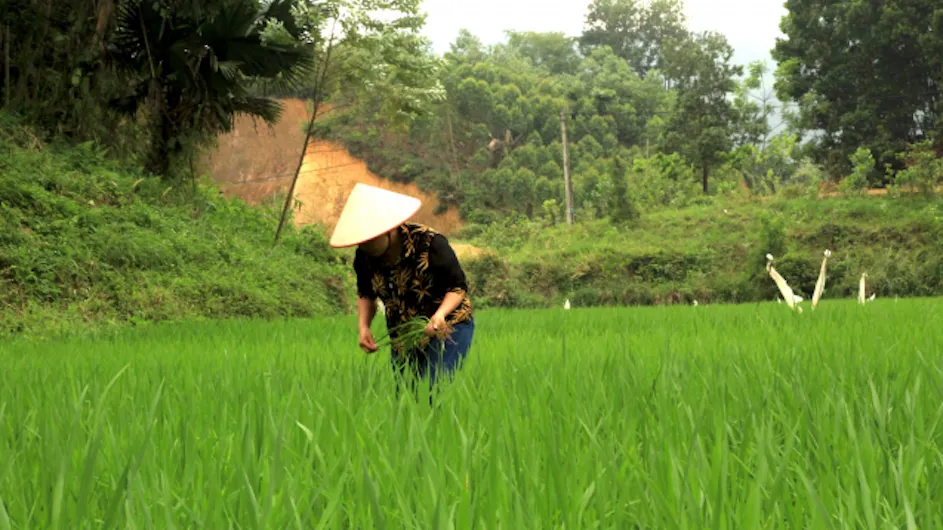
A Climate School study found that farmworkers worldwide are increasingly exposed to extreme heat that could hinder their work.

A new study published in the journal Nature offers reassuring data.
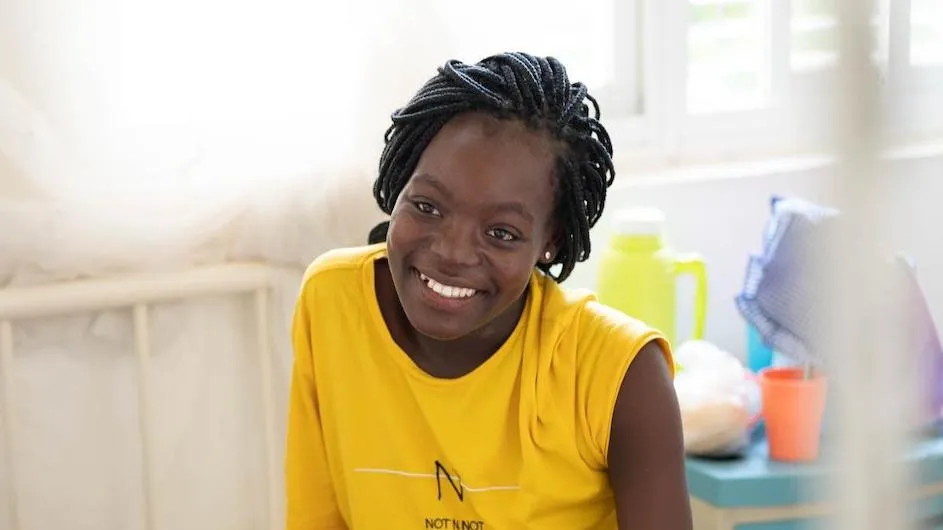
Twenty years since its founding, ICAP at Columbia University keeps reaching for more impact.
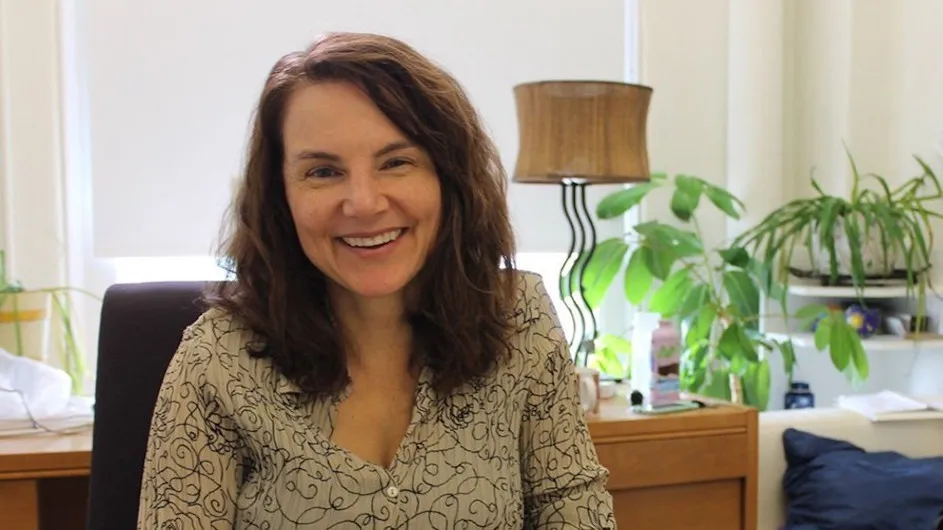
Putman, a professor of astronomy, recently won an award for “high risk, high reward” research on our galaxy.

Previous trials showing the adverse impact of sleep deficits on insulin sensitivity included mostly men.
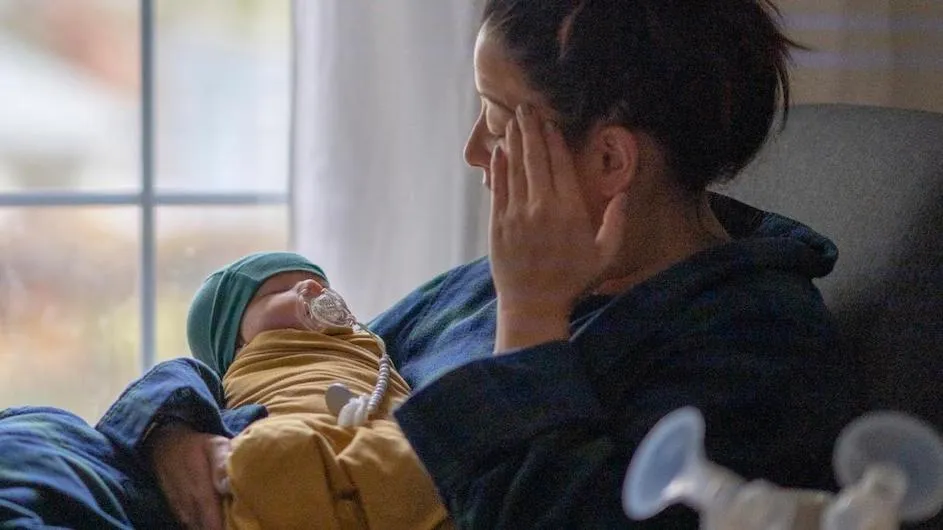
Columbia researchers led the first large scale and representative survey of postpartum health ever conducted in the U.S.

The paper says that current mainstream warming estimates are too low.

David Helfand explores this question and many others in The Universal Timekeepers.

Rapidly intensifying hurricanes are hard to predict. Research suggests that climate change may be making them more frequent.

Research suggests the tax credit may have a negative affect on mental health for some single adults without dependent children.

Columbia Health’s Senior Vice President, Melanie Bernitz, outlines what to know about COVID-19 and flu treatment and prevention.