



COLUMBIA SCIENCE IN THE NEWS
The New York Times
September 6, 2026
Science
August 28, 2026
The New York Times
August 20, 2026
RECENT STORIES

Matthew Connelly, who runs Columbia’s History Lab, researches the answer to that and other questions about U.S. government records.
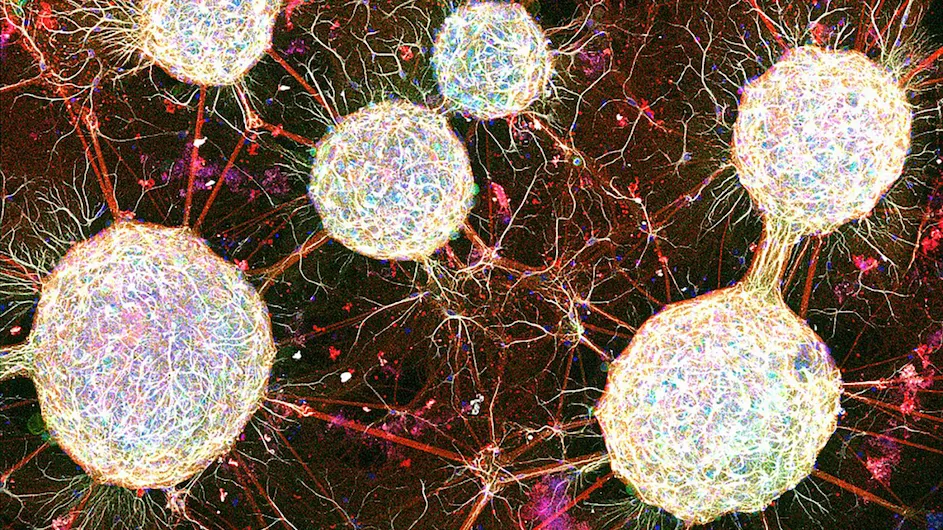
Chemotherapy is essential for many cancer patients, but some suffer from cognitive impairment throughout treatment.
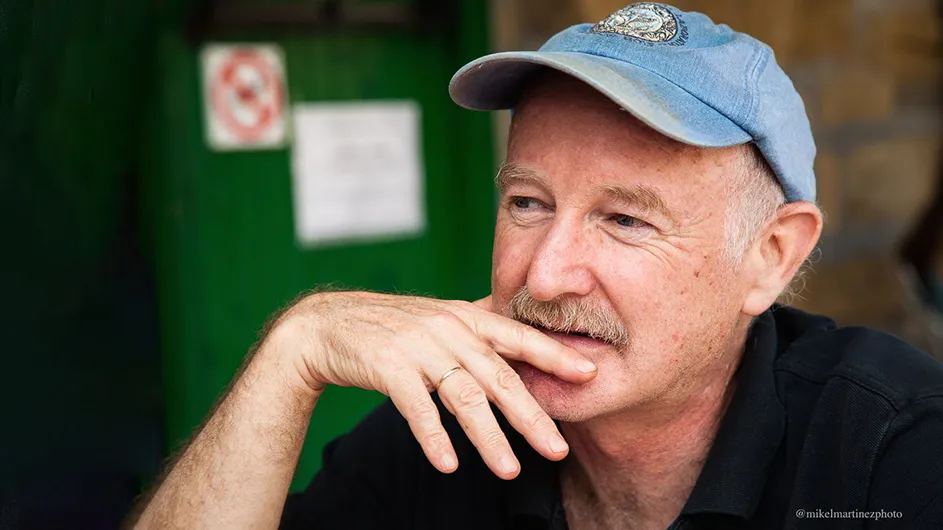
Rafael Yuste provides a unified framework for how the brain functions in “Lectures in Neuroscience.”
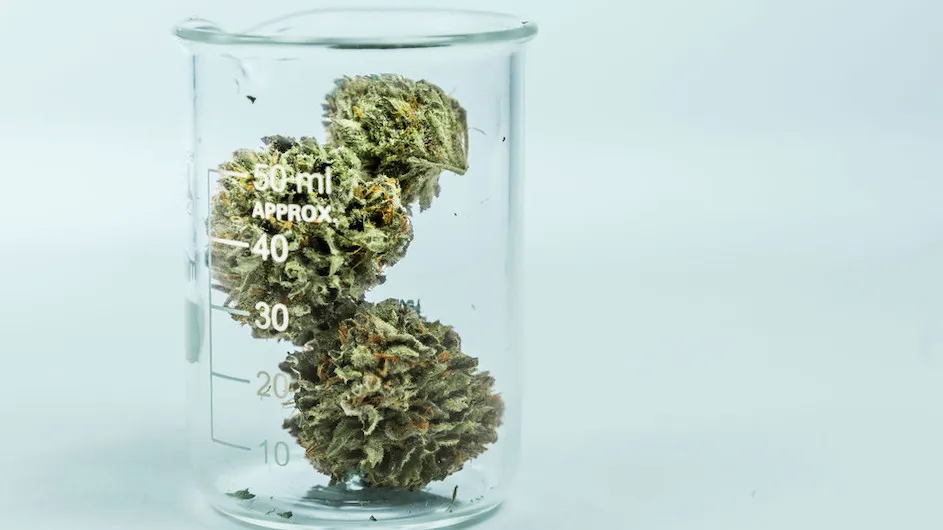
Neurobiologist Margaret Haney, director of Columbia’s Cannabis Research Laboratory, lays out the perils and promise of pot.
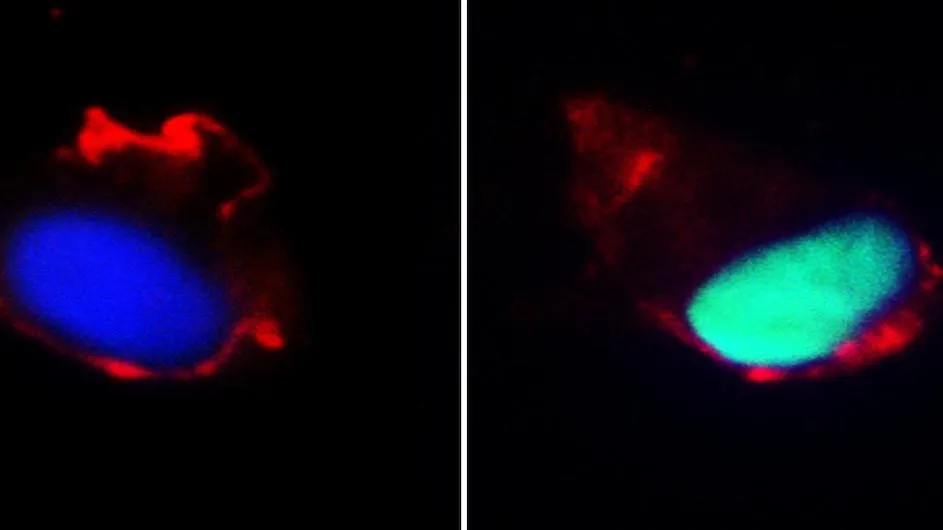
After just six weeks of shortened sleep, a study found, the cells that line our blood vessels are flooded by damaging oxidants.
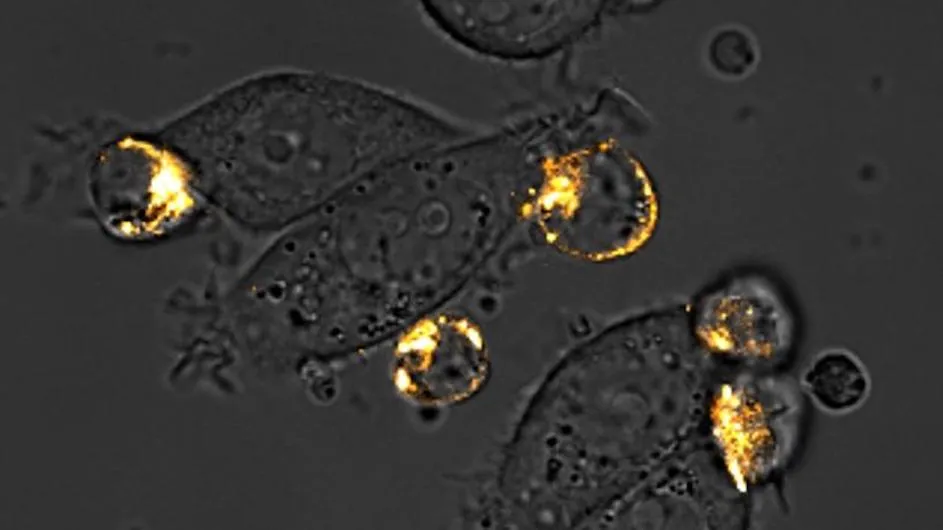
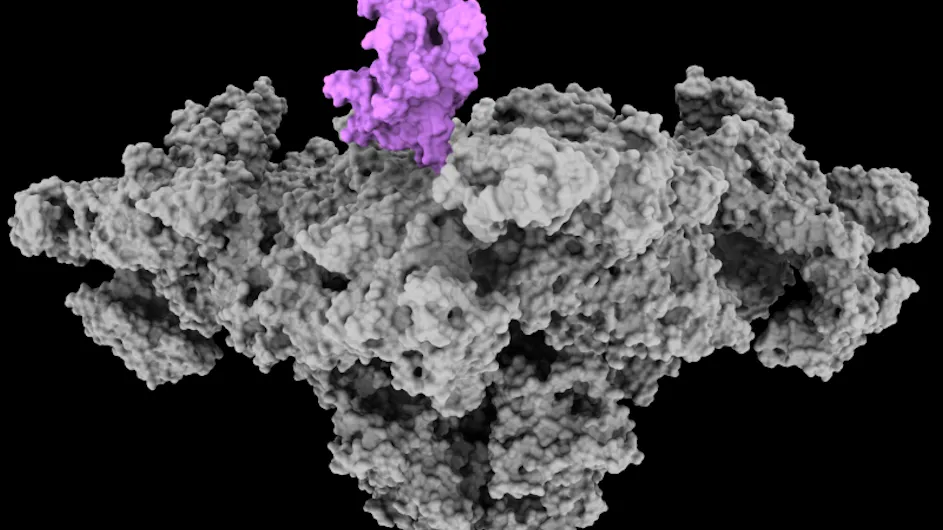
Synthetic biologists at Columbia Engineering have discovered a new way to attack tumors.
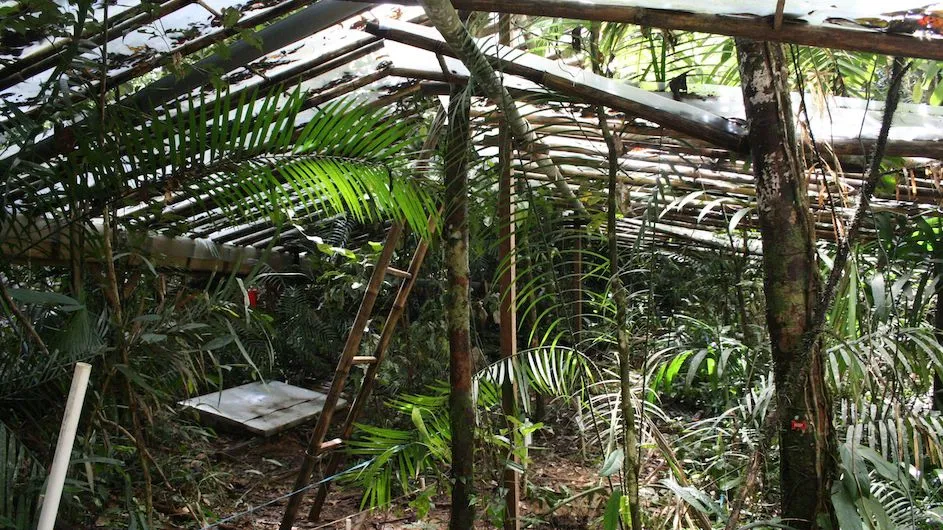
Puerto Rico's El Yunque National Forest provides important insight into the effect that lack of rainfall has on plant life.

Brus was recognized alongside two other scientists “for the discovery and synthesis of quantum dots.”

Until now, long-term studies of neighborhood walkability and the risk for obesity-related cancer have been limited.

The new book Catastrophic Incentives explores why society is underprepared for natural and human-made disasters.

As a zebra finch becomes single-minded about impressing a possible mate, dopamine-releasing brain cells reflect his intentions.
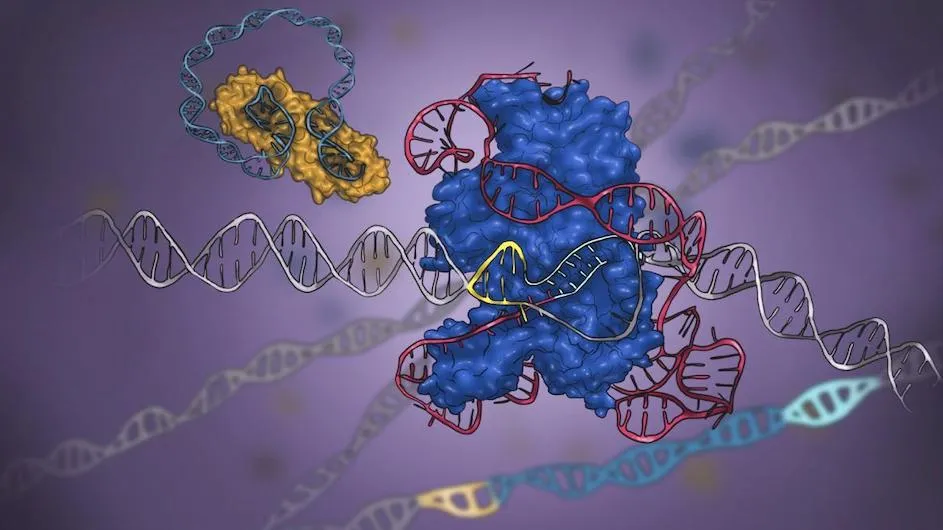
Genome engineering relies on ancient evolutionary advances in primordial bacteria. A new study examines their origins.