


COLUMBIA SCIENCE IN THE NEWS
The New York Times
September 6, 2026
Science
August 28, 2026
The New York Times
August 20, 2026
RECENT STORIES

A study found that working jobs with moderate or high physical activity is linked to an increased risk of cognitive impairment.

Postdoc Oliver Philcox was also recognized with an early-career award.

A study tracked how tools like ChatGPT mistake nonsense for real language. Can these flaws open new windows on the human brain?
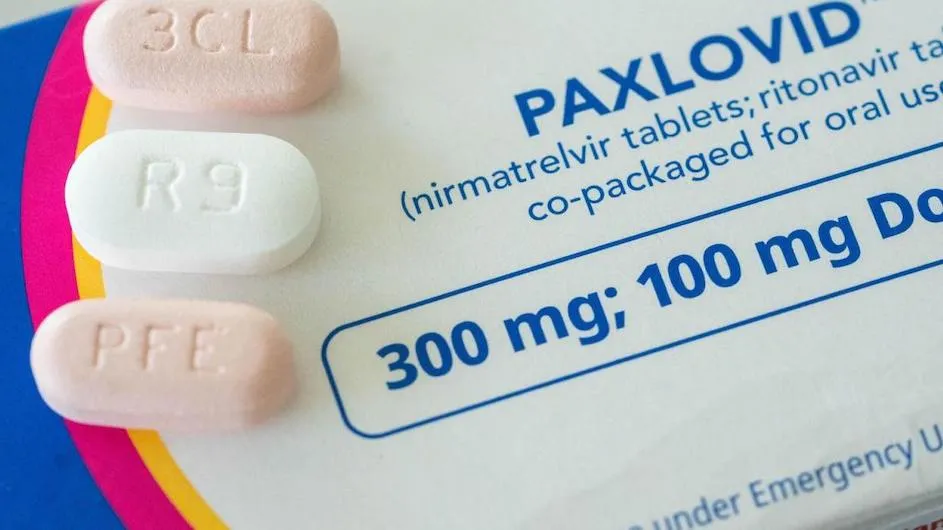
The study could help chemists design better drugs that are more difficult for SARS-CoV-2 to sidestep.

Chia-Ying Lee is building models to improve our understanding of storm risk.

A new Columbia study is the largest cohort study to date on racial and ethnic disparities in postpartum Type 2 diabetes.

Cool Worlds, an Astronomy Professor’s YouTube Channel, Takes Viewers on a Cosmic Quest for Knowledge
David Kipping’s videos about outer space have millions of views.

Lead is associated with impaired cognitive function, attention-related behavioral problems, and diminished academic performance.

Cannabis may be an important and under-recognized source of lead and cadmium exposure.

The project will use theory, simulations, and observations to explore extreme astrophysical environments.

Nim Tottenham, the new chair of psychology, has a longstanding interest in how parents influence brain development.

At an Upstate New York nature preserve, Columbia researchers are decoding the natural world in order to conserve it.