


COLUMBIA SCIENCE IN THE NEWS
The New York Times
September 6, 2026
Science
August 28, 2026
The New York Times
August 20, 2026
RECENT STORIES
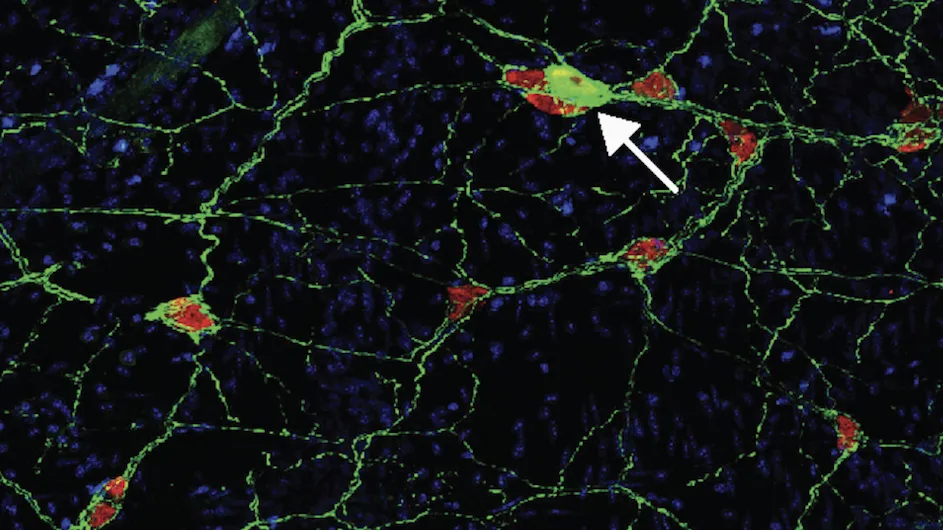
New findings show that what triggers initial gastrointestinal changes in Parkinson’s could be a misdirected immune attack.
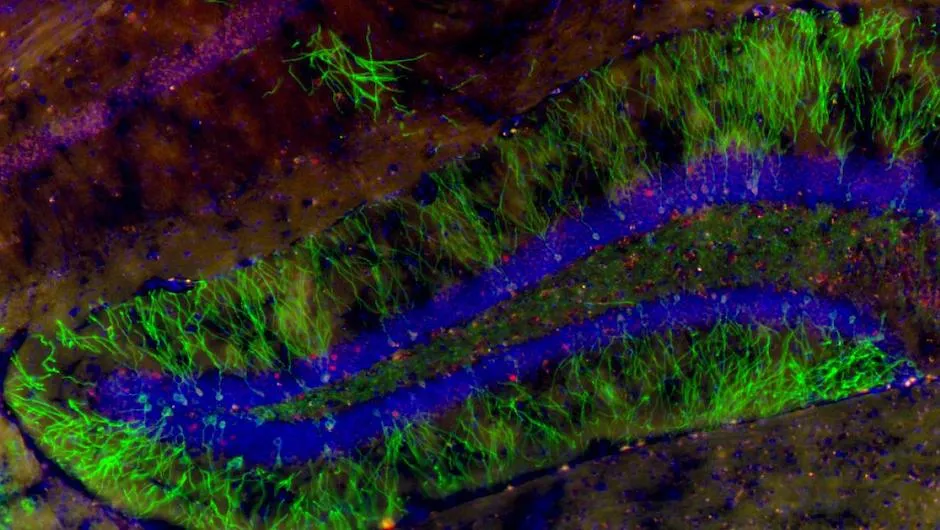
A new mouse study raises the possibility that we can prevent or treat memory loss related to aging and dementia.
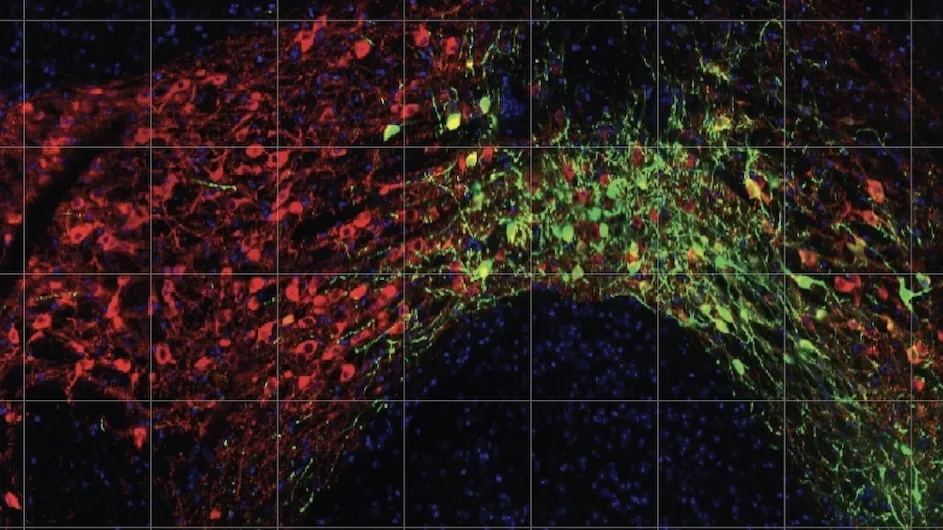
A new study of mice shows that exposure to too much dopamine may set the stage for antisocial behaviors.
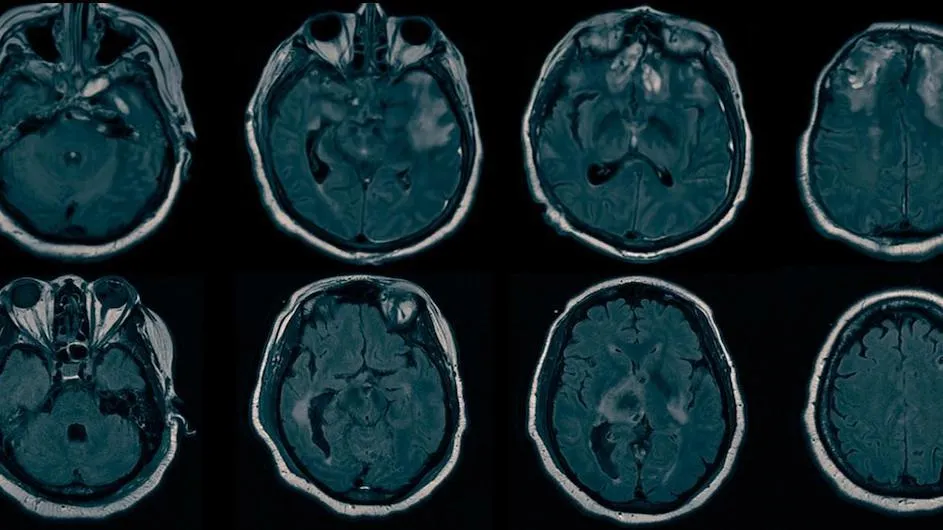
The findings could help physicians better predict which brain-injured patients are likely to recover with rehabilitation.

Health workers are more at risk for drug overdose death than non-healthcare workers, according to a new study.
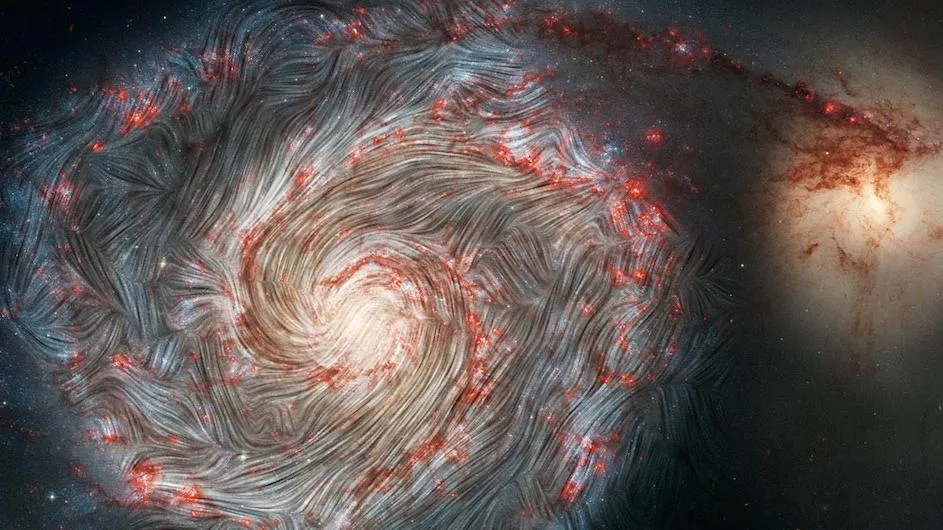
The source of magnetic fields has long been debated. New research offers clues on their origins.

Professors Ivan Z. Corwin and Harris H. Wang were recognized for their pioneering work.
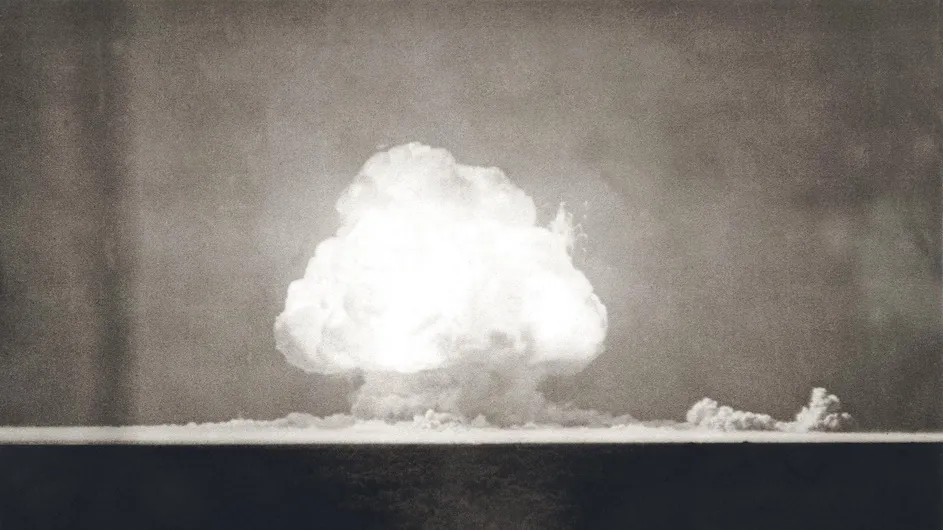
Columbia scientists played a substantial role in the Manhattan Project and in the research that preceded it.

A study adds evidence that the Greenland Ice Sheet will be vulnerable to human-induced climate change in coming centuries.
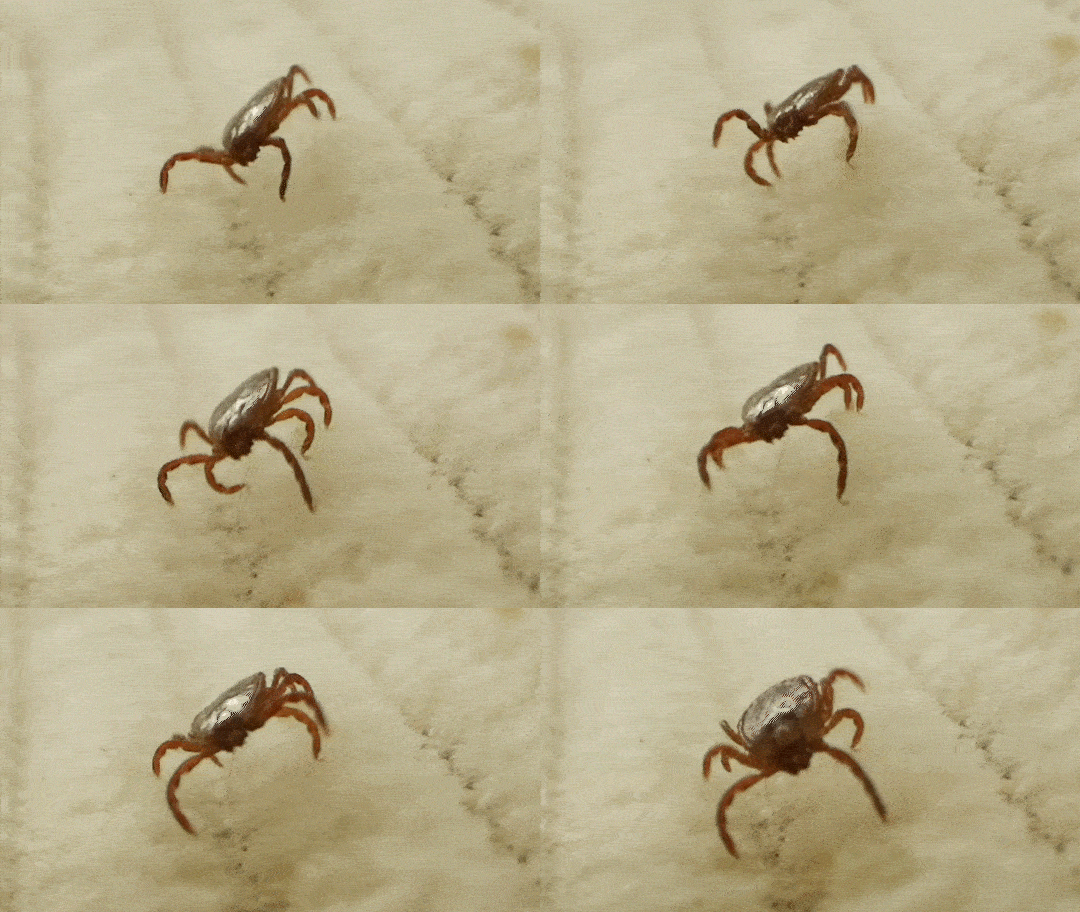
New research offers insight on how the tick-borne diseases spread and interact in infected animals.
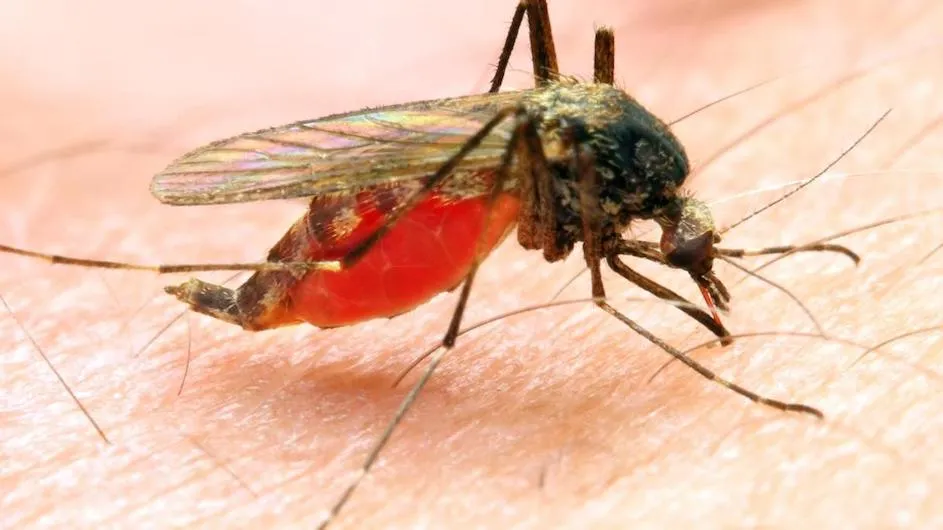
The CDC has issued a health advisory following recent cases of malaria in Florida and Texas. How worried should we be?

The clean energy economy is out of reach for many households.