

COLUMBIA SCIENCE IN THE NEWS
The New York Times
September 6, 2026
Science
August 28, 2026
The New York Times
August 20, 2026
RECENT STORIES
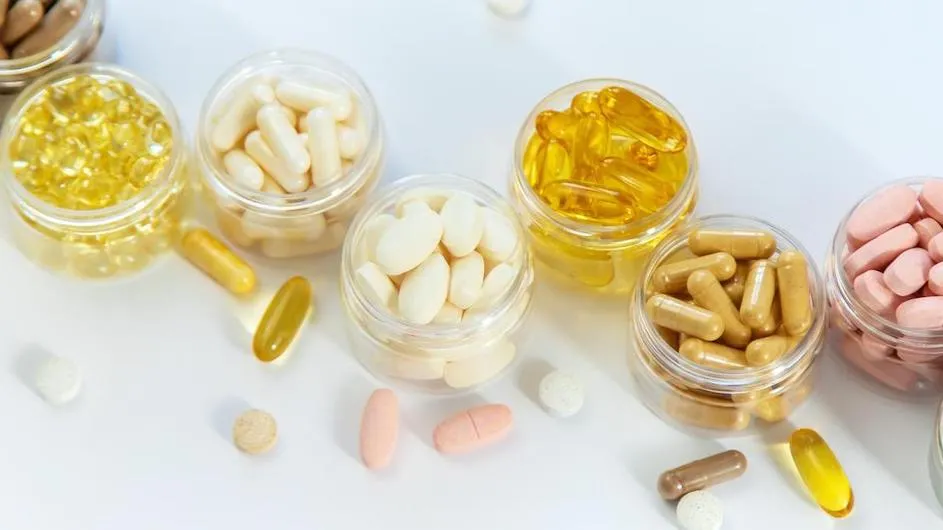
Very few large-scale, randomized trials of the effects of vitamins or dietary supplements have been done until now.
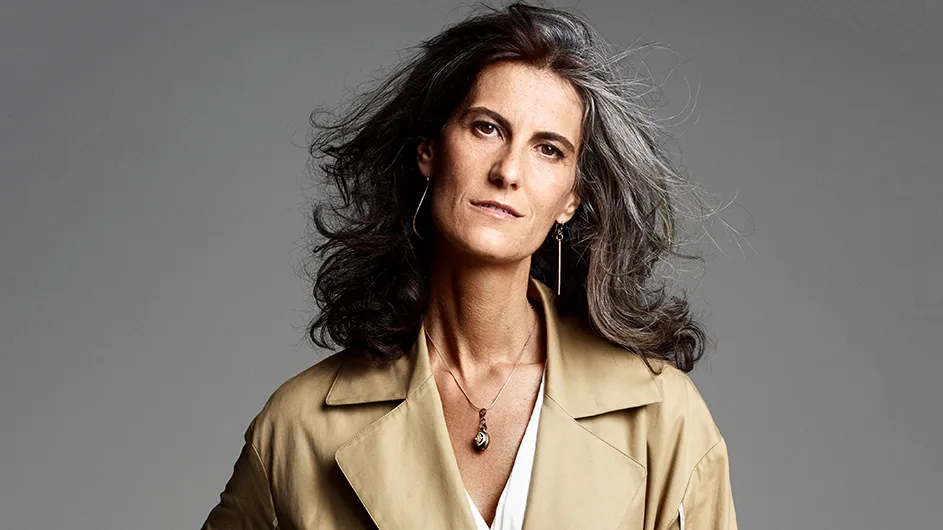
Galia Solomonoff and her Housing Lab team researched everything from Governor Hochul’s housing compact to reimagining the shelter system.
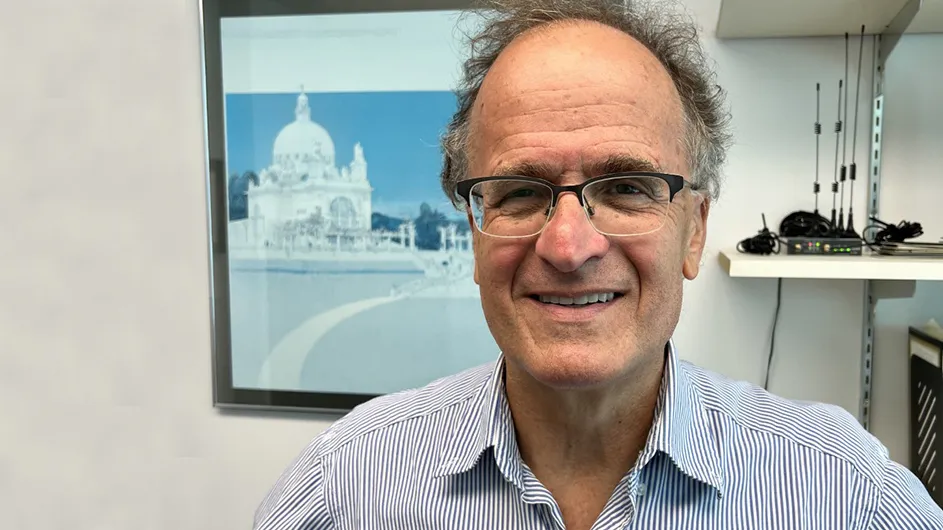
David Hellerstein covers everything from psychoanalysis to the DSM diagnostic manual and neuroscience.
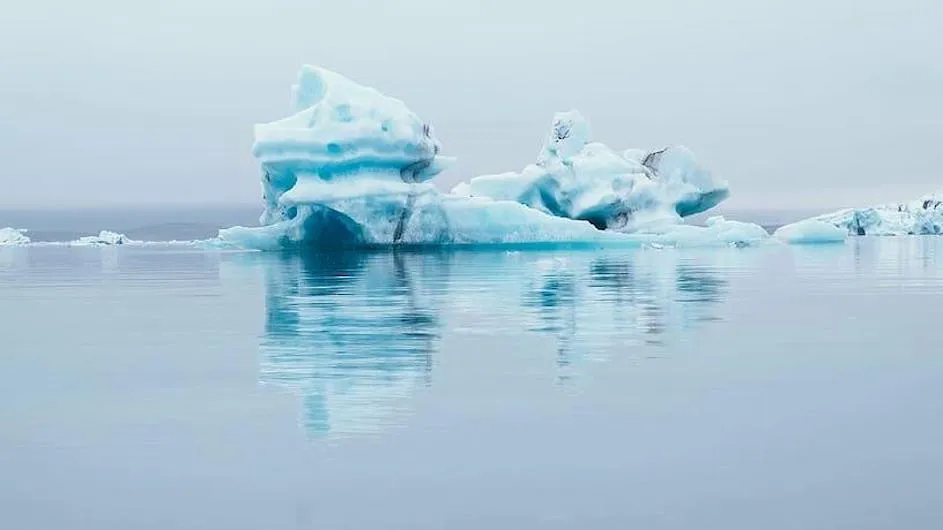
A new study shows that the 1987 treaty to protect the ozone has delayed an anticipated climate change milestone by up to 15 years.
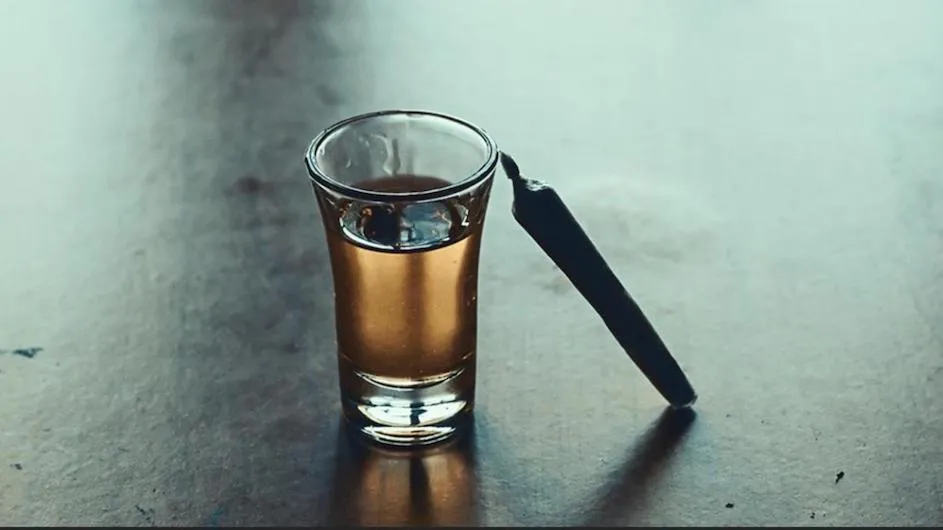
Adolescent vapers are much more likely to use cannabis and binge drink.
The event focused on opportunities and threats to the supply chain posed by microelectronics and artificial intelligence.

The grant will bolster the Simons Observatory’s ability to gather data on black holes, gravitational waves, and exploding stars.
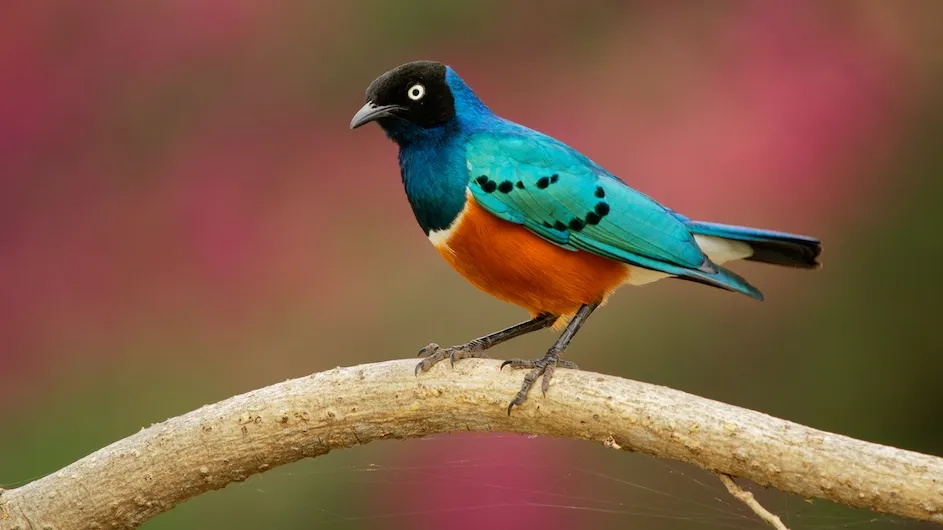
A new paper on superb starlings offers new data and insight on why they form social groups with non-relatives.
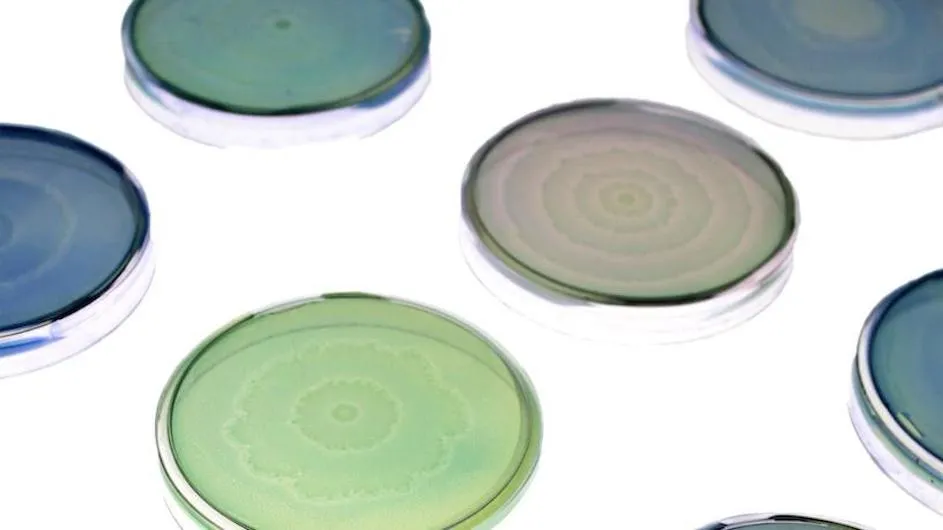
Columbia researchers have engineered bacteria to record their environment and then used deep learning to decode the patterns.
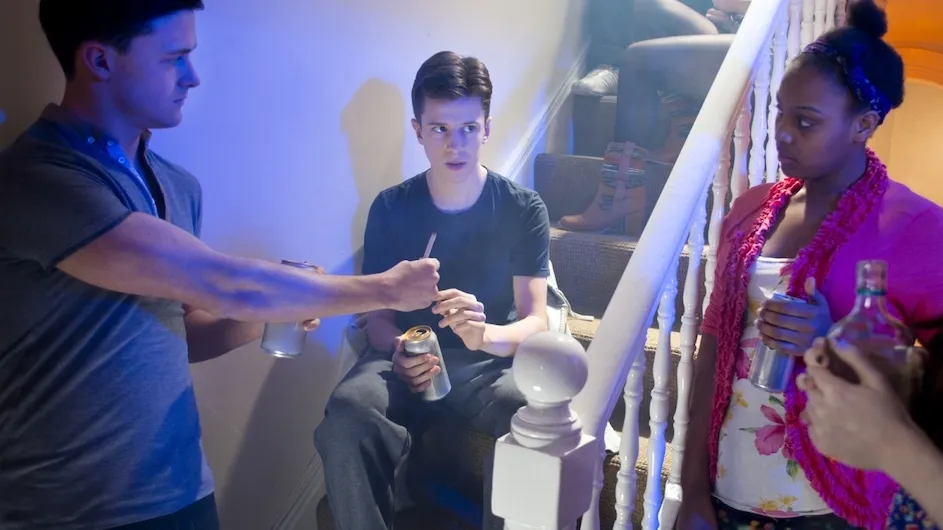
Cannabis use also puts teens at risk for poor grades, truancy, and trouble with the law, a new study found.
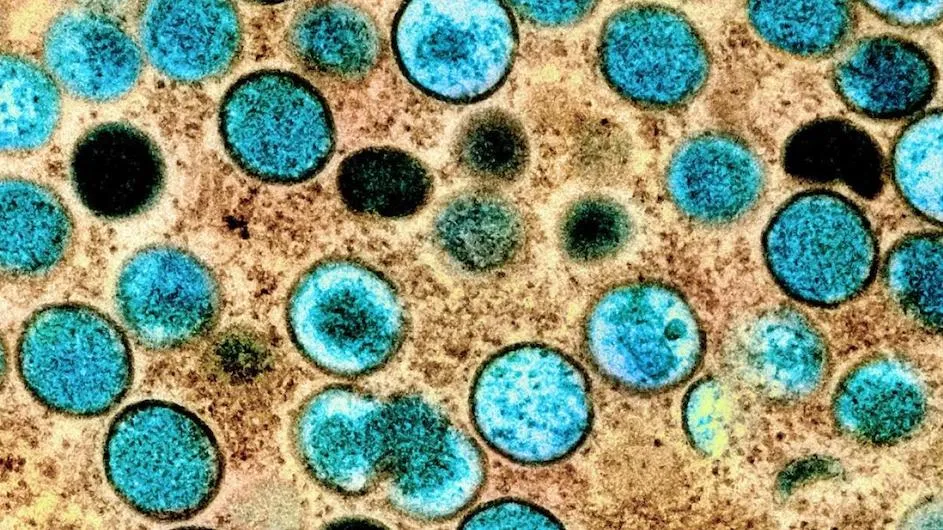
A new study addresses the question of whether people with both HIV and mpox would have worse treatment outcomes.

New research outlines a revolutionary approach for vulnerable populations to more easily receive welfare benefits.