


COLUMBIA SCIENCE IN THE NEWS
The New York Times
September 6, 2026
Science
August 28, 2026
The New York Times
August 20, 2026
RECENT STORIES

The school is using a multi-pronged approach to build a stronger mental health safety net.
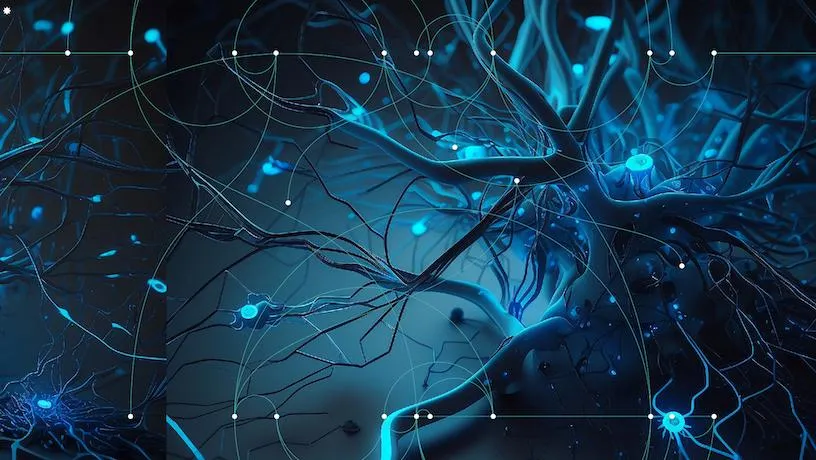
The AI Institute for ARtificial and Natural Intelligence (ARNI) will ignite advances in AI and neuroscience.

A study of U.S. adults found that those who attended higher-quality high schools had better cognitive function decades later.

Counterintuitively, seas were rising around Greenland as it went through a cold period centuries ago.

Columbia engineers have designed a robot hand that uses sensing technology and machine-learning techniques to manipulate objects.

A new Columbia study examines a less-studied hypothesis about the links between biological aging and poor mental health.

Zamora, a researcher at the Zuckerman Institute, is studying the neural basis of attention and decision-making.
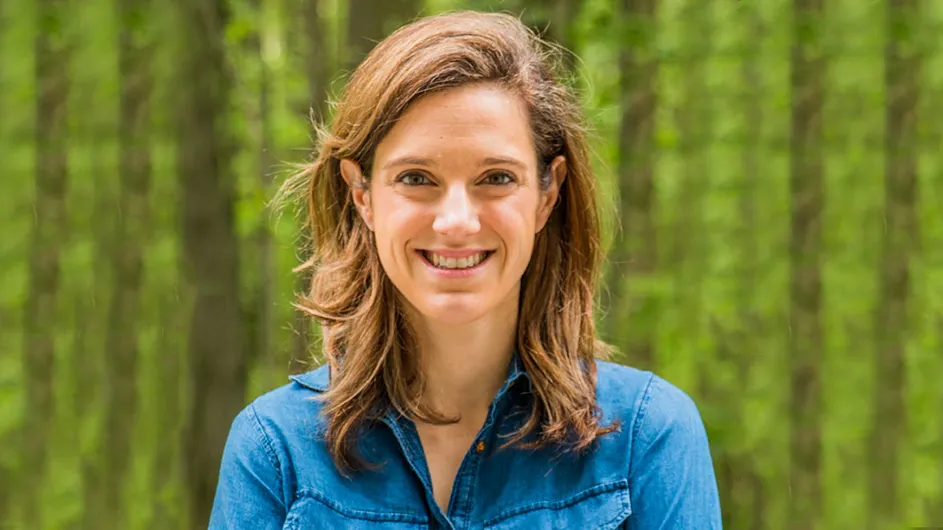
Meghan Meyer, who joined Columbia this year, is studying the brain mechanisms that allow us to understand our social world.
A Columbia Nursing postdoc has built a new AI dementia screening tool that draws on patient-nurse communication.

Columbia researchers discover that American kids use potentially toxic makeup with surprising frequency.
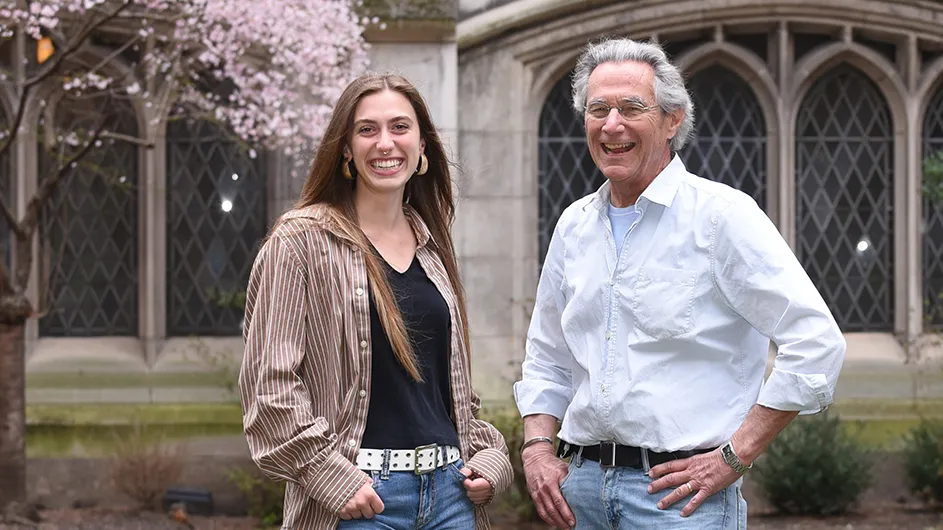
Alethea Harnish (CC’23) and Mark Taylor are co-teaching a course this semester, the final one for both of them at Columbia.

The findings will inform a more personalized approach to diagnosis and treatment of these cancers in minority populations.