


COLUMBIA SCIENCE IN THE NEWS
The New York Times
September 6, 2026
Science
August 28, 2026
The New York Times
August 20, 2026
RECENT STORIES
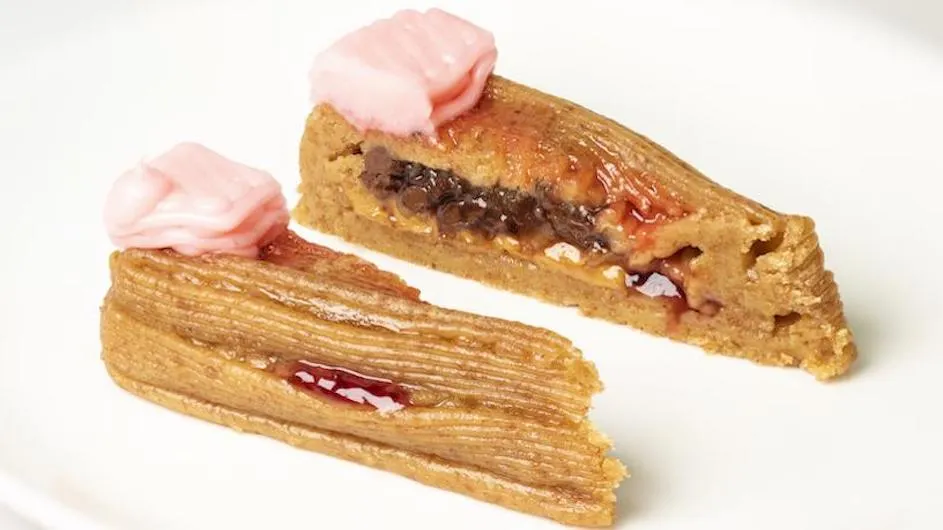
Columbia Engineers explore the benefits and drawbacks of 3D-printed food technology.

A new paper paves the way for better detection and prevention of certain precancerous changes in the esophagus and stomach.

A new study shows that a negative effect on adolescent mental health has persisted up to two years into the COVID-19 pandemic.

One ship will be named after Marie Tharp, a Columbia geologist and oceanographer who drew the first modern maps of ocean floors.
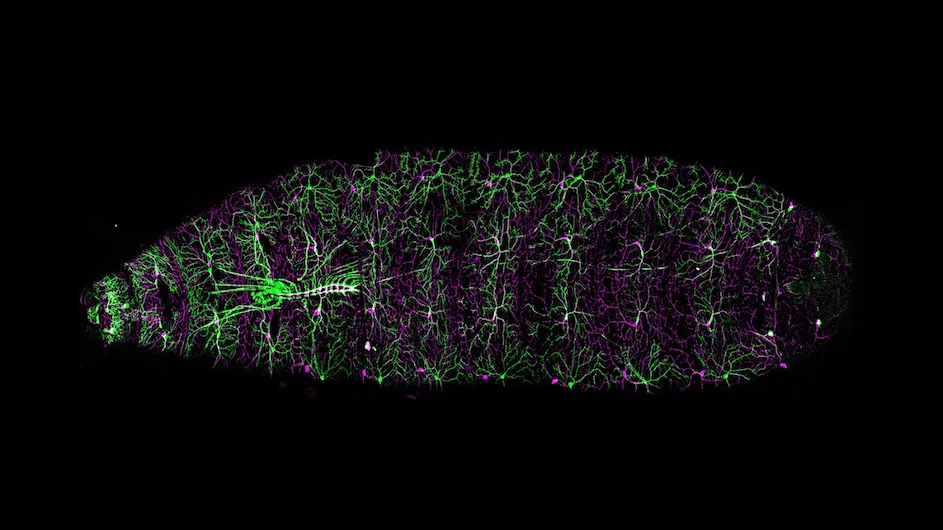
A Columbia lab has identified how interactions between developing sensory cells help flies discern different sensory inputs.

Lessons learned could help mitigate impact in future public health emergencies.

Researchers have found that two groups of dogs living within the Chornobyl Exclusion Zone had significant genetic differences.

A new study sheds light on the significant role food systems will play in future global warming, and what can be done about it.
Columbia researchers have created a sort of “bacterial suicide squad” that targets tumors.
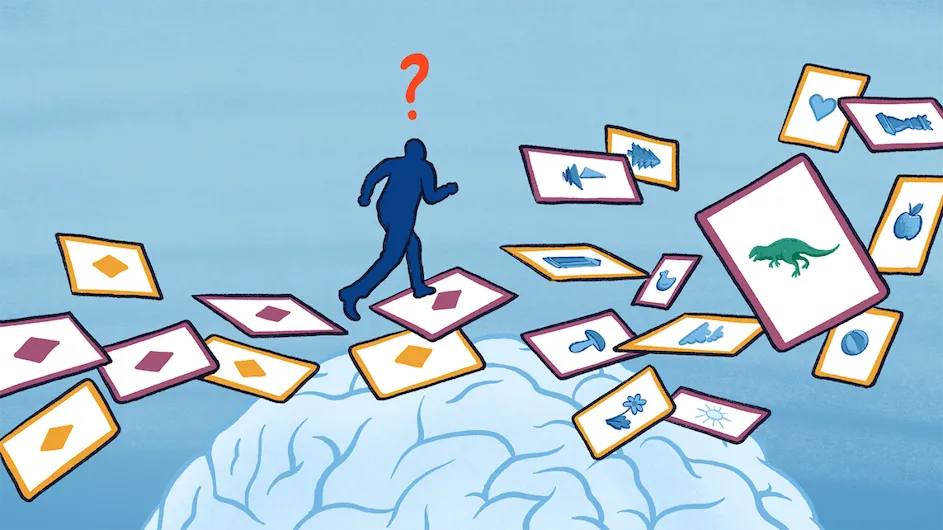
When making decisions, we rely on different kinds of memory. How does the brain decide which to use?
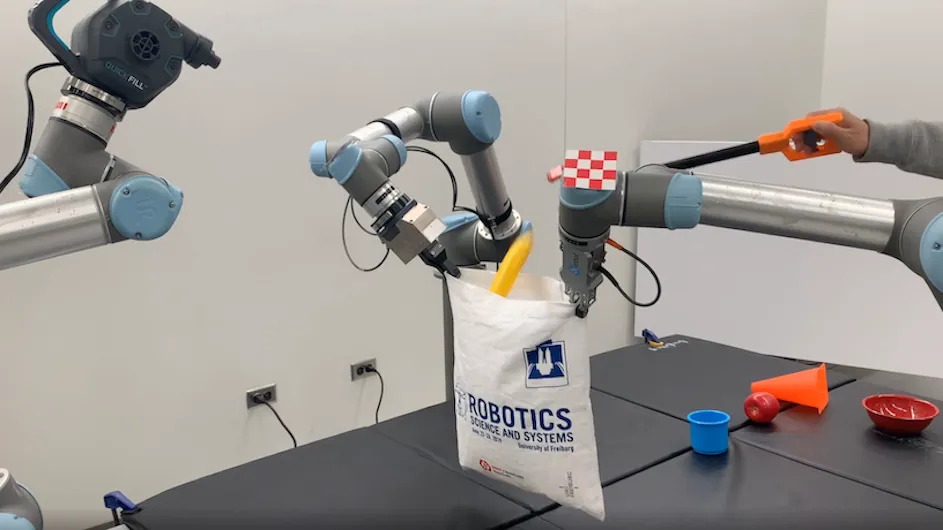
Columbia computer scientists are working with the Toyota Research Institute to make advanced home robots a reality.

New York was one of several cities that allocated more public spaces for physical activity and recreation during the pandemic.