

COLUMBIA SCIENCE IN THE NEWS
The New York Times
September 6, 2026
Science
August 28, 2026
The New York Times
August 20, 2026
RECENT STORIES
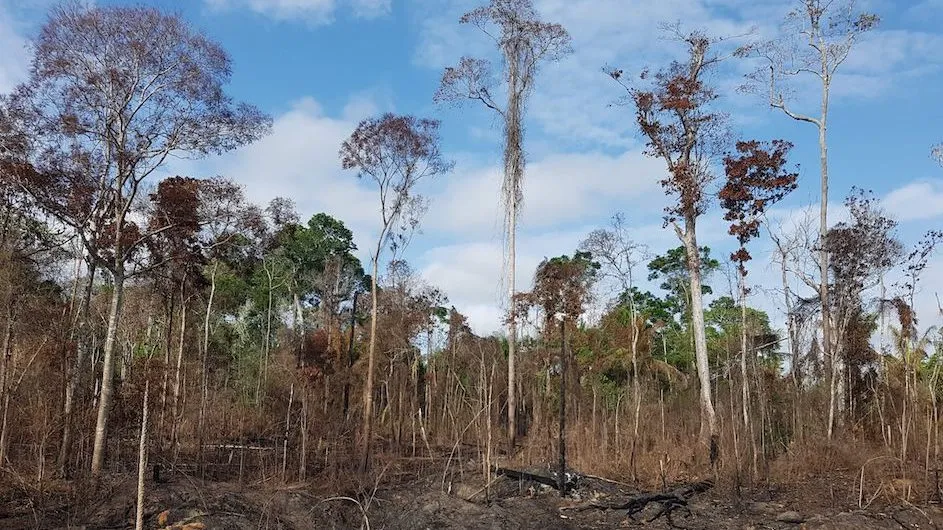
The rainforest has been degraded by a much greater extent than scientists had previously believed.

28.6% of students with asthma reported bullying victimization due to their asthma.
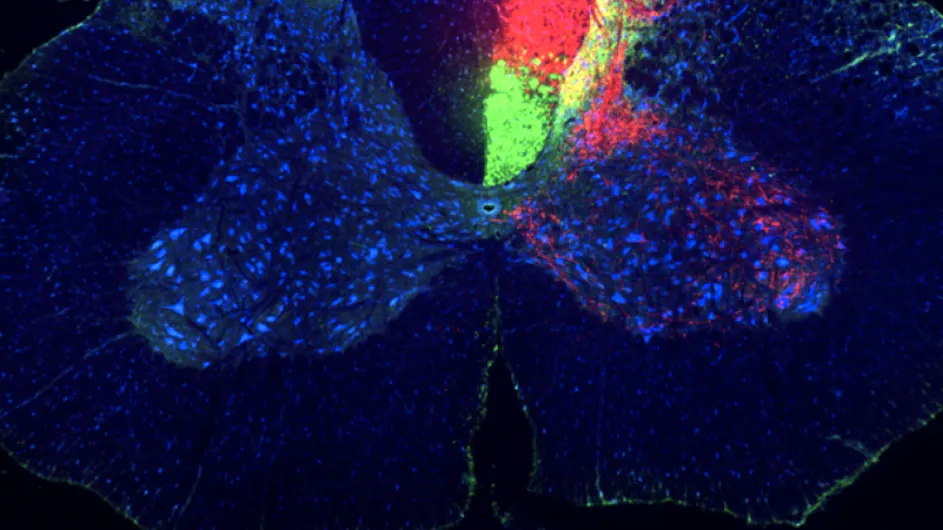
A nerve stimulation therapy is showing promise in animal studies and may eventually help people.

Indira Turney, an associate research scientist at the Columbia University Irving Medical Center, is studying how brains age in diverse populations.
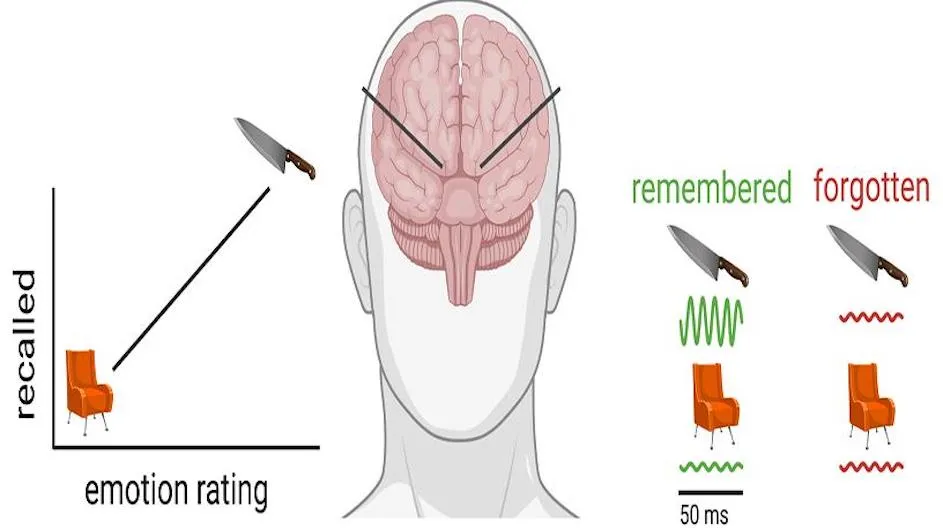
Columbia neuroscientists identify a mechanism in the brain that tags information with emotional associations for enhanced memory.
A new article highlights how an old psychedelic drug, Ariadne, may improve brain health without hallucinogenic effects.

$2.95 million in federal funding will support a Columbia-led project to help the city mitigate the effects of climate change on its water supply.
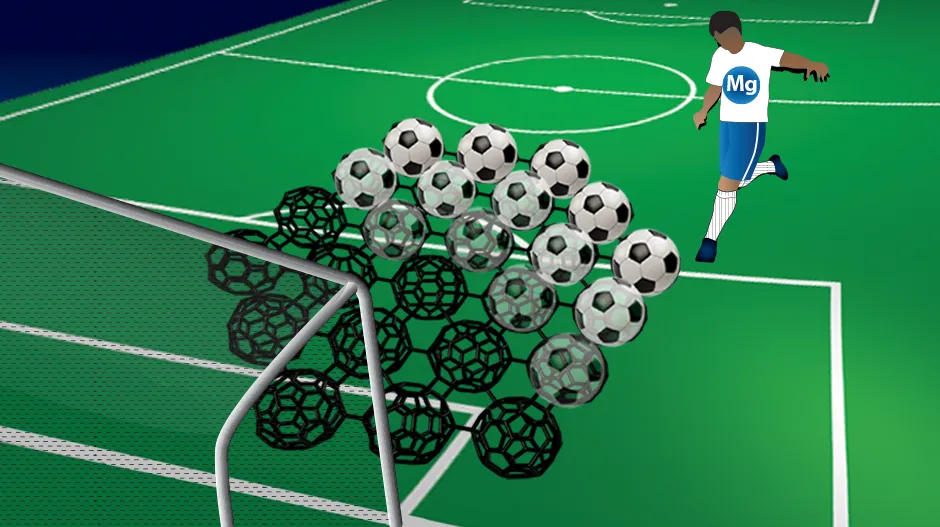
Graphullerene, an atom-thin material made of linked fullerene subunits, gives scientists a new form of modular carbon to play with.
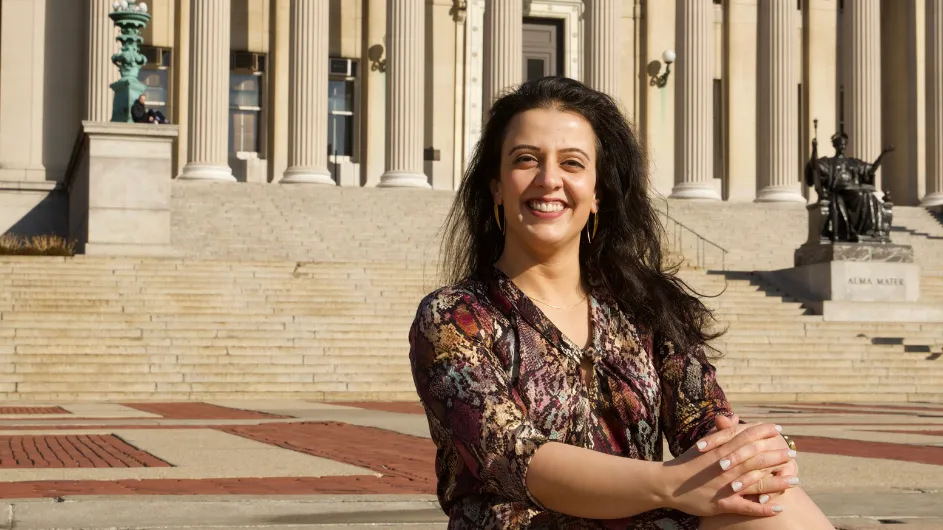
Columbia chemistry postdoc Elena Meirzadeh shares what’s so special about superatoms and her path through science so far.

What stories grabbed the attention of our readers in 2022? The results may surprise you.

Jeannette Wing and Chris Wiggins are co-authors of a book on the promises and perils of the burgeoning field.
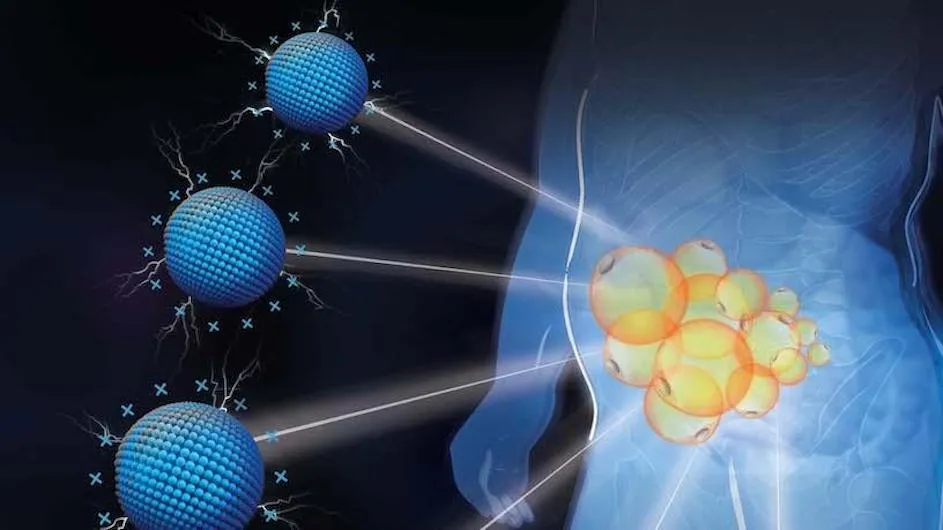
Researchers at Columbia have identified a new method of inhibiting unhealthy fat cell storage.