


COLUMBIA SCIENCE IN THE NEWS
The New York Times
September 6, 2026
Science
August 28, 2026
The New York Times
August 20, 2026
RECENT STORIES
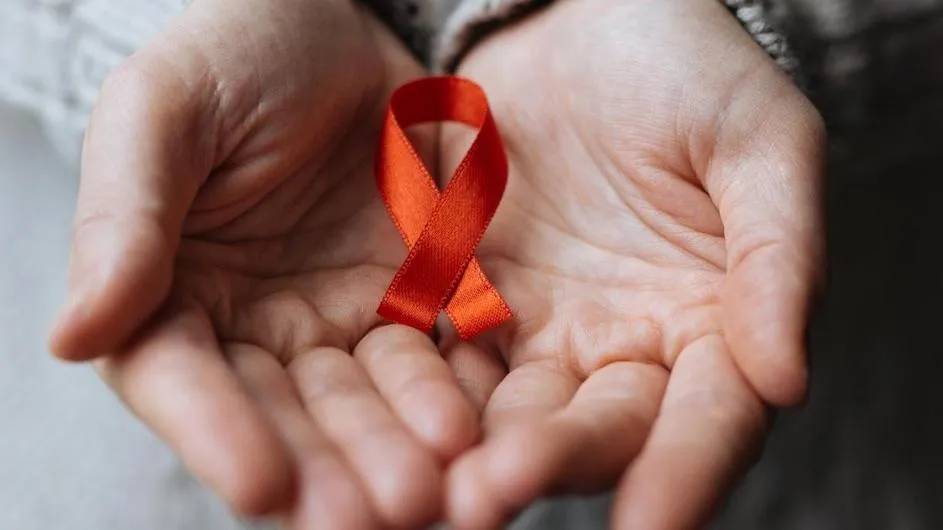
Tremendous achievements have been made in the global HIV/AIDS response, yet obstacles remain.
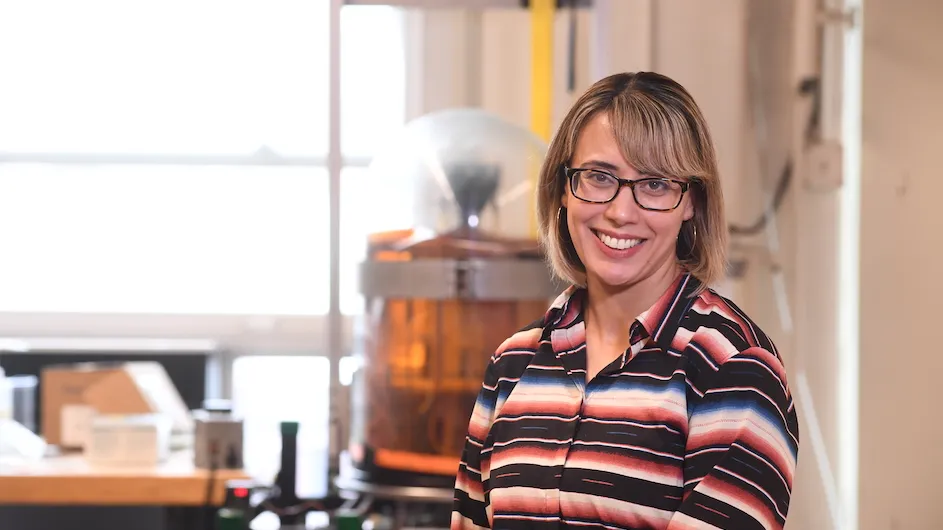
Kerstin Perez joined Columbia from MIT this summer, and is using cutting-edge techniques to identify the particle nature of dark matter.
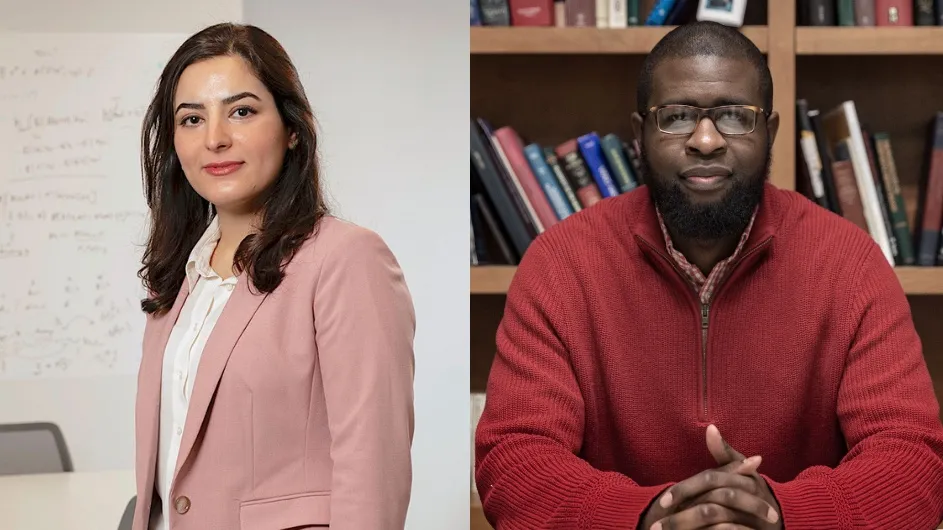
The awards will support one project on inflammatory pain and one that will guide improved breast cancer treatment.
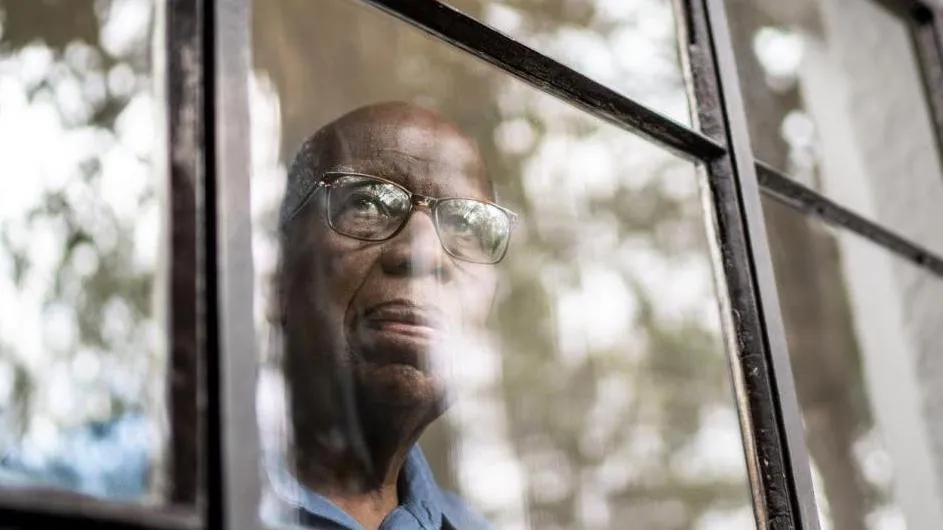
Columbia researchers also found that 22% of U.S. adults ages 65 and older have mild cognitive impairment.
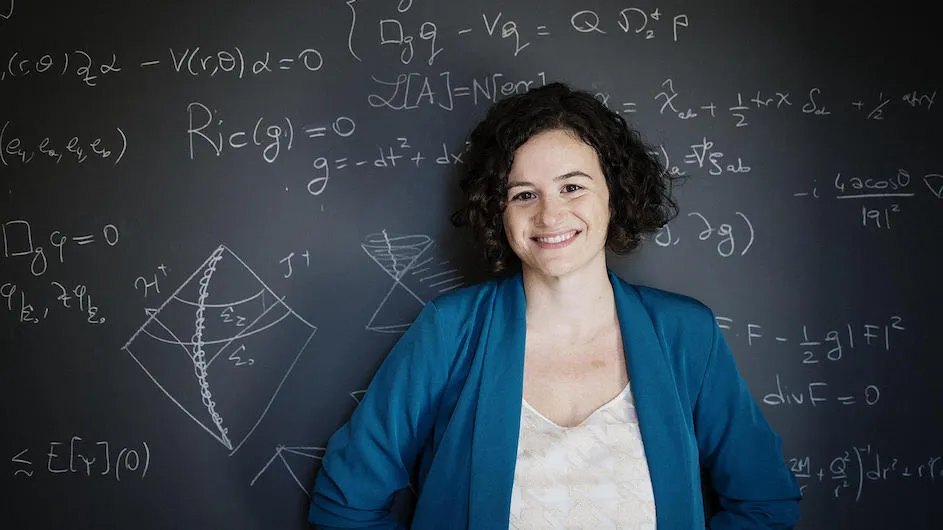
Professor Giorgi shares how she showed that black holes are stable, and how a discovery as a Columbia student charted her professional “destiny.”
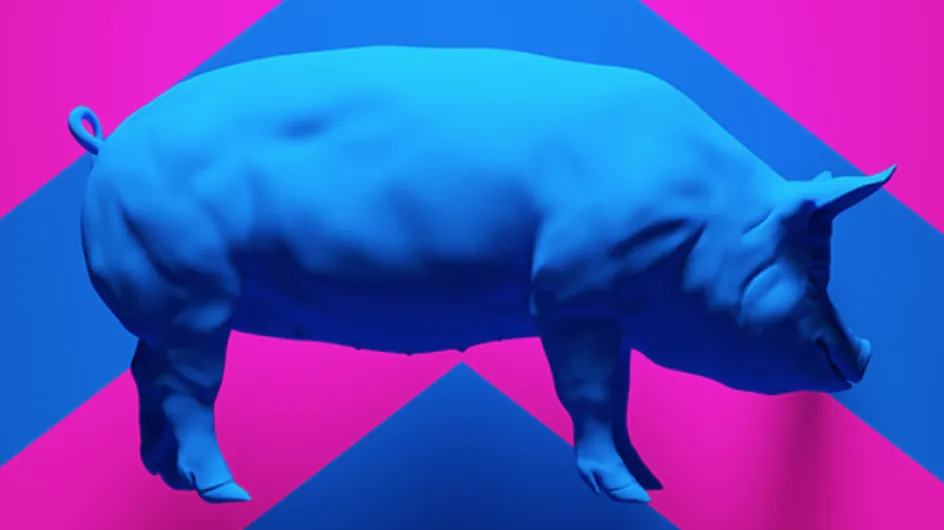
Recent developments have brought potentially lifesaving technologies closer to fruition.

Christopher Ahmad, chief of sports medicine at Columbia and head team physician for the New York Yankees, answers questions about his work.
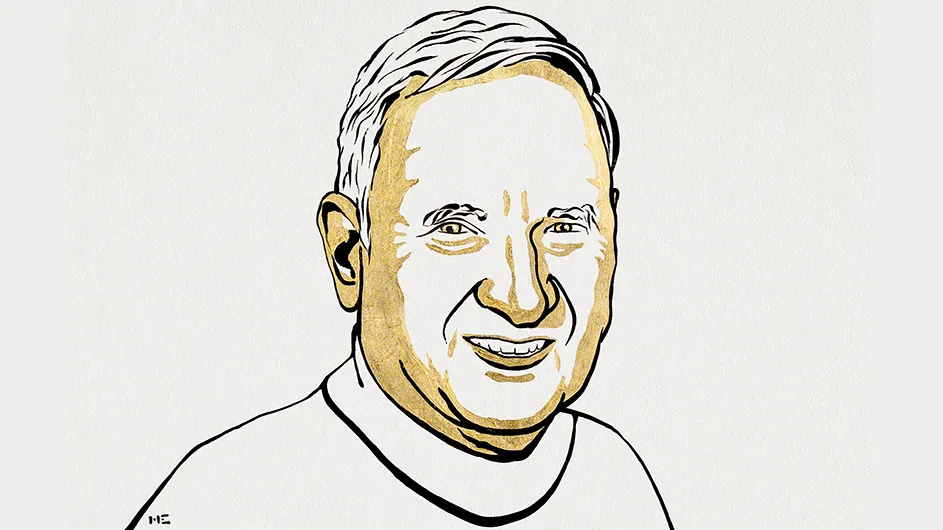
John F. Clauser, who received his PhD from Columbia in 1969, was one of three scientists awarded the 2022 Nobel Prize in Physics.
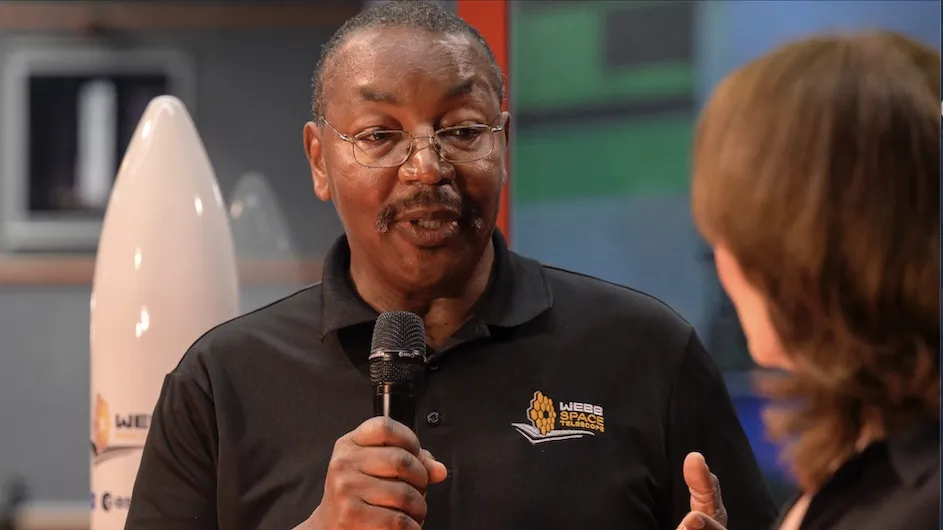
Gregory Robinson served as program director of the telescope from 2018 to 2022, overseeing its build and launch.
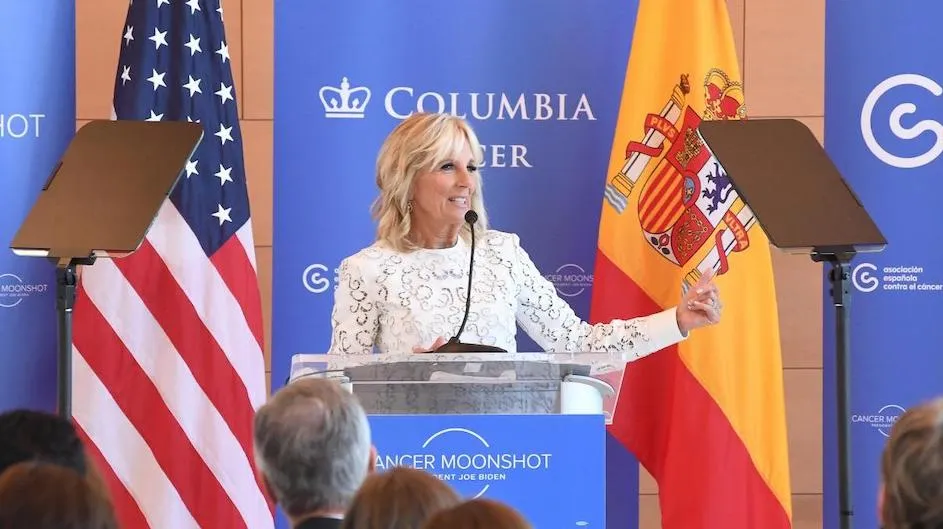
The First Lady and Queen Letizia celebrate Columbia Cancer’s strides in addressing health inequities and forward-thinking research.

A new study from the Mailman School of Public Health finds that increases in depression without commensurate increases in treatment are widespread.
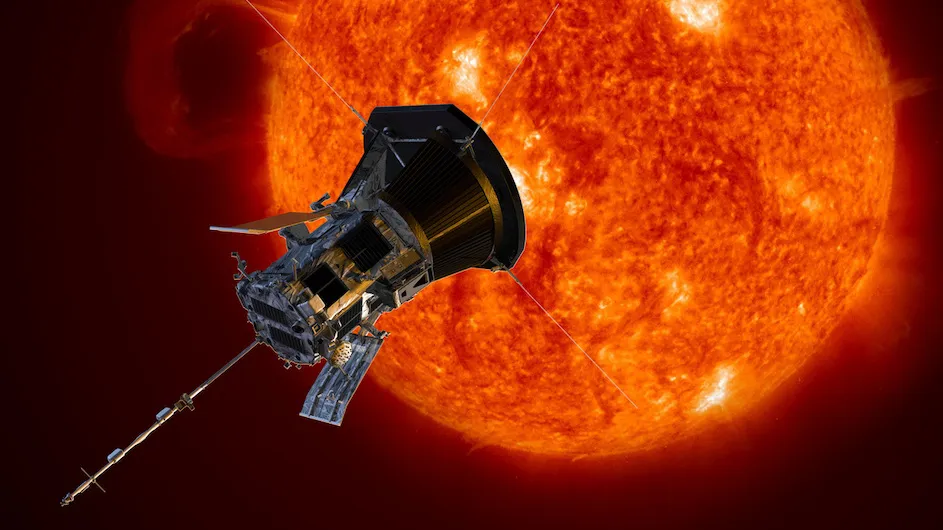
New research shows how and when these particles form and offers clues to questions that have troubled scientists since the 1940s.