


COLUMBIA SCIENCE IN THE NEWS
The New York Times
September 6, 2026
Science
August 28, 2026
The New York Times
August 20, 2026
RECENT STORIES
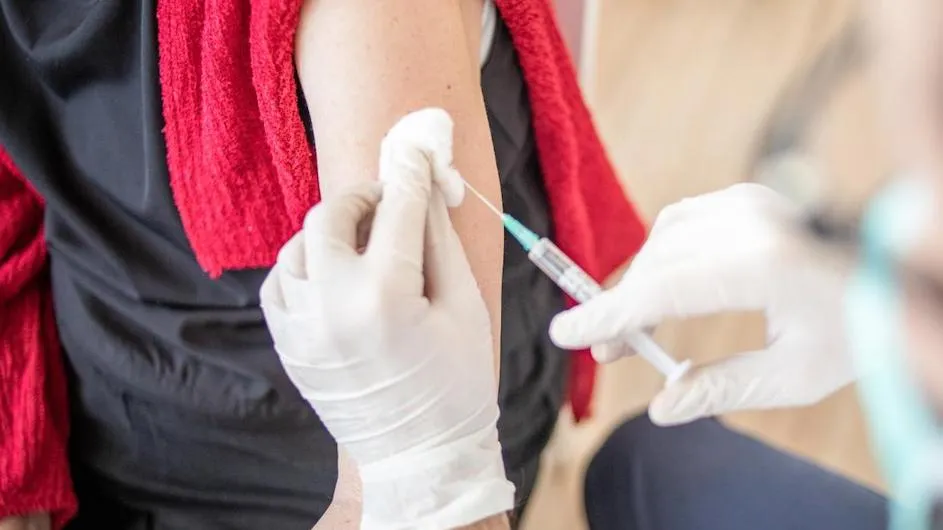
Marcus Pereira, assistant professor of medicine, discusses the new COVID-19 booster shot.

The U.S. Department of Energy is renewing Columbia’s Energy Frontier Research Center with a four-year $12.6 million grant.
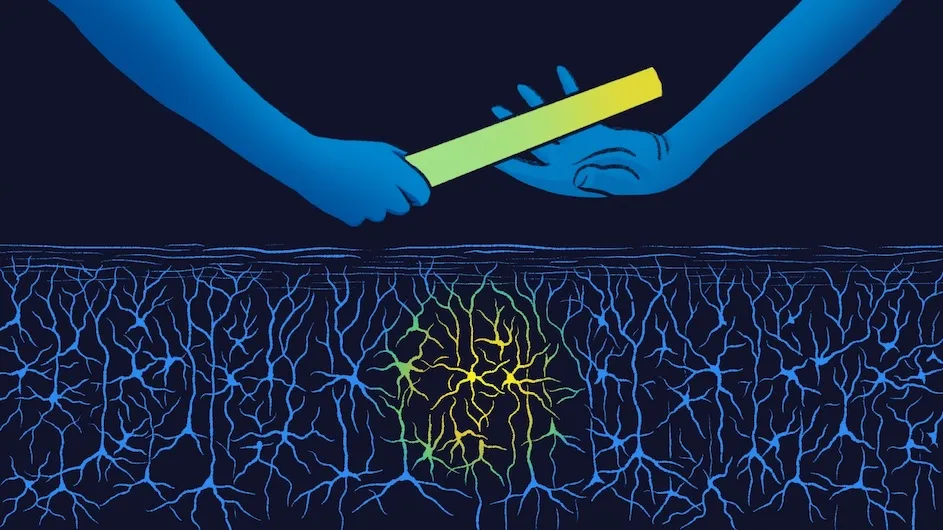
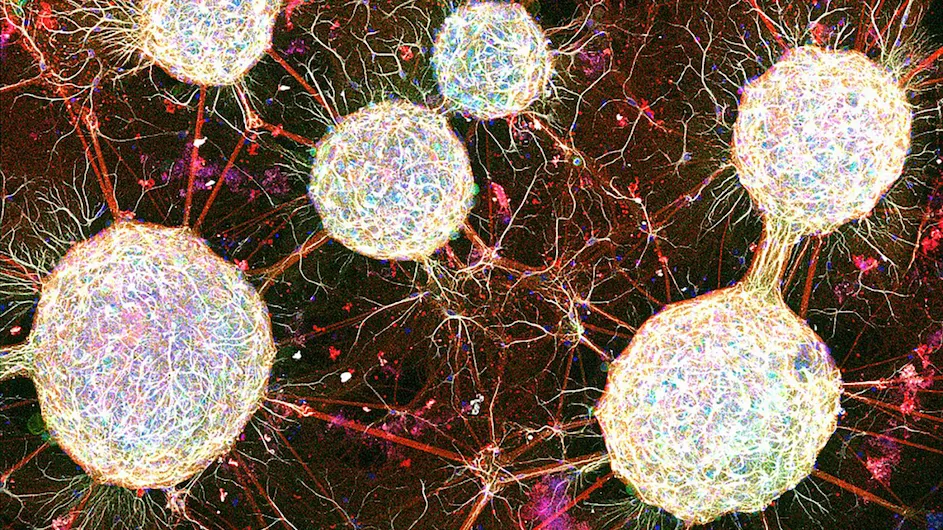
Can the neurobiology of the simplest decisions also underlie our most complex thoughts?
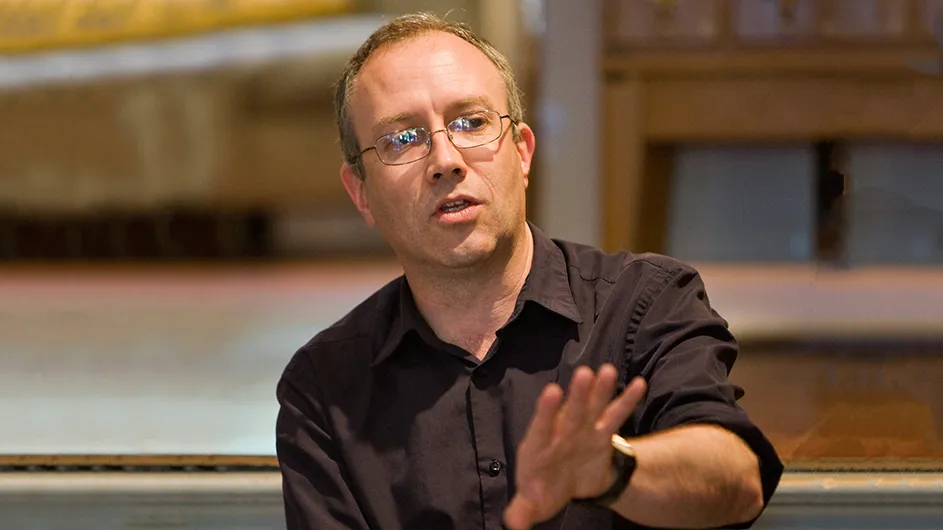
The prize, given by the American Astronomical Society, honors astronomers for their work communicating with the public.
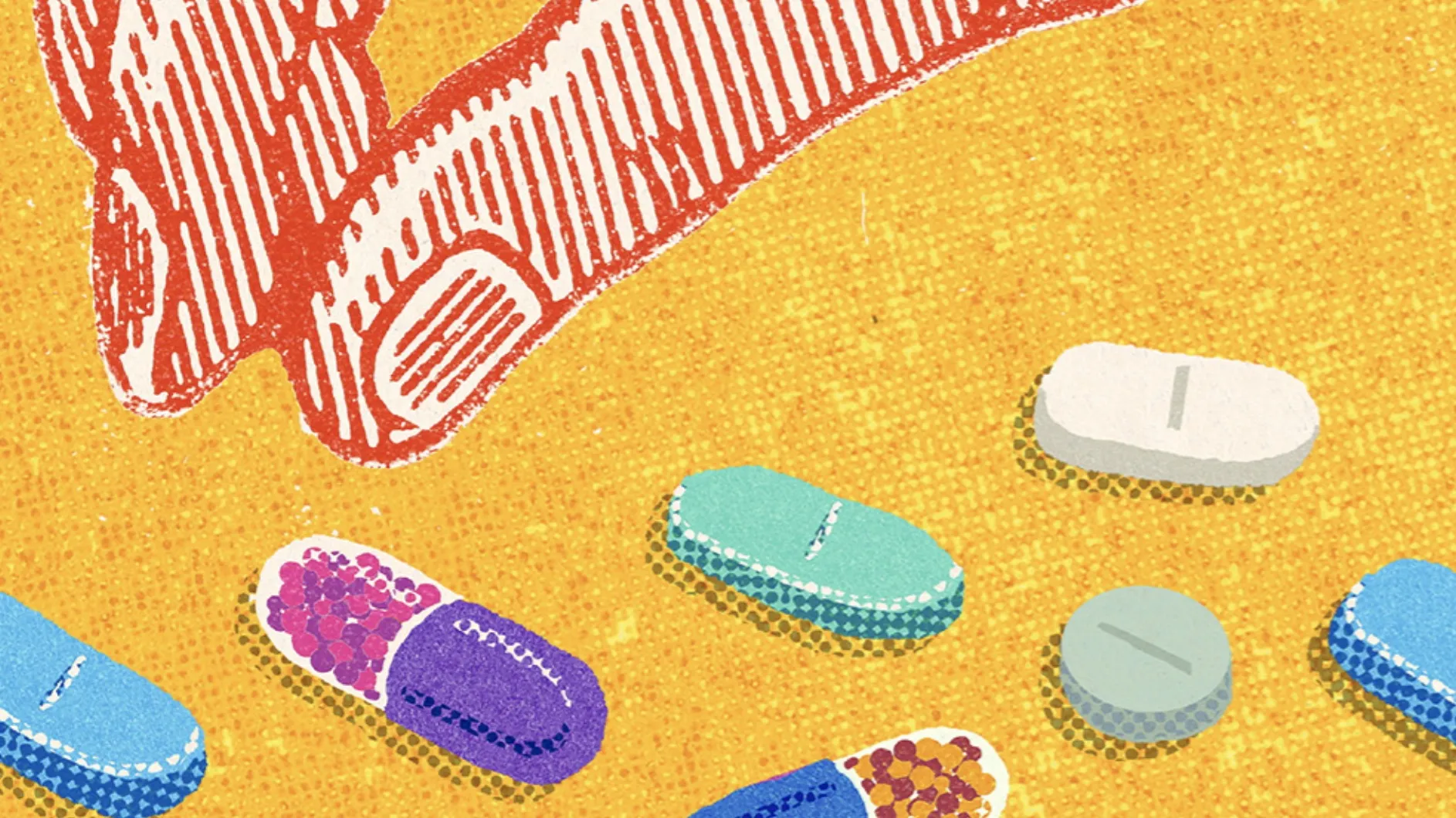
Hallucinogen use has increased since 2015, overall and particularly among adults 26 and older.
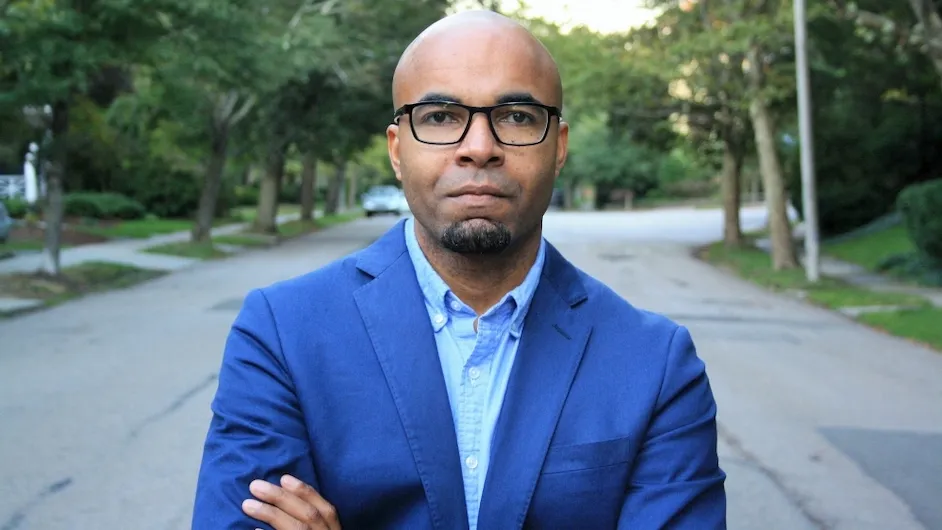
Mario Luis Small talks about growing up in Panama and how his perspective has contributed to his path-breaking research.

Team Led by Columbia Engineering Wins $26 Million NSF Grant to Develop Center for Smart Streetscapes
Columbia will partner with four other universities to forge livable, safe, and inclusive communities.
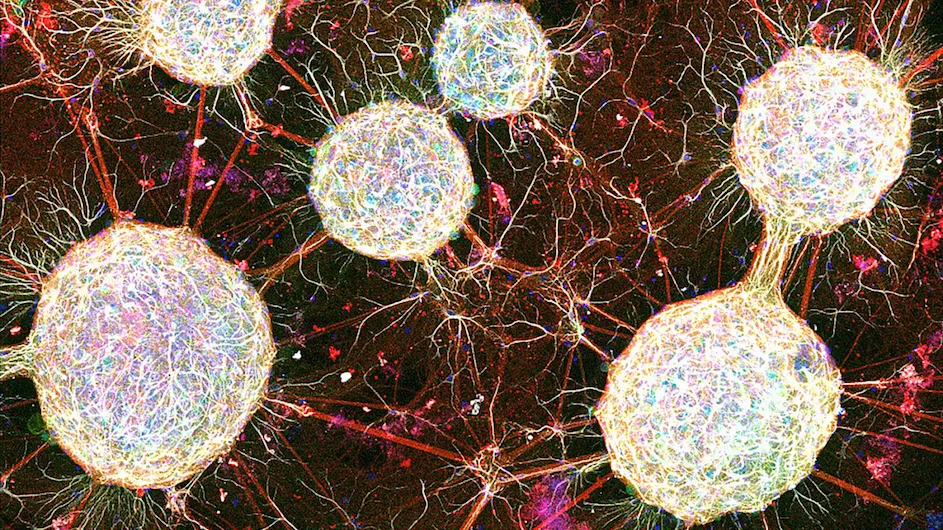
A chance observation spawns a versatile new strategy for taking on some of humanity’s most vexing psychiatric disorders.

Kathy McKeown heads up two large grants—one to analyze cross-cultural norms and another to better understand grief in the Black community.
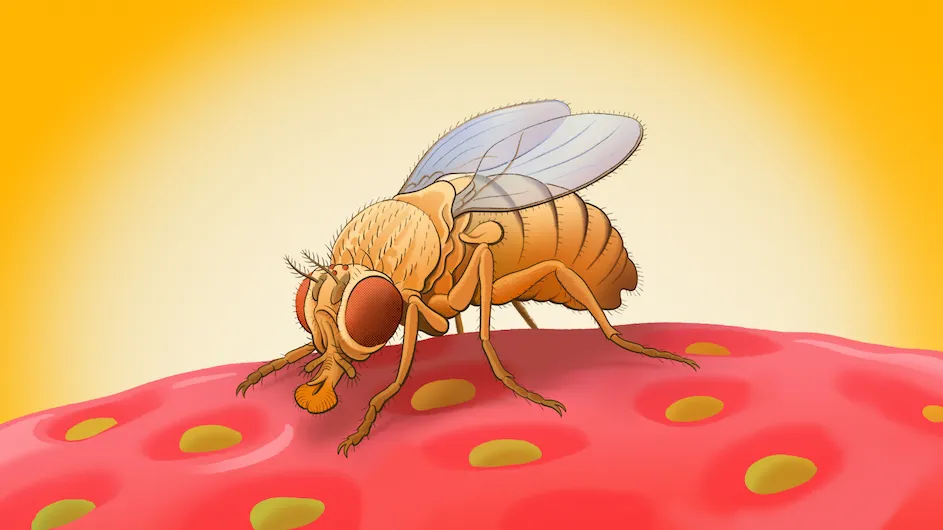
As you squash the fruit flies invading your kitchen this summer, take a moment to revere them.
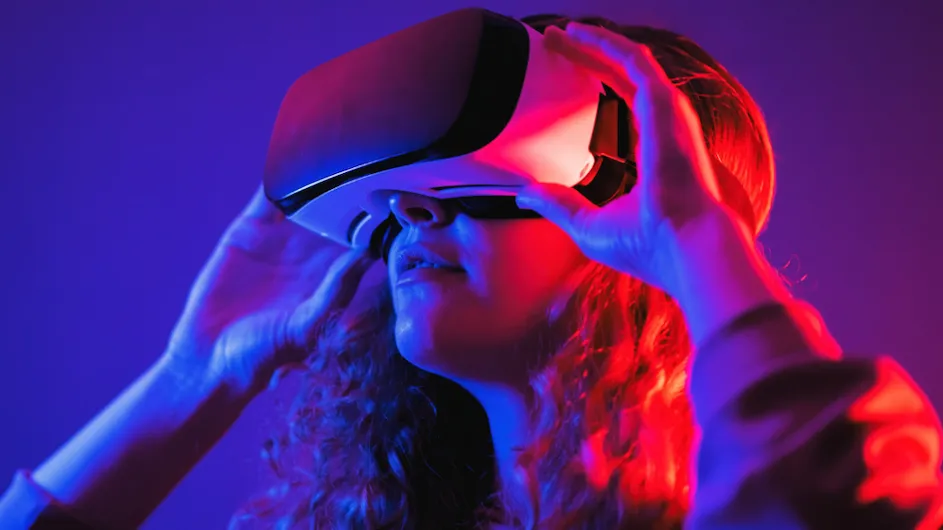
An innovative program uses VR therapy to help youth with social anxiety disorder.
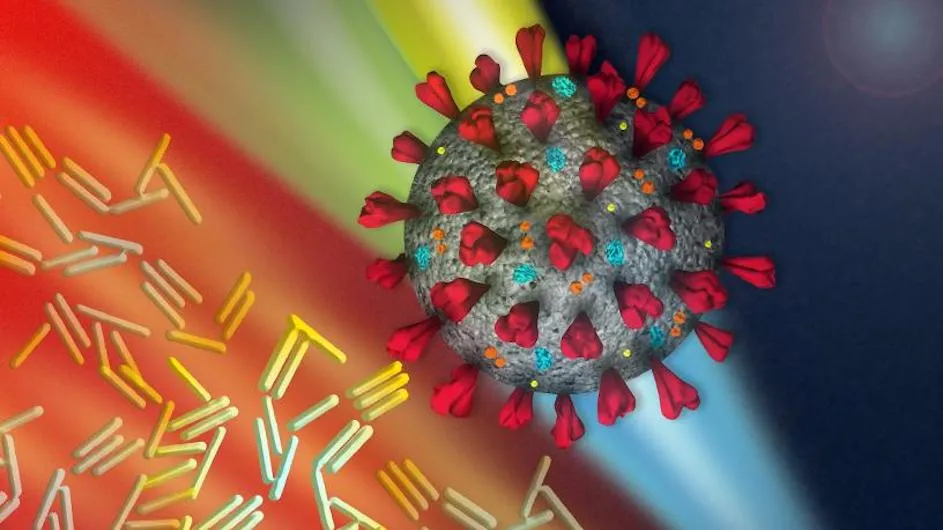
Columbia researchers have developed a low-cost, portable platform that gives RT-PCR results in 23 minutes.