


COLUMBIA SCIENCE IN THE NEWS
Science News
August 14, 2026
The New York Times
August 11, 2026
ABC News
August 2, 2026
RECENT STORIES

A new study by researchers at Columbia's Mailman School of Public Health looks at the role that physician management companies are playing in the uptick in prices.
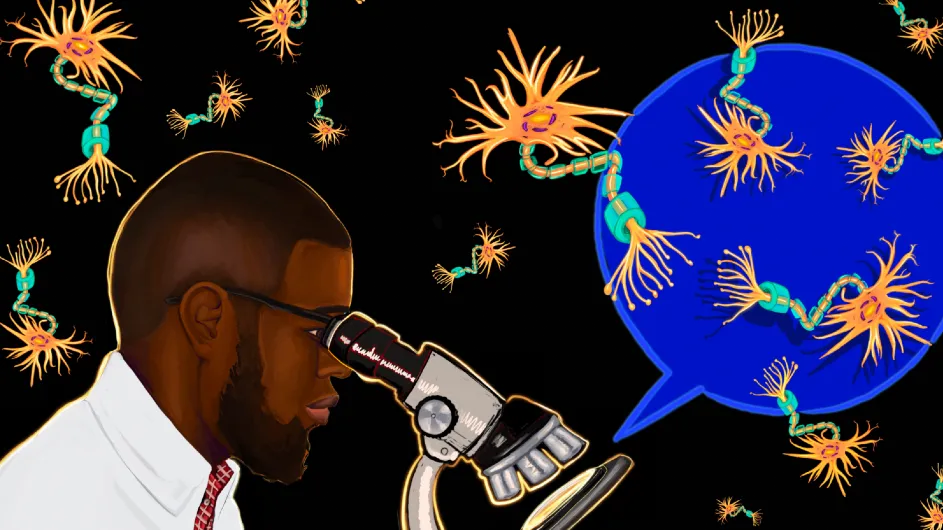
Abdus-Saboor, a neurobiologist, traces his path to Columbia and explains his fascination with a rodent that rarely feels pain.
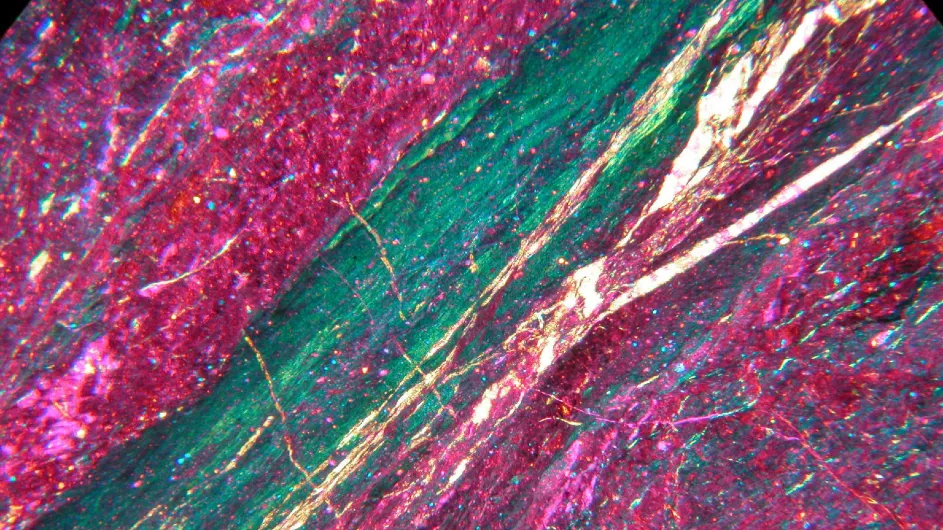
An analysis of deep rocks in the central part of the fault suggests that big earthquakes could be more likely than previously thought, says a new study.

Expanded access to epidurals for vaginal deliveries could lead to better maternal health outcomes, according to new research by Columbia’s Mailman School of Public Health.

In a study in JAMA Oncology, researchers at Columbia University Irving Medical Center show that analyzing CT scans with a machine-learning algorithm can help predict how well immunotherapy will work for melanoma patients.
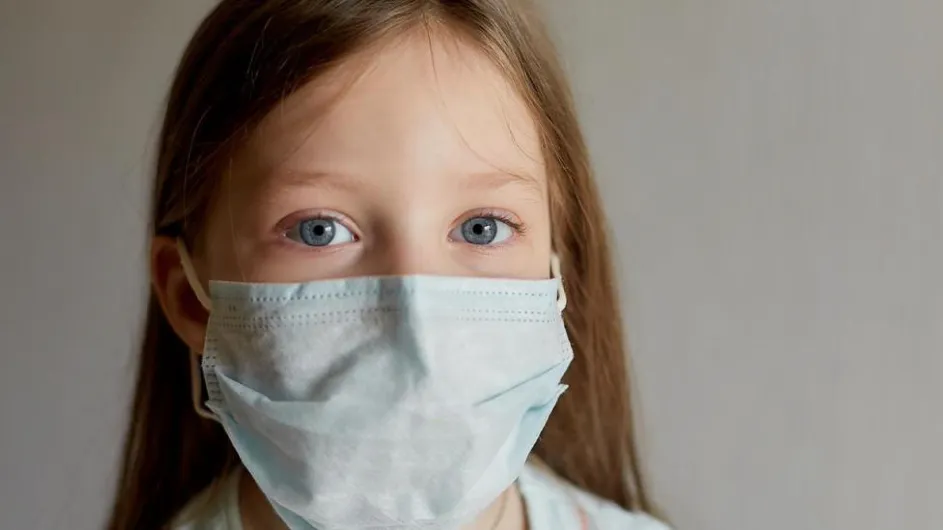
With funding from the National Institutes of Health, Columbia will join researchers from 25 other institutions to learn more about the disease in children and how to treat it.
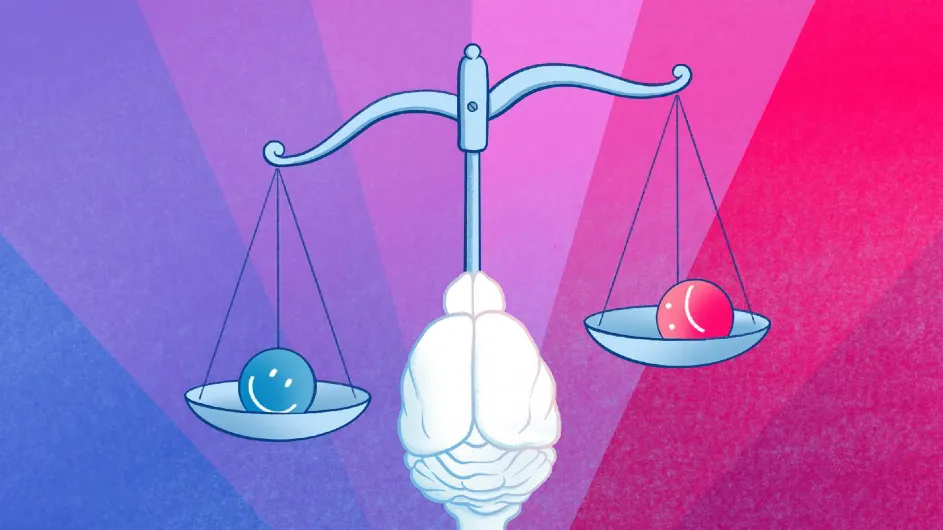
New method for assessing pain and pain relief uncovers a neurological legacy of drug use, passed down genetically to male offspring.

Five scientists were recognized for outstanding contributions to their field.

The continuation of drought conditions in the last two years has broken a record going back to 800 AD.

Just 30 percent of the world’s researchers are women. Here’s why that matters, especially in the earth sciences.
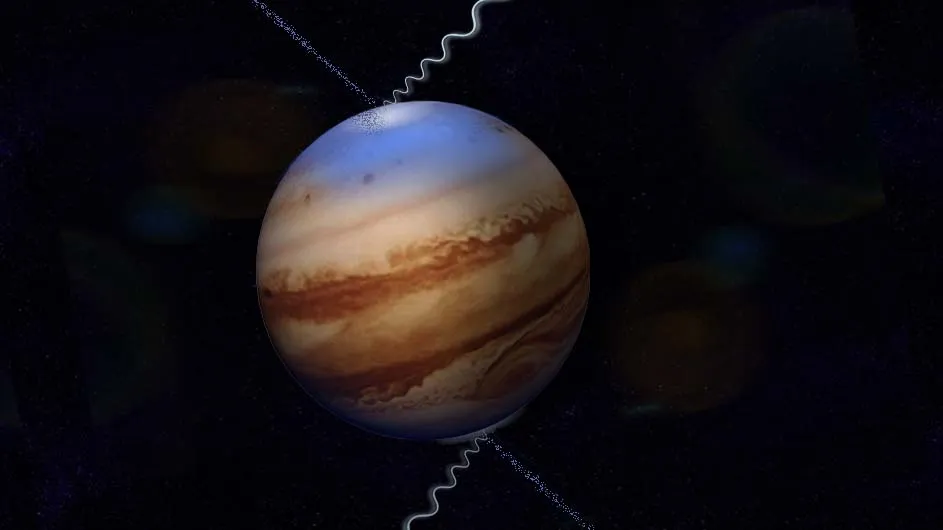
In a new study, PhD students Gabriel Bridges and Shifra Mandel help show that both poles of Jupiter are aglow with high-energy light.
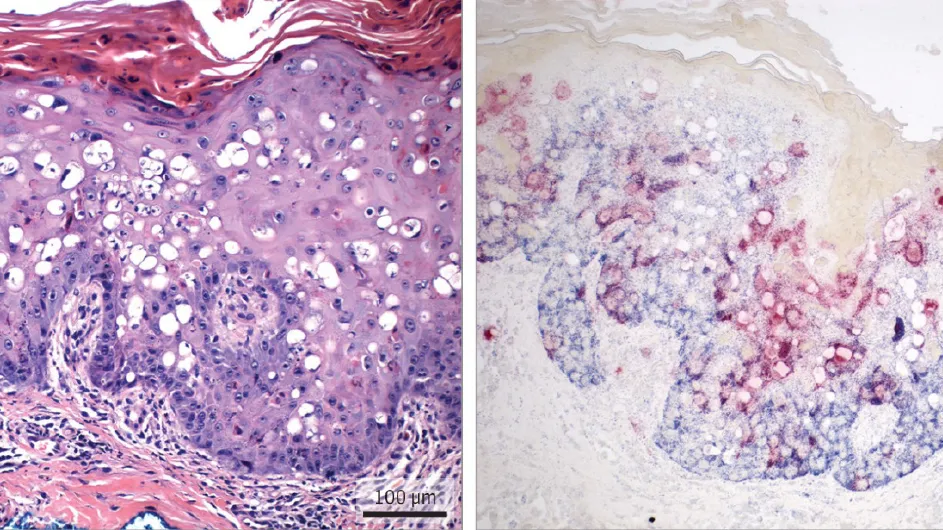
A common virus that causes no harm in most people may be a danger to organ transplant recipients and other immunocompromised people, say Columbia researchers.