


COLUMBIA SCIENCE IN THE NEWS
The New York Times
September 6, 2026
Science
August 28, 2026
The New York Times
August 20, 2026
RECENT STORIES

Five scientists were recognized for outstanding contributions to their field.

The continuation of drought conditions in the last two years has broken a record going back to 800 AD.
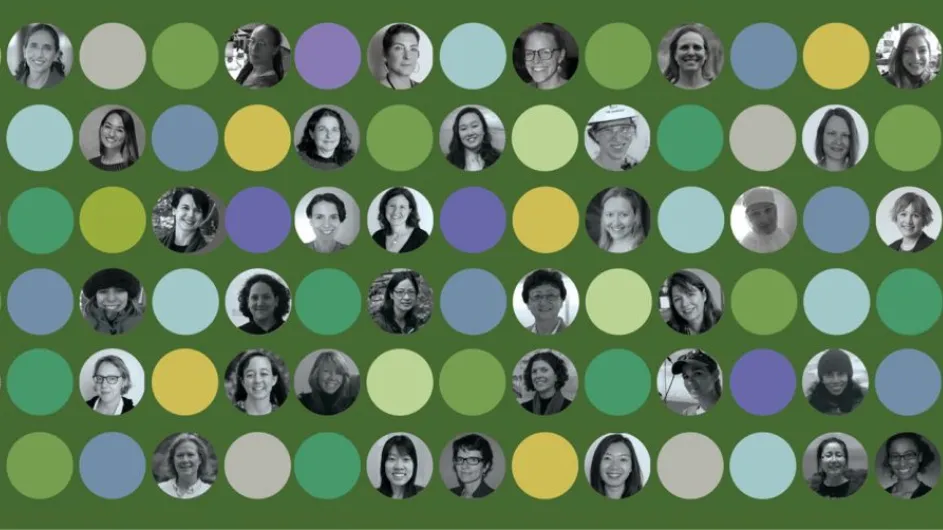
Just 30 percent of the world’s researchers are women. Here’s why that matters, especially in the earth sciences.
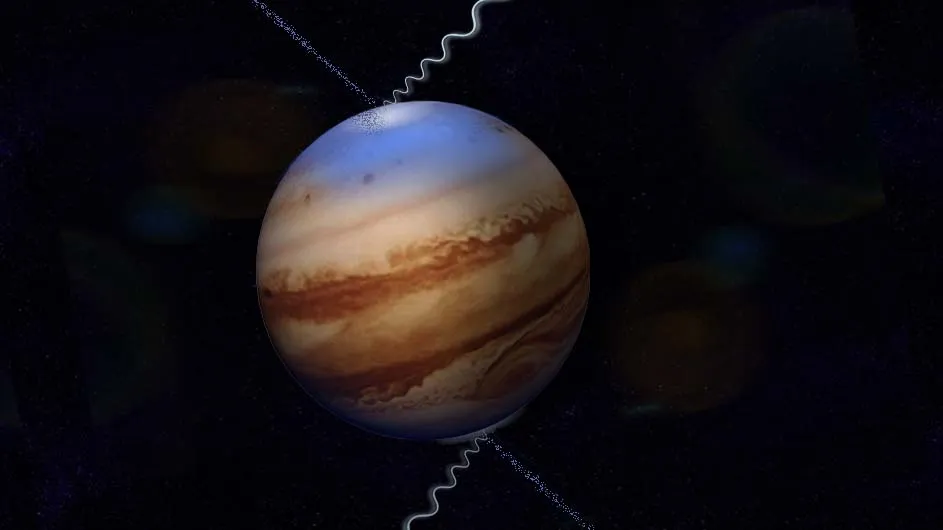
In a new study, PhD students Gabriel Bridges and Shifra Mandel help show that both poles of Jupiter are aglow with high-energy light.
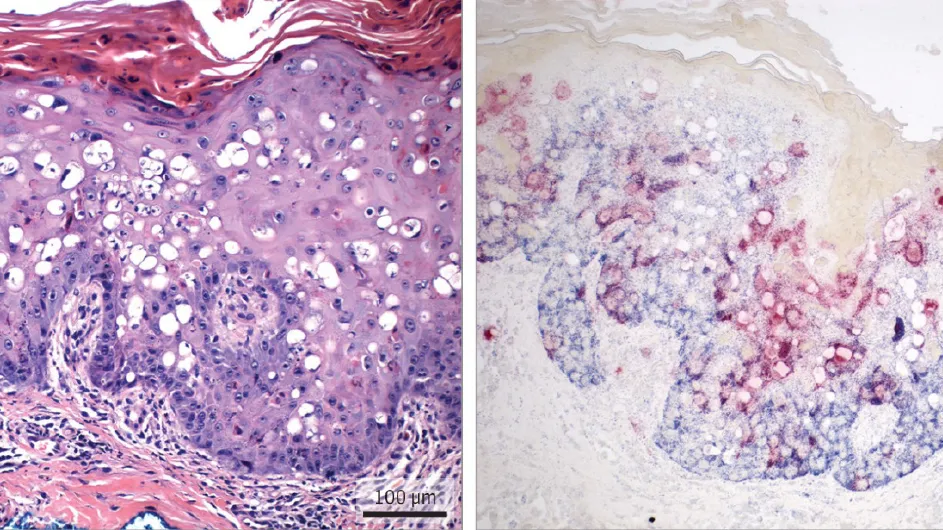
A common virus that causes no harm in most people may be a danger to organ transplant recipients and other immunocompromised people, say Columbia researchers.

Columbia Psychiatry News speaks with Dr. Amir Levine about his groundbreaking book on attachment theory and whether couples with different attachment styles are doomed to fail.
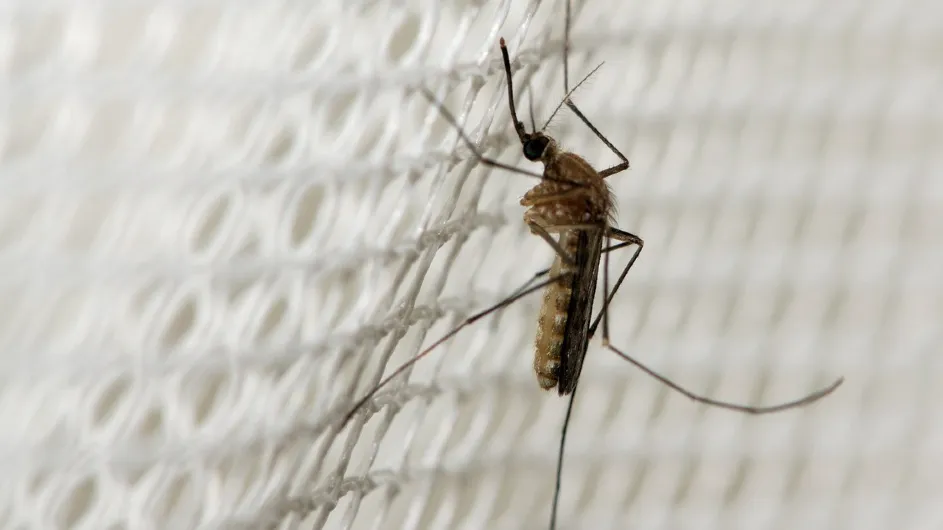
In a 22-year study in Tanzania, researchers at Columbia’s Mailman School of Public Health show children who sleep under bed nets at an early age are more likely to survive into adulthood.
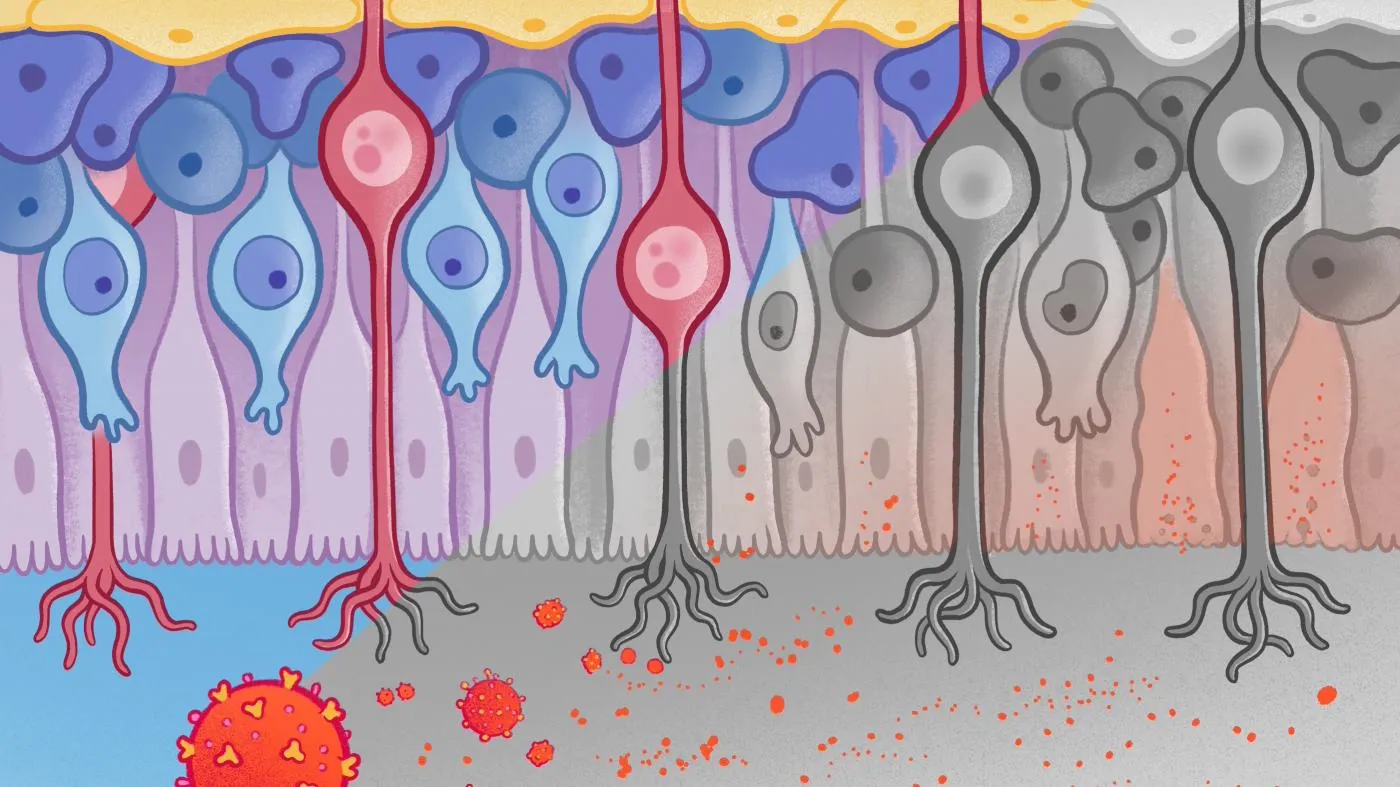
Researchers at the Zuckerman Institute tease out the mechanisms that underlie one of the virus's signature symptoms.
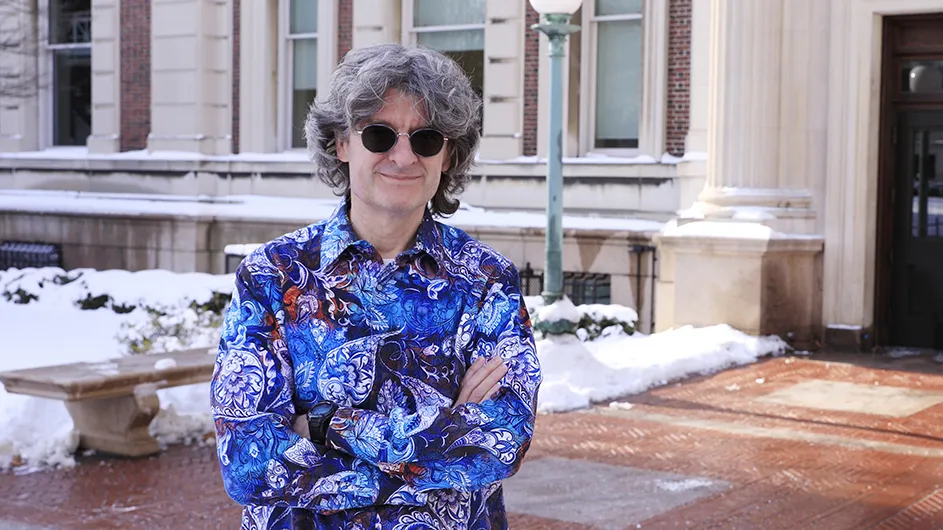
Columbia professor Johan de Jong has spent the last 15 years gathering the foundational theorems of algebraic geometry in one place. His creation, the Stacks Project, offers a new model for organizing and visualizing mathematical information.
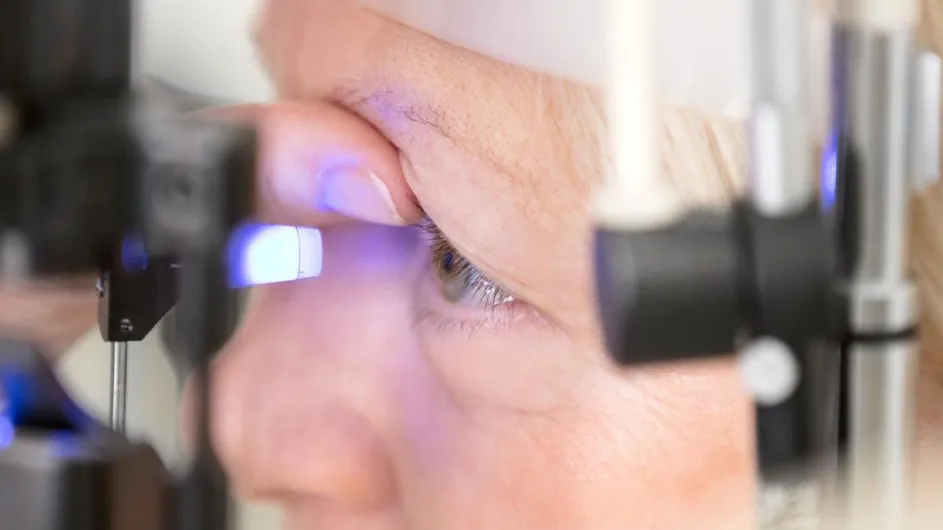
Drugs to treat glaucoma have saved the sight of millions of people but there may be a simpler fix: nutrient supplements. Columbia ophthalmologist Simon John explains.

Higher carbon dioxide levels boost plant growth, but the benefits could be offset by other factors altered in a warming climate.
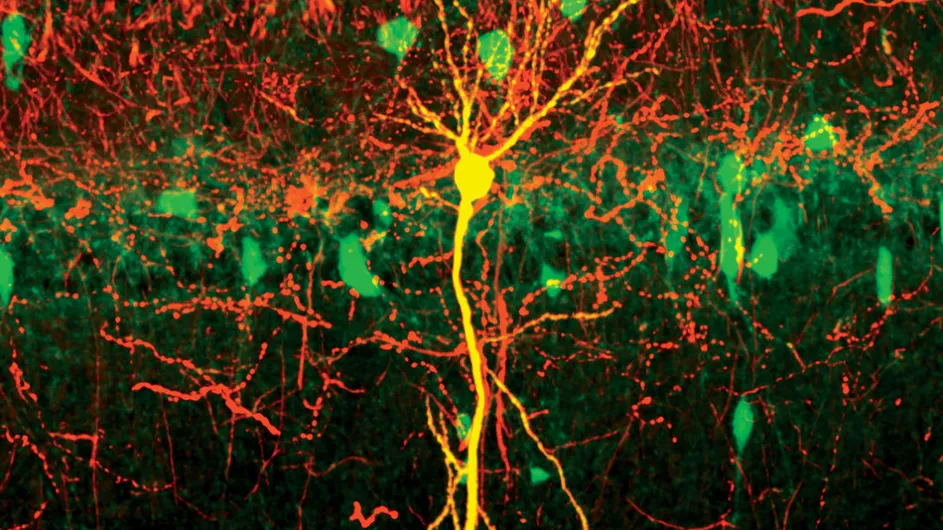
Columbia neuroscientists have figured out how to visually map memory formation.