

COLUMBIA SCIENCE IN THE NEWS
CNN
October 5, 2026
Scientific American
September 26, 2026
The New York Times
September 6, 2026
RECENT STORIES
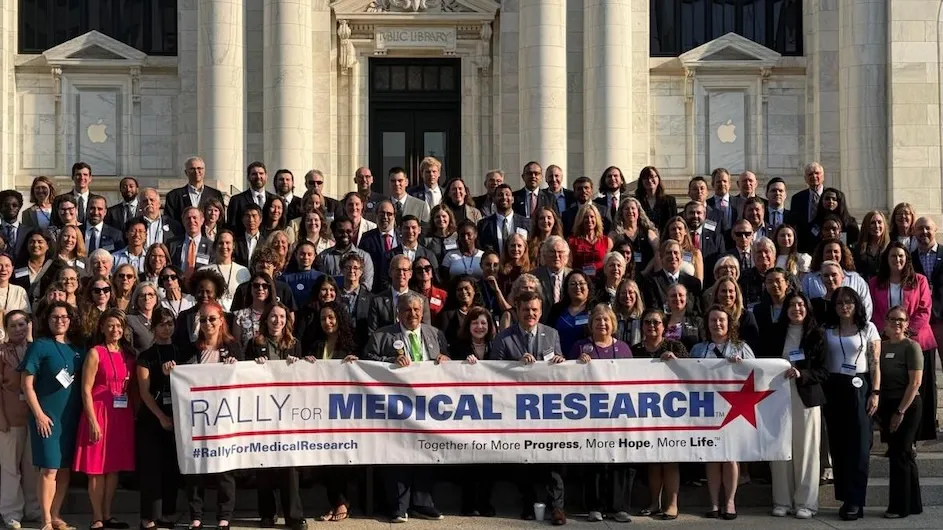
This year’s rally brought together over 300 participants from more than 40 states.
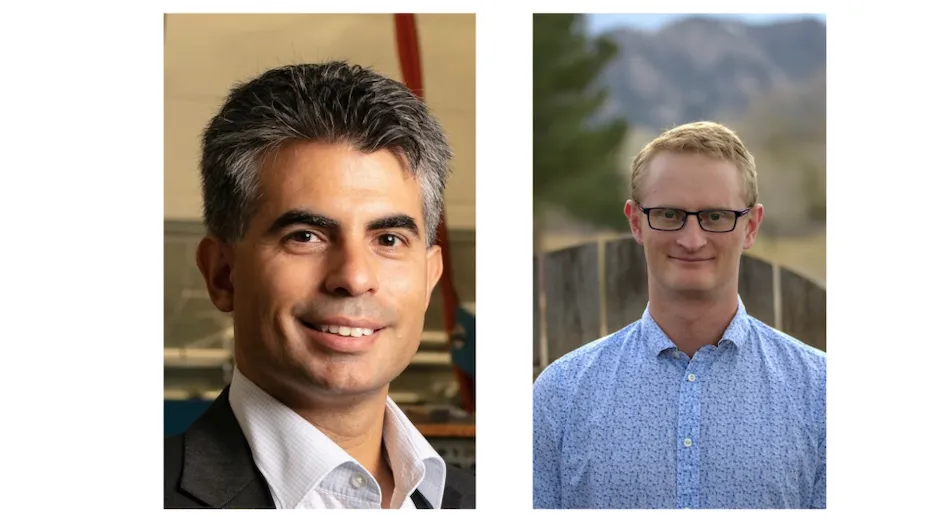
A proposed new approach could reduce the complexity of fusion power plants, researchers say.
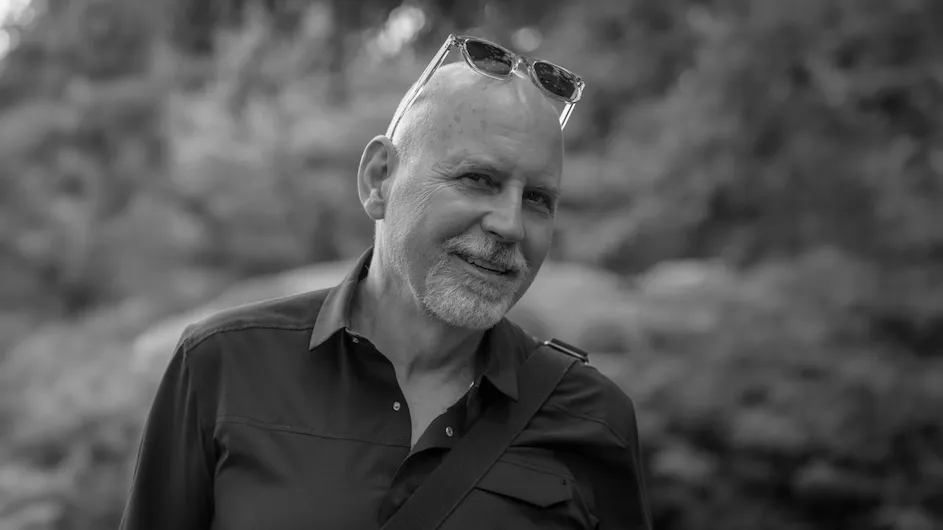
The prestigious prize recognized Zuker for revolutionizing understanding of the sense of taste.
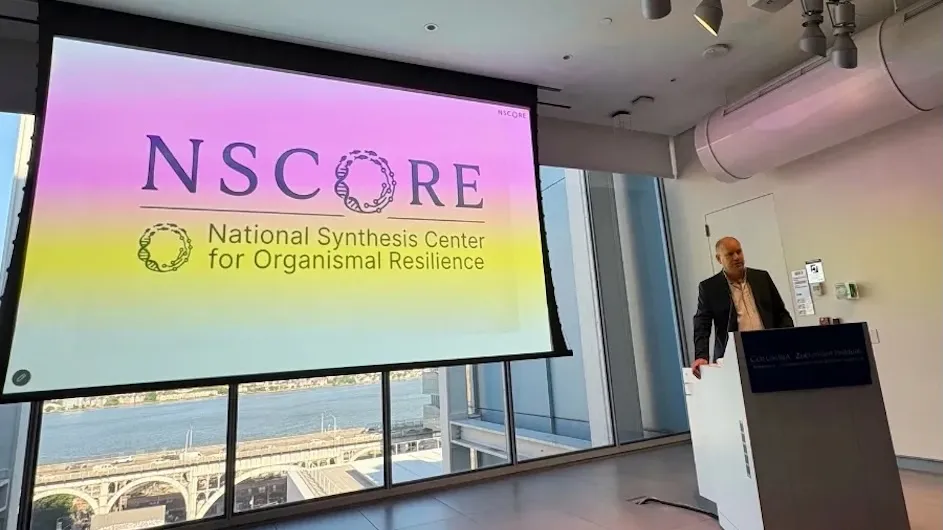
Columbia's new National Synthesis Center for Organismal Resilience (NSCORE) brought together researchers for a day-long kick-off event.

Associations between employment trajectories and later-life cognition differ by gender, a Columbia Public Health study found.

Mark Ross-Lonergan is an experimental neutrino physicist with a passion for oysters.
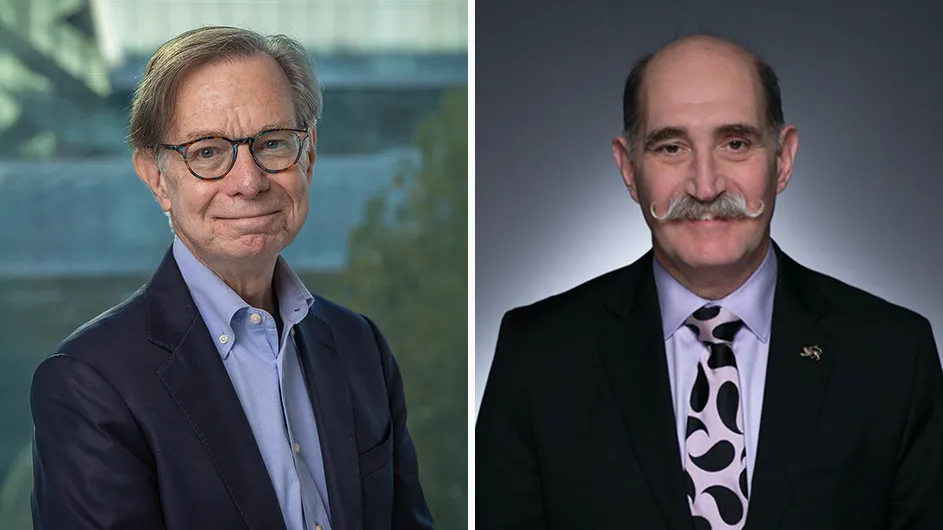
The Department of Health and Human Services’s award aims to accelerate innovation supporting living kidney donors and patients.
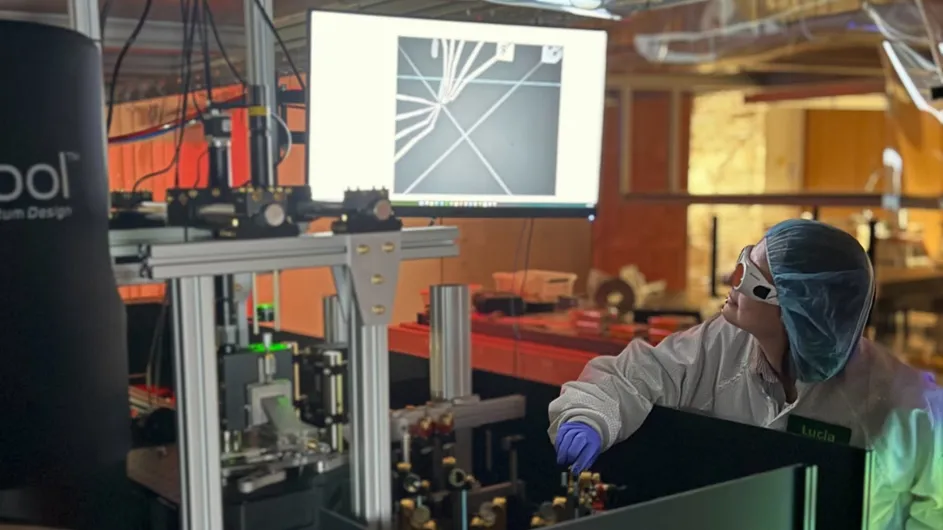
According to Lucia Rondini, they are ‘fizzy’ with quantum objects, popping in and out of existence all the time.
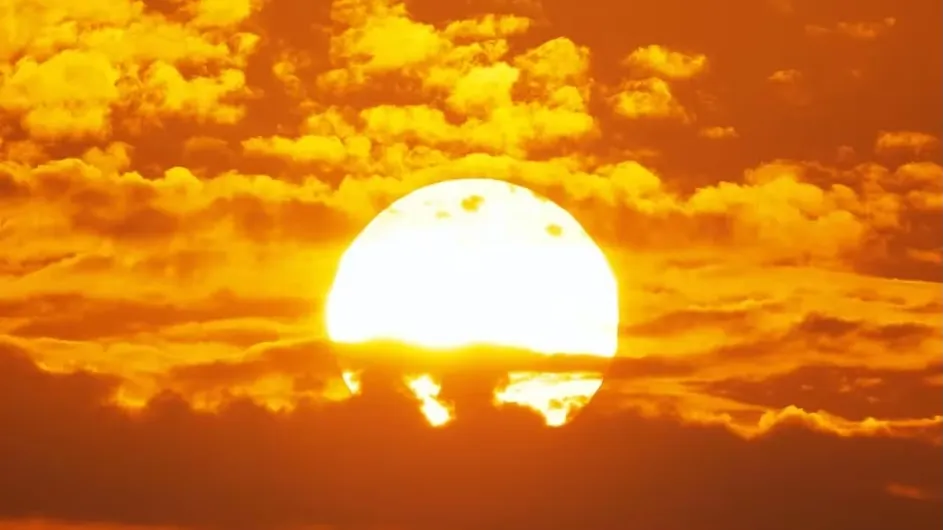
Extreme heat seasons have expanded across roughly half the world’s land area since the 1980s.
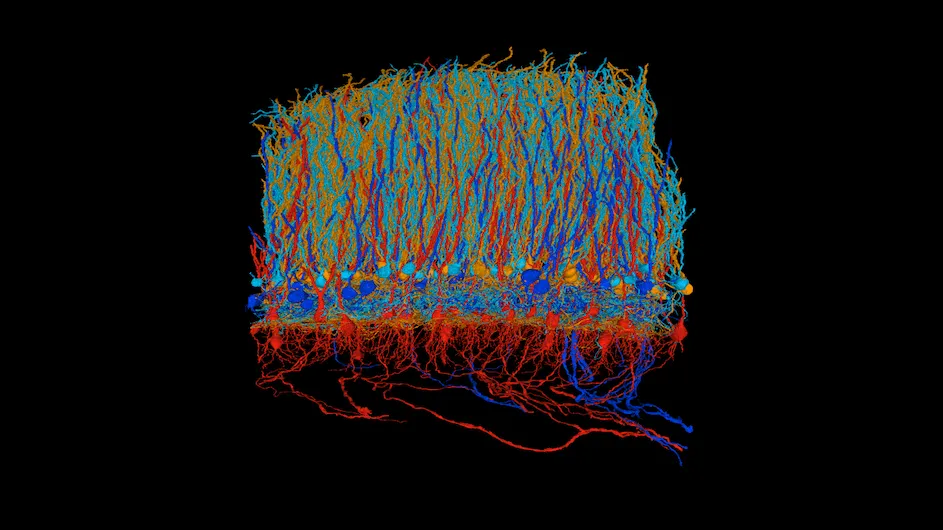
Fast and slow changes to cell connections helps fish continually learn and filter out electrical interference.

Excess mortality from influenza, malnutrition, pneumonitis, drowning, and pneumonia contributes to the life expectancy gap.
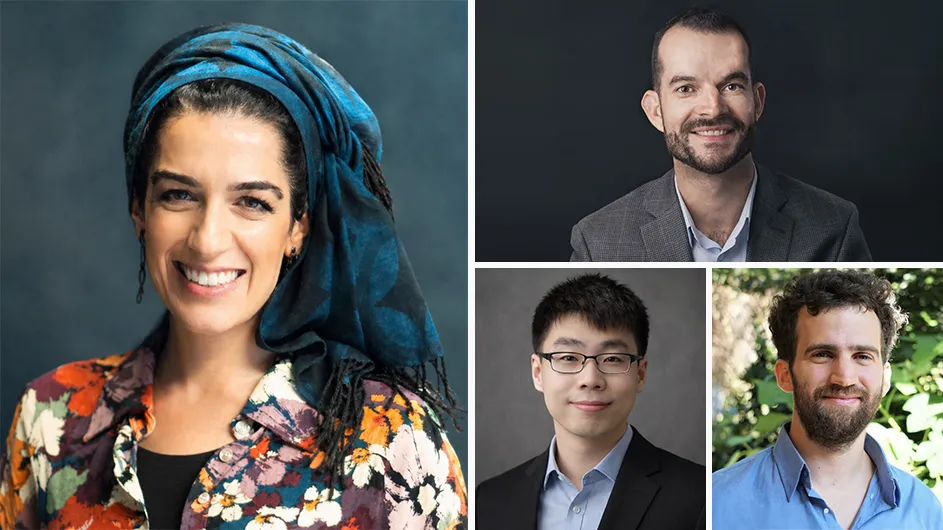
Natalie Fardian-Melamed was recognized for discovering and engineering ultra-sensitive, light-based nanosensors.