The latest earth, climate, and environmental science news from across Columbia.
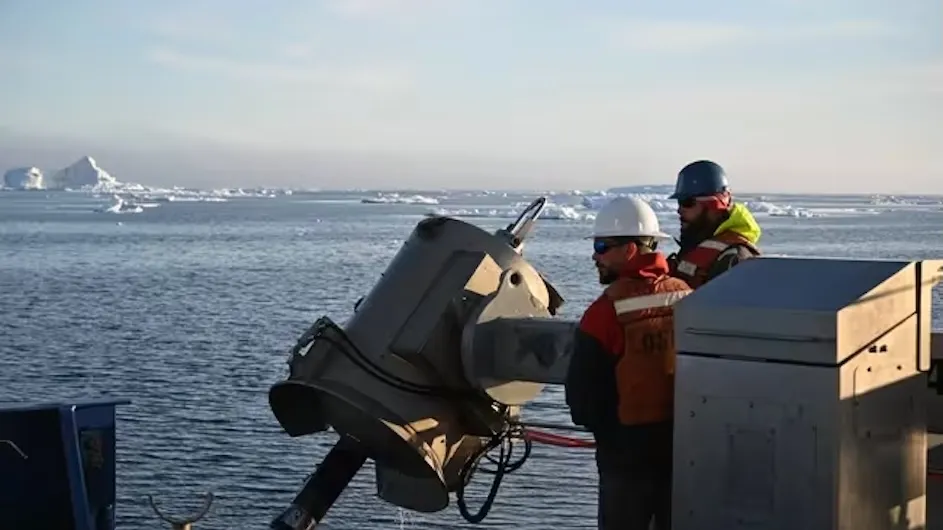
New research provides clues to the future of today’s massive ice sheets and the sea-level rise that could follow if they melt.
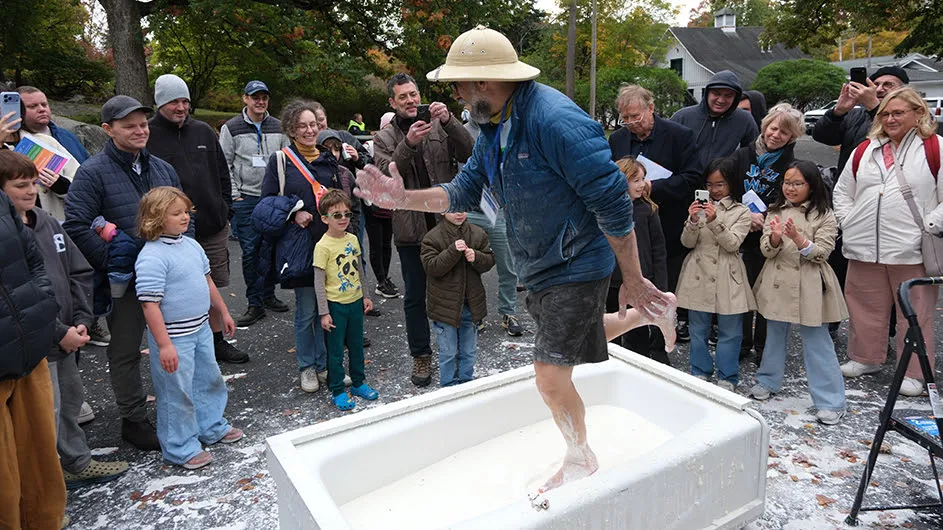
More than 2,500 visitors explored hands-on activities, lectures and installations at Lamont's campus on Saturday, October 17.
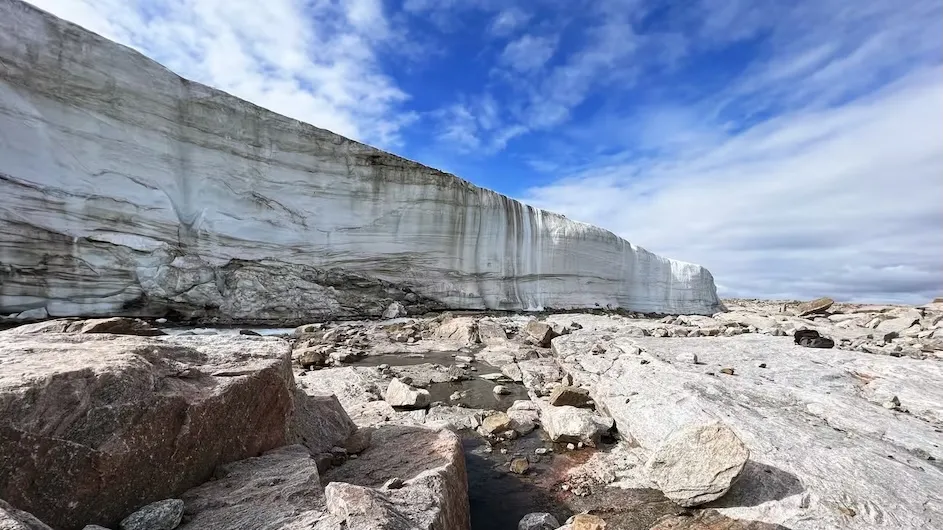
An ancient and once-vast ice sheet had started growing again, but by the 1960s, global warming stopped it.
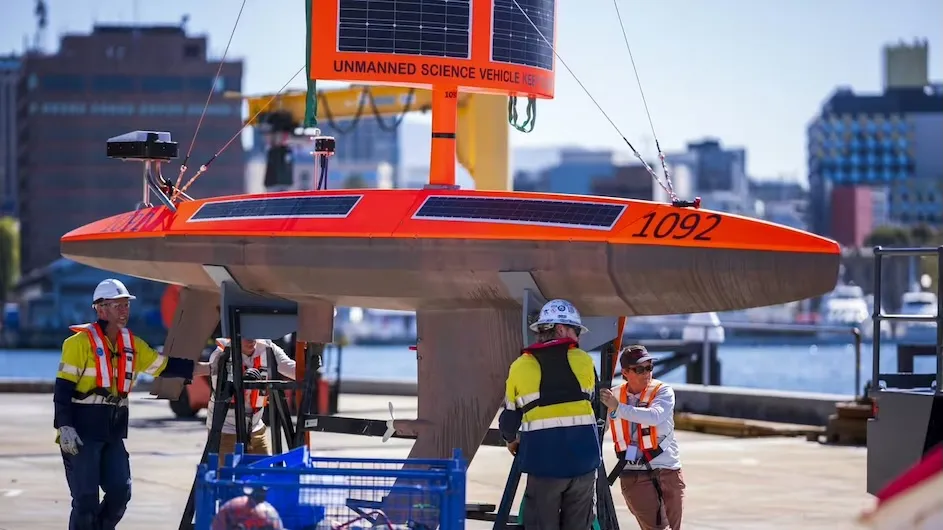
A new project will deploy a fleet of autonomous vehicles to measure carbon exchange across the Southern Ocean.
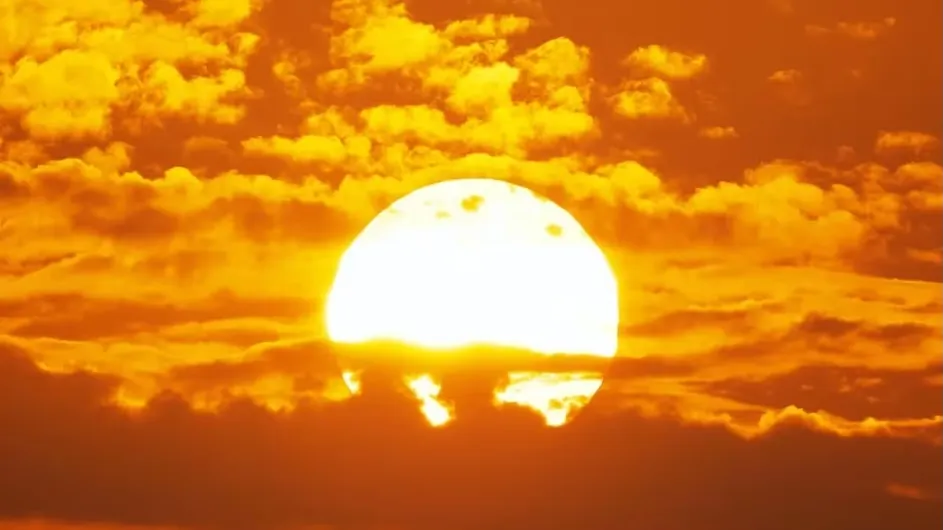
Extreme heat seasons have expanded across roughly half the world’s land area since the 1980s.
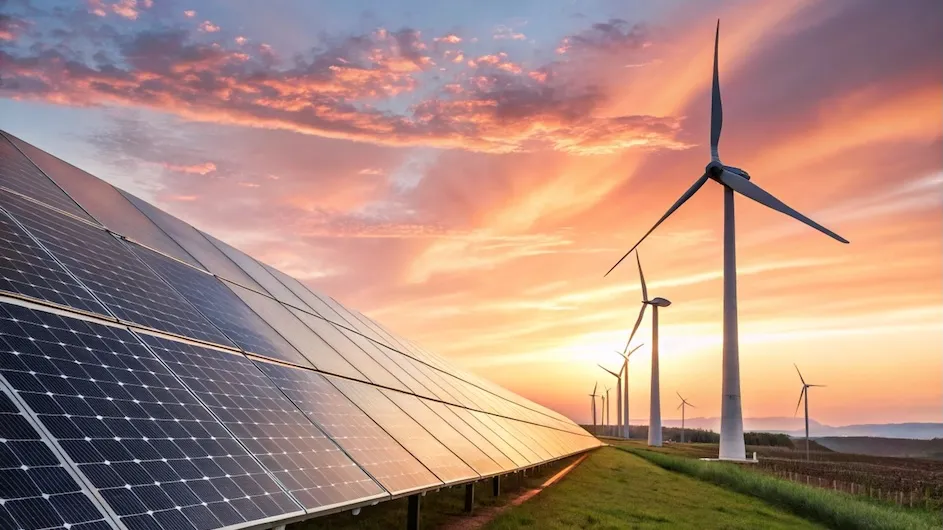
Columbia is hosting a range of events during the citywide summit, which takes place September 20-27.
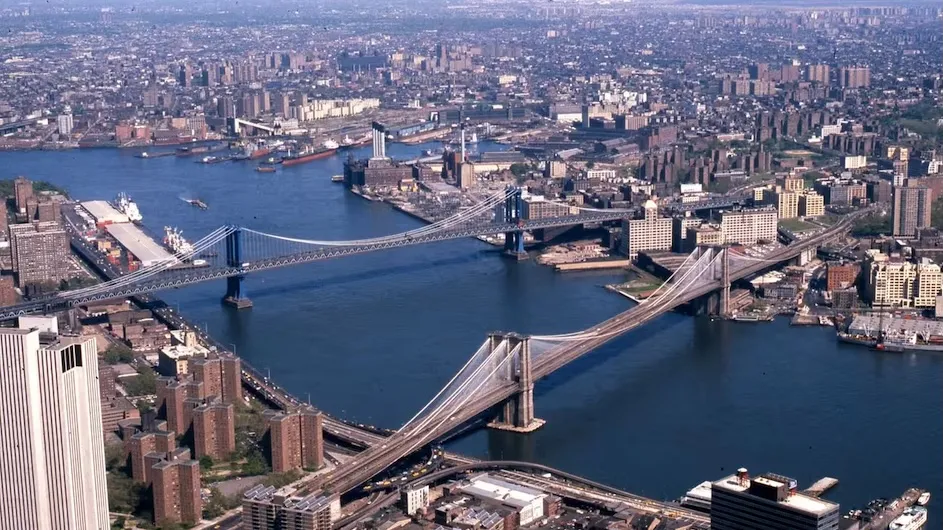
New Yorkers spent $300 million on natural gas they didn't use. Fixing this waste is a climate priority.
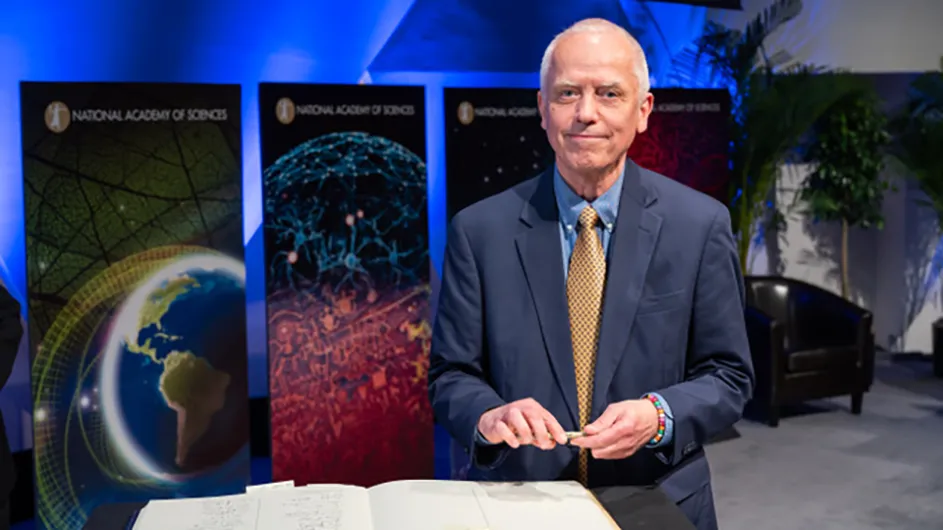
Professor Göran Ekström tracks incidents like landslides and glacier collapse using tools once used only to monitor earthquakes.
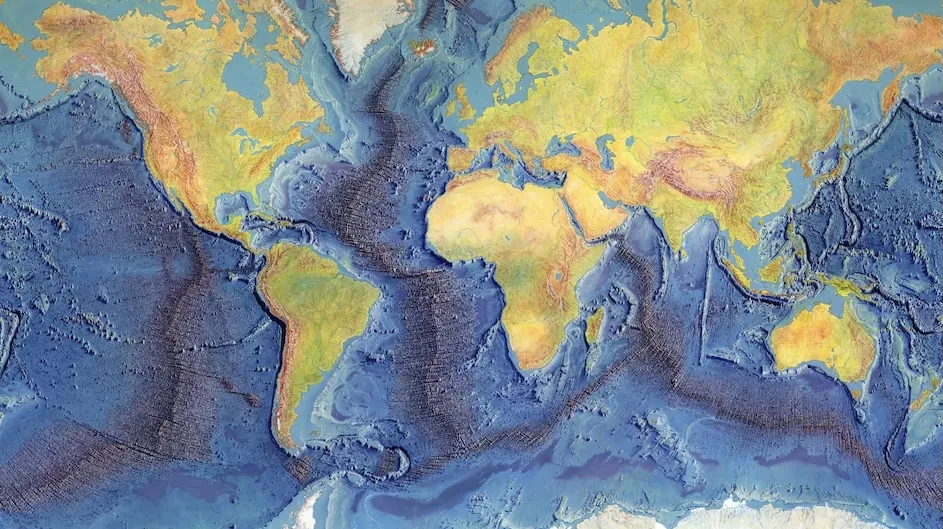
While at Columbia, Marie Tharp and Bruce C. Heezen produced a landmark ocean floor map. Explore it in this new interactive.
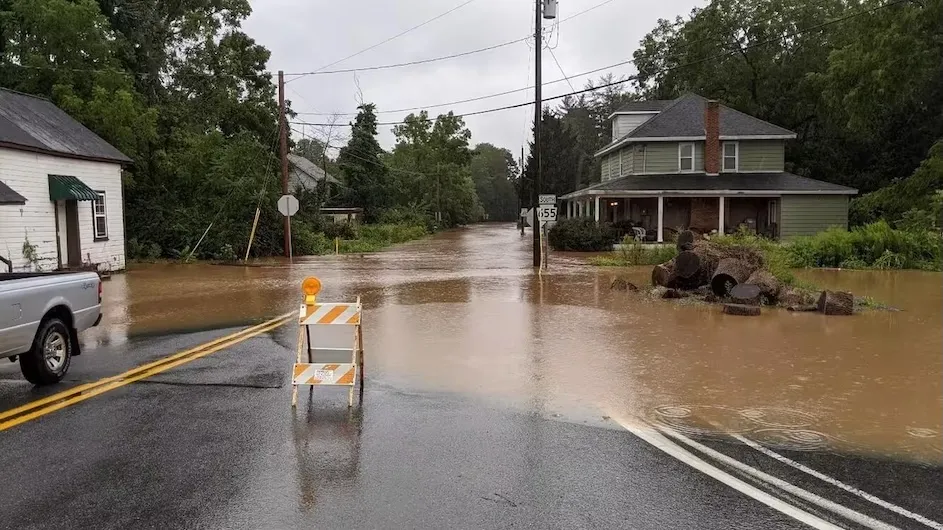
In a new study, Columbia University researchers found unexpected trends in storms with extreme precipitation.
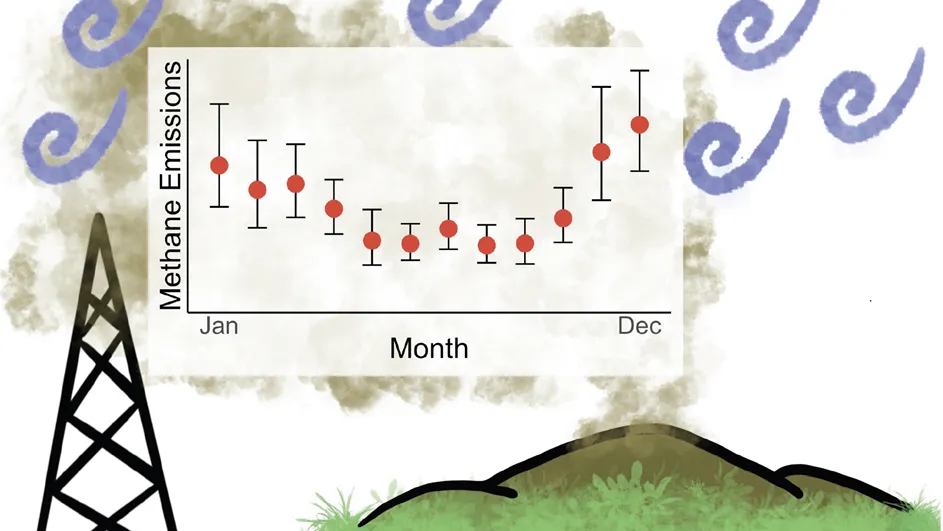
The findings suggest that short-term or “fair-weather” surveys may miss major landfill methane releases.
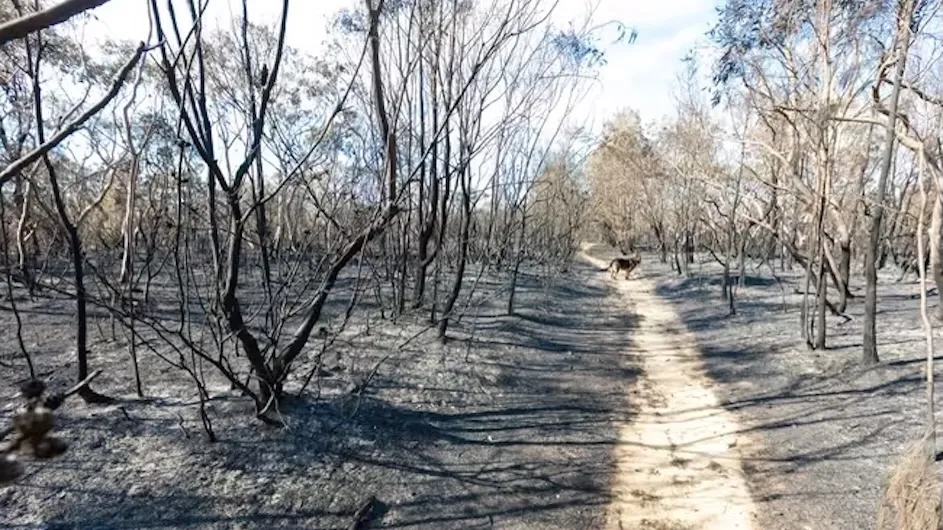
A new study found that warming has made the air drier in both places, which can make forests more likely to burn.