This page features news and research related to topics on economics at Columbia University.
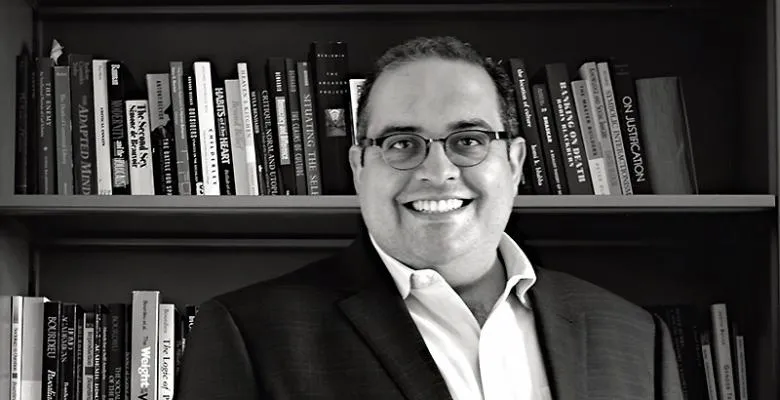
For years, scholars interested in the roots of economic inequality focused on extreme poverty. Then came the 2008 financial crisis and the Occupy Wall Street protests. By then, Shamus Khan was already studying the upper class.
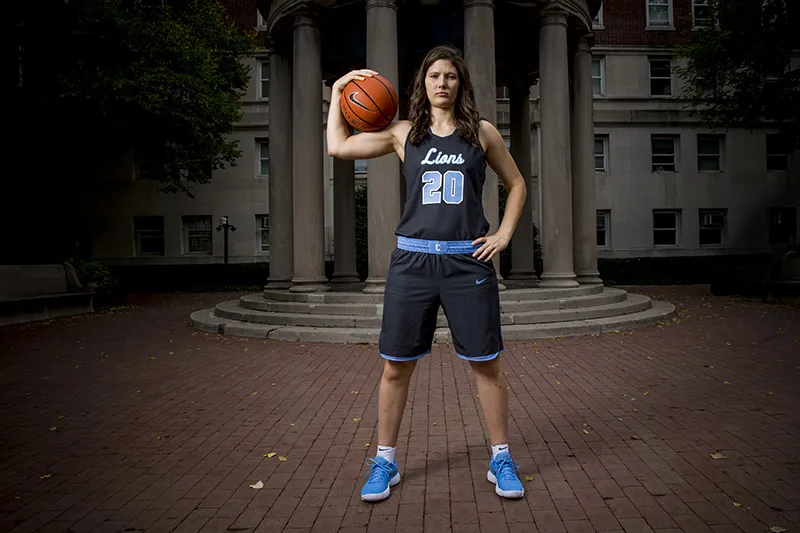
Basketball wasn’t even Camille Zimmerman’s favorite sport when she was growing up. Now she graduates as the highest-scoring player in Columbia history.
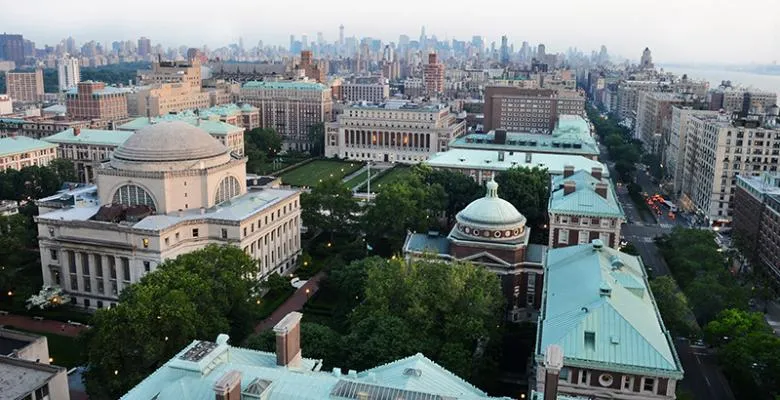
Columbia University opens the first buildings on its new Manhattanville campus.
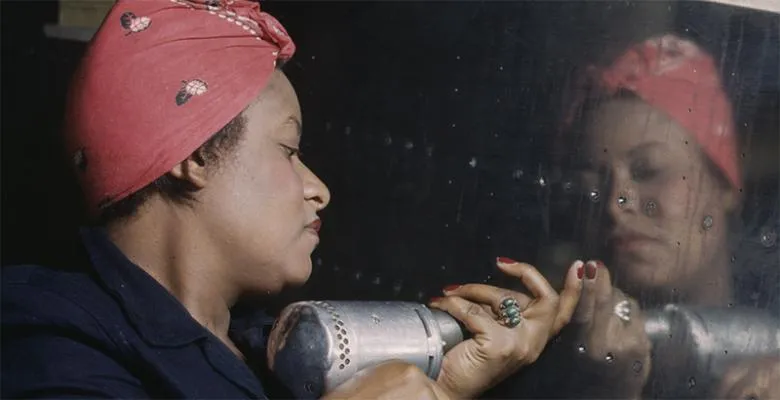
Alice Kessler-Harris set about amplifying the historical record of women through new methods of research.

A new study by the Milken Institute ranks Columbia University as number two in the country for commercializing science and technology emerging from university research labs. At the core of the Milken Institute’s ‘Concept to Commercialization: The Best Universities for Technology Transfer’ the Index uses key indicators of technology transfer, in order to compare public and private research universities’ success in fostering science - and technology - based economic development.
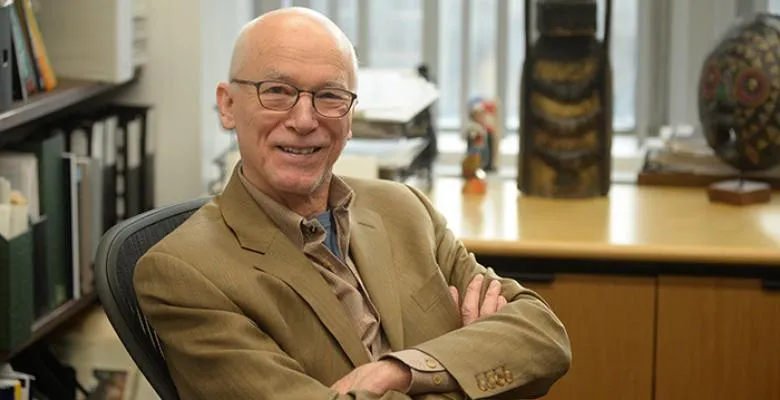
Geoffrey Heal studied physics and economics as an undergraduate, but has always cared deeply about the environment. “I’ve been interested in nature all my life,” he says. “As a kid I was buying binoculars and going bird watching and buying a little camera and taking pictures of birds and things like that.”
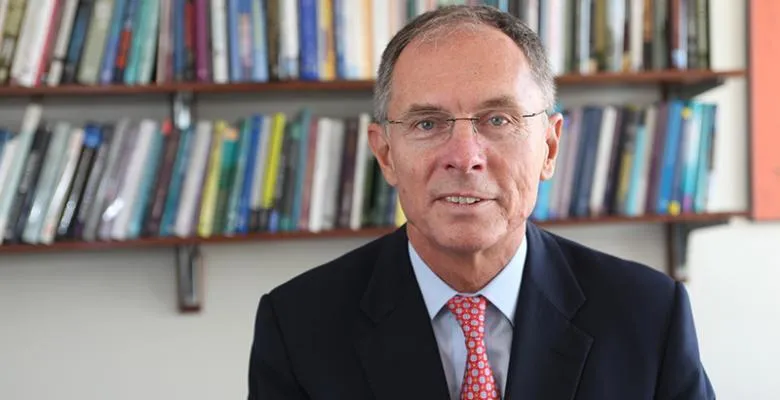
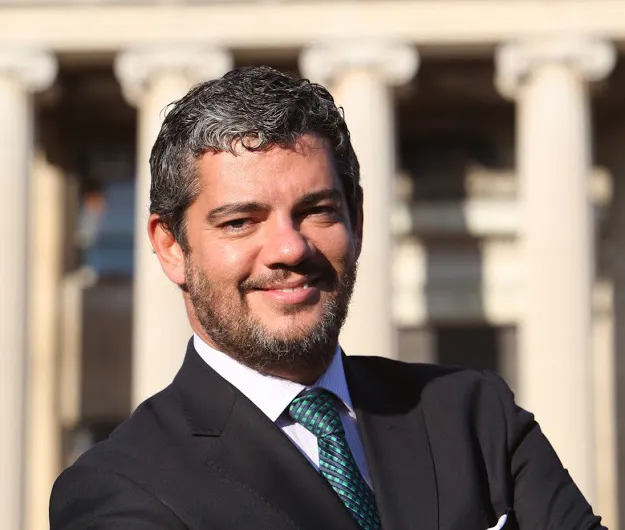
Marcos Troyjo, co-director of the BRIClab at the School of International and Public Affairs and an adjunct professor, explains what is going on with Brazil’s economy. A former press secretary at the Brazilian Mission to the United Nations and chief of staff of the Science and Technology Department of Brazil’s Ministry of Foreign Affairs, he joined Columbia University in 2006 as a visiting scholar.
Challenges facing the EU today, including issues with refugees and migrants arriving in Europe, are addressed by the European Institute Director and Professor at Columbia University Adam Tooze and European Commission First Vice-President Frans Timmermans on Sept. 28, 2015 at La Maison Française.
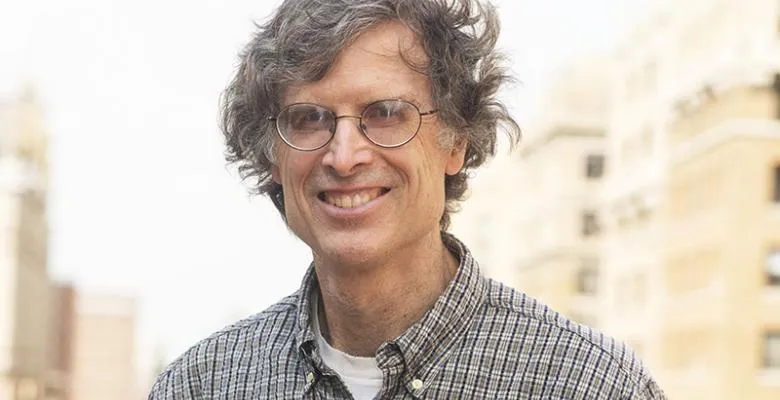
Brendan O’Flaherty was a teenager in Newark, N.J. in the 1960s, when the city was engulfed by racially charged political battles and violence. In 1967, racial tensions and allegations of police brutality sparked five days of riots that left 26 dead and hundreds injured, leaving the once-vibrant core of New Jersey’s largest city with enduring scars.
A behavioral economist, Wojciech Kupczuk, studies how people make financial choices, particularly having to do with wealth transfer, inheritance and savings decisions—all issues that affect an aging population.