Recent engineering news from across Columbia.
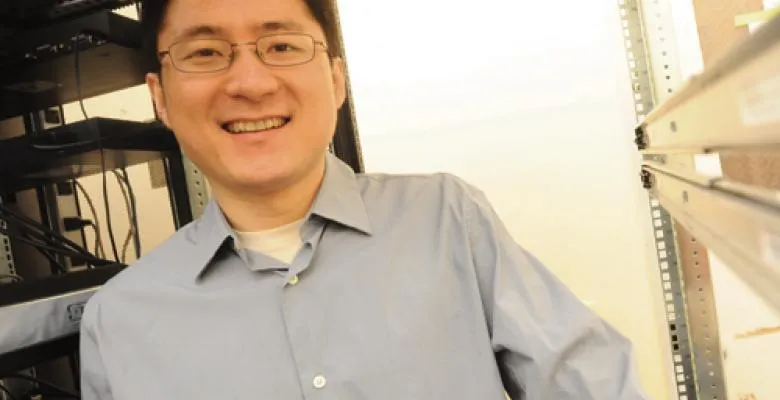
Anyone who uses multithreaded computer programs—and that’s all of us, as these are the programs that power nearly all software applications including Office, Windows, MacOS, and Google Chrome Browser, and web services like Google Search, Microsoft Bing, and iCloud—knows well the frustration of computer crashes, bugs, and other aggravating problems.
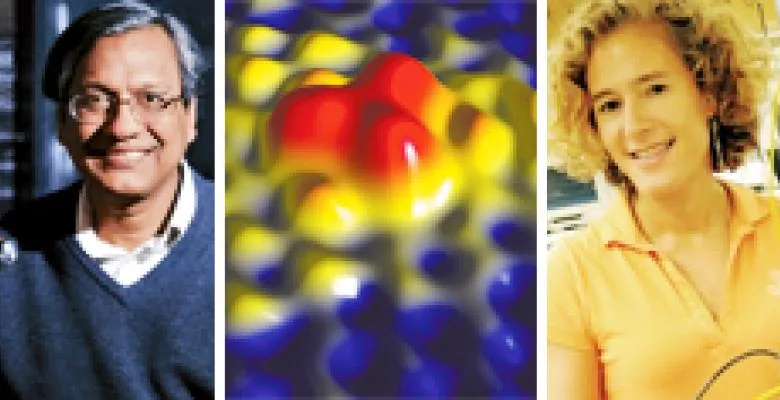
In September, Popular Science named Eitan Grinspun to its “Brilliant 10” list of top researchers in the U.S. Calling him a “computational contortionist,” the magazine lauded the associate professor of computer science at Columbia Engineering School for helping to create an entirely new field of geometry.
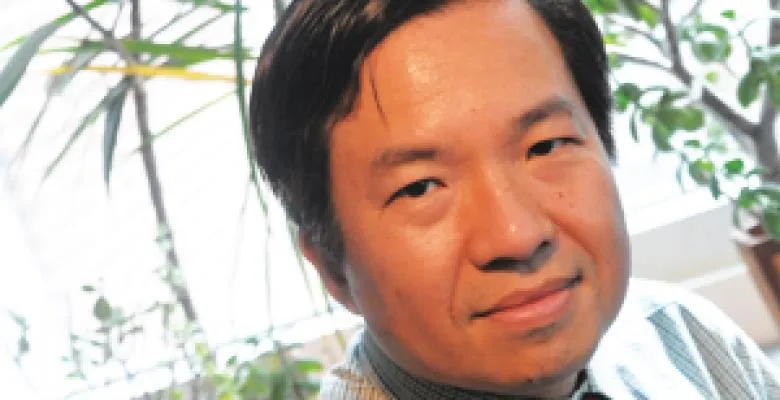
Engineering professor Shih-Fu Chang is trying to make visual search technology as effortless as typing a keyword like “Morningside restaurants” into Google.

Vijay Modi, a professor of mechanical engineering, is working to create sustainable energy models for cities, such as New York, where current infrastructure will not be able to support future demand, and for countries as far away as Tanzania, where power costs are high and energy is inefficient.
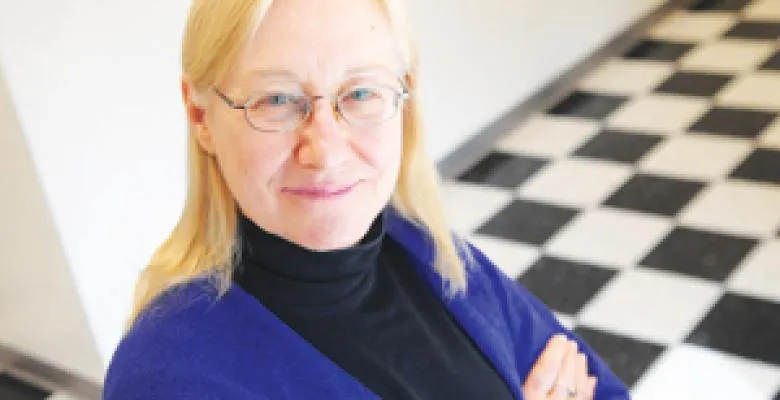
“The best liars are the people who tell the truth most of the time,” said Hirschberg, who is teaching Computational Approaches to Emotional Speech at the Engineering School this term.
Steven Bellovin always had a knack for catching computer hackers—even before most people knew what they were.
Columbia is one of several universities that are responding to Mayor Bloomberg’s call for proposals to develop a new applied science campus in New York City.

A new study co-authored by Columbia Engineering professor Kartik Chandran and recently published in the journal, Environmental Science & Technology, shows that reducing nitrogen pollution generated by wastewater treatment plants can come with "sizable" economic benefits, as well as the expected benefits for the environment.
Researchers at Columbia Engineering School have demonstrated that light can travel on an artificial material without leaving a trace under certain conditions, technology that would have many applications from the military to telecommunications.
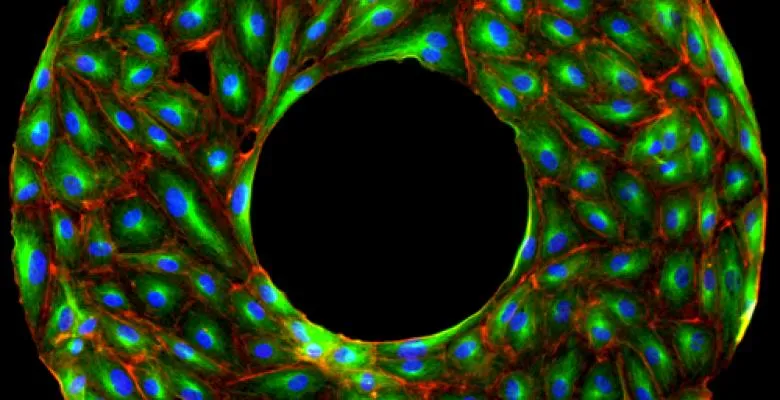
A team of researchers led by Gordana Vunjak-Novakovic has developed a new technique to evaluate human stem cells using cell micropatterning — a simple but powerful in vitro tool that will enable scientists to study the initiation of left-right asymmetry during tissue formation, to diagnose disease, and to study factors that could lead to certain birth defects.