Recent engineering news from across Columbia.
Shree Nayar has designed a camera that could improve the way children learn about science and one another.
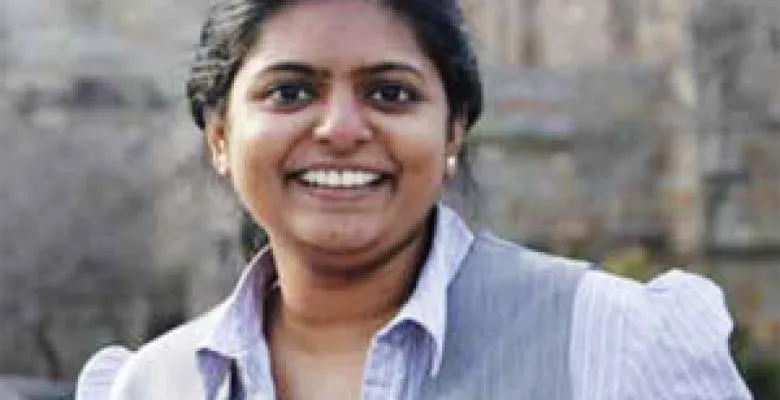
This May, Rashmi Raman will become one of the first graduates of the two-year program with Columbia Engineering that aims to teach professionals the technical aspects of both digital media and news production.
From the chimera in Greek mythology to the sphinx in ancient Egypt, humans have imagined making creatures from pieces of different organisms for millennia.
Civil Engineering and Engineering Mechanics Professor Patricia J. Culligan and her doctoral student, Robert Elliott, were part of an interdisciplinary team that included members of the Aquanauts student group at Columbia University whose design proposal was recognized for innovative technology in a green roof competition sponsored by the U.S. Environmental Protection Agency (EPA).
Columbia University President Lee C. Bollinger today announced his appointment of Mary Cunningham Boyce as the new Dean of the Fu Foundation School of Engineering and Applied Science, effective July 1, 2013.
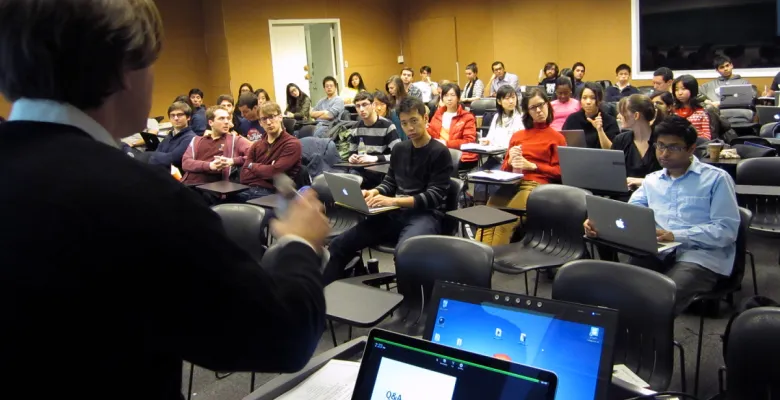
After a comprehensive review of the nation’s top universities and research institutions, the National Science Foundation has awarded $3.74 million to Columbia University, City University of New York, and New York University for a three-year research-to-startup initiative.
A new study by Columbia Engineering researchers finds that the infant brain does not control its blood flow in the same way as the adult brain.
Researchers at Columbia Engineering and Georgia Institute of Technology have published a study in the February 4 online Early Edition of Proceedings of the National Academy of Sciences (PNAS) showing—for the first time—that certain volatile organic gases can promote cloud formation in a way never considered before by atmospheric scientists.
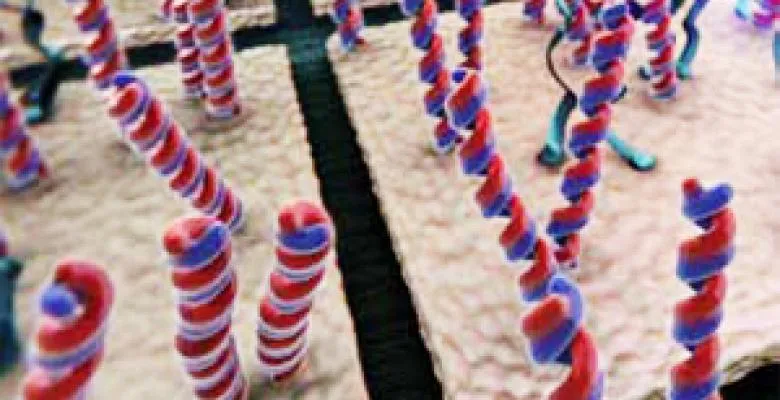
Ken Shepard's research focuses on finding new applications for integrated circuits, or chips. Semiconductor research has, he says, “focused on using integrated circuits for building computers and communication devices like cell phones, but what we haven’t really explored is how we can use them for biotechnology.”
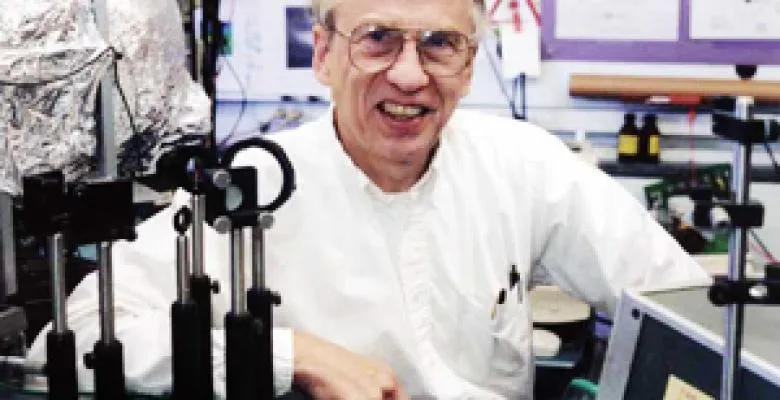
Jim Yardley has seen firsthand how the nanotechnology field has exploded over the past decade. “It’s extremely exciting,” says the managing director of Columbia’s Nanoscale Science and Engineering Center.
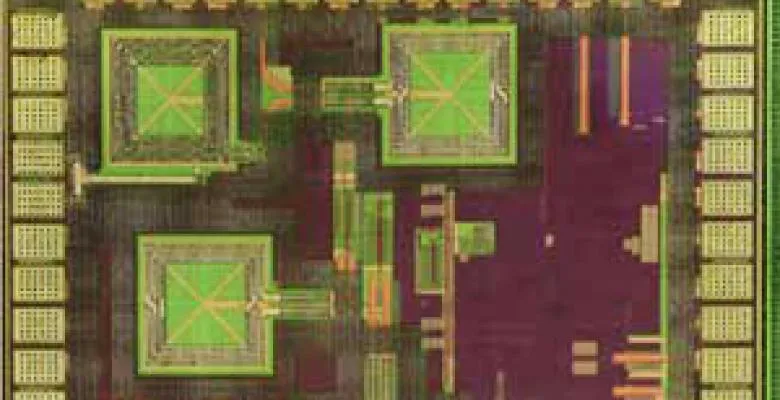
It’s relatively simple to build a device capable of detecting wireless signals if you don’t mind making one that consumes lots of power. It’s not so easy to design energy-efficient devices that function as well as the components they replace, or to do it at the nano scale.
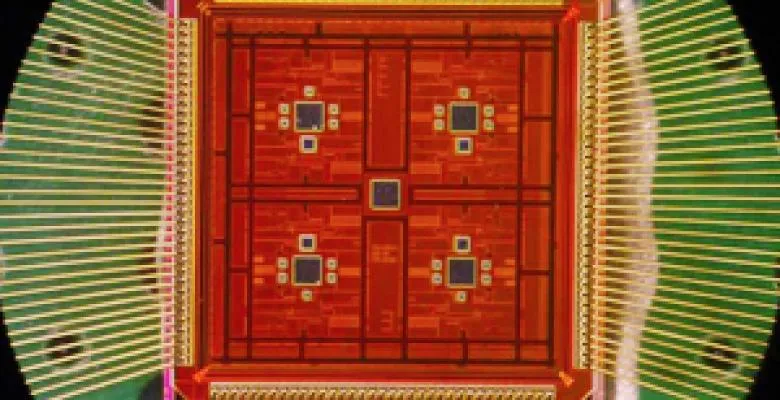
“The development of this new technology over the past decade has brought us to the edge of fantastic new discoveries,” said Michael Purdy, the University’s executive vice president of research. “This is revolutionary. That means that Columbia has to be at the lead, just as we have been in nuclear physics and as we are in climate change.”