Recent engineering news from across Columbia.
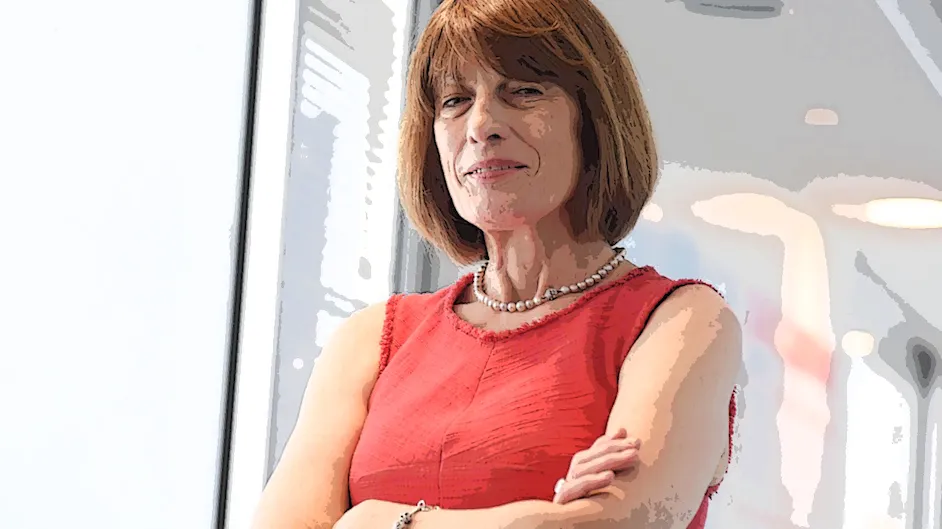
How engineers are working with biologists and oncologists to model the progression of cancer and uncover new treatments.

Columbia researchers discover a new way to program light on an ultra-small scale.

An engineering student takes a gap year to work for a renewable energy startup while looking forward to returning to Columbia.
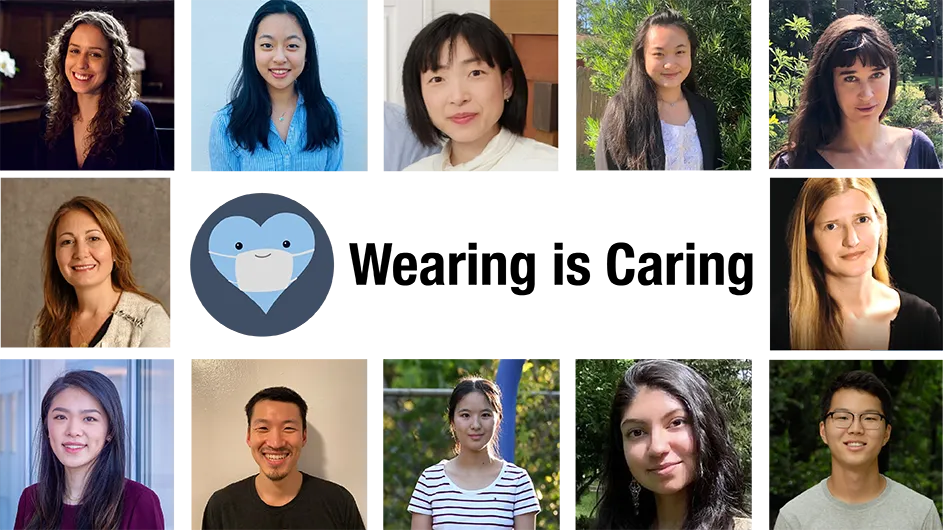
Wearing is Caring, a PR campaign that breaks down the science behind how face coverings can combat coronavirus, has reached more than 1 million people via social media.
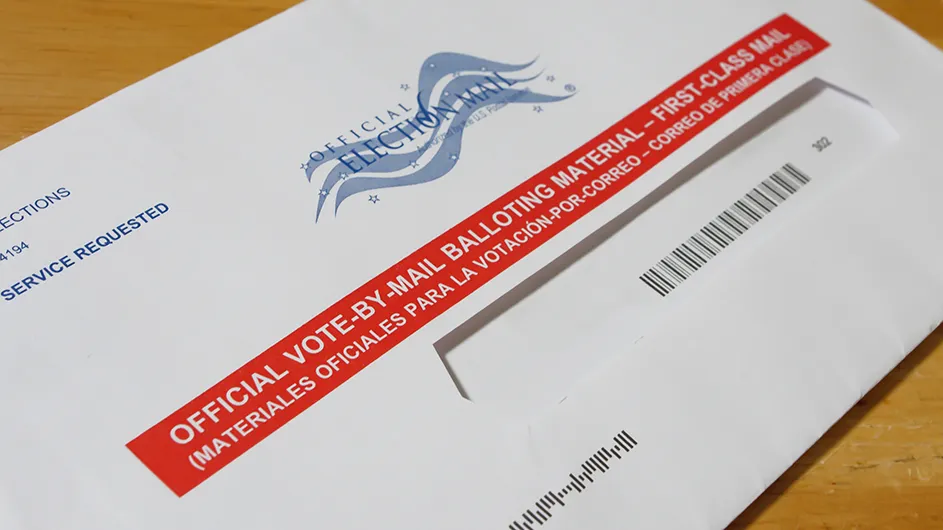
A Columbia security expert explains why he has confidence in the voting system.
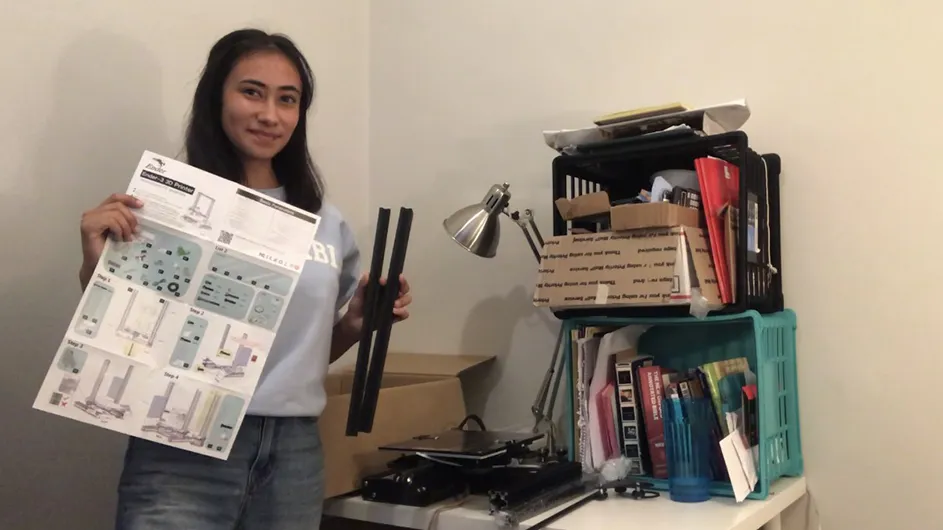
Yevgeniy Yesilevskiy, a lecturer in the department of mechanical engineering, discusses the kits sent to students learning remotely around the U.S. and the world so they can design projects at home.
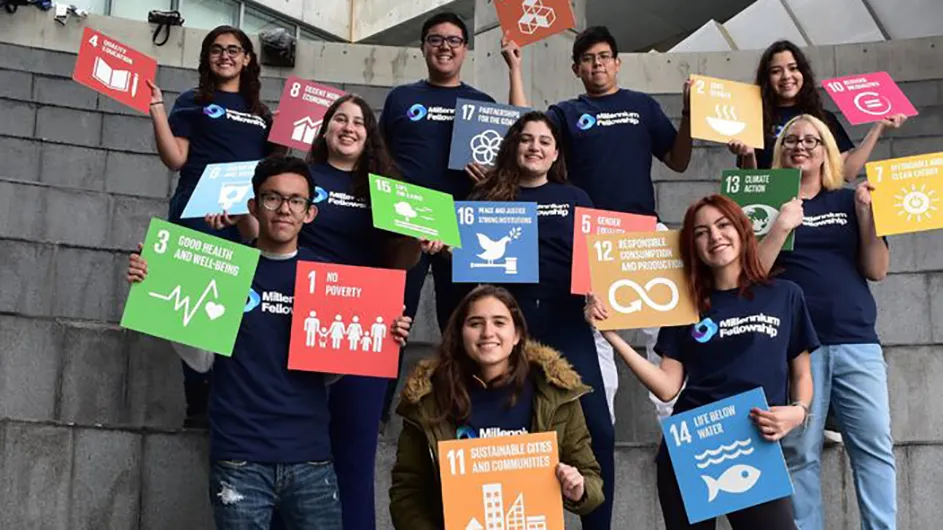
Meet two of the more than 1,400 students, representing 80 universities worldwide, who are deeply committed to social impact, sustainable development, and climate change.
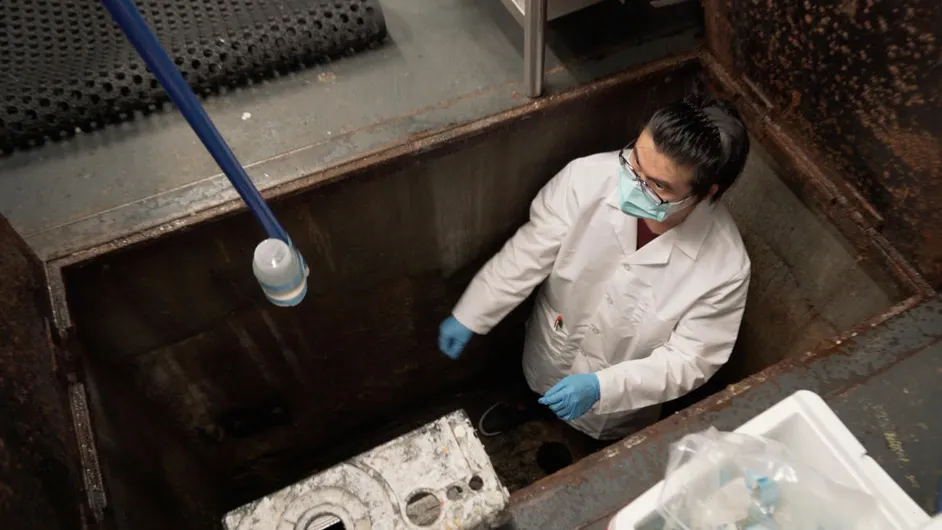
The University will routinely monitor sewage leaving student dormitories to head off outbreaks of COVID-19.

Three University researchers have joined a $115 million DOE-funded center that will pioneer quantum technologies that could benefit national security, pharmaceutical development, and more.
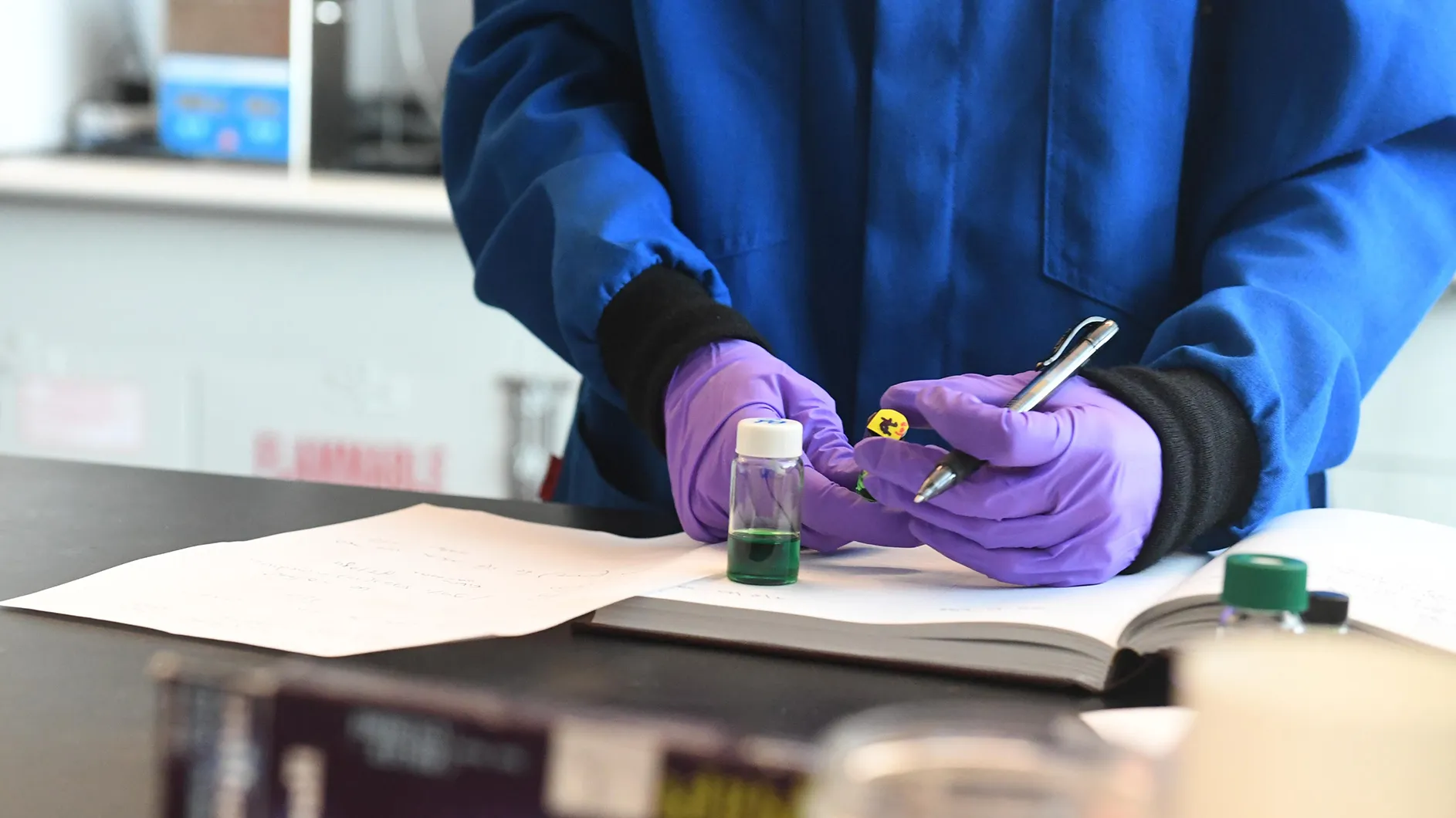
As Columbia labs reopen, scientists talk about the challenges and some surprising benefits, of working remotely and how they are adjusting to the new normal.
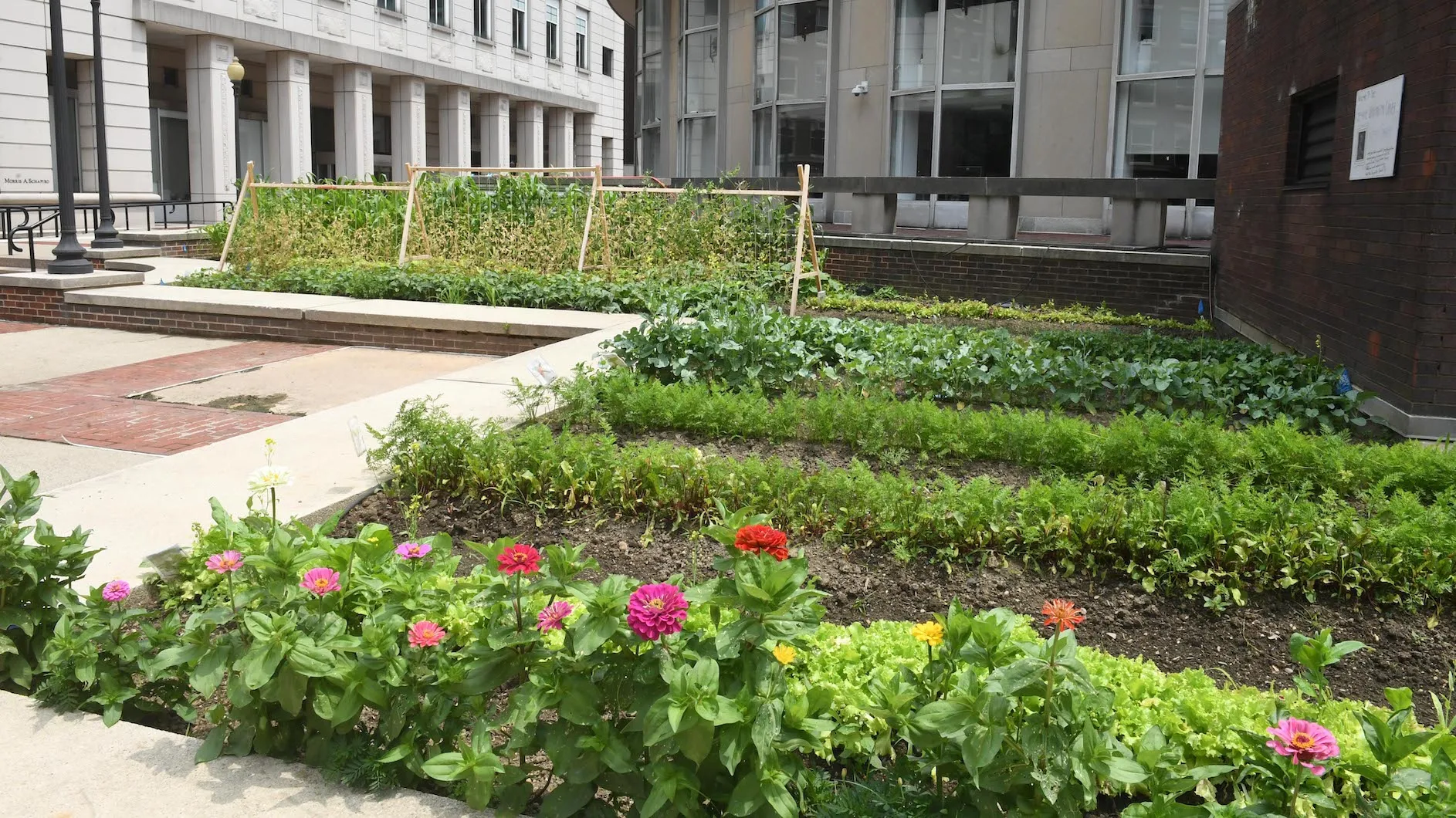
A professor in engineering (with a long family history of gardening) finds a small, empty plot of land on campus and grows a lush garden.
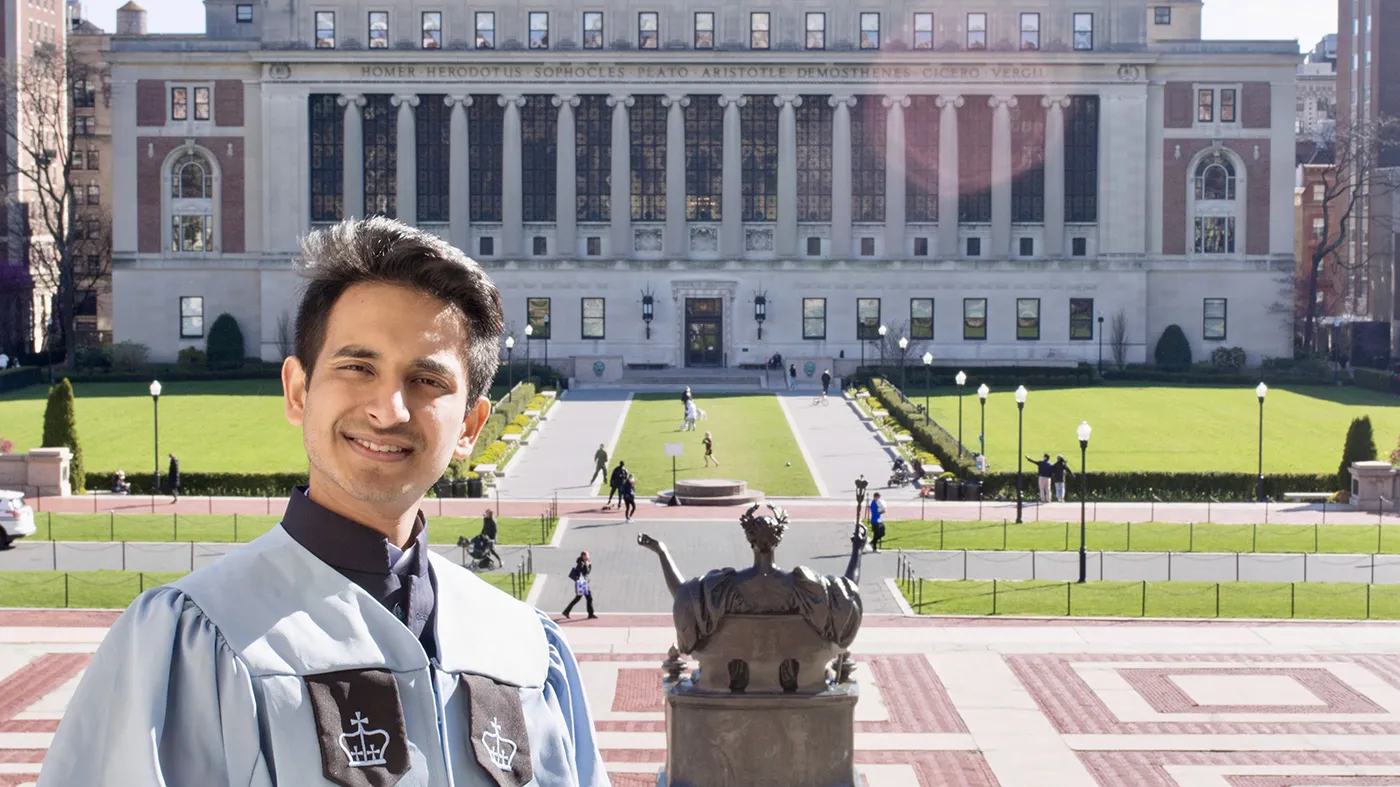
Columbia Engineering's senior class president reminisces about everything that Columbia has represented for him.