Recent news about neuroscience and the brain from across Columbia.
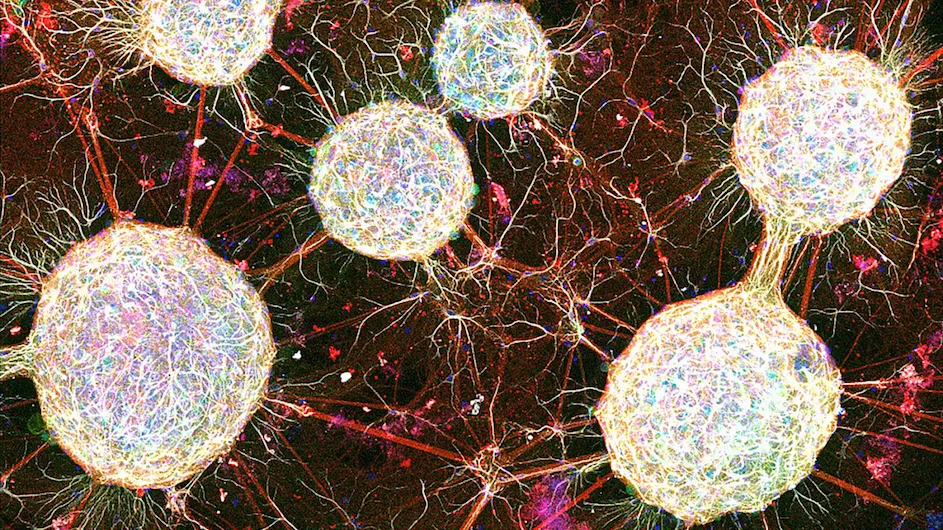
A chance observation spawns a versatile new strategy for taking on some of humanity’s most vexing psychiatric disorders.
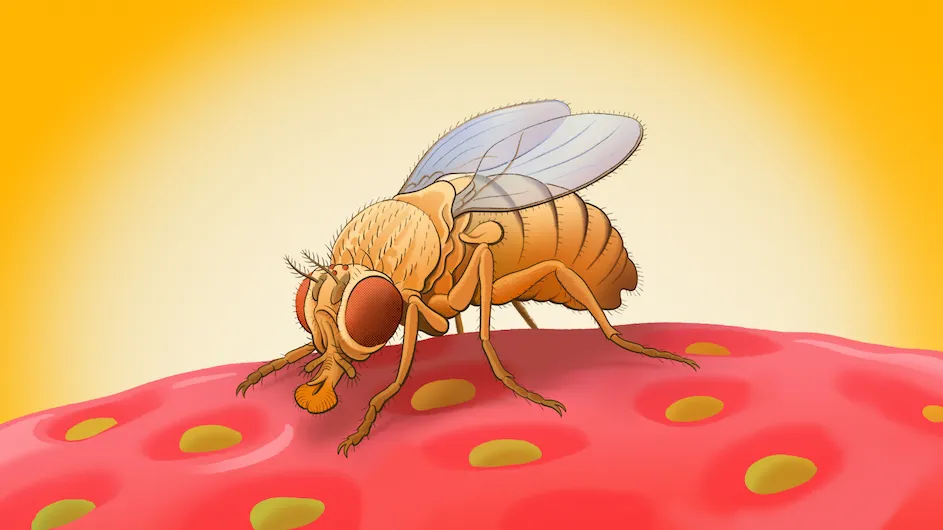
As you squash the fruit flies invading your kitchen this summer, take a moment to revere them.
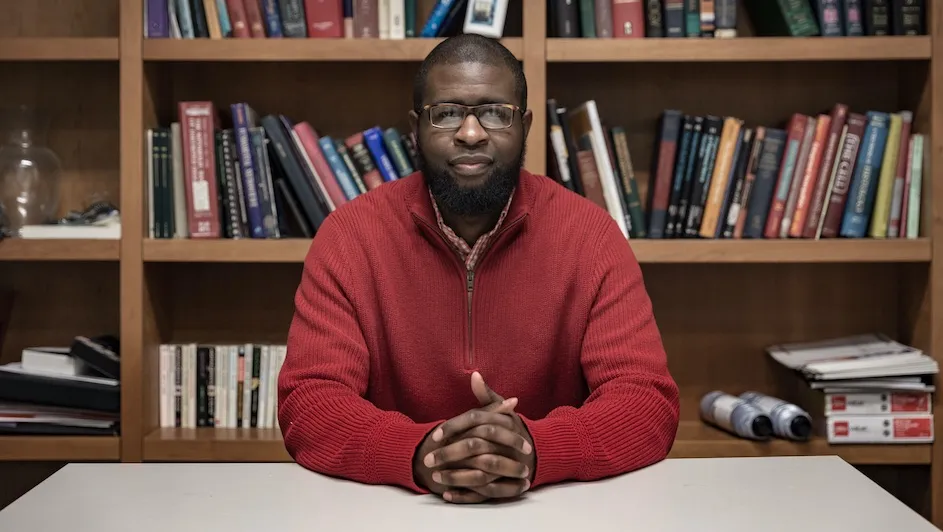
The Abdus-Saboor lab will explore how the brain processes the physical sensation and emotional experience of pain.
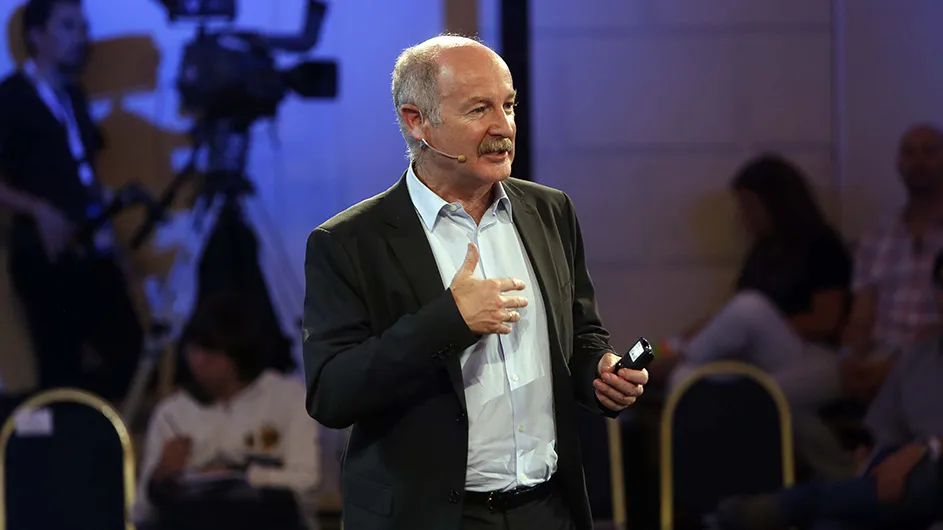
Rafael Yuste, professor of biological sciences and director of Columbia's NeuroTechnology Center, has coauthored a report commissioned by the U.N. secretary general.
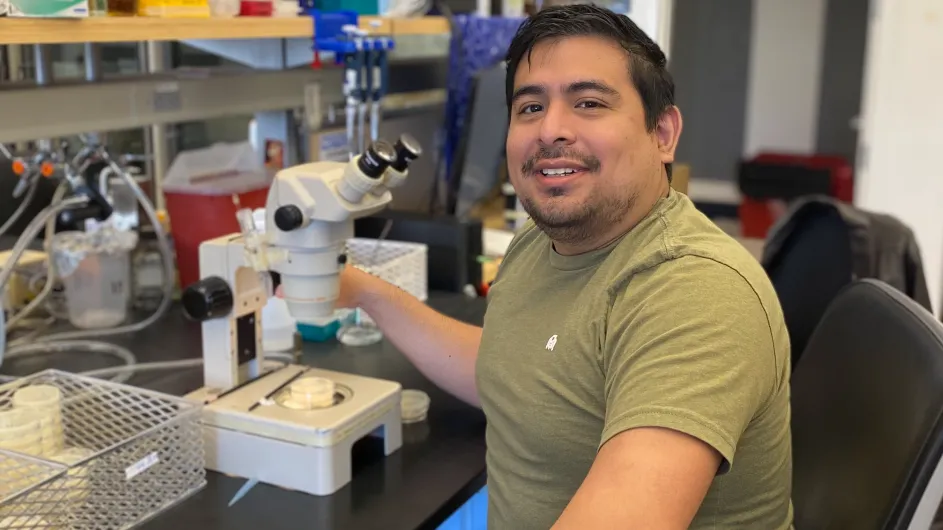
Postdoc Robert Fernandez studies the nervous system of roundworms and helps students from underrepresented backgrounds pursue science.
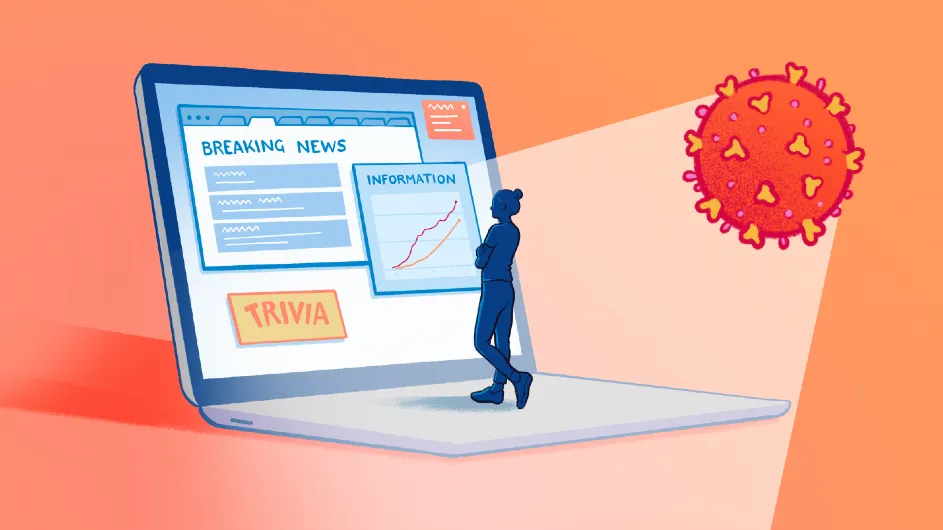
When motivated to seek specific information, people tend to also become receptive to more information types.
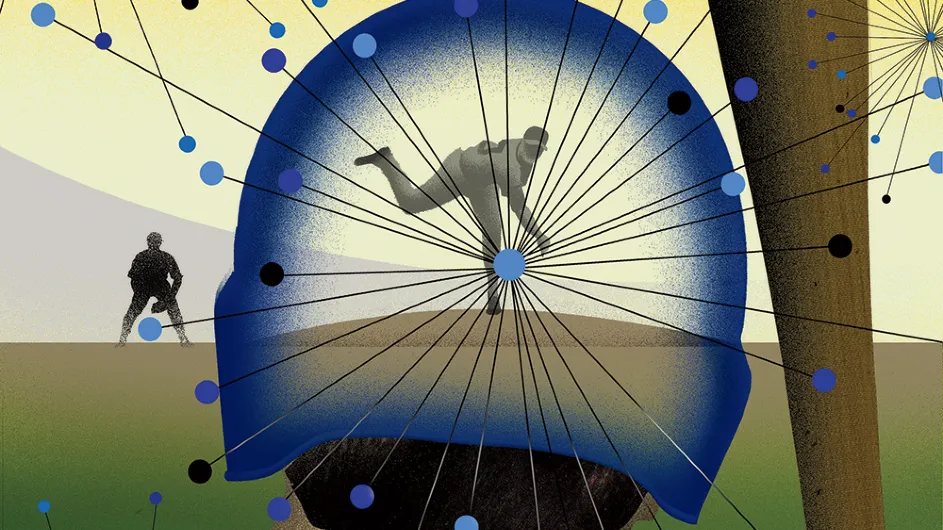
What neuroscience and psychology can tell us about baseball – and ourselves.
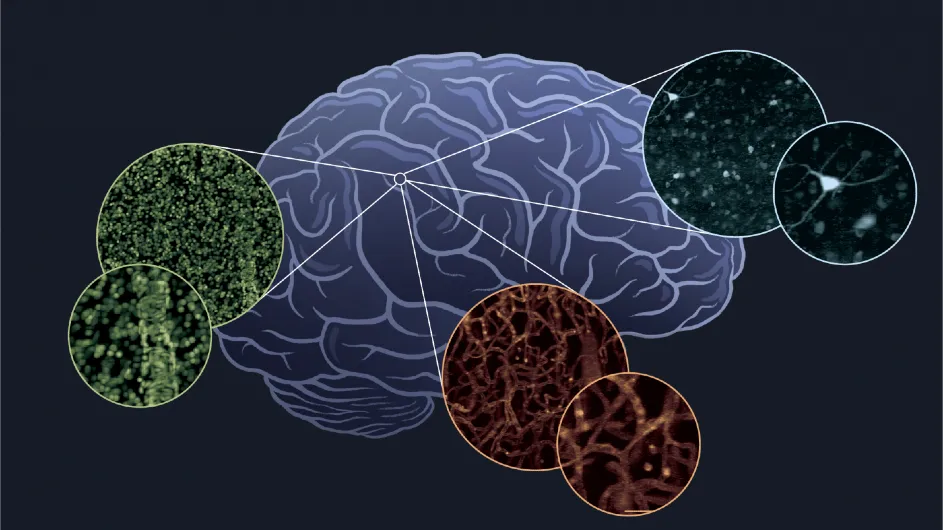
Columbia’s Zuckerman Institute and collaborators have won a $9.1 million grant to develop entirely new maps of the brain.
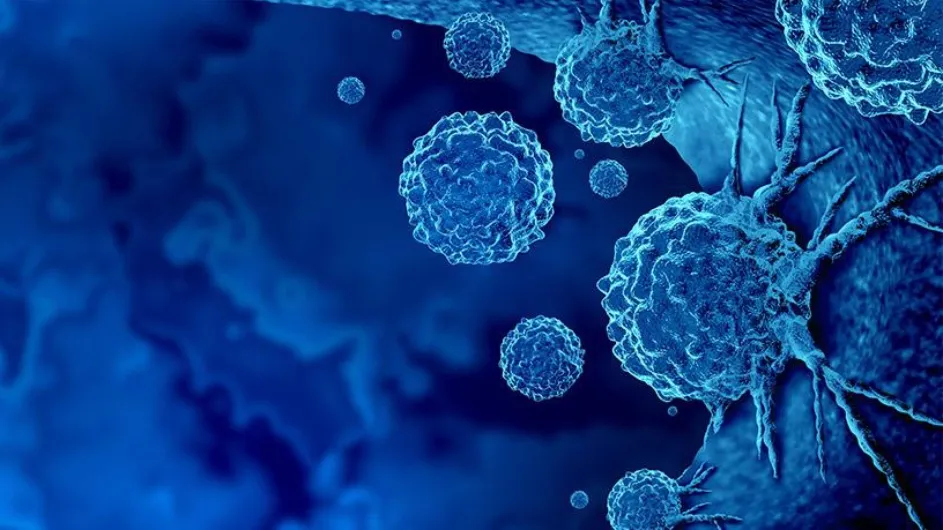
A high-speed 3D microscope developed at Columbia could transform surgery and tissue analysis.
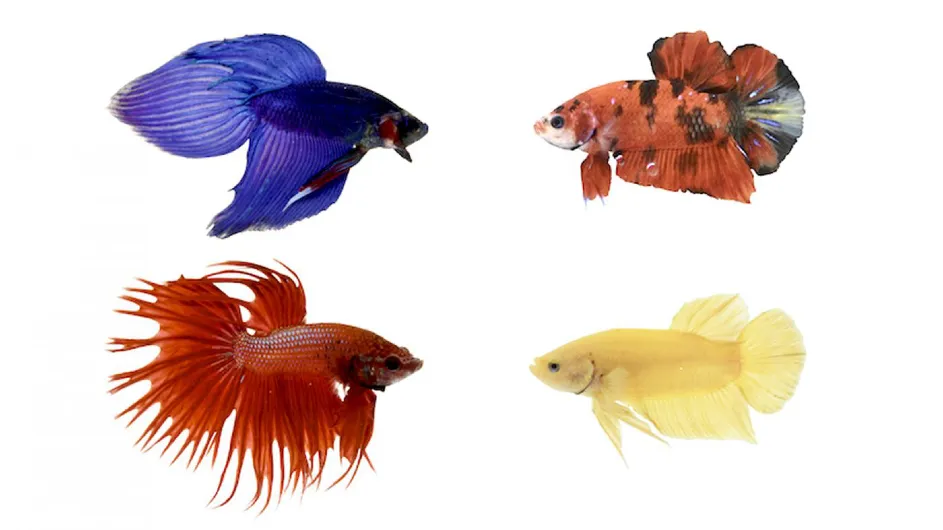
Researchers have identified the genes that make domesticated bettas' colors and shapes more flamboyant than those of their wild cousins.
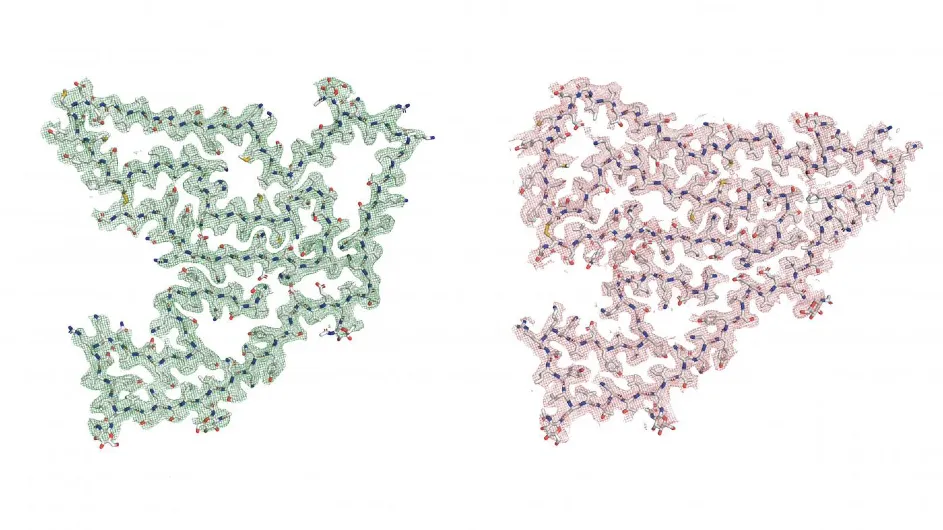
A protein normally involved in clearing cells of molecular debris can clump into fibrils, potentially hobbling cells.
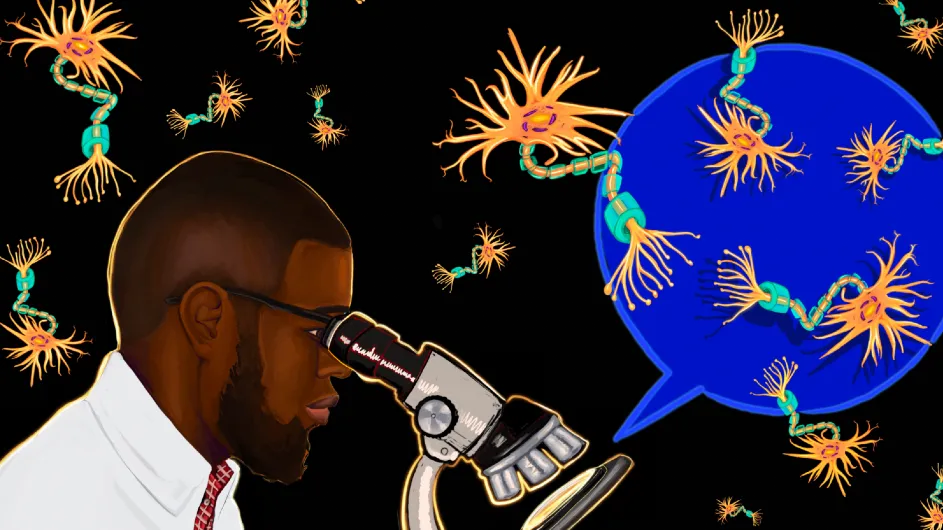
Abdus-Saboor, a neurobiologist, traces his path to Columbia and explains his fascination with a rodent that rarely feels pain.