Recent news about neuroscience and the brain from across Columbia.

In his new book, Dr. Richard Ambron explains the science of how and why people feel pain, and examines the most recent discoveries in the field.
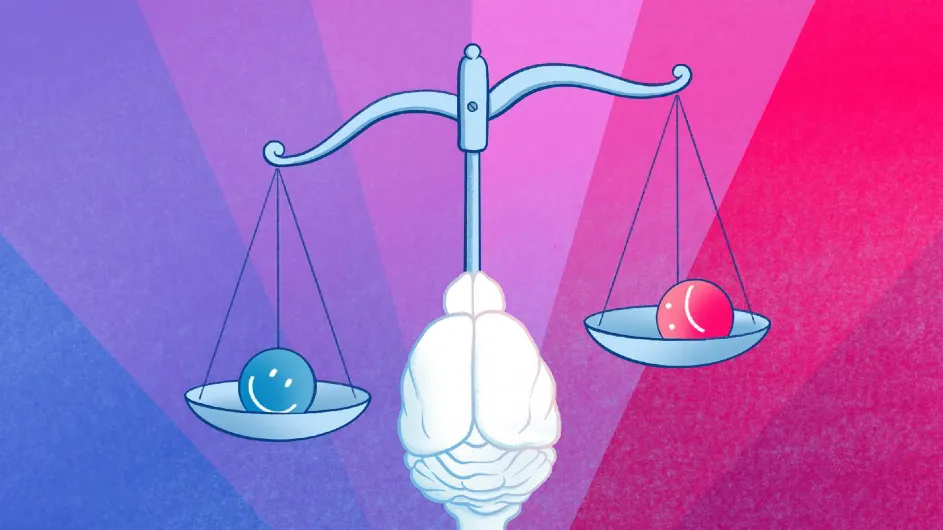
New method for assessing pain and pain relief uncovers a neurological legacy of drug use, passed down genetically to male offspring.
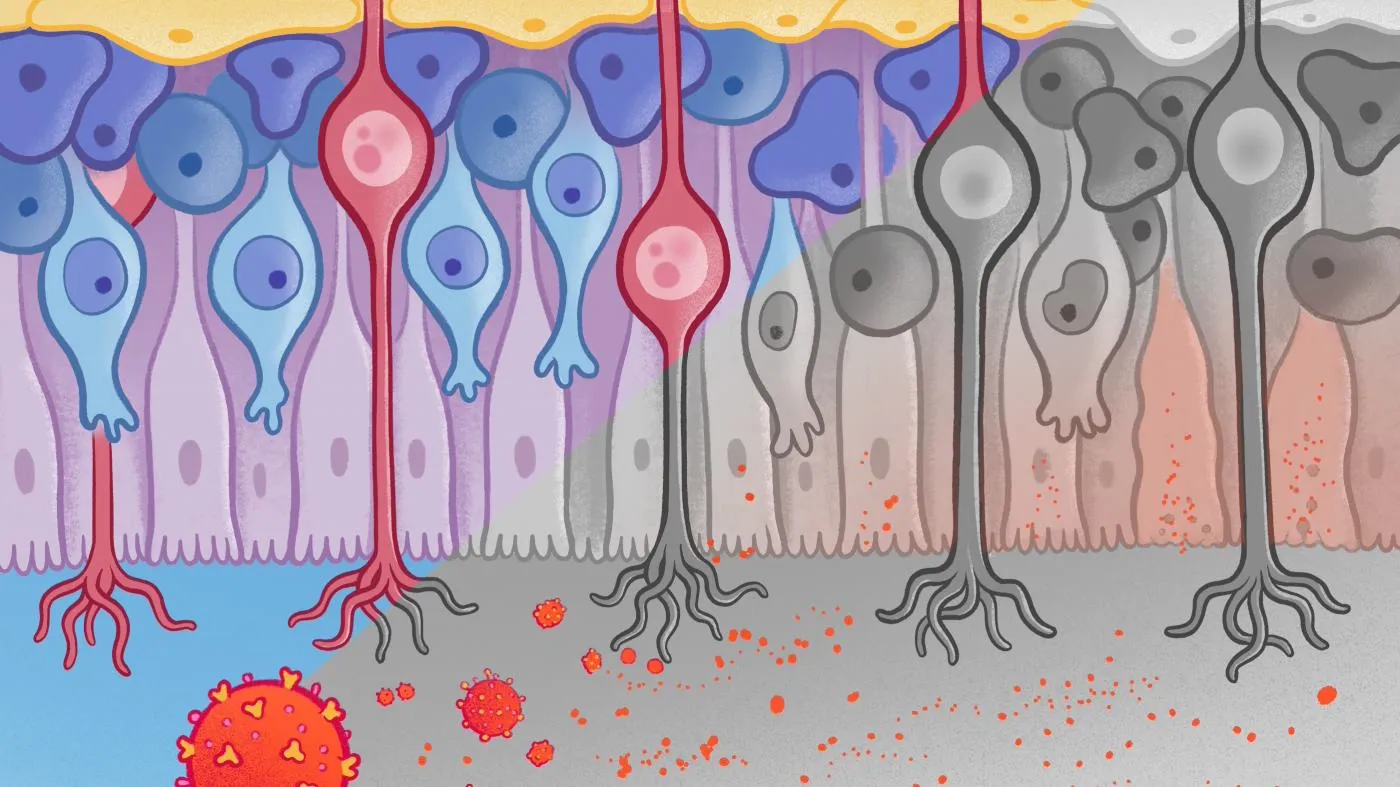
Researchers at the Zuckerman Institute tease out the mechanisms that underlie one of the virus's signature symptoms.
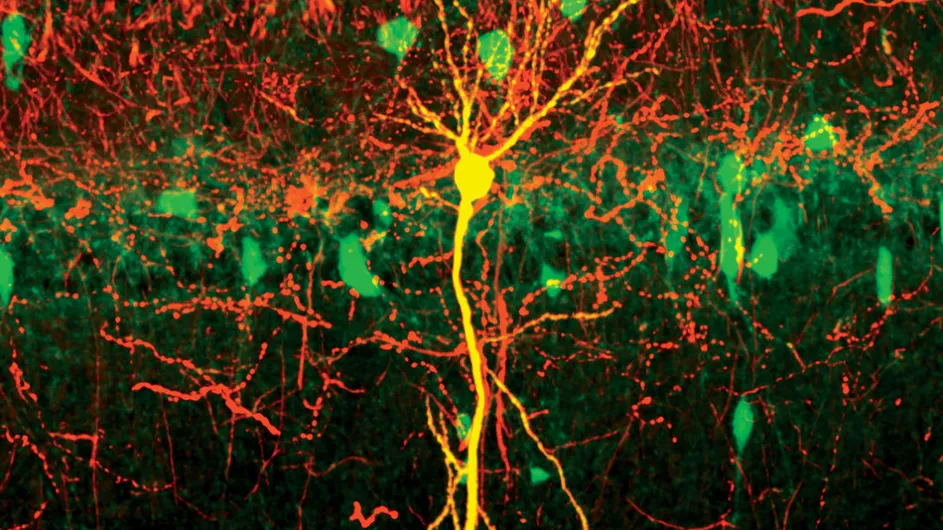
Columbia neuroscientists have figured out how to visually map memory formation.
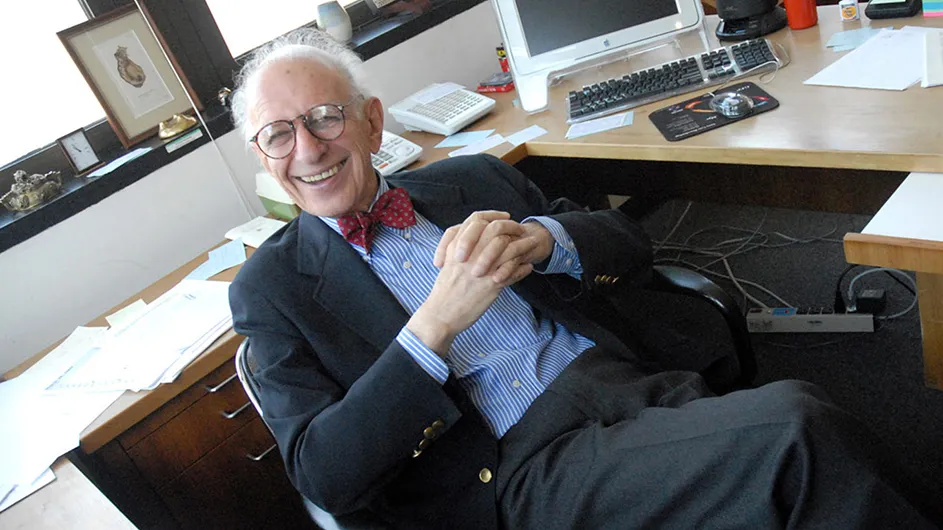
According to neuroscientist Eric Kandel’s new book, the answer is a resounding yes.
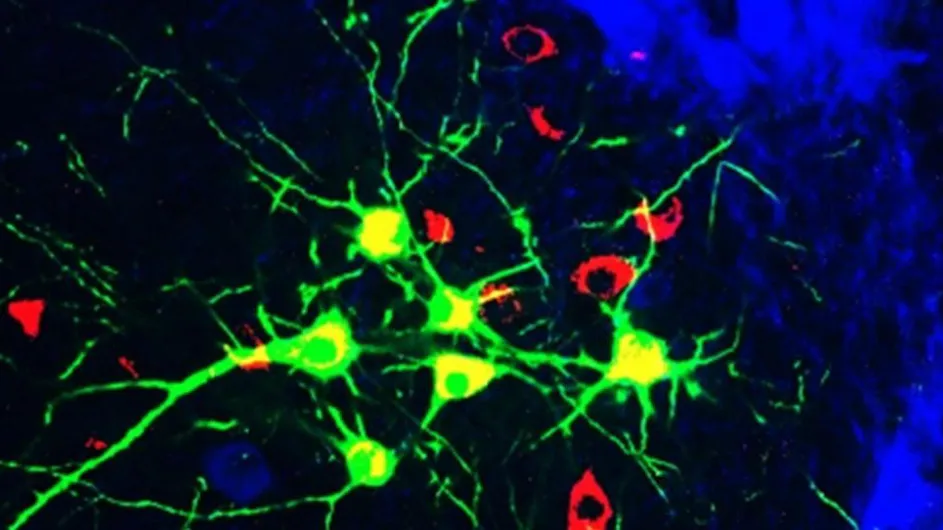
A single type of neuron is responsible for keeping our legs in lockstep, new research shows.
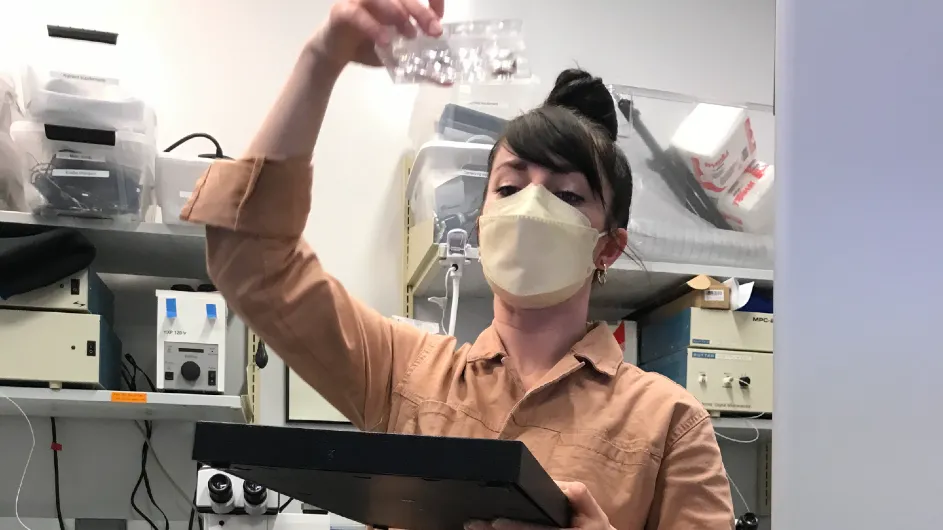
Tessa Montague, a postdoc at the Zuckerman Institute, studies the neural basis of camouflage in cuttlefish.
New insights into the genetic architecture of schizophrenia could pave the way for predicting who is at risk of developing the disease.
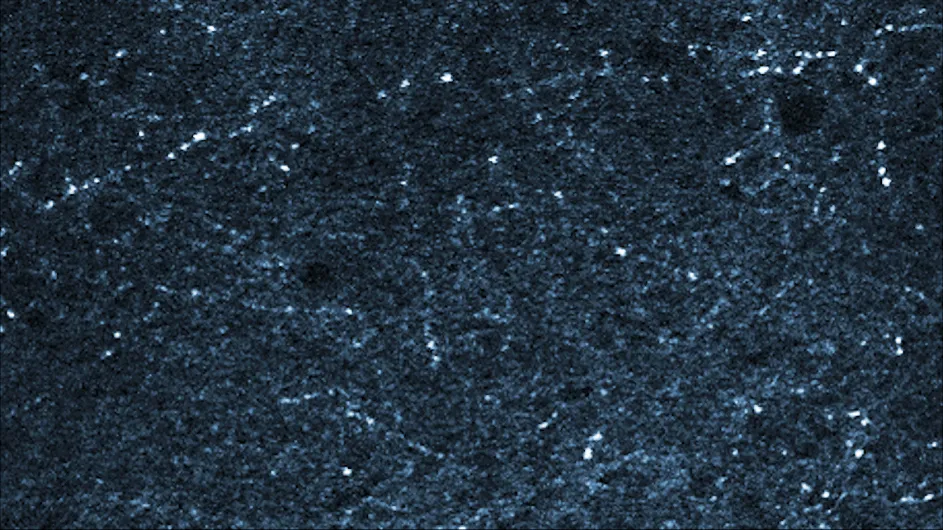
A study sheds light on how the brain remembers key information which might one day help treat memory disorders.
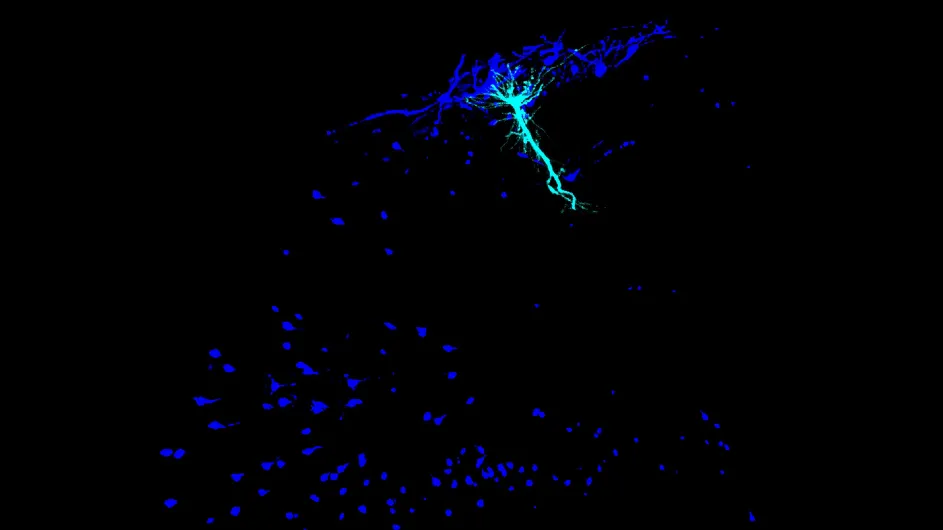
Researchers at the Zuckerman Institute find unexpected connections among brain cells that record memories of places in mice.
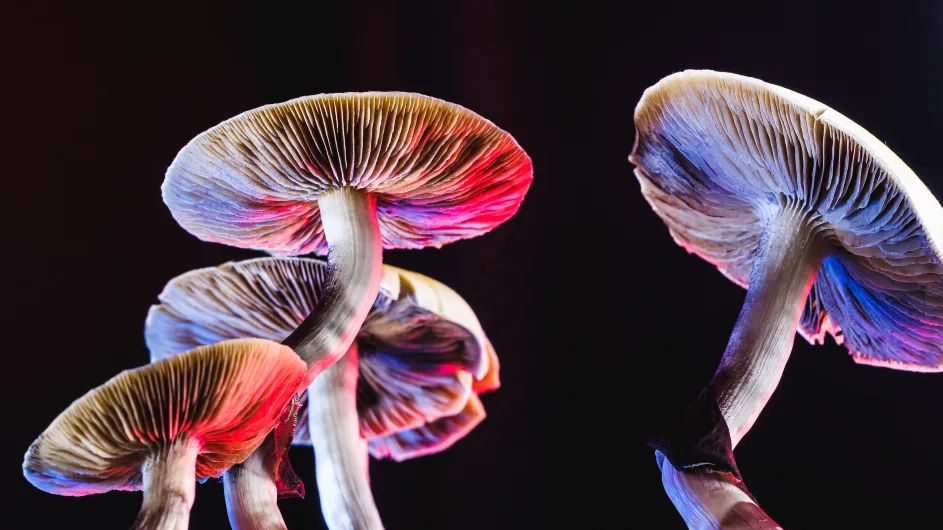
A single dose of psilocybin, combined with psychological support, was found to significantly reduced depressive symptoms.
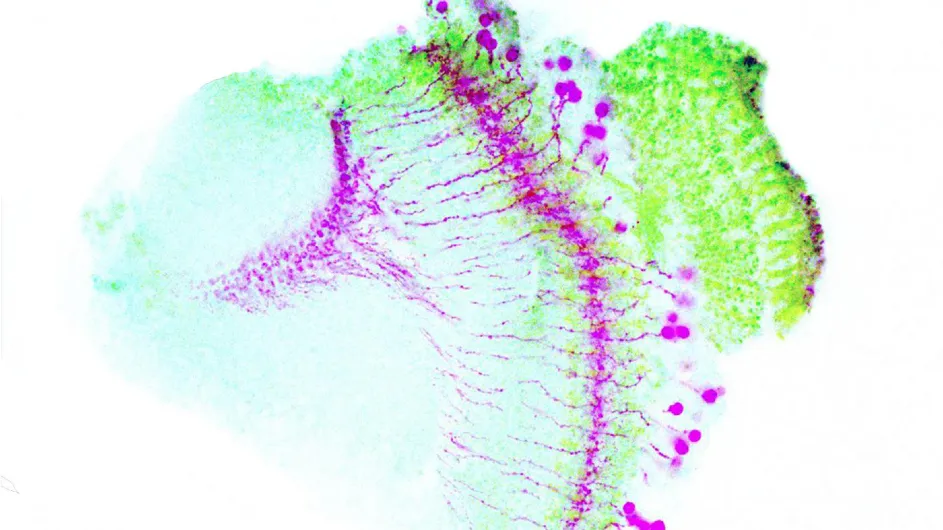
Zuckerman Institute neuroscientists Rudy Behnia, Jessica Kohn and Jacob Portes explain how they solved a 60-year old mystery.