Recent news about neuroscience and the brain from across Columbia.
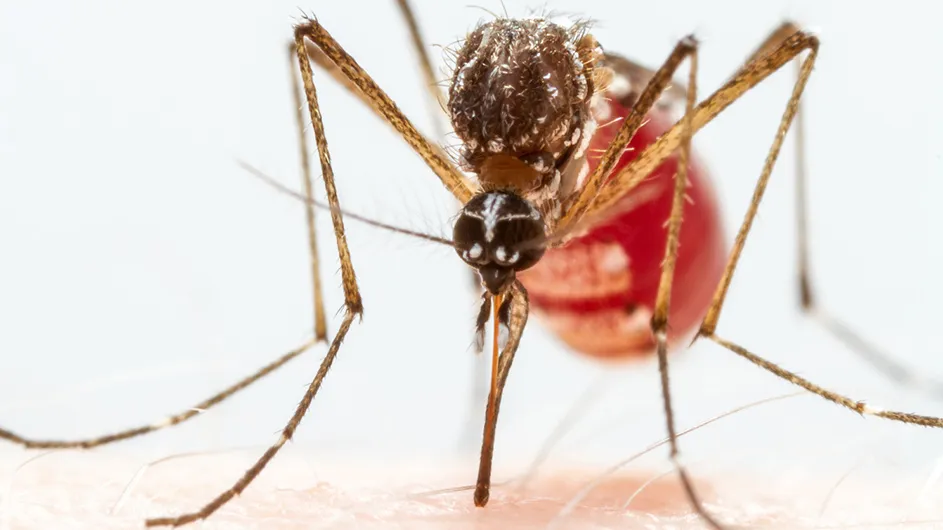
While the rate of Eastern Equine Encephalitis is unusually high this year, more worrisome is the link to a warming climate and what it could signal for the future.

A Columbia-led study finds disruptions in the body’s gut microbes triggered by early-life adversity are linked to brain function

Federica Coppola's research exists at the intersection of neuroscience and law. She investigates how brain research has been applied in the past and could be used to revise criminal law doctrines, theories of punishment and correctional practices.
Scientists have identified a group of genes that induces differences in the developing brains of male and female roundworms and triggers the initiation of puberty, a genetic pathway that may have the same function in controlling the timing of sexual maturation in humans.
A new study by Columbia researchers shows that the brain plays back and prioritizes high-reward events for later retrieval and filters out the neutral, inconsequential events, retaining only memories that are useful to future decisions.

Rafael Yuste, a professor of Biological Sciences at Columbia University, has been awarded the Eliasson Global Leadership Prize by the Tällberg Foundation for his seminal contributions in inspiring the US and International BRAIN initiatives and for his efforts toward building ethical guidelines for neurotechnology and artificial intelligence.
Raju Tomer has won a NIH Director’s New Innovator Award, for his pioneering work in developing new technologies for high-resolution mapping of brain structure and function.
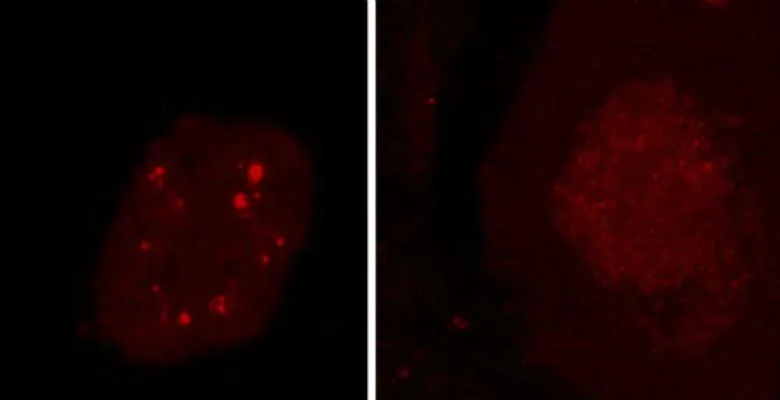
Researchers found clumps of non-functioning hnRNP H and at least three other RNA-binding proteins in the brain cells of people who had died with ALS, frontotemporal dementia or both.
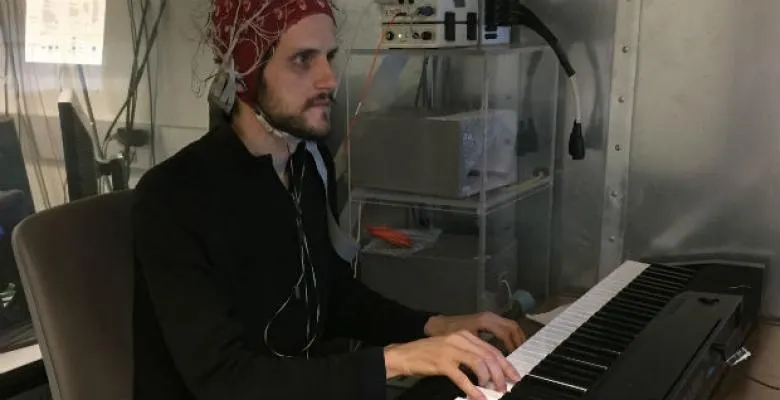
Researchers show that skilled improvisers are better than musicians with limited improvisational experience at distinguishing between chords that can be used interchangeably in a piece of music and chords that cannot.
Two Columbia professors — a neuroscientist whose work on the visual system could lead to a cure for blindness and a theoretical computer scientist who has helped define the limits of computation — are among the 84 new members elected this week to the National Academy of Sciences.
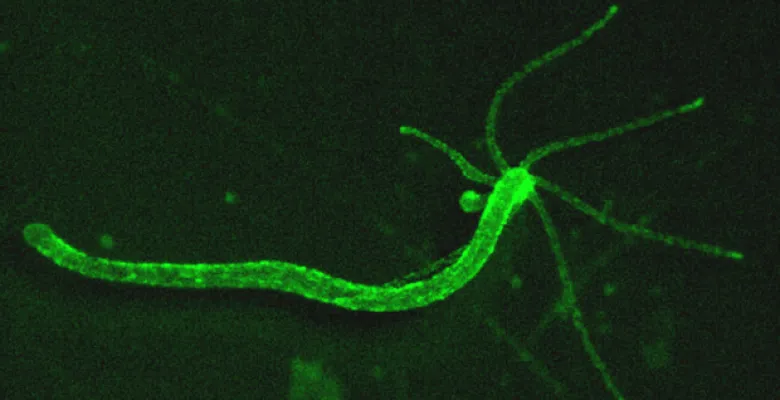
Researchers show how an algorithm for filtering spam can learn to pick out, from hours of video footage, the full behavioral repertoire of tiny, pond-dwelling Hydra. By comparing Hydra’s behaviors to the firing of its neurons, the researchers hope to eventually understand how its nervous system, and that of more complex animals, works.