Recent news about neuroscience and the brain from across Columbia.
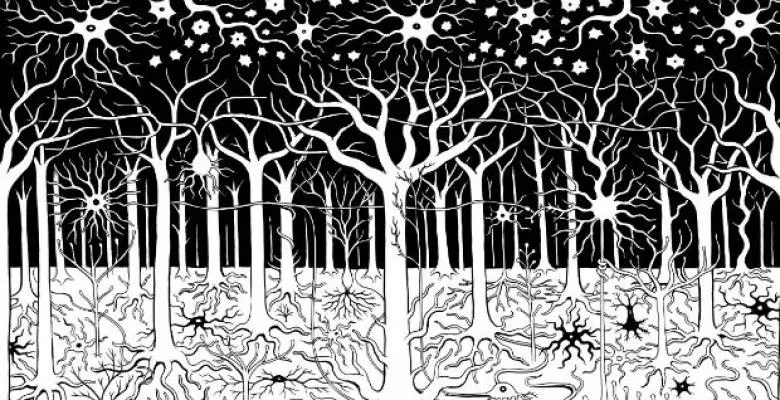
A neuroscientist and cartoonist, Matteo Farinella is a postdoc in Columbia's Presidential Scholars in Society and Neuroscience program. He will moderate a seminar on Monday, Nov. 20, on the role of metaphor in science and education.

Psychiatry professor Joanna Steinglass and Psychology professor Daphna Shohamy incorporated cognitive neuroscience in the study of anorexia nervosa. Brain scans reveal the mechanisms that guide restrictive eating.
Nikolaus Kriegeskorte at Columbia's Zuckerman Institute organized a three-day conference that starts brings together cognitive scientists, neuroscientists and computer scientists. Kriegeskorte spoke with us about the event and his research.
It would be unusual to confuse the mouth-watering aroma of baking chocolate chip cookies with the fragrance of a floral perfume or the stench of burning plastic. Most people recognize these scents instantly.
Touch may be the hardest of the senses to study, because the skin has so many jobs to do. It parses hot from cold, contends with itches, detects pain. A mother’s touch stimulates brain development in babies, and a friendly hug can induce social bonding or even help a sports team play better.

Neuroscientist Charles Zuker has long been challenging conventional wisdom on how the tongue and brain process taste.
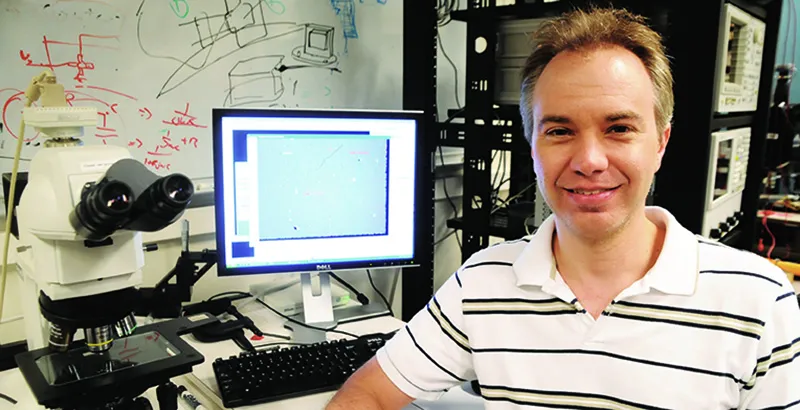
Ken Shepard is part of a growing push to develop brain-computer interfaces to repair senses and skills lost to injury or disease.
Pay attention to Malia Mason. She’s certainly paying attention to you. An associate professor at Columbia Business School, she examines how people regulate their attention—or don’t—and what implications that may have for students, managers and employees.

Forget nature vs. nurture. Scientists now know that maternal behavior can change offspring in ways that may be passed on to future generations.
Of the 50 million people who suffer from epilepsy worldwide, a third fail to respond to medication. As the search for better drugs continues, researchers are still trying to make sense of how seizures start and spread.
In the first pair of videos, the neurons of mice given the anesthetic ketamine to induce signs of schizophrenia fired-off haphazardly (right), compared to the coordinated firing of neurons in the healthy mice (left). Researchers saw a similar pattern in mice genetically engineered to show signs of schizophrenia, with the neurons at right firing more intermittently.
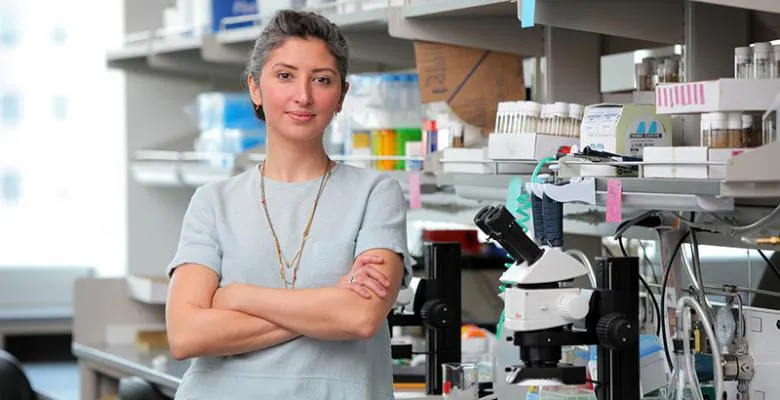
To understand the workings of an enormously complex brain, it’s sometimes best to look at a simpler one. Rudy Behnia, whose research centers on vision, studies fruit flies for just that reason.