Recent news about neuroscience and the brain from across Columbia.
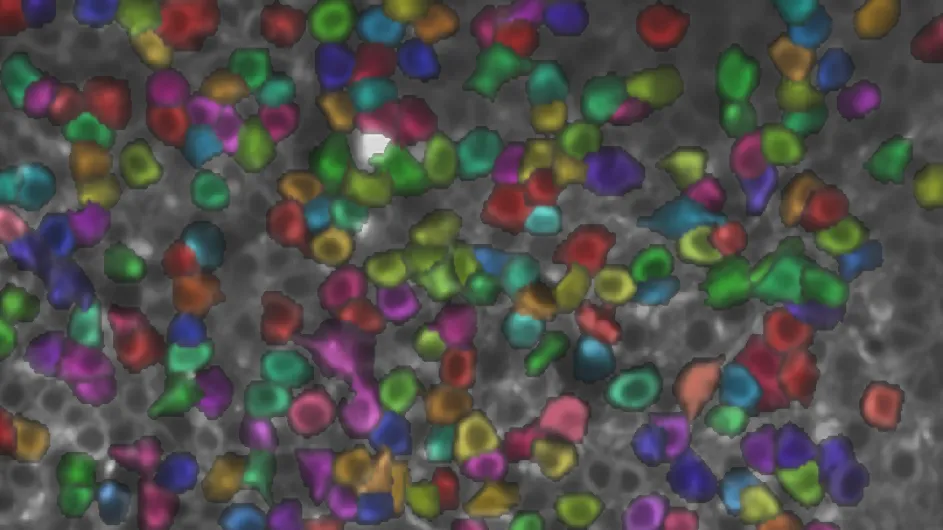
A new study in mice reveals how periods of rest help memory cells remember entire environments.
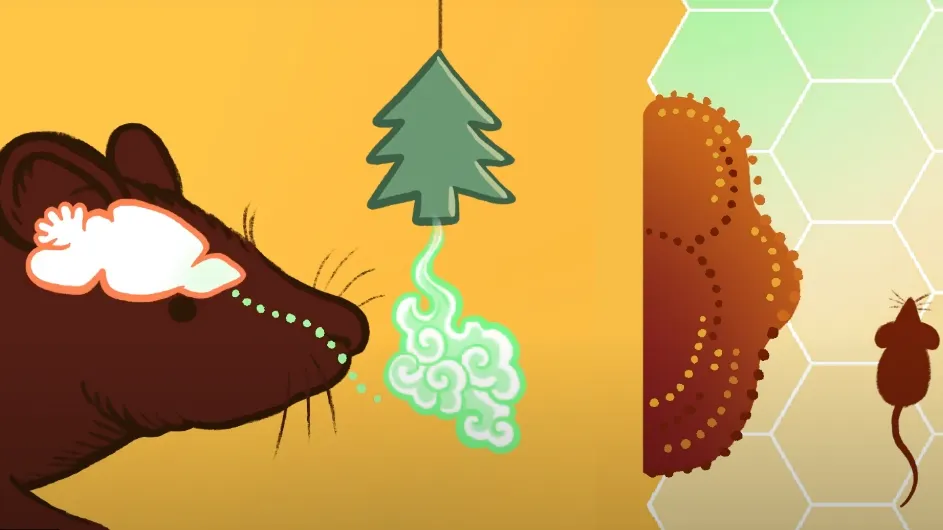
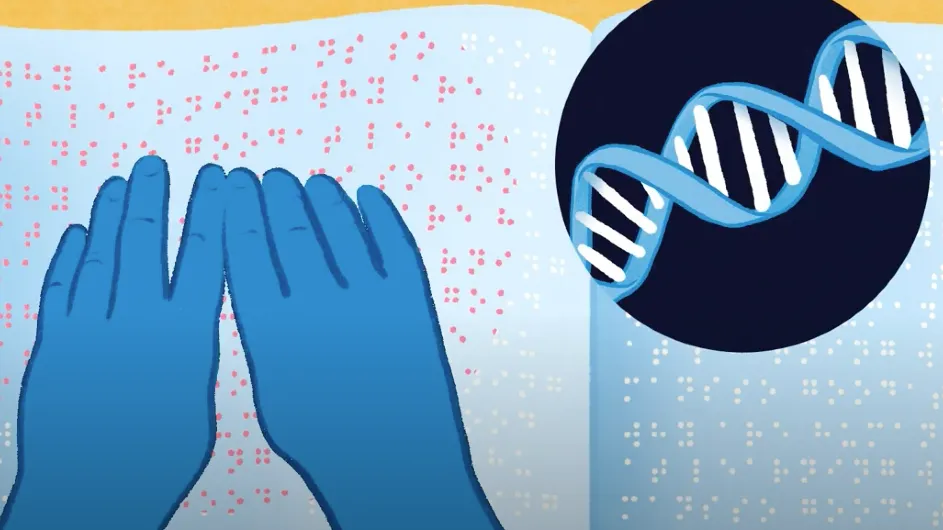
New research highlights a genetic component to our species' mental abilities.
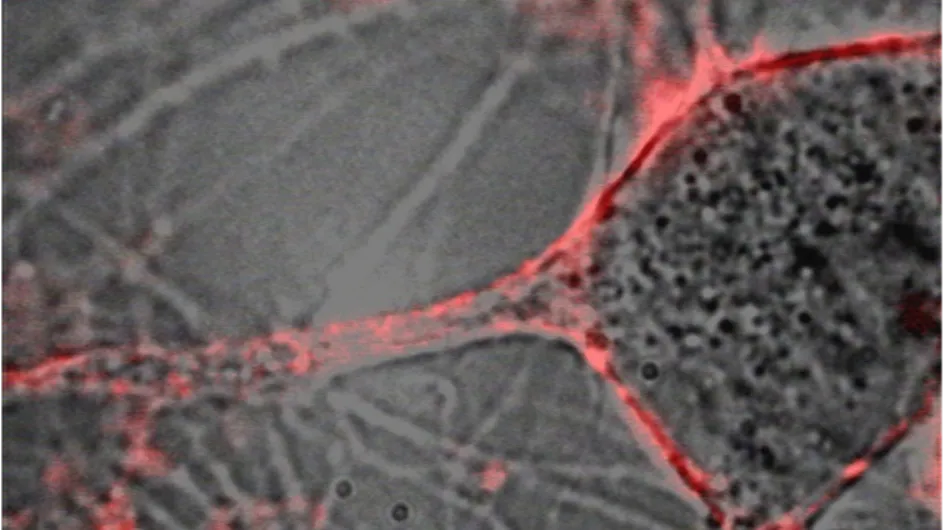
The field of nanoscience promises new tools for studying the brain, controlling artificial limbs, and treating mind and body, researchers say.
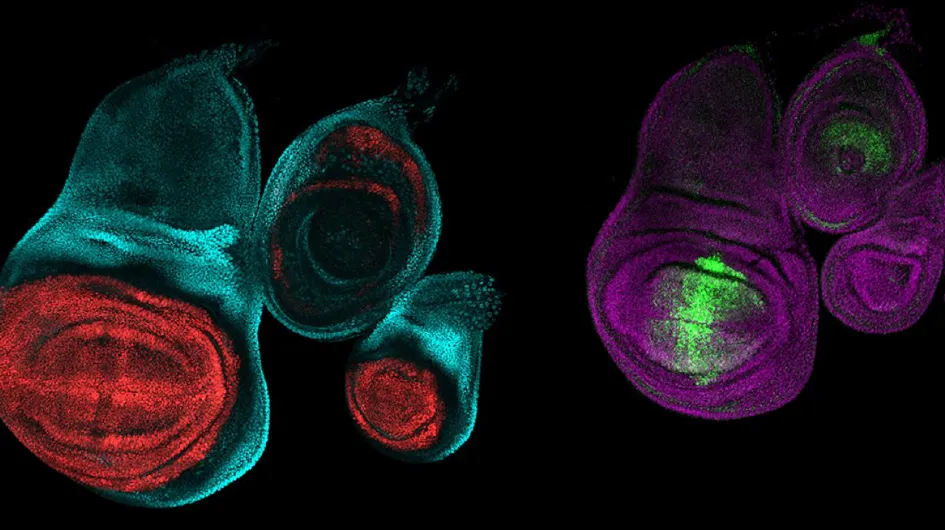
A Q&A with neuroscientists and fruit fly experts Minoree Kohwi and Tanguy Lucas of Zuckerman Institute.
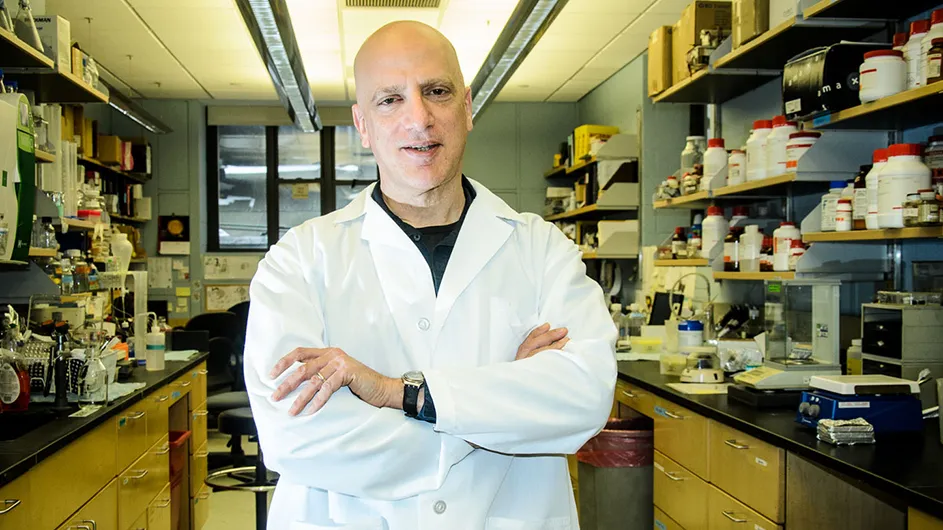
Professor, musician, and composer David Sulzer demystifies the science that underlies music.
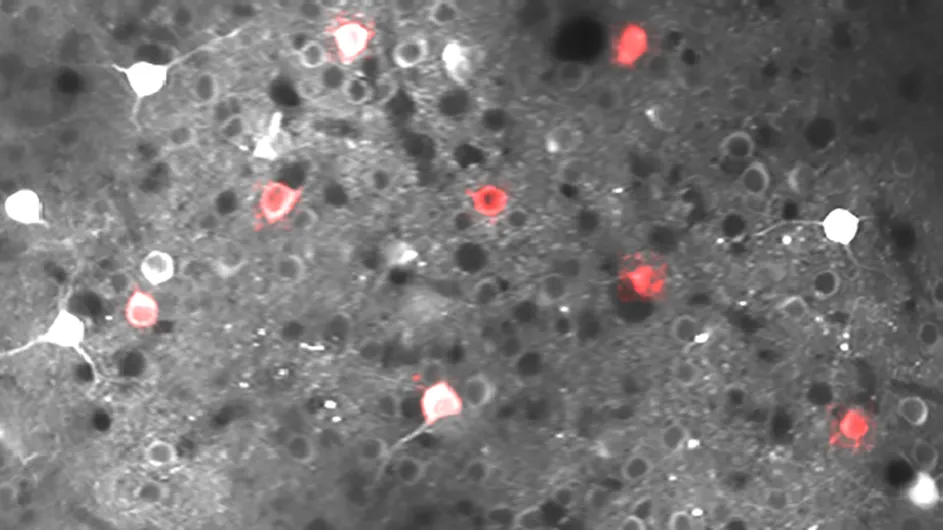
Columbia researchers in Professor Rafael Yuste’s lab discover neurons that detect novel stimuli.
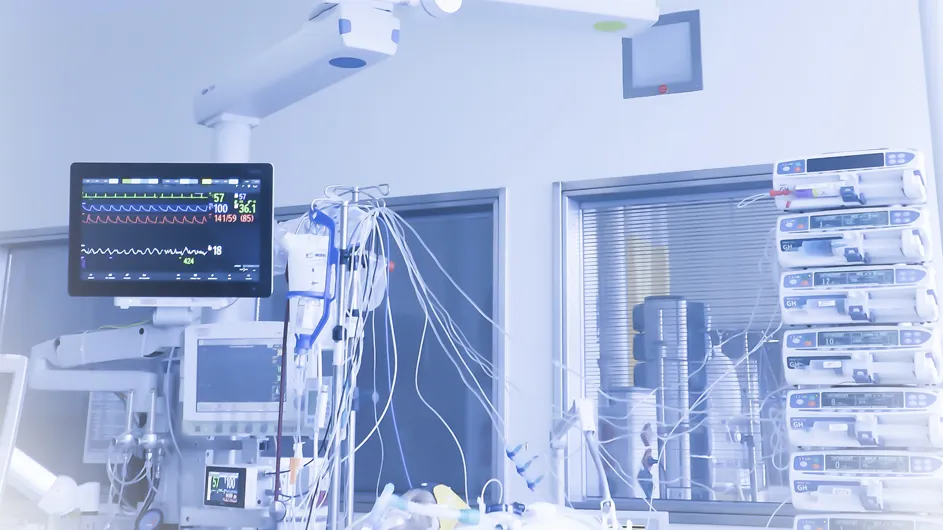
The findings support reports of neuro-cognitive changes after medically induced comas, a procedure that has been relied upon in treating many COVID-19 patients during the pandemic.
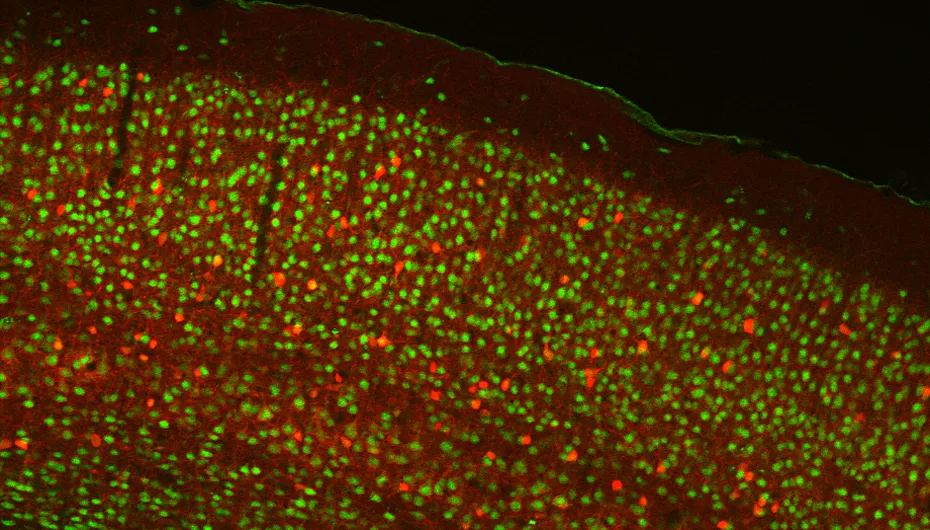
A unified classification of diverse cell types proposed by a Columbia-led team could shed light on how our brains are wired.
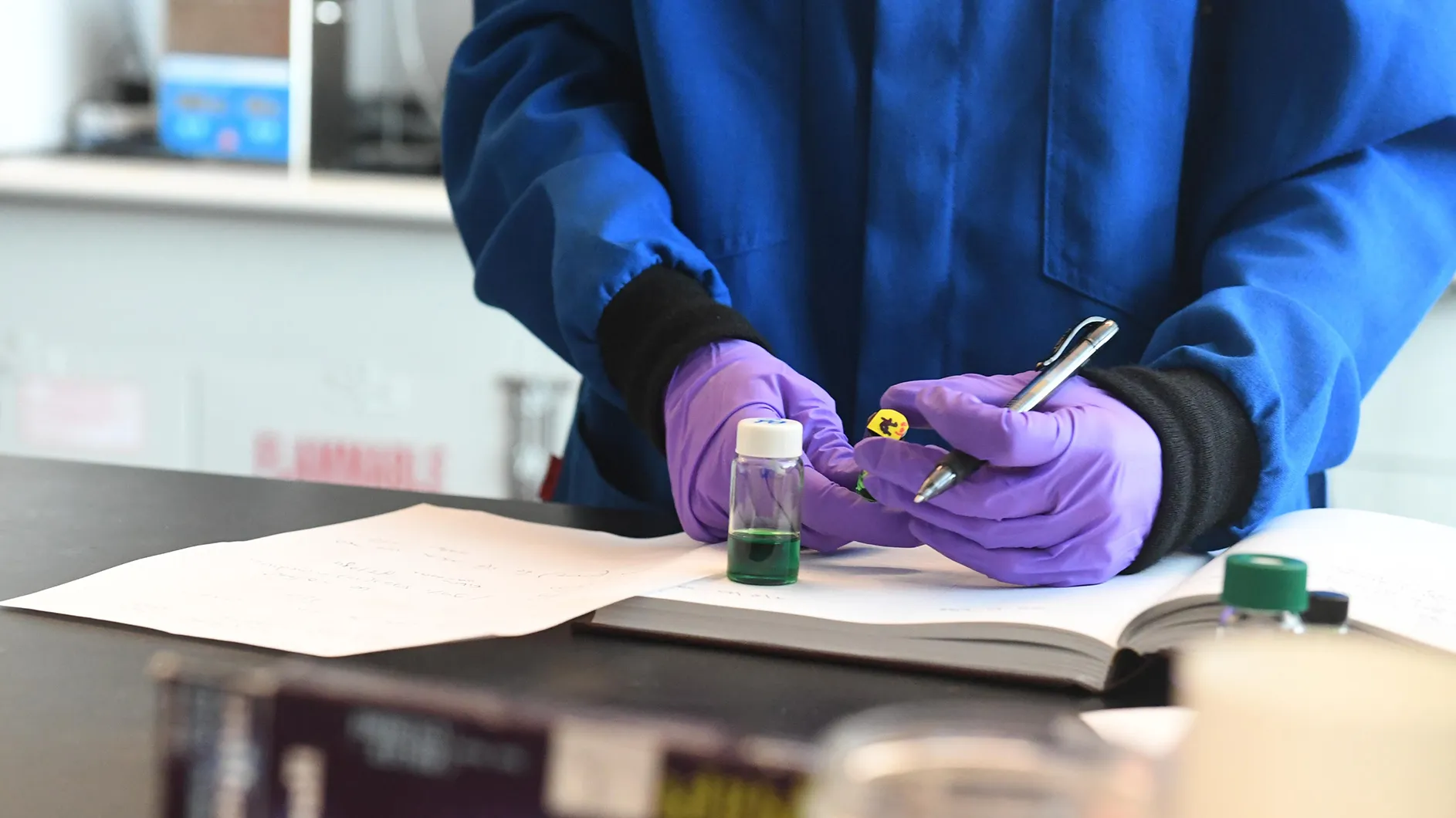
As Columbia labs reopen, scientists talk about the challenges and some surprising benefits, of working remotely and how they are adjusting to the new normal.
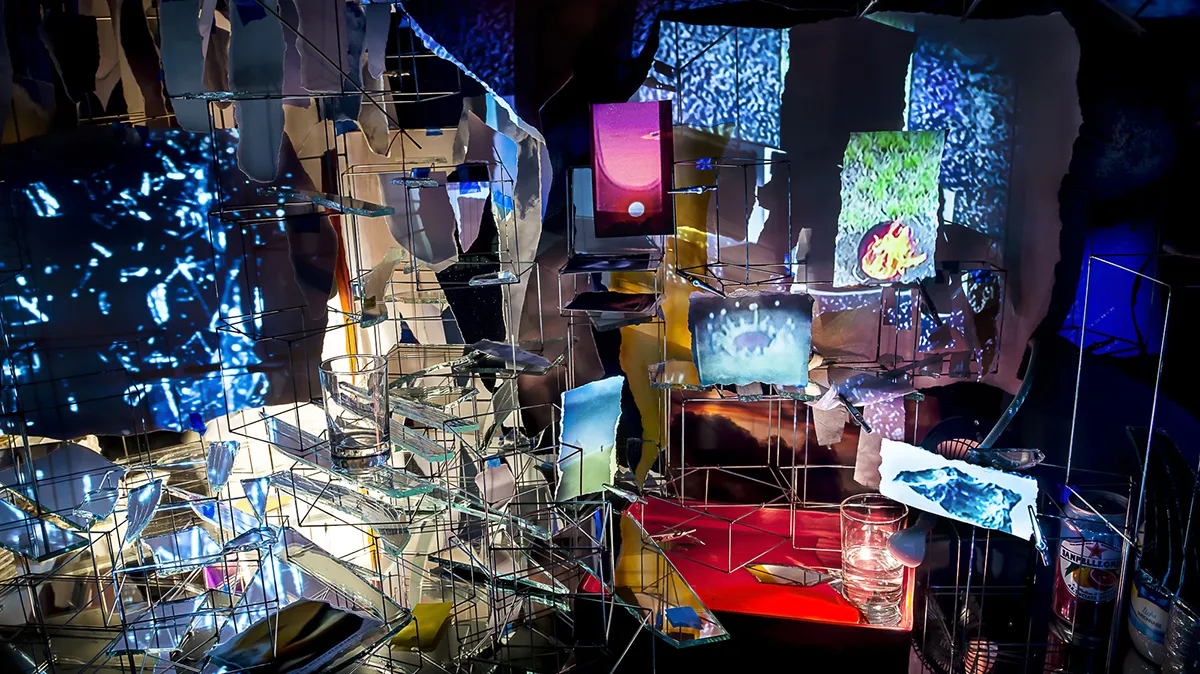
The School of the Arts professor spent a year collaborating with scientists at the Zuckerman Institute.

Scientists say this common experience plays a role in everything from drug addiction to academic failure.