

COLUMBIA SCIENCE IN THE NEWS
The New York Times
September 6, 2026
Science
August 28, 2026
The New York Times
August 20, 2026
RECENT STORIES
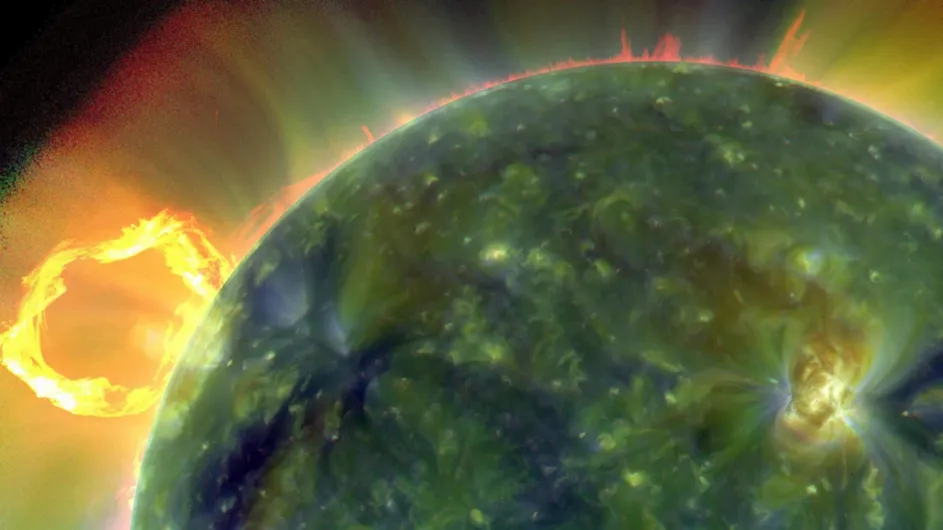
The Mauve satellite will study flares from stars and their impact on the habitability of nearby planets.

Current climate models overstate the rate of nitrogen fixation, a natural process that helps remove atmospheric carbon dioxide.

Psychology Professor Chujun Lin is using machine learning to identify how people judge each other, and the consequences that has.

Professor Louis Brus won the 2023 Nobel Prize in Chemistry for his work on quantum dots. Turn on your TV, and you might see some.
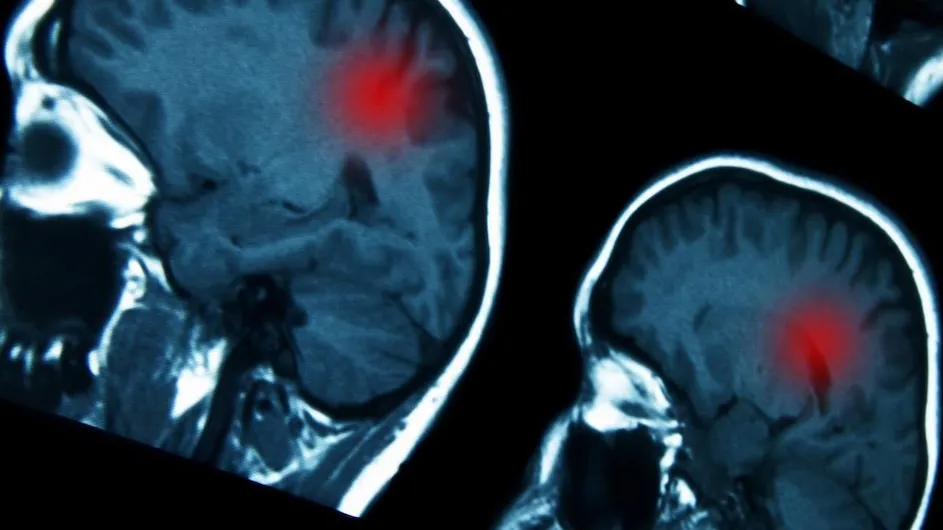
The technique successfully opened the blood-brain barrier, which usually hinders chemotherapies.

Columbia Public Health and Climate School researchers led a new study into the ongoing global health threat from arsenic.
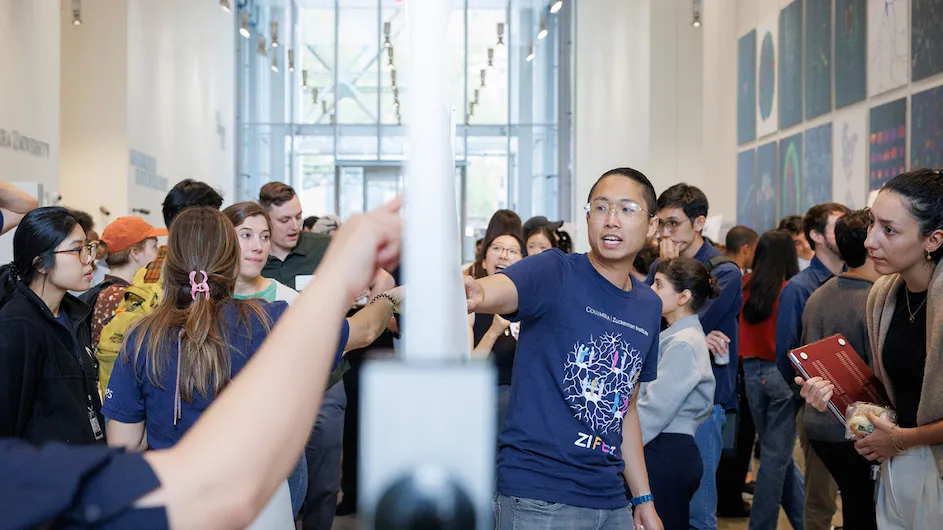
A theorist team at Columbia has served as a model for interdisciplinary research for 20 years.
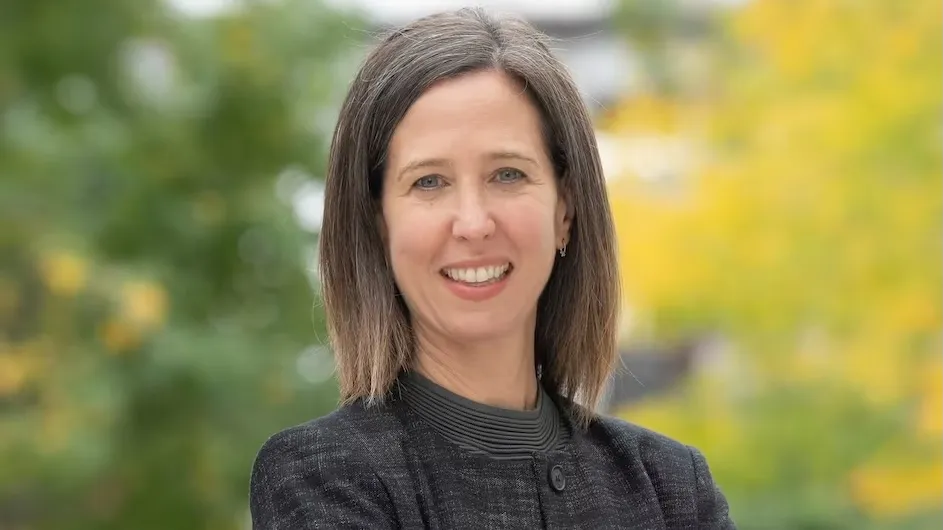
COP, the annual climate summit, brings diverse leaders together to discuss and implement solutions to climate change.

Two studies underscore how sustained financial strain undermines long-term health.
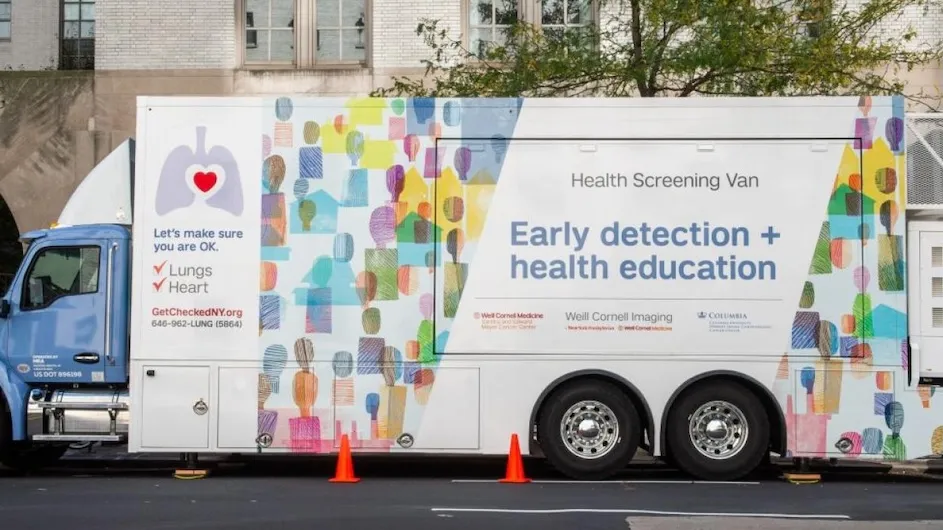
New York’s first mobile lung cancer screening van brings prevention and detection closer to home.

Ancient sediments are rewriting the long-held story that the island suffered from a societal collapse.
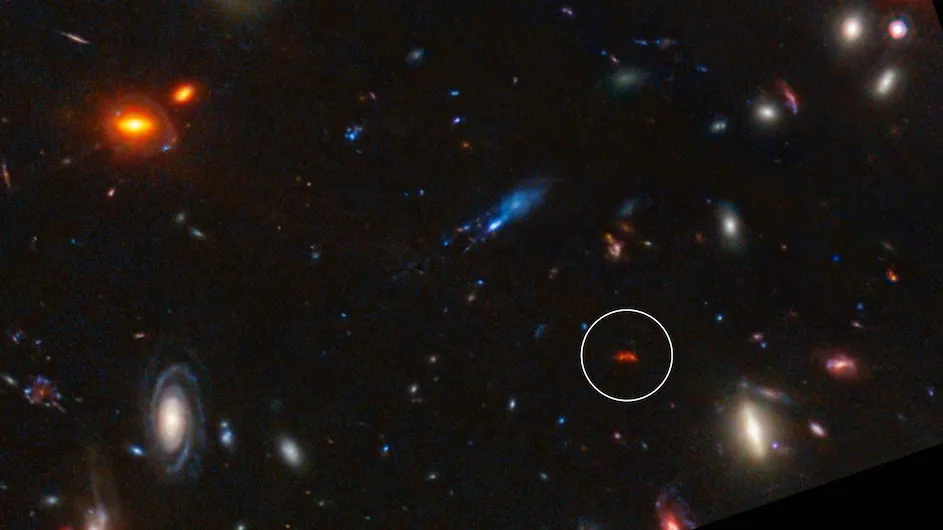
The discovery indicates how galaxies could have grown quickly when the universe was very young, solving a long-standing puzzle.