


COLUMBIA SCIENCE IN THE NEWS
The New York Times
September 6, 2026
Science
August 28, 2026
The New York Times
August 20, 2026
RECENT STORIES
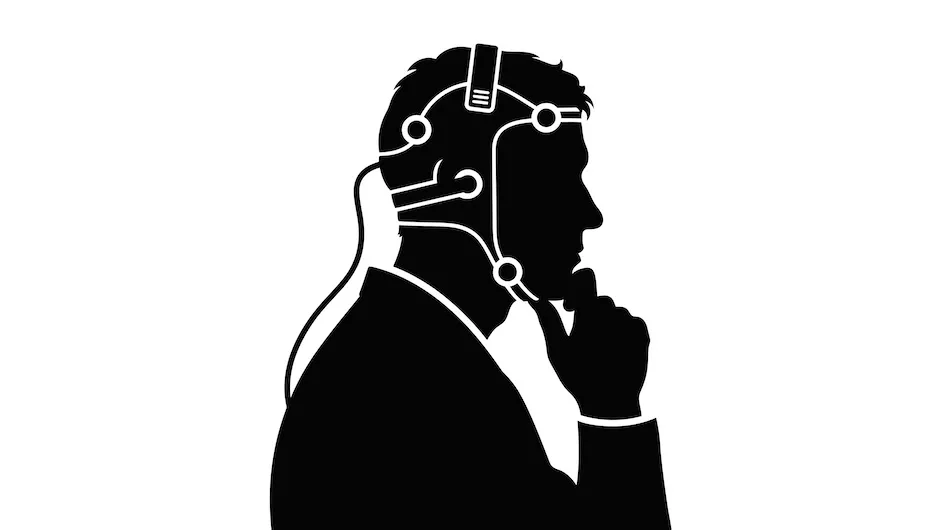
To prevent an erosion of mental privacy, it is urgent to protect and legislate the protection of neural data in consumer tech.
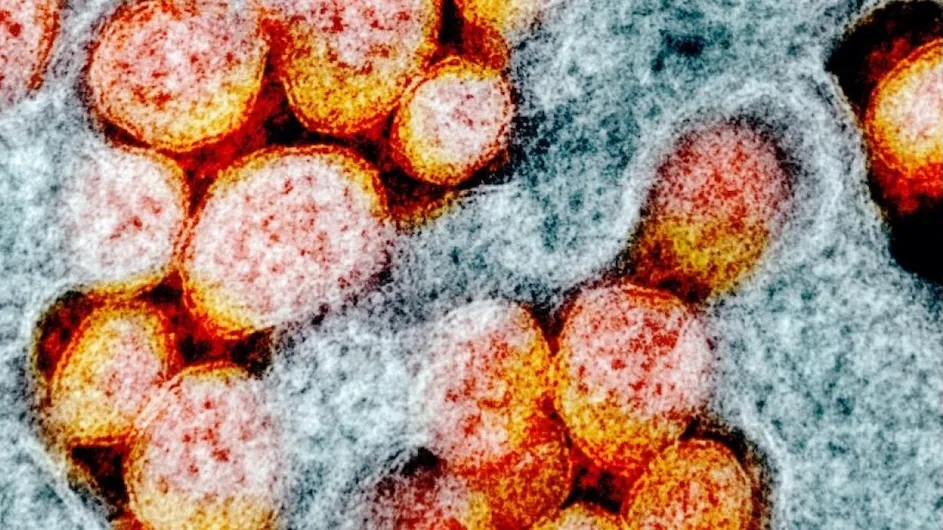
A Columbia researcher is developing a therapy that draws insight from a mutation that makes people impervious to viral diseases.
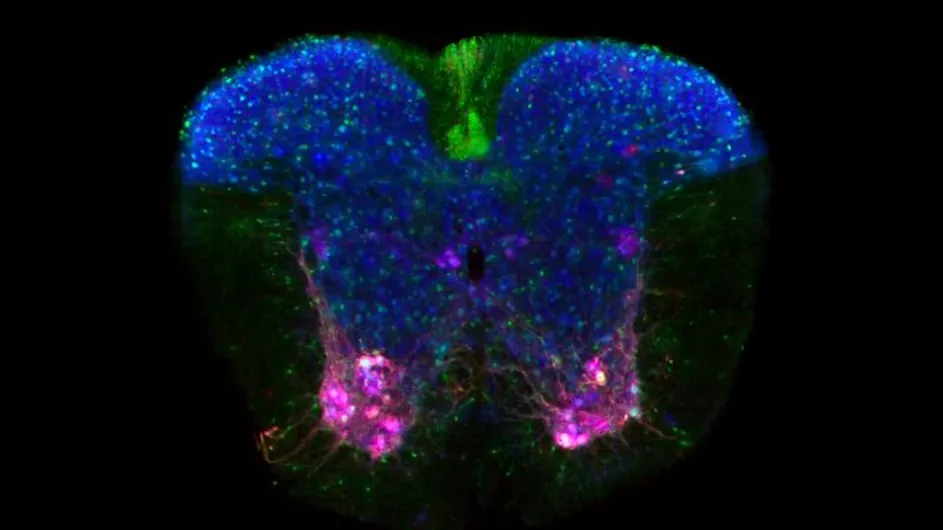
New findings demonstrate that neuron rejuvenation therapy has real potential for treating the neurodegenerative disease.
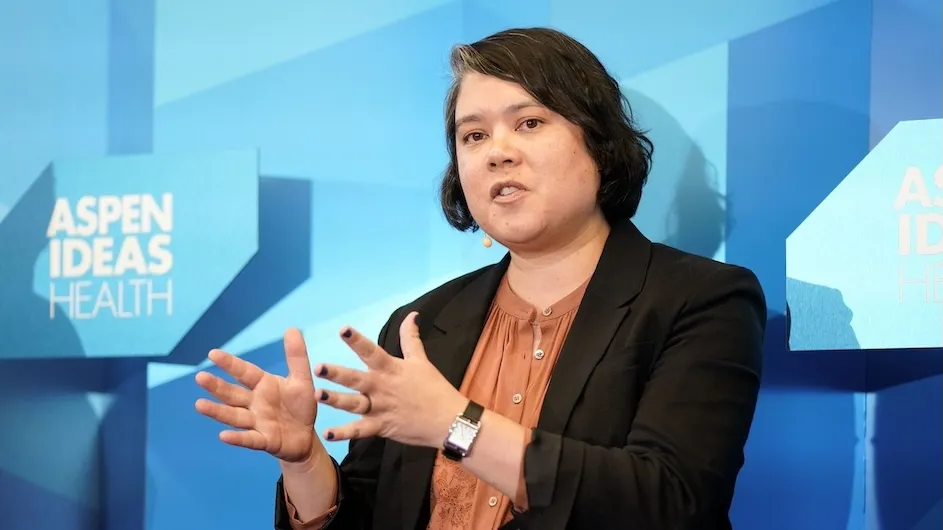
We need better data to improve maternal and fetal health outcomes, says professor Kristin Myers.
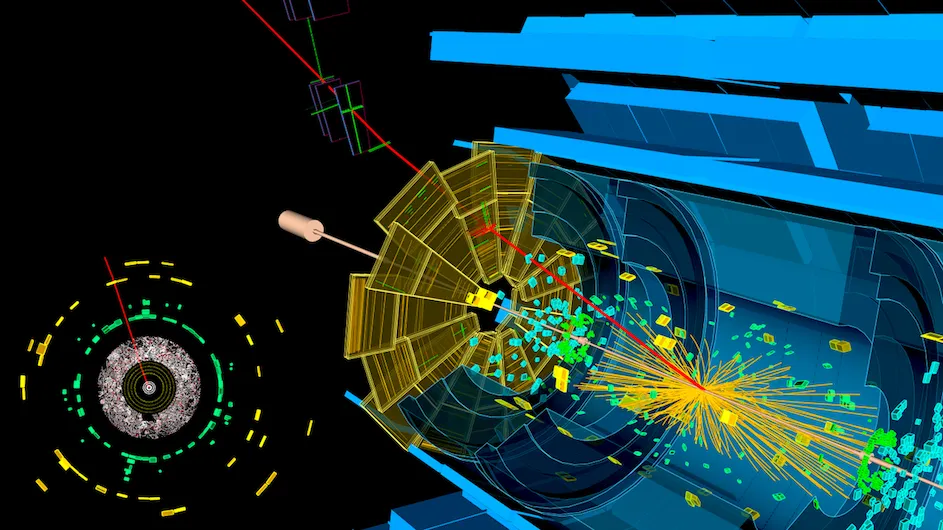
Research from the Department of Electrical Engineering is set to transform particle physics and engineering education.
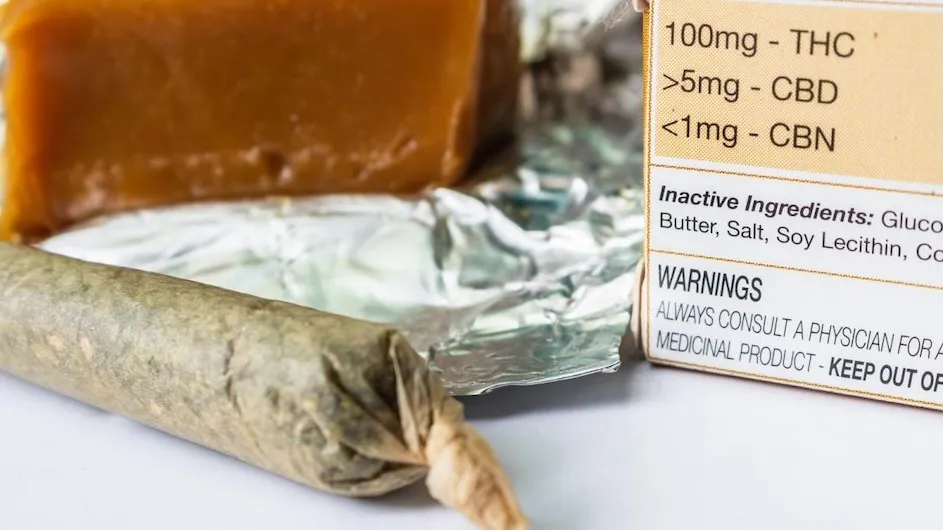
A study found that unlicensed retailers are less likely to follow state regulations and sell more unregulated products.
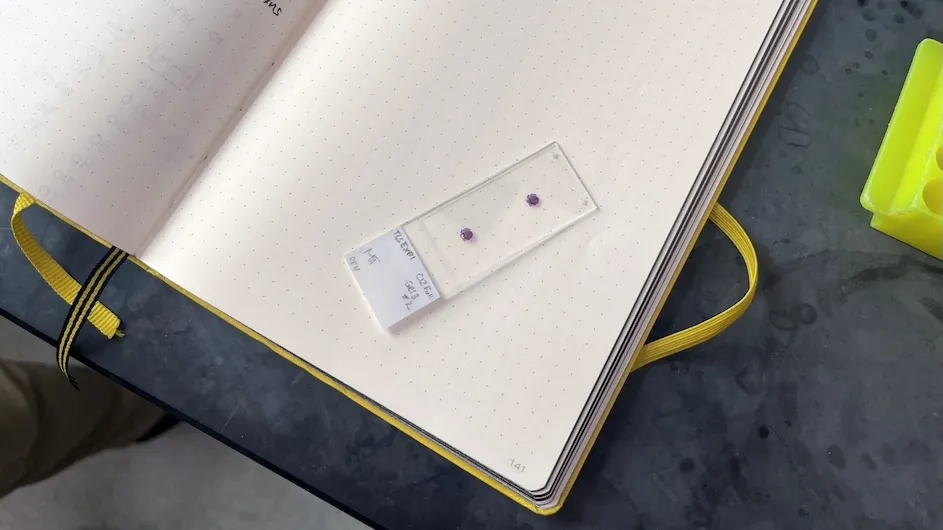
Columbia engineers harnessed yogurt-derived extracellular vesicles to create injectable hydrogels for regenerative medicine.
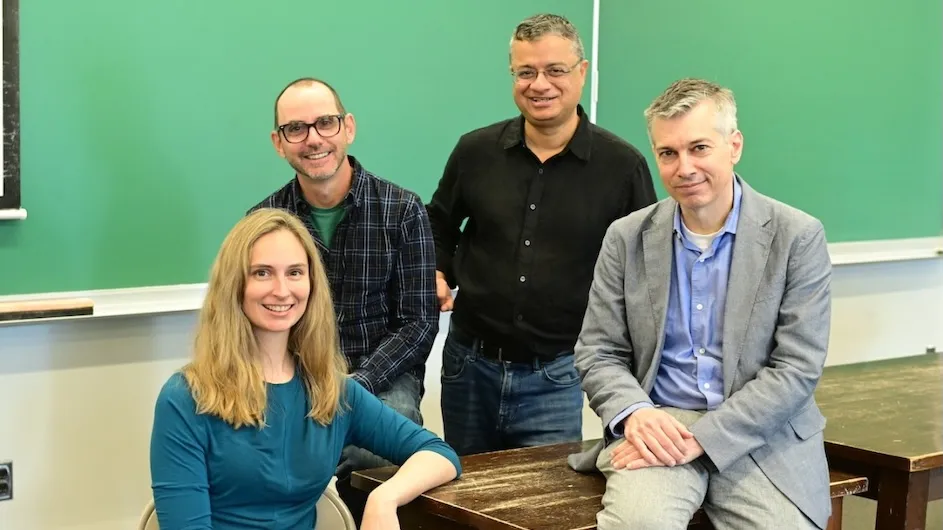
Faculty across Columbia's Engineering School and partners are finding innovative ways to integrate generative AI in the classroom.
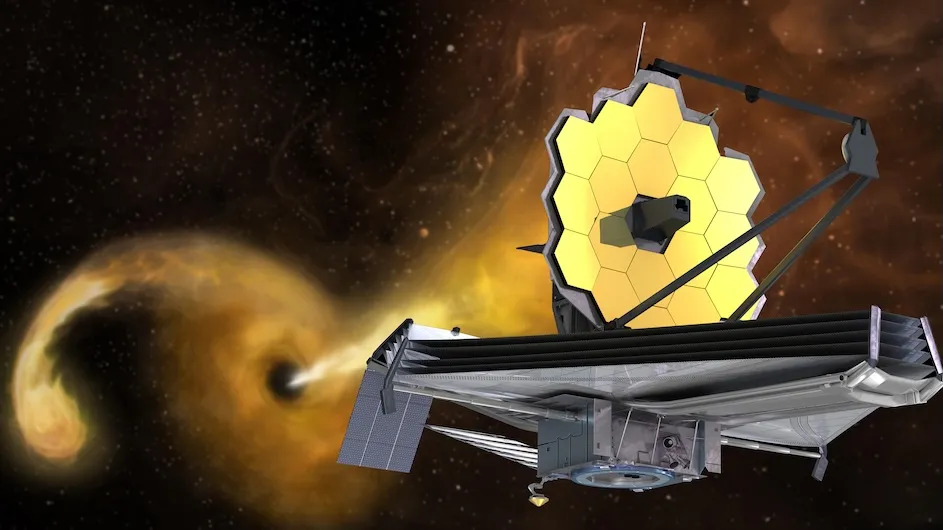
Unlike active galaxies that constantly pull in surrounding material, these black holes lie dormant until a star passes by.
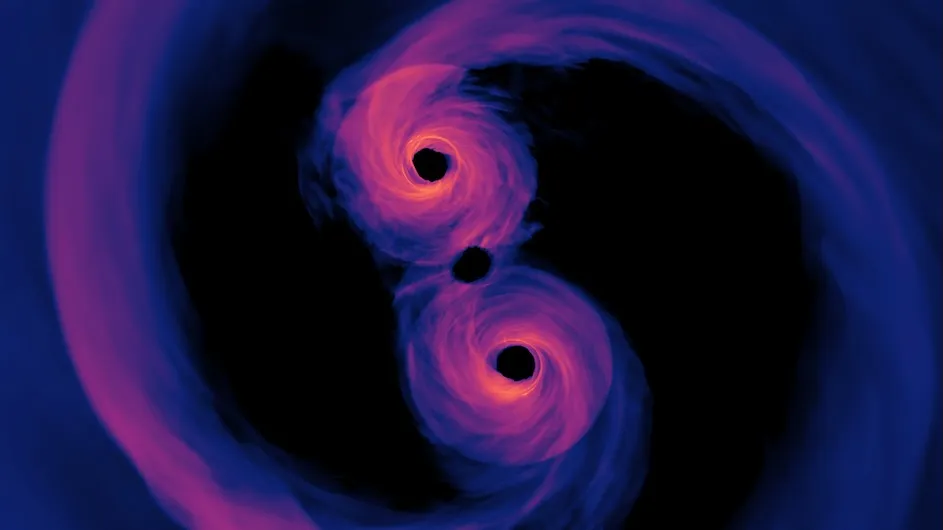
The merger resulted in a combined black hole 225 times our sun’s mass, and challenges current astrophysical models of black hole formation.
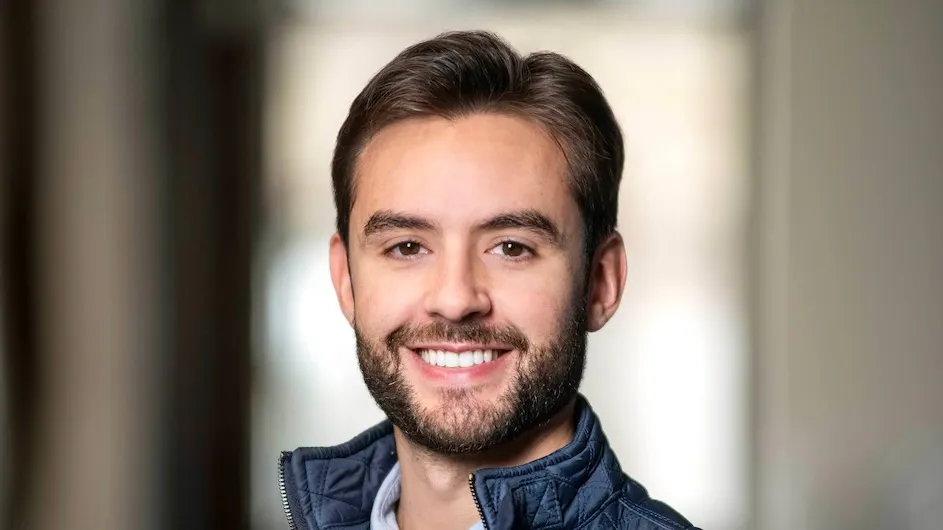
Max Isi, who researches gravitational waves, joined Columbia as an astronomy professor earlier this summer.
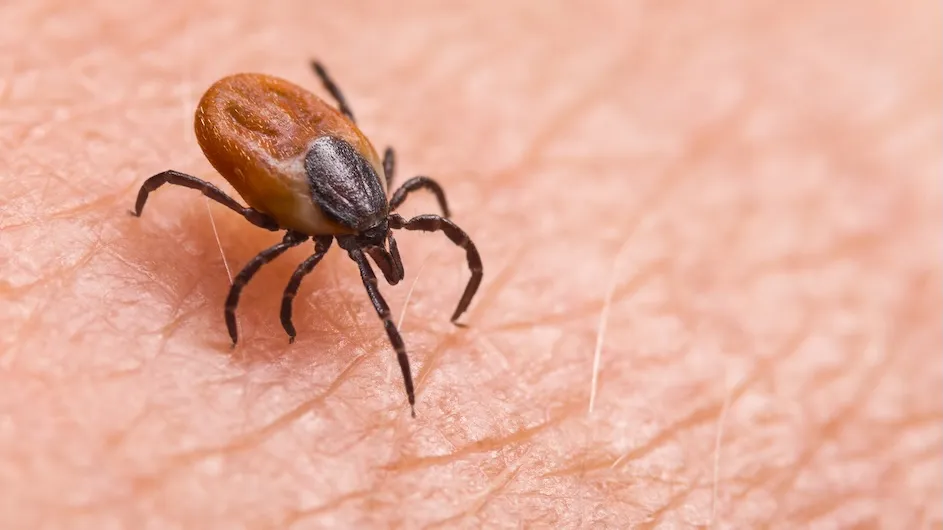
Maria Diuk-Wasser, an expert on ticks, explains her latest research on carriers of Lyme disease and babesiosis.