


COLUMBIA SCIENCE IN THE NEWS
The New York Times
September 6, 2026
Science
August 28, 2026
The New York Times
August 20, 2026
RECENT STORIES
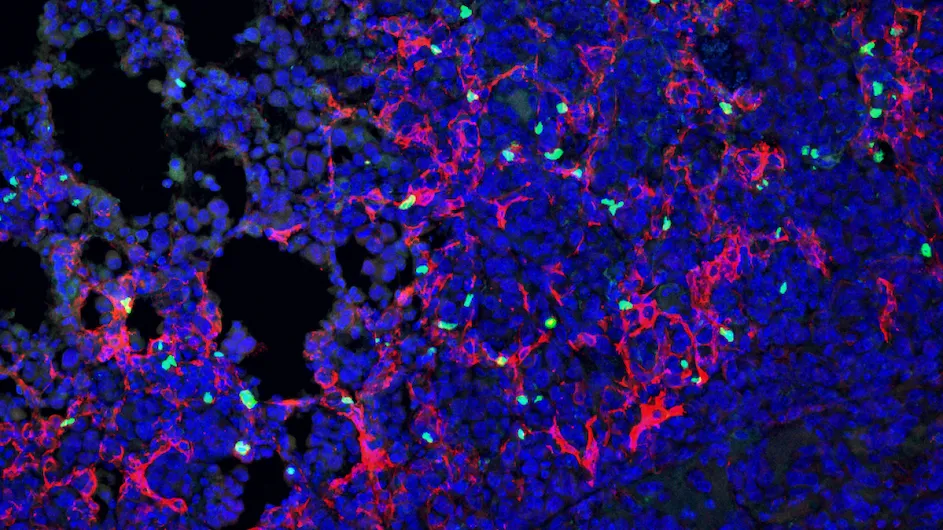
The research suggests a new strategy for targeting the disease, the leading cause of cancer-related death in the U.S.

An analysis of millions of patient portal messages suggests that patients’ writing style may help explain disparities.
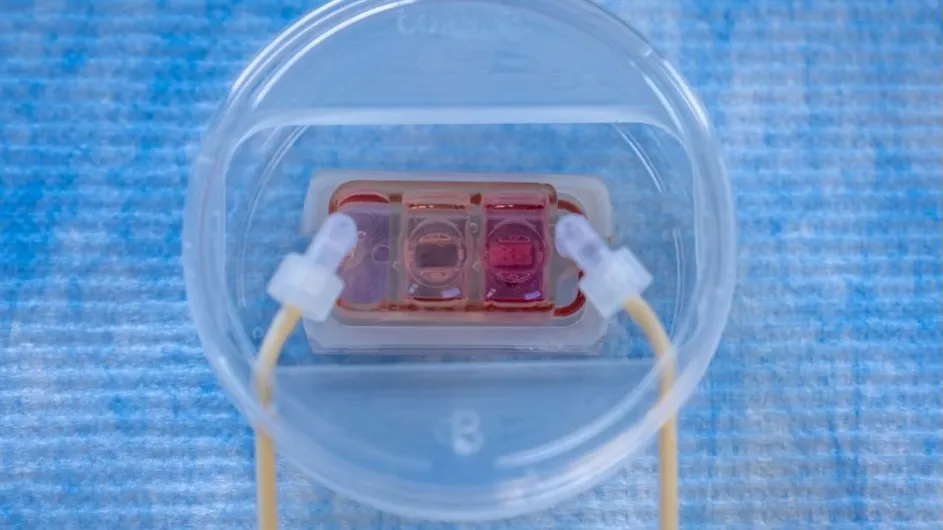
A Columbia team modeled how cancer spreads between organs using lab-grown bone and lung tissues.

Columbia researchers have developed a new way to visualize the heart’s electromechanical activity, offering insight into disease.

Columbia scientists are working to give observatories better views of restless volcanoes and to make those data openly available.

The findings represents a new path for identifying genes across many complex diseases, as well as strategies for their treatment.
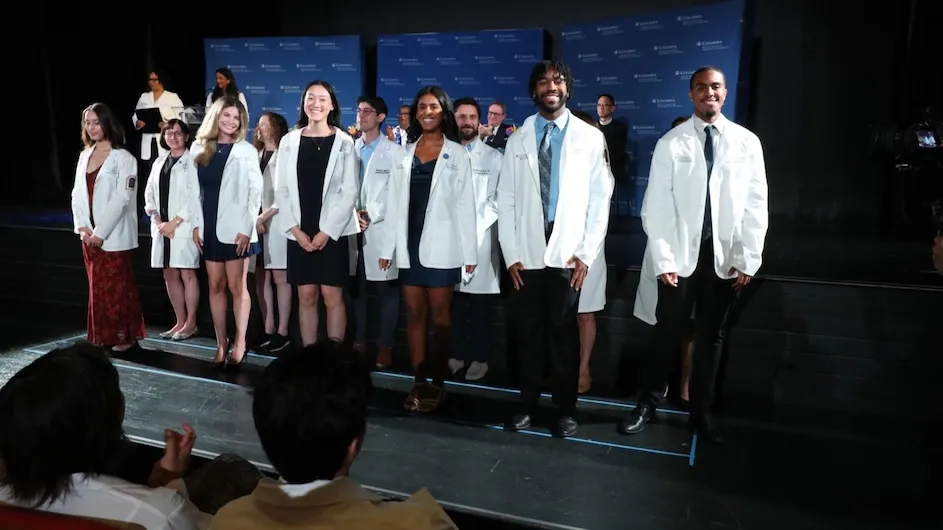
In the years since its inception, the White Coat Ceremony has been adopted by almost all U.S. medical schools.

Most tropical tree species can adjust water-use strategies across rainfall conditions, offering hope in a warmer, drier world.

Building on discoveries from its prior iteration, the center will shift its focus to developing advanced electronic materials for semiconductors, quantum devices, and more.

New research provides strong evidence that household drinking water is a major contributor to lithium levels in the body.
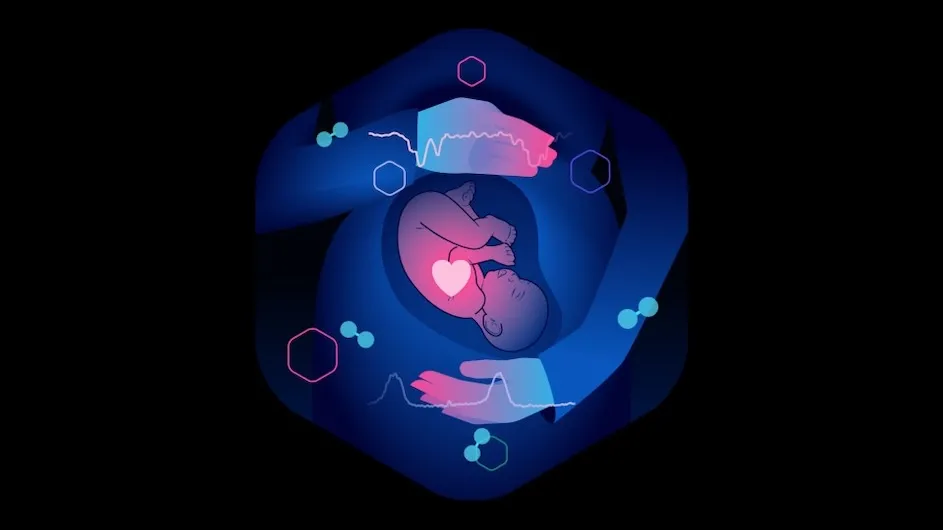
The project is part of a national effort to transform obstetrics with intelligent sensing and real-time clinical decision support.

The Department of Energy mission aims to integrate artificial intelligence into transformative scientific discovery.