


COLUMBIA SCIENCE IN THE NEWS
The New York Times
September 6, 2026
Science
August 28, 2026
The New York Times
August 20, 2026
RECENT STORIES
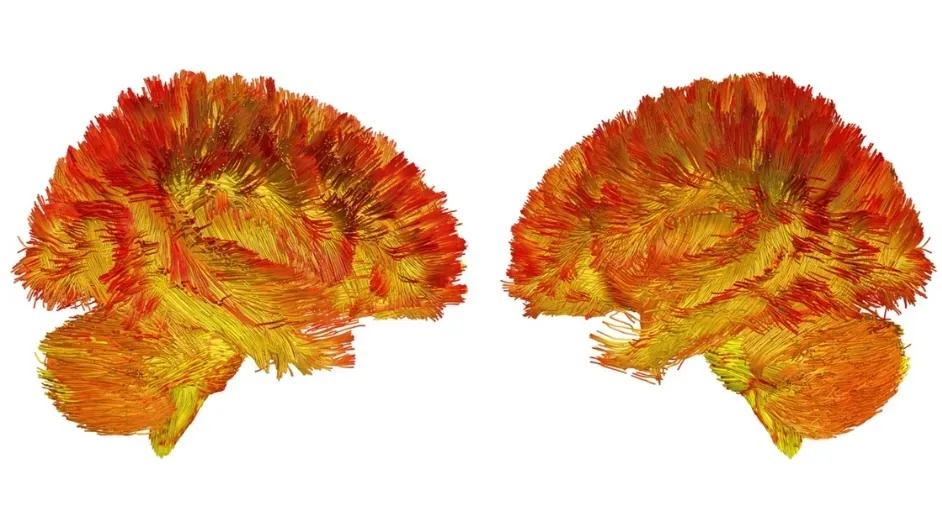
Little had been known about how the tiny energy processors influence brain health.
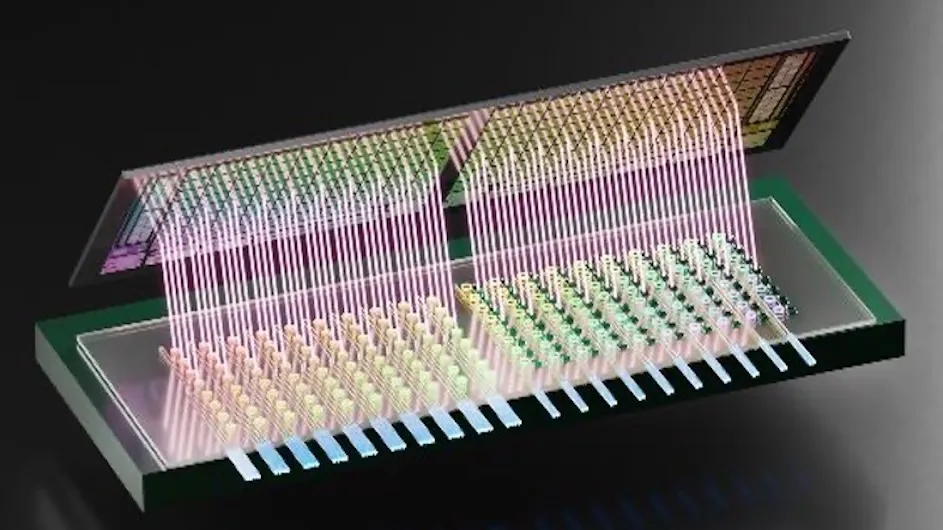
AI systems are limited by energy inefficiency and data transfer bottlenecks. Columbia engineers have found a new solution.
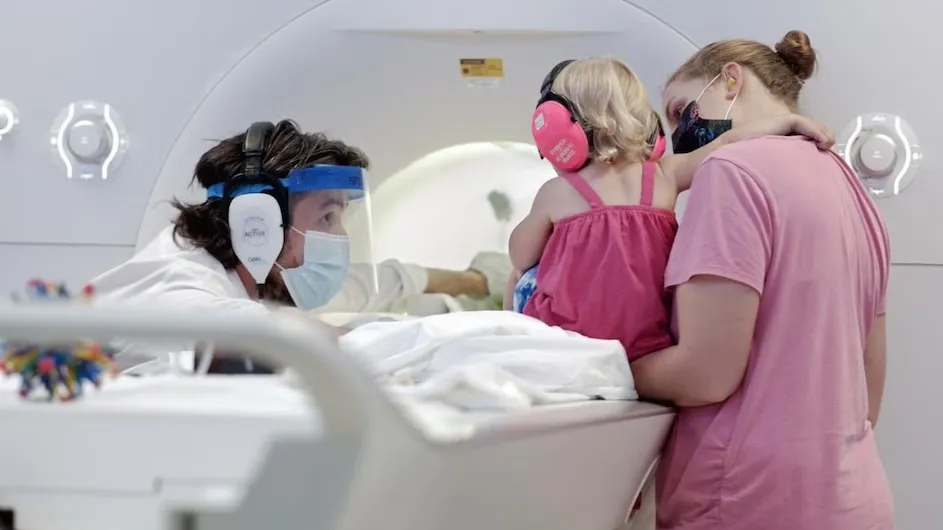
New research is challenging longstanding beliefs about why we don't retain the memories we form in early life.
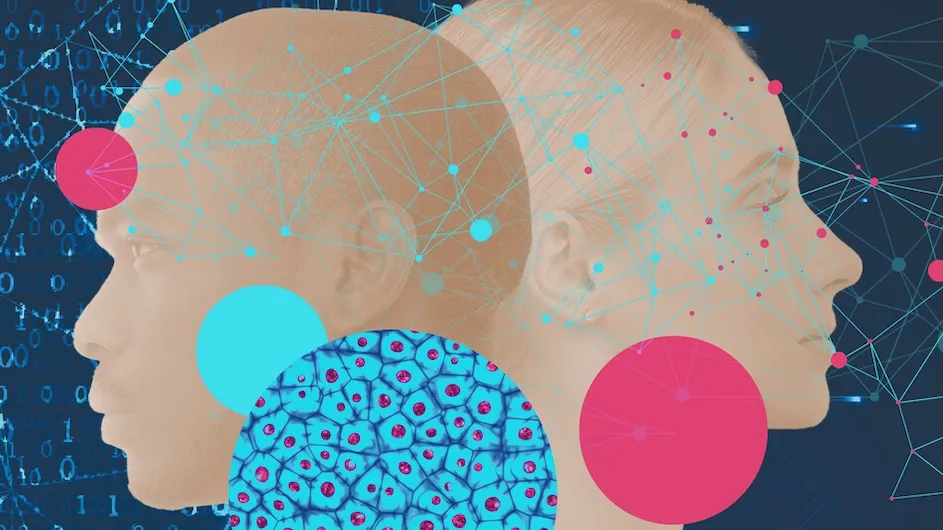
Columbia researchers are using AI to unravel genetic mysteries behind cancer, Alzheimer’s, and more.
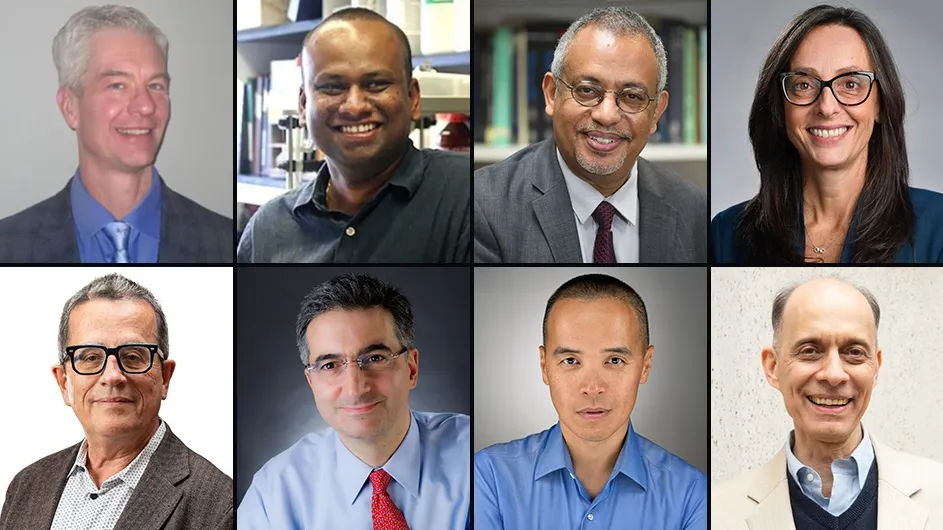
The American Association for the Advancement of Science honored them for scientific excellence and service to their communities.
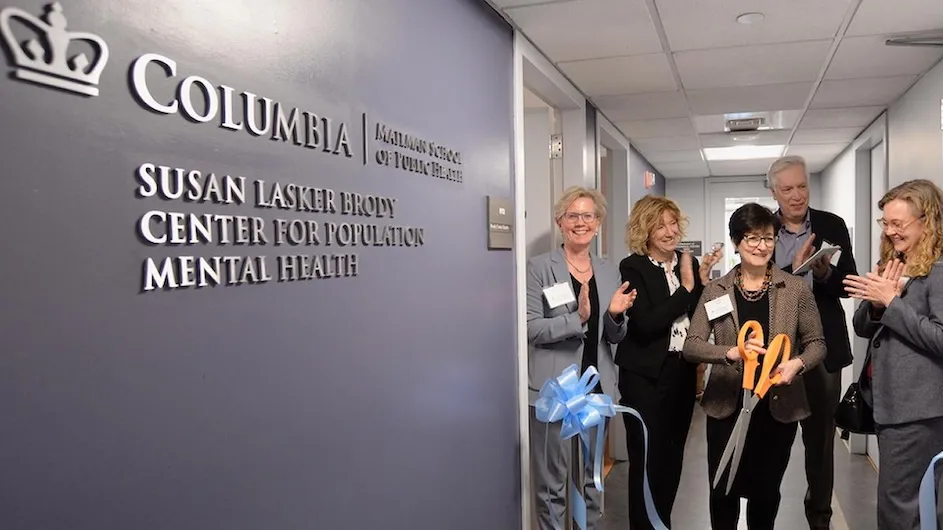
Brody, a Public Health graduate, conceived the center, which will focus on preventing mental illness and promoting well-being.
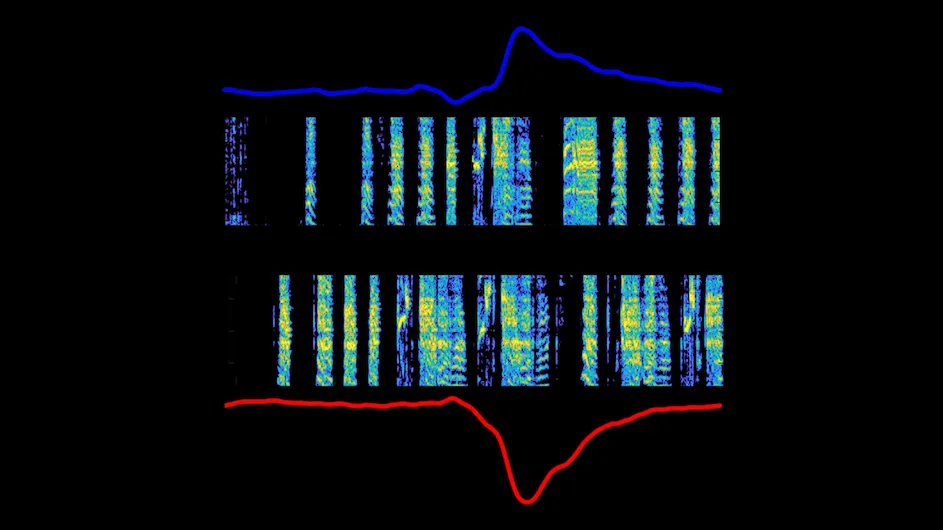
Columbia Zuckerman Institute researchers observed for the first time how dopamine guides trial and error learning in finches.

At a recent networking event at Columbia Engineering, women faculty and students shared their stories and career insights.

People in impoverished urban areas, refugee camps, and war zones can be particularly vulnerable to climate threats.
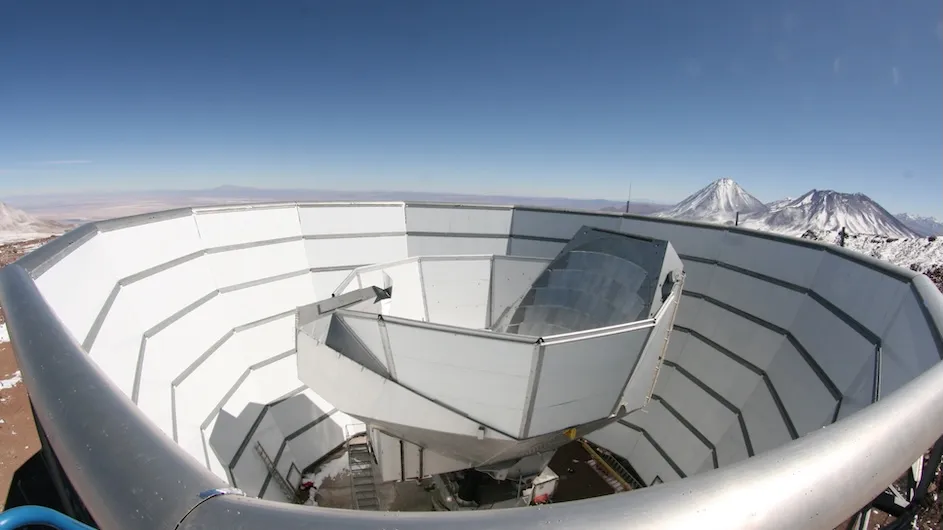
Physics Professor Colin Hill and collaborators have released the clearest images to-date of the universe in its infancy.
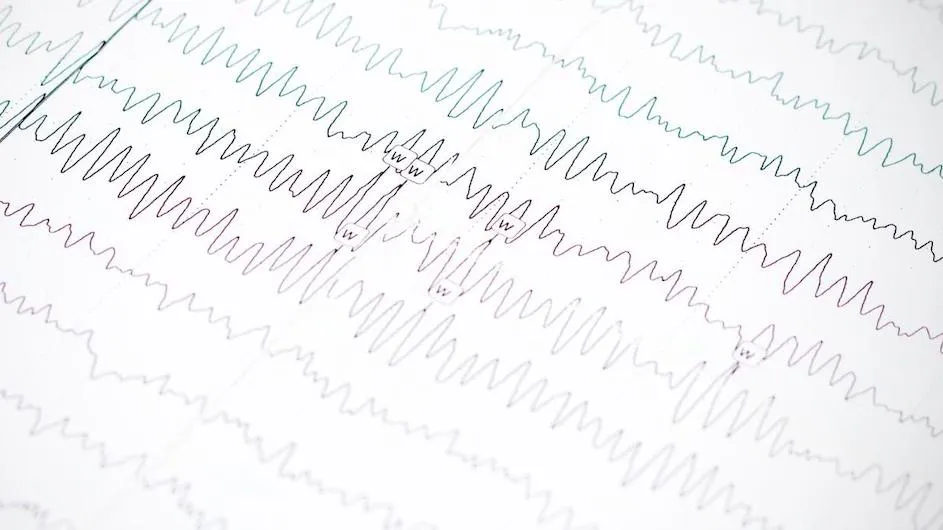
New research from Columbia may help physicians identify the brain-injury patients likely to achieve long-term recovery.
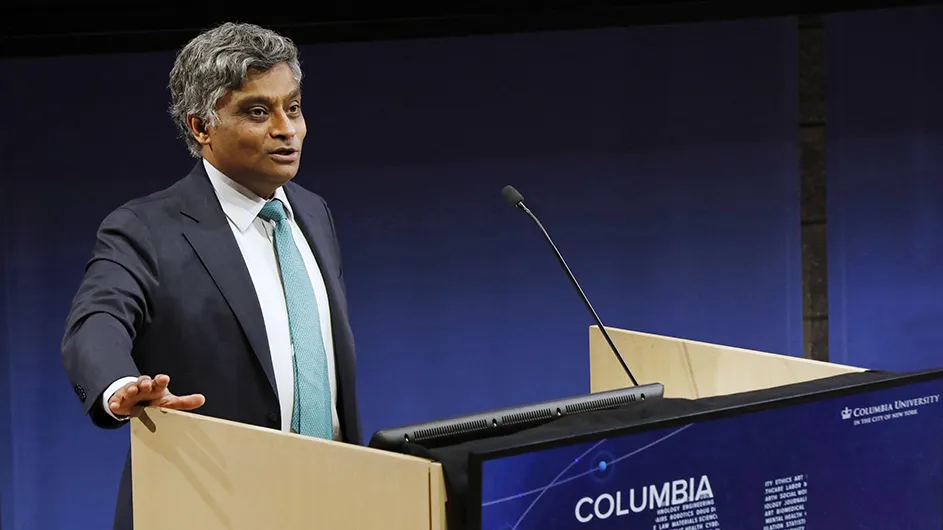
The day-long series of events showcased the unparalleled depth of the University’s AI expertise.