

COLUMBIA SCIENCE IN THE NEWS
The New York Times
September 6, 2026
Science
August 28, 2026
The New York Times
August 20, 2026
RECENT STORIES
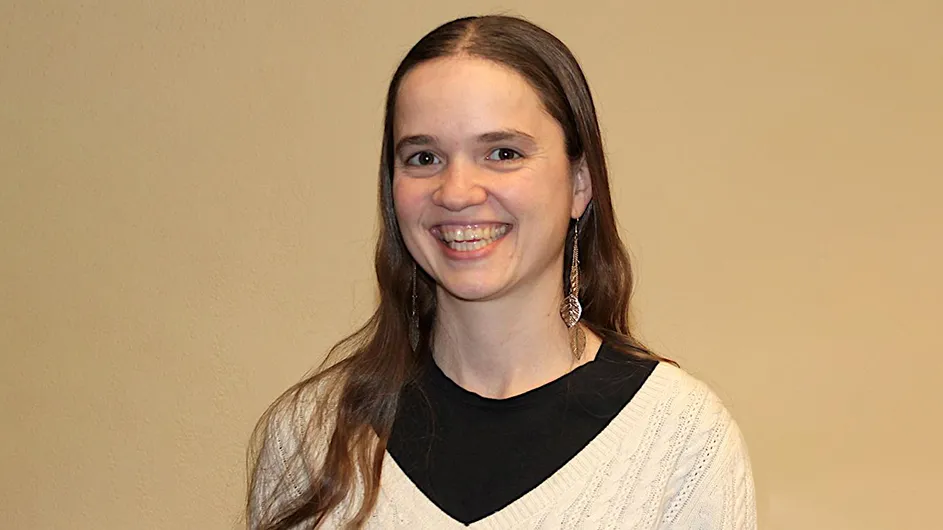
Psychology Professor Larisa Solomon aims to understand how people respond to those whose religious beliefs differ from their own.
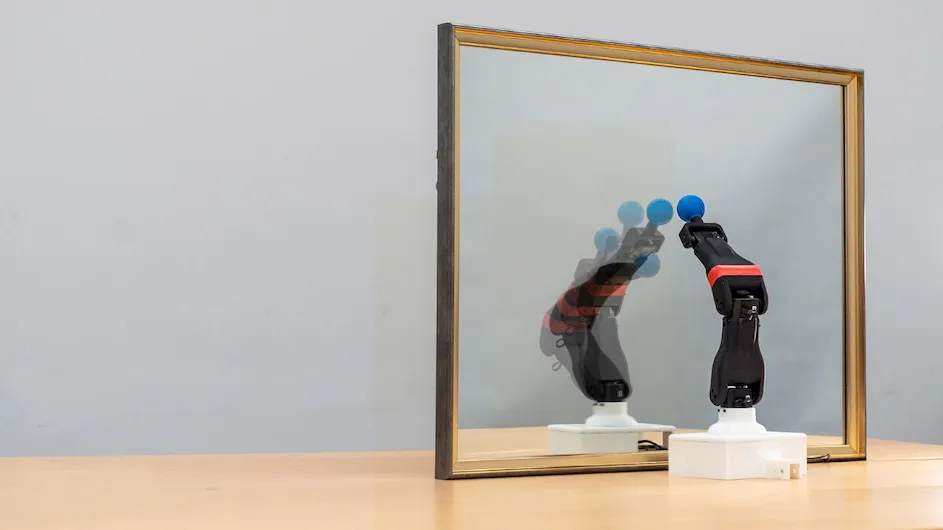
Columbia Engineering researchers built robots that can learn skills like self-repair by observing their own movements.
Students who complete the program will receive both a Master of Science in Climate and a Master of Science in Carbon Management.
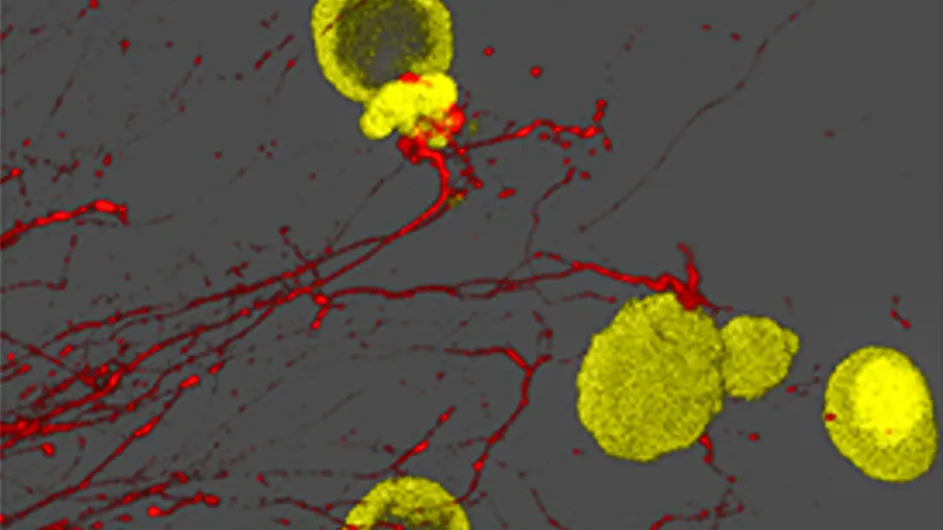
New research offers insight into how cancers progress, raising fresh questions, and the possibility of improved drug treatments.

New Columbia research looks at ultra-processed foods, sedentary lifestyles, and other possible explanations.
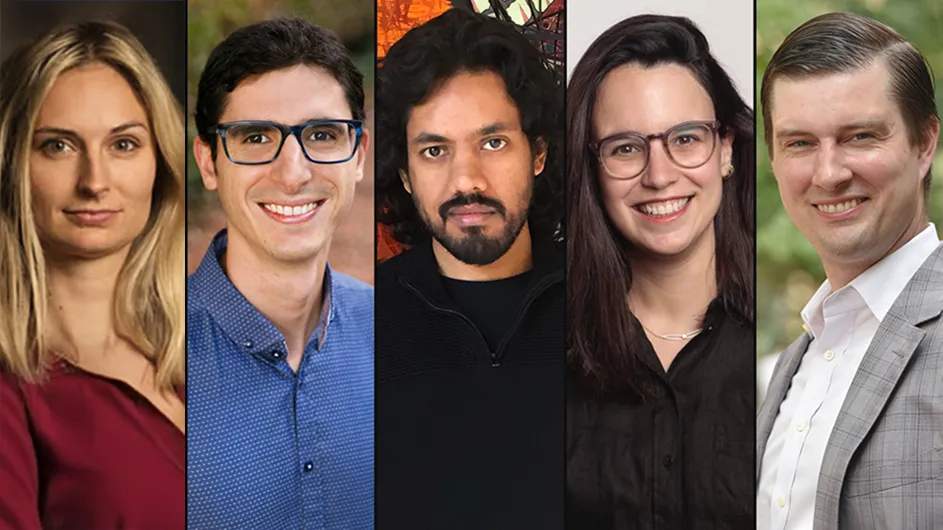
They were recognized for contributions to chemistry, computer science, economics, neuroscience, and physics.
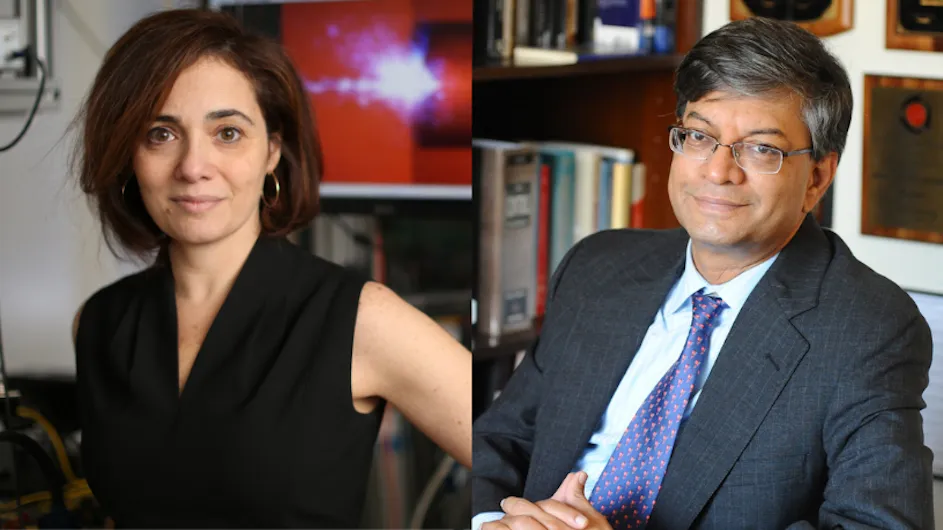
The professors were honored for transformative contributions in photonics, AI, and engineering systems.
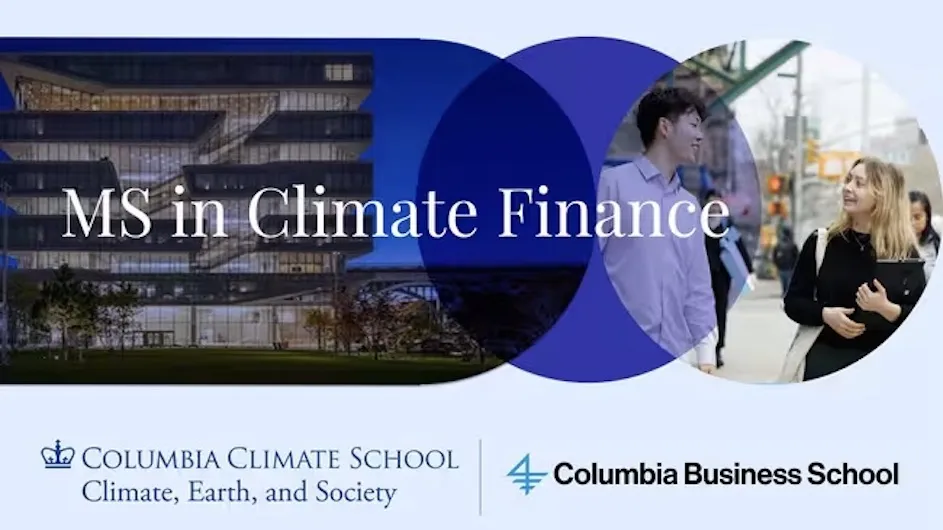
The interdisciplinary degree will drive solutions to the climate crisis through advanced financial tools and scientific knowledge.
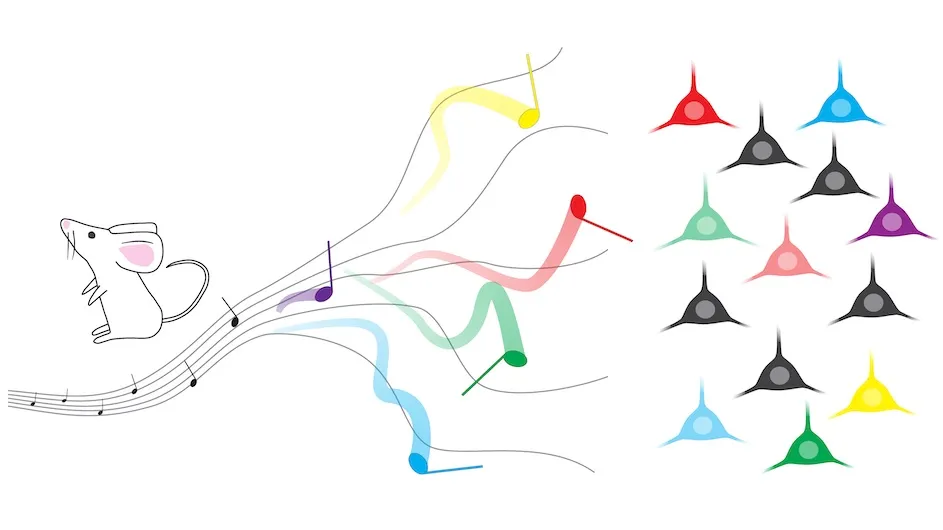
A study sheds light on how networks in the brain detect new information, offering insight into disorders like schizophrenia.

A new study warns that widespread areas may soon become too hot during extreme heat events for even healthy people to survive.
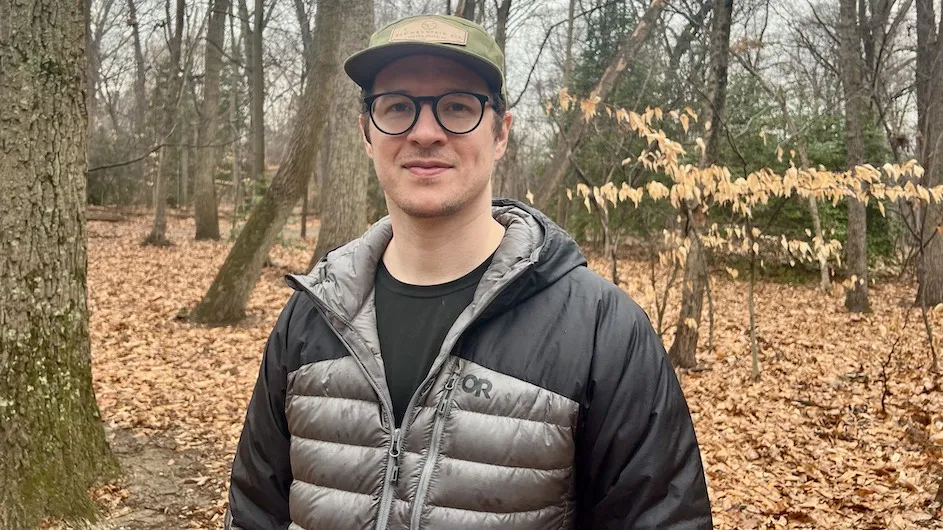
Cody O’Ferrall worked as a fisherman in Alaska before studying here. Now he's building a boat to clear urban ponds of algae.
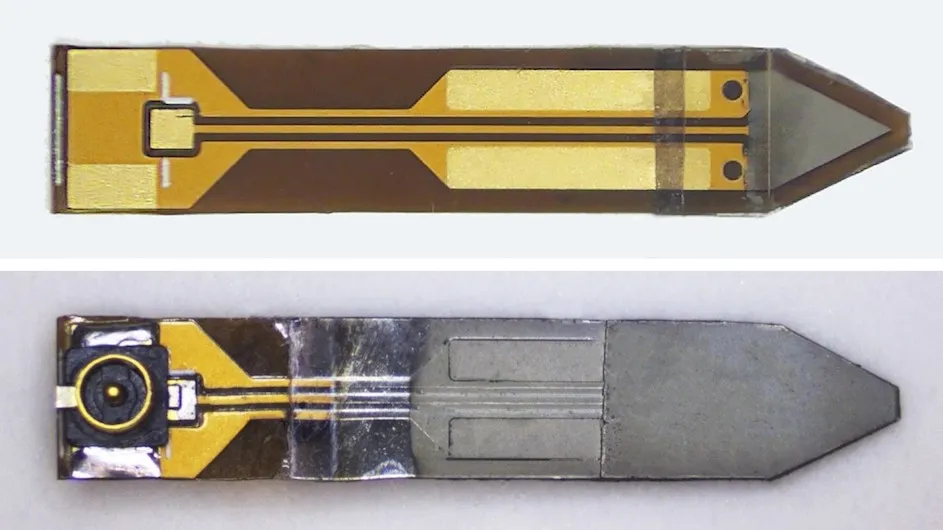
A team of researchers developed a tiny implantable microphone, paving the way for fully internal cochlear implants.