


COLUMBIA SCIENCE IN THE NEWS
The New York Times
September 6, 2026
Science
August 28, 2026
The New York Times
August 20, 2026
RECENT STORIES
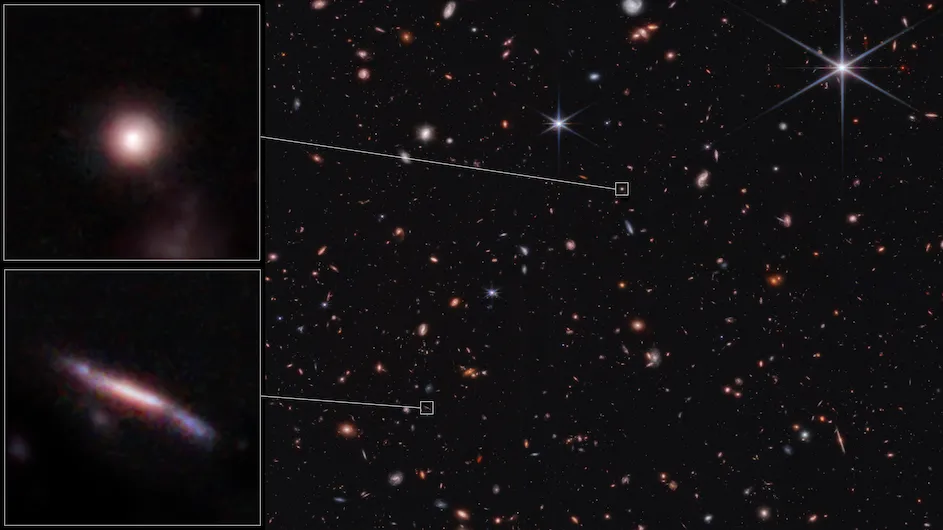
Data from NASA’s James Webb Space Telescope suggests that many early galaxies were long and thin, not disk-like or spherical.

In a new paper, Roy’s team outlines the unusual quantum behavior of a new material they created, cerium silicon iodide.

New research presents a roadmap for researchers and policymakers to produce more effective misinformation countermeasures.

New research found that small declines in blood lead levels were associated with long-term cardiovascular health improvements.
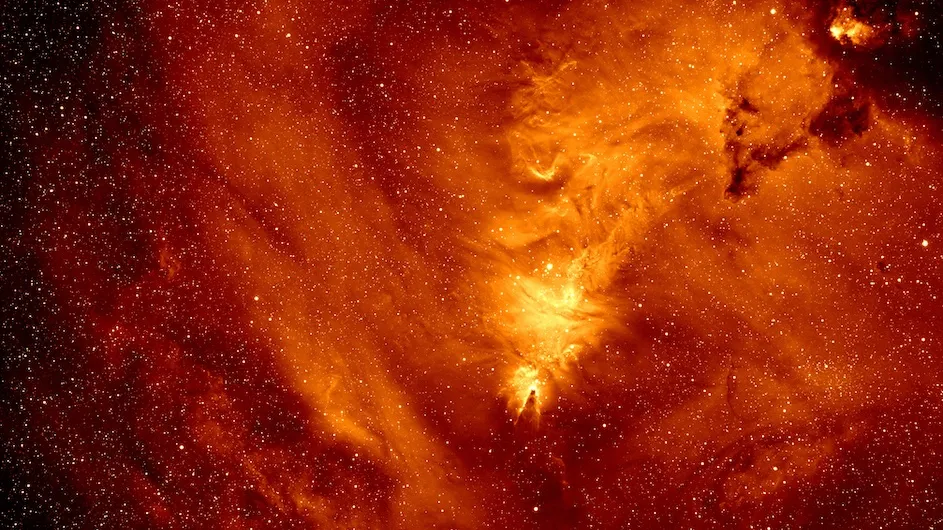
The data release kicks off an astronomy partnership with the Michele and David Mittelman Family Foundation.
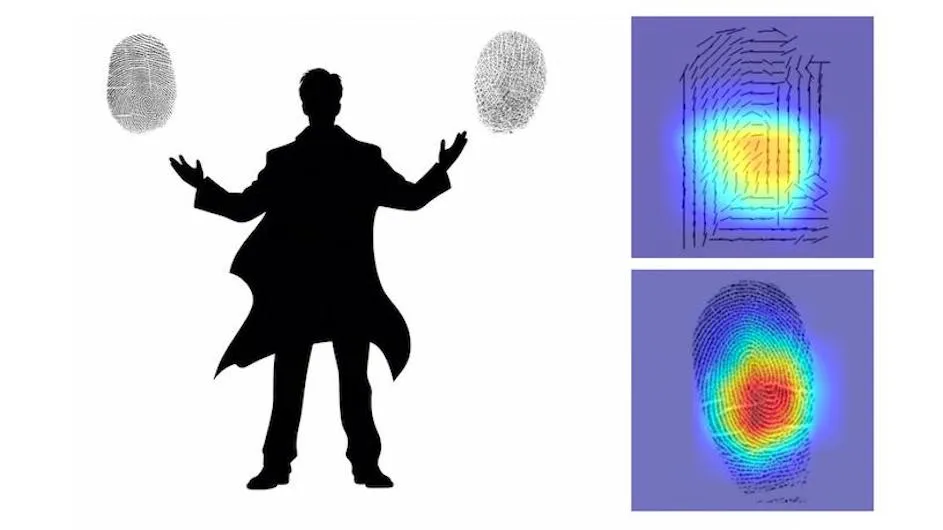
Columbia engineers have built a new AI tool that shatters a long-held belief in forensics.

Beqaj will graduate this spring with both a medical degree and a master’s in biomedical sciences.
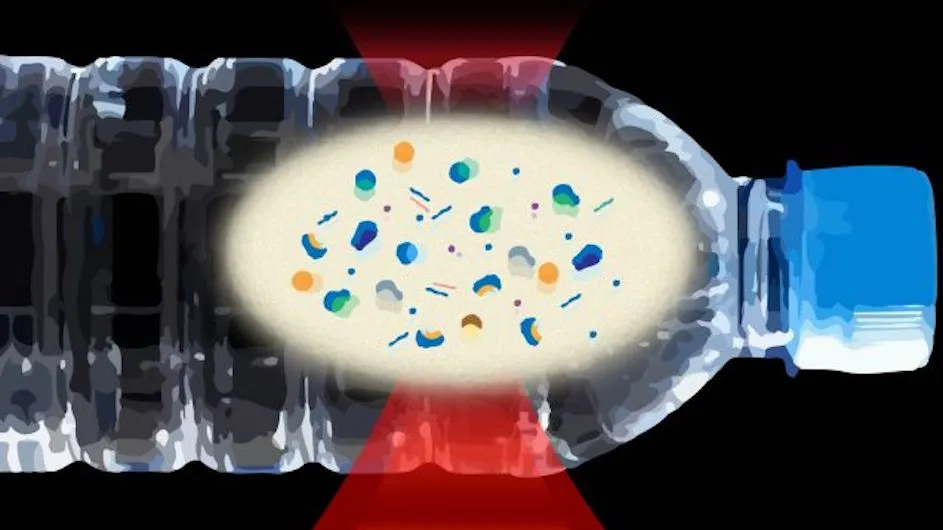
A new research technique zeroes in on the little-explored world of nanoplastics, which can pass into blood, cells, and the brain.

A new computational facility will be used by the University and six other research institutions to promote responsible research and development.
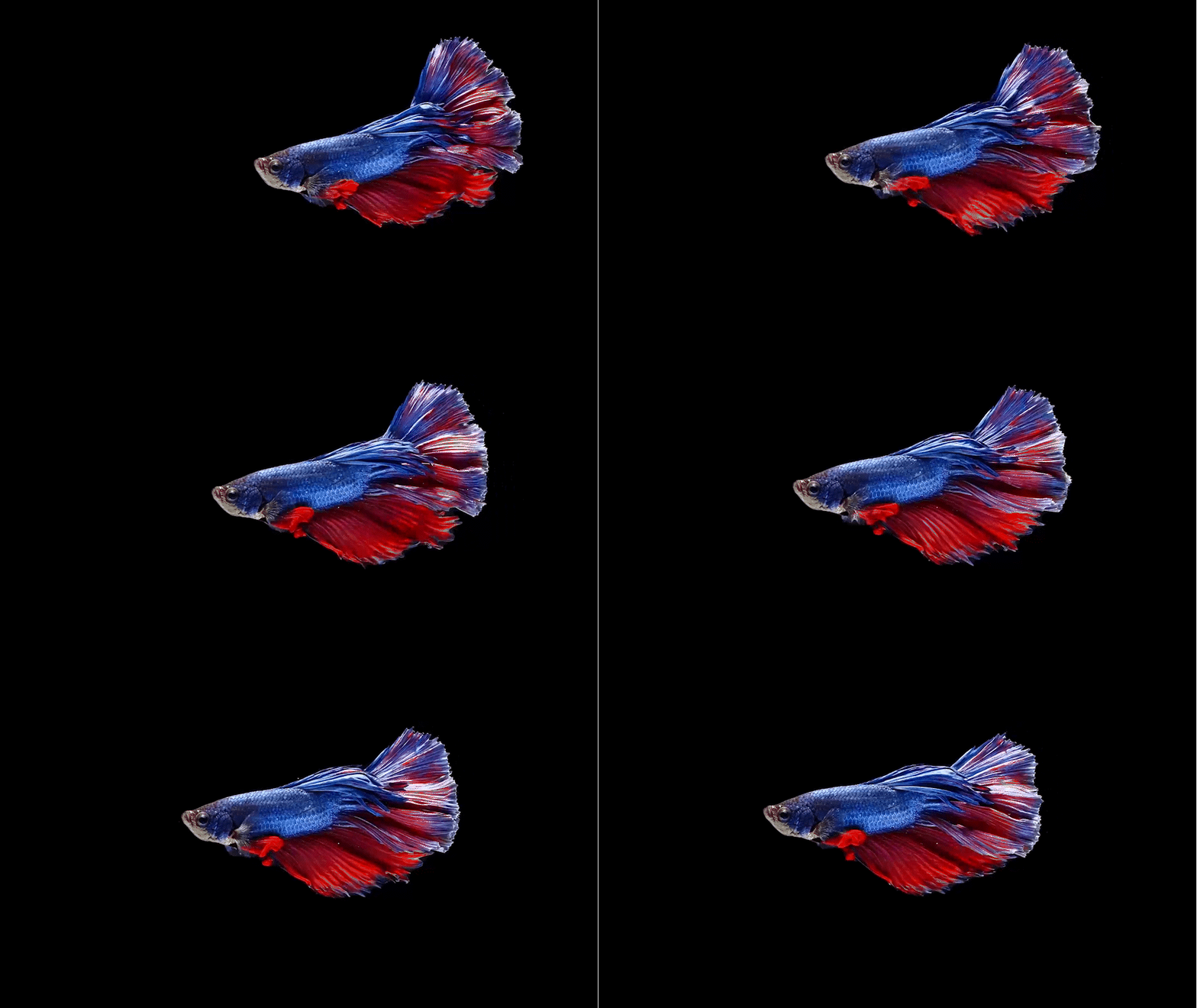
A Columbia neurobiologist fishes for an aggression gene.

The study also asserts the need for clear standards for what evidence gets used in policy decisions.
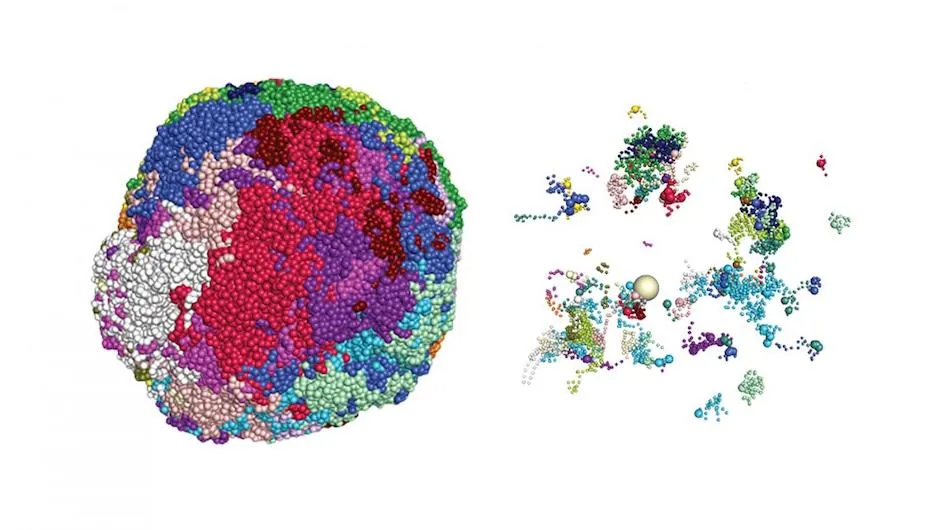
Researchers found a mechanism that could explain how neurons in mammal noses become tailored to detect a specific odor chemical.