


COLUMBIA SCIENCE IN THE NEWS
The New York Times
September 6, 2026
Science
August 28, 2026
The New York Times
August 20, 2026
RECENT STORIES
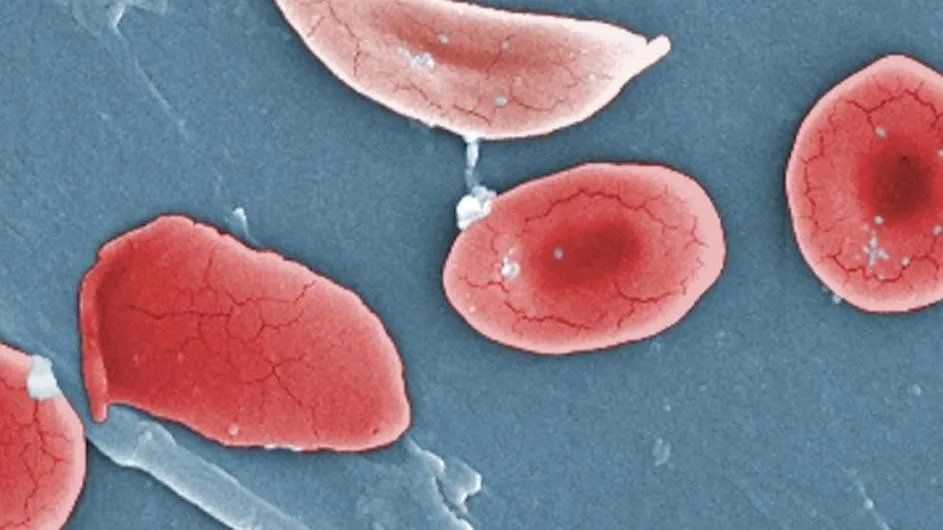
Columbia physicians treated patients with the therapy in the clinical trials that led to FDA approval.
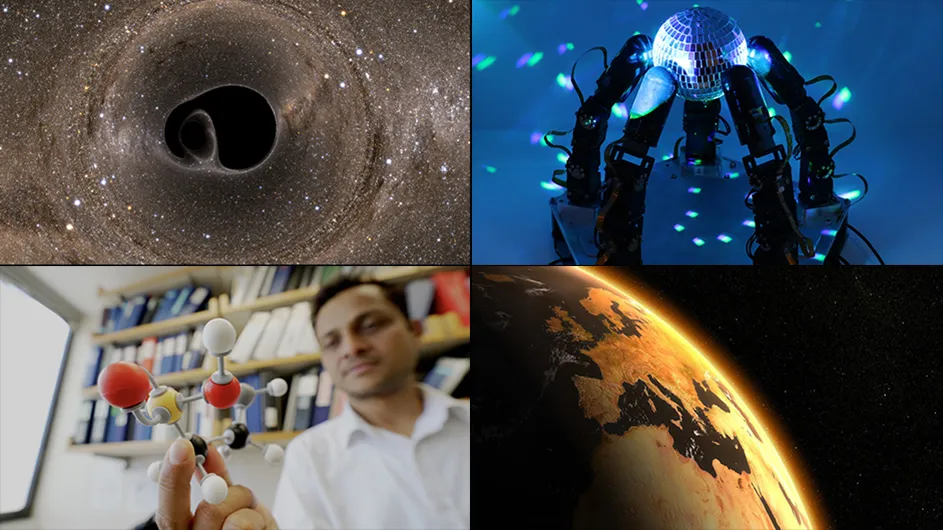
The University put out major studies in climate science, public health, neuroscience, and quantum mechanics this year.

A new study shows that people use facial appearance to make sentencing decisions, and finds an intervention to counter the bias.

In a new op-ed, Professor Shunichi Nakagawa argues for the importance of advance care planning.

The findings highlight the potential of couple-based health screening, skills training or joint participation in programs.
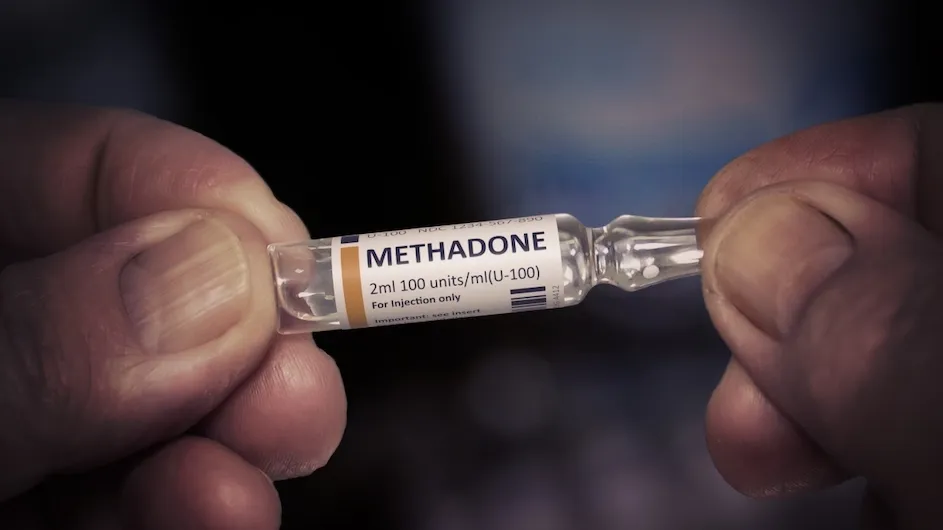
A new study indicates that more flexible, take-home methadone policies could help close a gap in care.

Stressful experiences appear to be transmitted from mother to child during pregnancy, according to a new study.
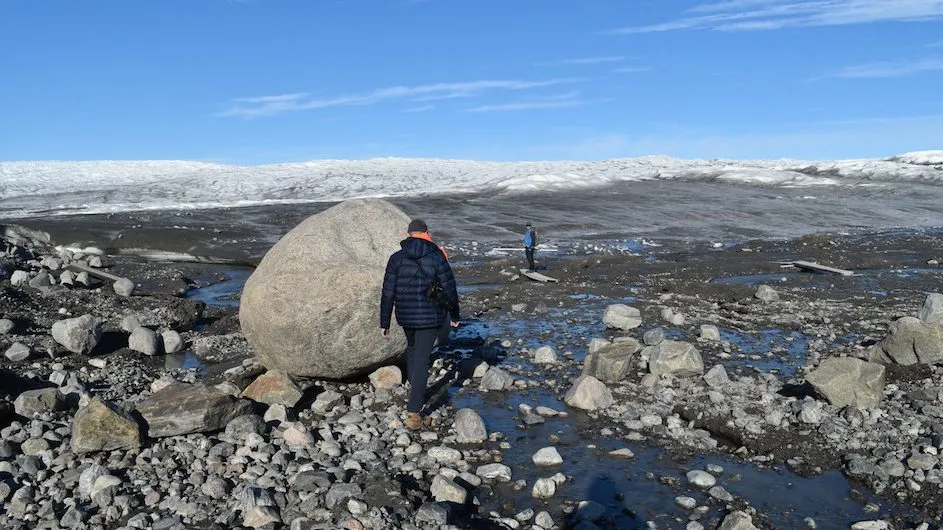
A new large-scale study lays out a daunting picture of where the Earth’s climate may be headed.

A mouse study found that the drug can alter the brain's dopamine system, boosting the case for more targeted medical use.

One in three heart attack survivors report symptoms that meet the criteria for post-traumatic stress disorder (PTSD).

Coverage gaps are a particular problem for commercially insured children, but affect publicly insured children, too.

The new findings are the first to show brain changes over the course of years.