


COLUMBIA SCIENCE IN THE NEWS
The New York Times
September 6, 2026
Science
August 28, 2026
The New York Times
August 20, 2026
RECENT STORIES

If you want to know, Alexandra Horowitz, who runs Barnard’s Dog Cognition Lab, may be able to tell you.
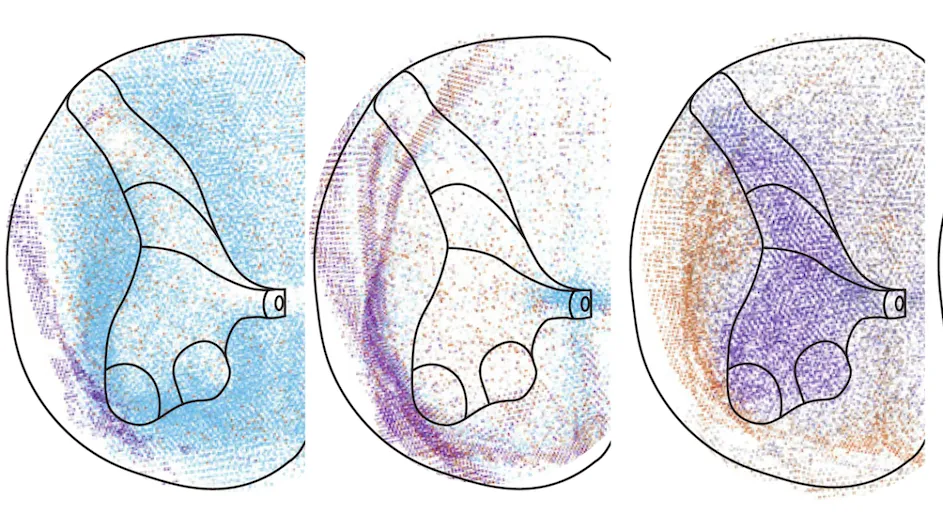
With the help of the new atlas, researchers found features of motor neurons that make them vulnerable to degenerative disease.
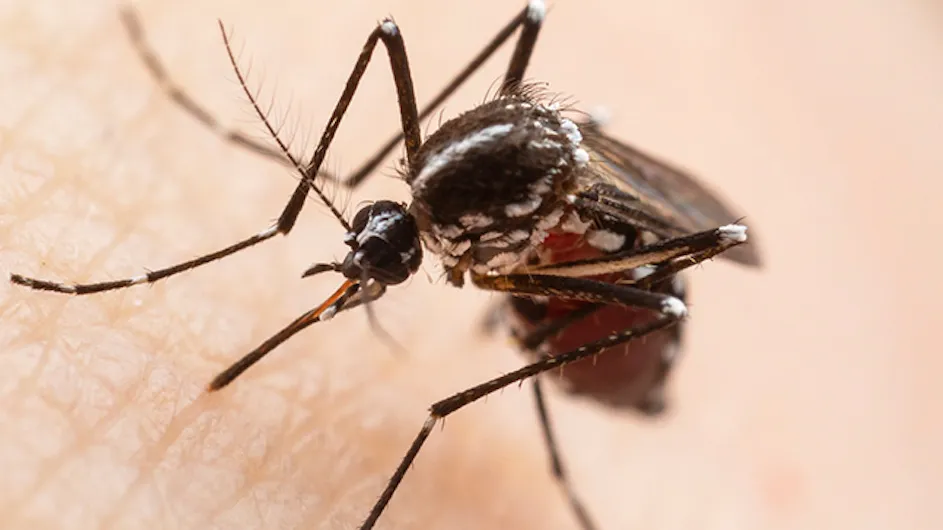
A Columbia lab uses state of the art technology to study one mosquito species' approach to preserving eggs in hostile environments.

Reducing calorie intake appears to slow biological aging processes and extend healthy lifespans, according to new research.

If your quality of life is disrupted by menopause symptoms, hormone replacement therapy may be appropriate.
Certain healthy gut bacteria are reduced in people with chronic fatigue, new research shows.

Here are some implications and ideas to weigh as the awful news continues to emerge from the world’s latest great seismic jolt.
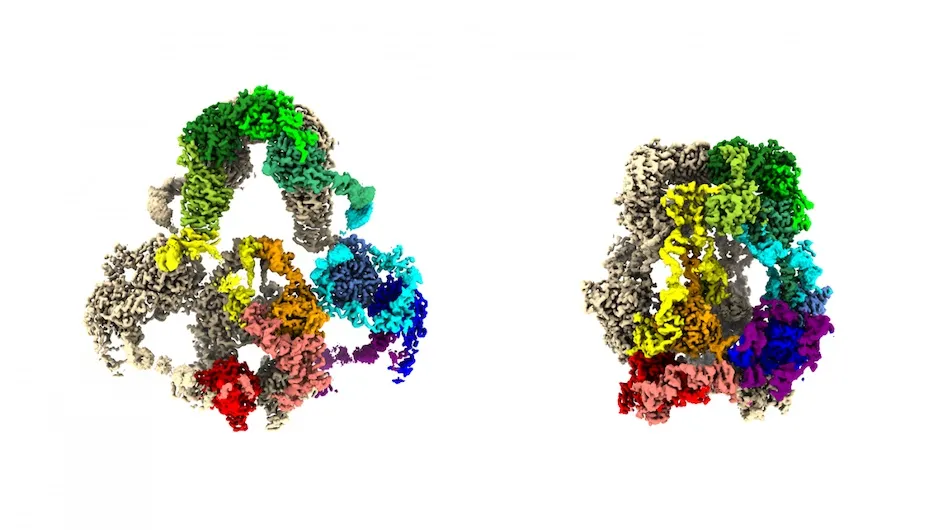
The interdisciplinary research opens avenues in treating chronic kidney disease, Alzheimer's, and other illnesses.

Young blood has a rejuvenating effect when infused into older bodies, according to recent research.

The program supports new collaborations with the goal of developing interdisciplinary relationships among Columbia faculty.

Store shelves are loaded with beauty and hygiene products containing seriously harmful chemicals.
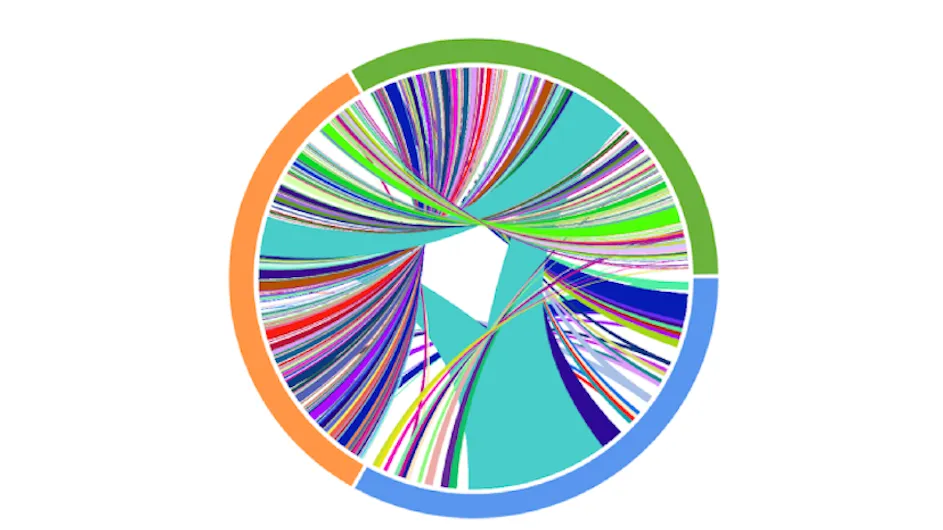
Their new method extracts high-quality information from small amounts of frozen tumor tissue.