


COLUMBIA SCIENCE IN THE NEWS
The New York Times
September 6, 2026
Science
August 28, 2026
The New York Times
August 20, 2026
RECENT STORIES
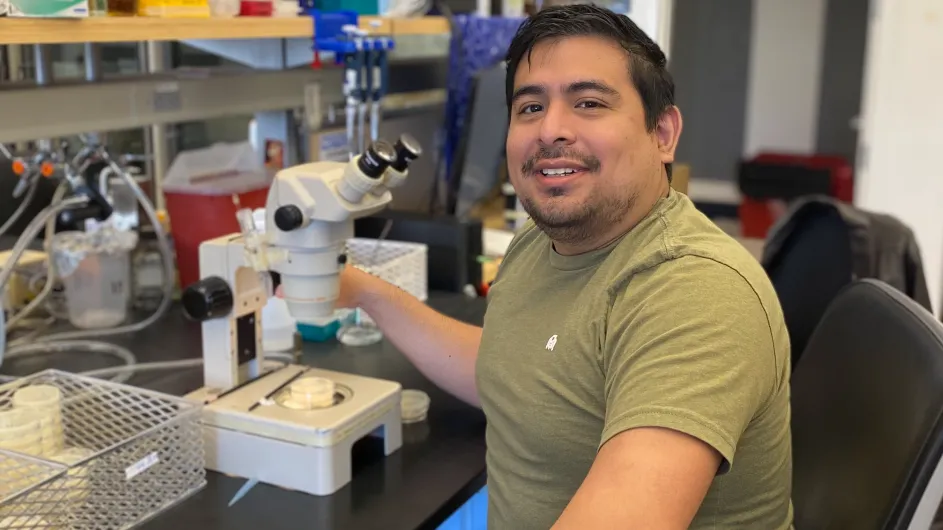
Postdoc Robert Fernandez studies the nervous system of roundworms and helps students from underrepresented backgrounds pursue science.

Local governments and policymakers are anxious about the U.S. grid’s ability to withstand ever-increasing demand. Consumers could hold the key to an untapped resource.
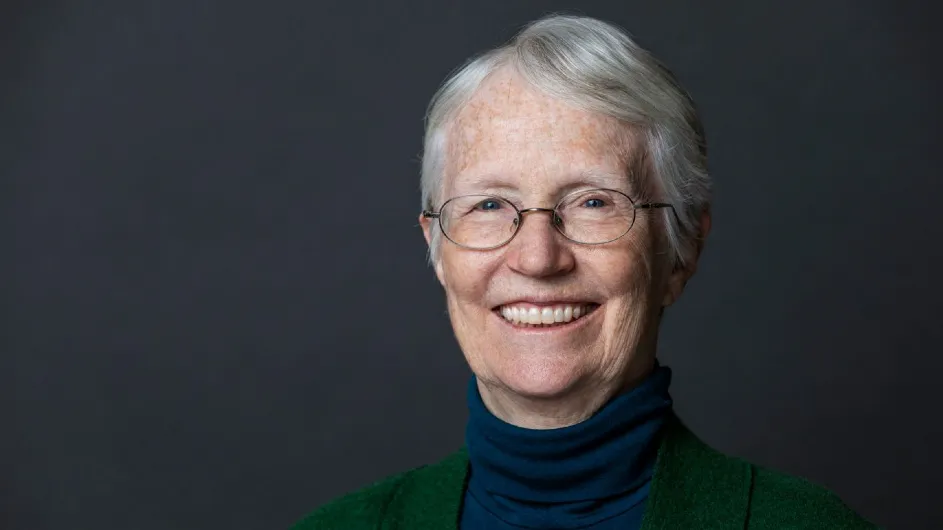
Rosenzweig was honored for her pioneering work modeling the impact of climate change on food production.
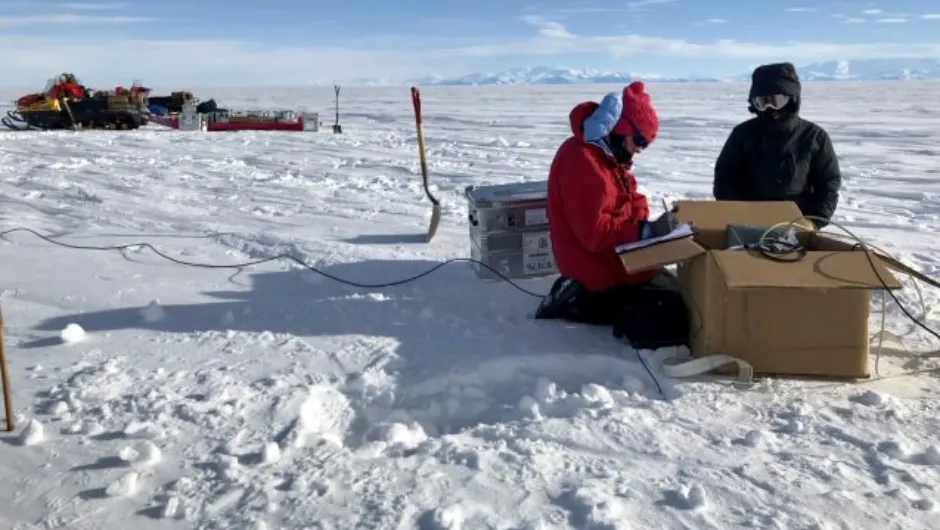
The previously unmapped reservoirs could speed the flow of glaciers to the sea.

Columbia researchers devised a new metric as an alternative to the most commonly used aging metric.

Columbia dermatologist Dr. Dawn Queen runs through the facts on skin color, skin cancer, and other effects of ultraviolet rays.
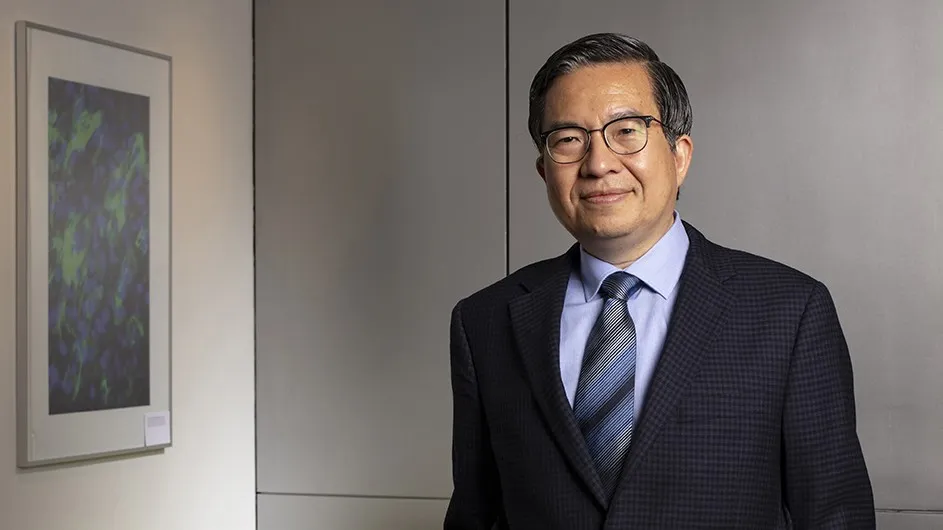
As dean, he will promote efforts that grow the university's capacities for innovative research.

Columbia committed to defending intellectual property rights. Unanimous verdict ensures professors and researchers recognized for innovative work.

When motivated to seek specific information, people tend to also become receptive to more information types.
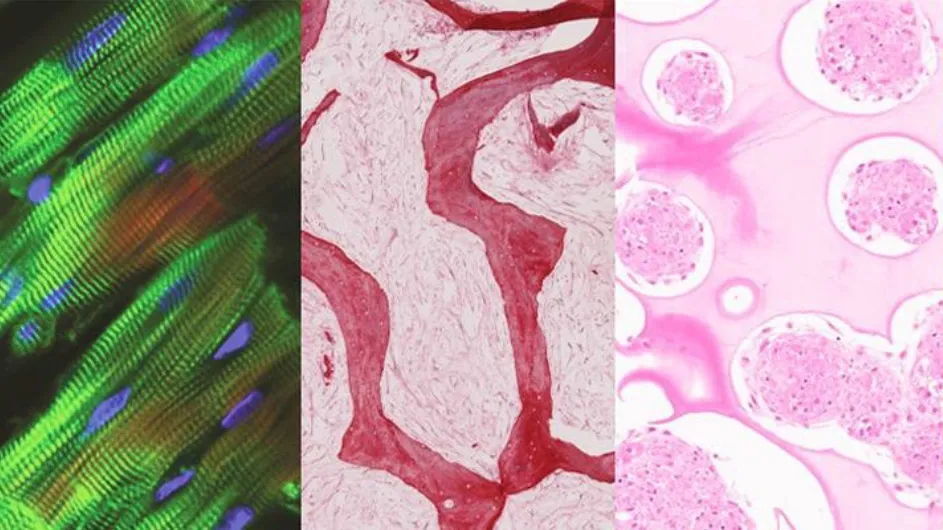
Columbia researchers have built a human tissue-chip system that links heart, liver, bone, and skin tissue modules.
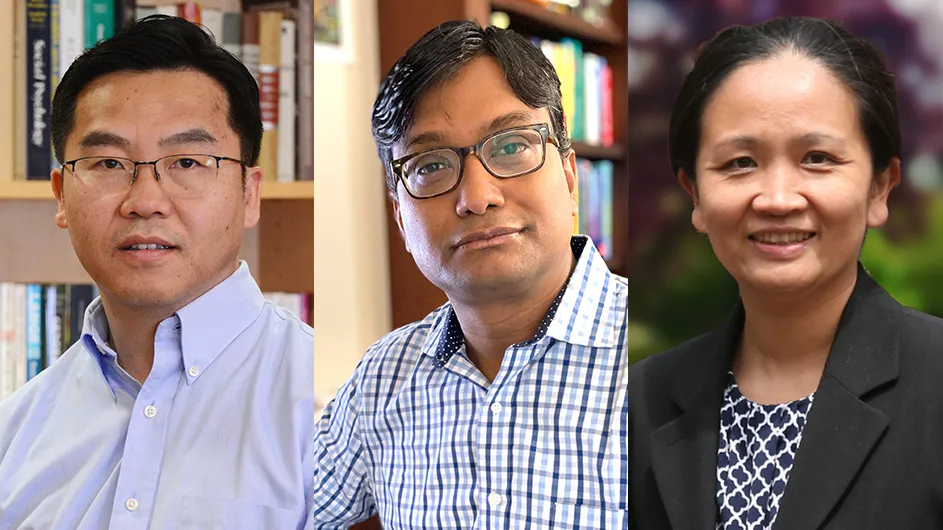
Professors Zhezhen Jin, Bodhi Sen, and Tian Zheng were recognized for their contributions to statistics.
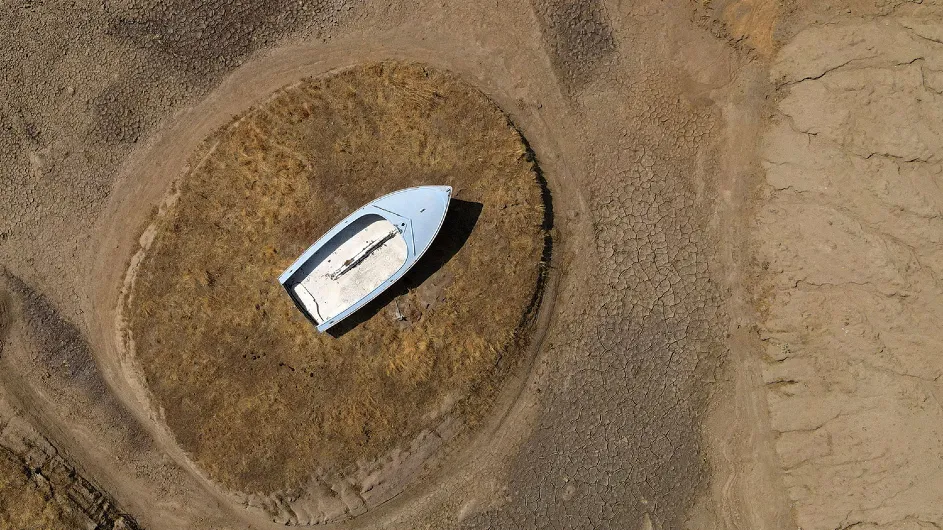
Columbia experts are on the frontlines of climate change, documenting the dangers and developing solutions.