

COLUMBIA SCIENCE IN THE NEWS
The New York Times
September 6, 2026
Science
August 28, 2026
The New York Times
August 20, 2026
RECENT STORIES
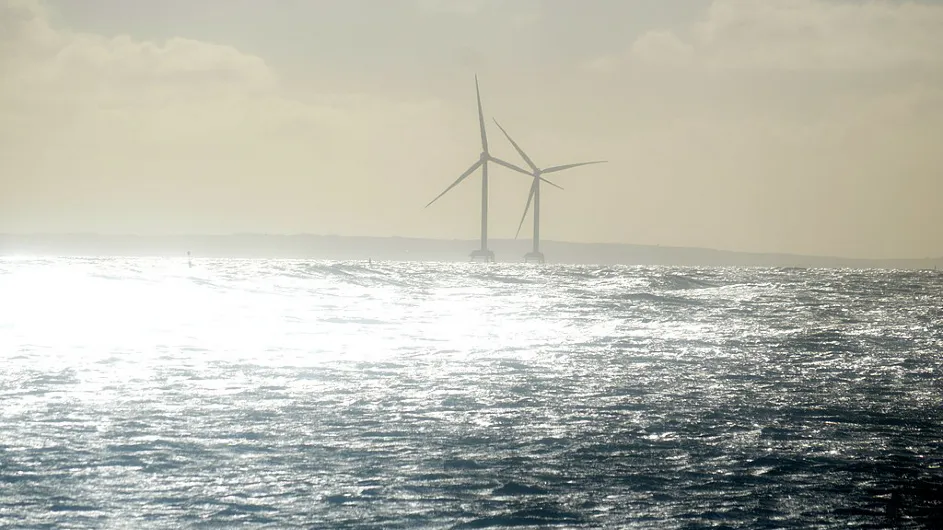
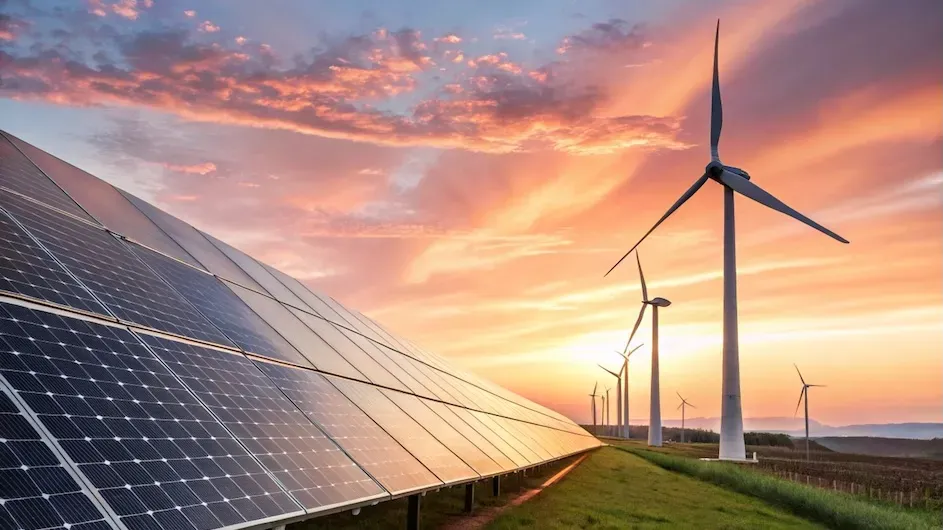
It could be a money and a climate saver, writes David Goldberg, a geophysicist at Columbia’s Lamont-Doherty Earth Observatory.
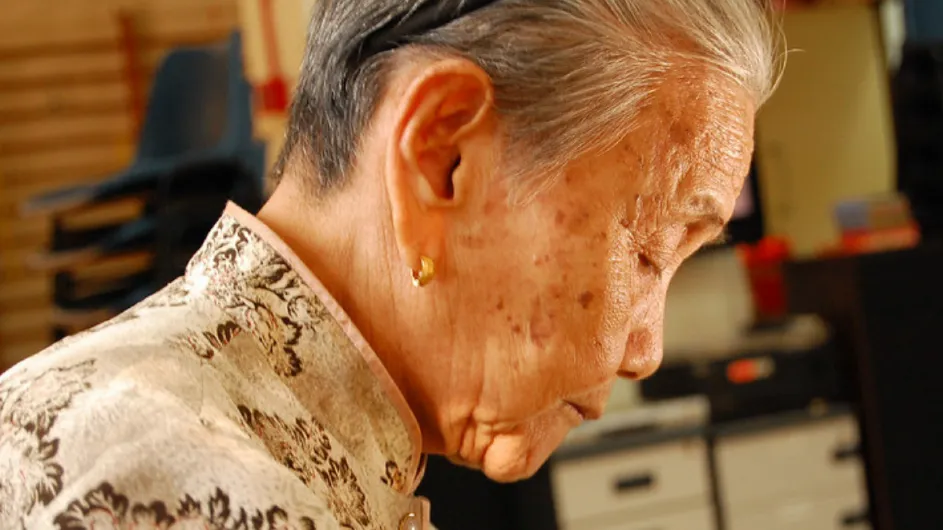
With new funding, Columbia’s ICAP will conduct follow up interviews with older New Yorkers on their health and wellbeing amid the ongoing pandemic.
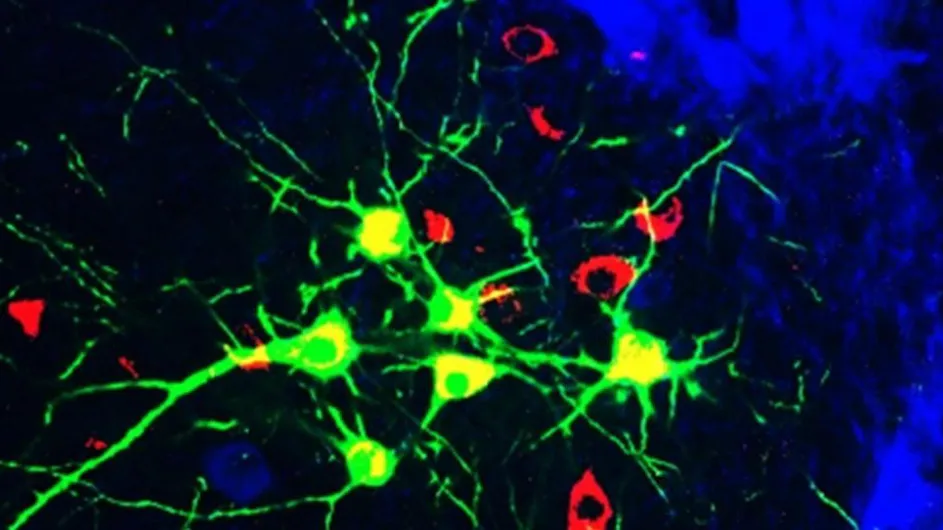
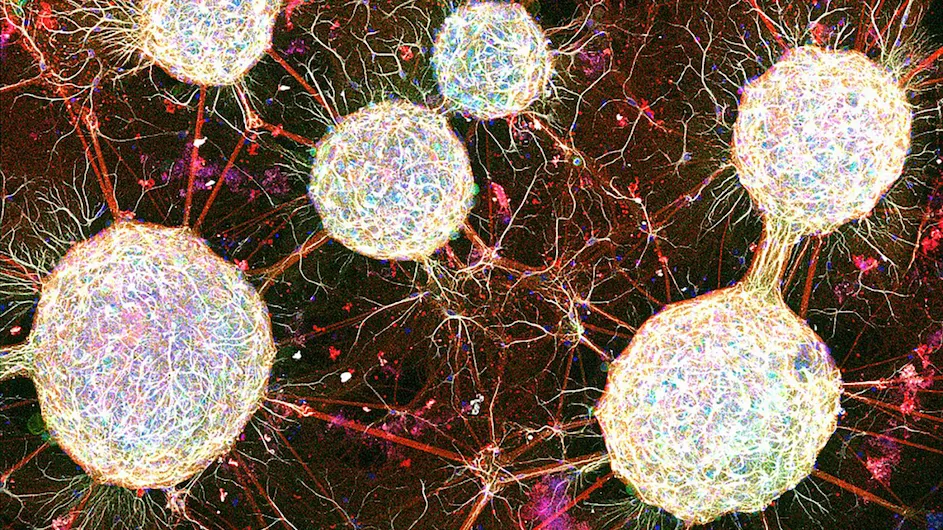
A single type of neuron is responsible for keeping our legs in lockstep, new research shows.

Columbia Business School professor Bruce Usher explains what goes into creating an effective carbon market.
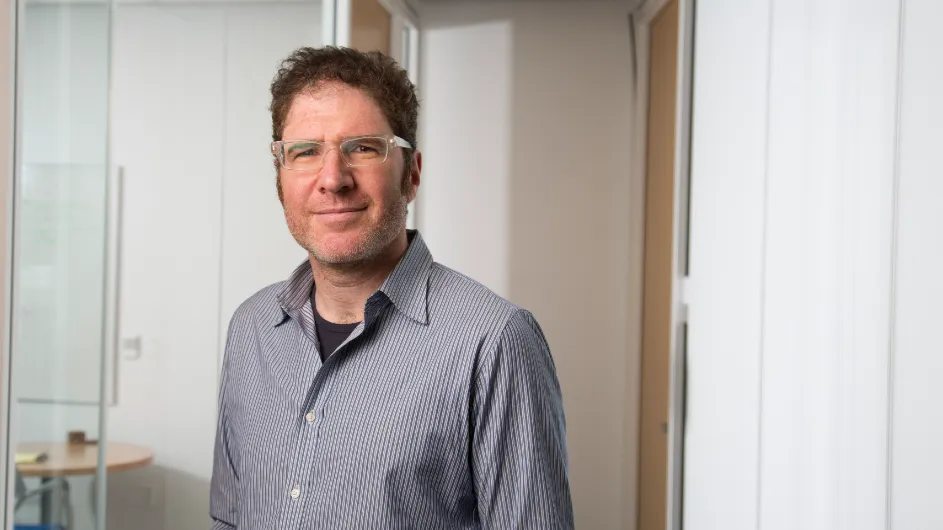
Computer scientist David Blei, with co-authors Matthew Hoffman and Francis Bach, is recognized with a Test of Time Award at NeurIPS, the world’s top machine learning conference, for scaling his topic modeling algorithm to billions of documents.
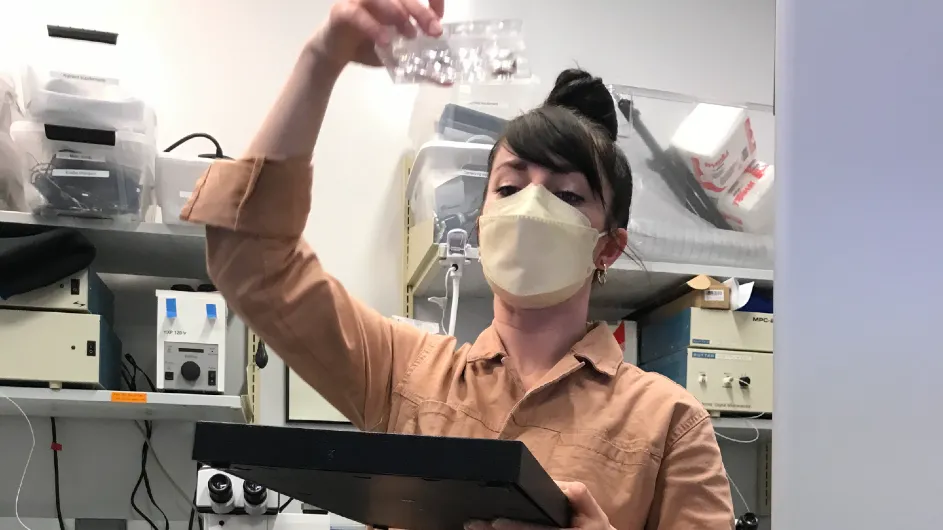
Tessa Montague, a postdoc at the Zuckerman Institute, studies the neural basis of camouflage in cuttlefish.
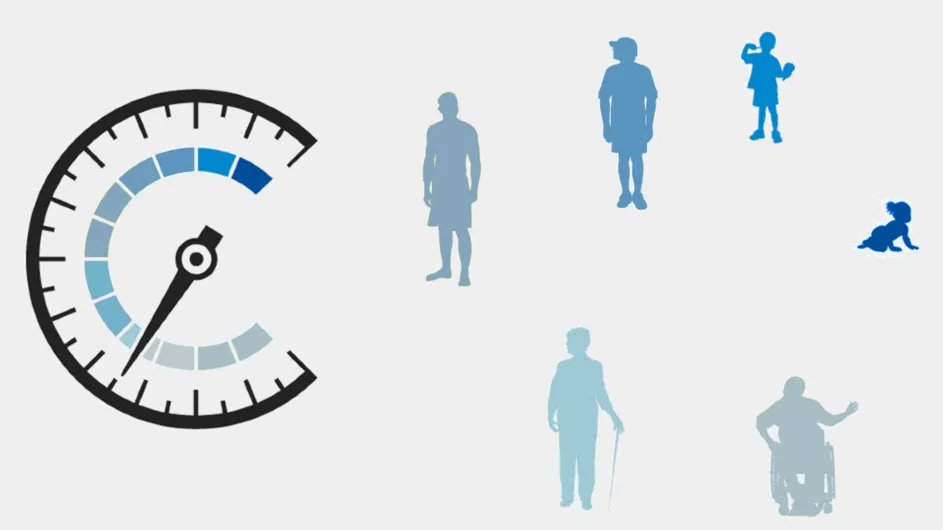
A new tool developed at Columbia's Mailman School of Public Health that measures how fast someone is aging could help epidemiologists understand the factors driving accelerated aging in vulnerable populations.
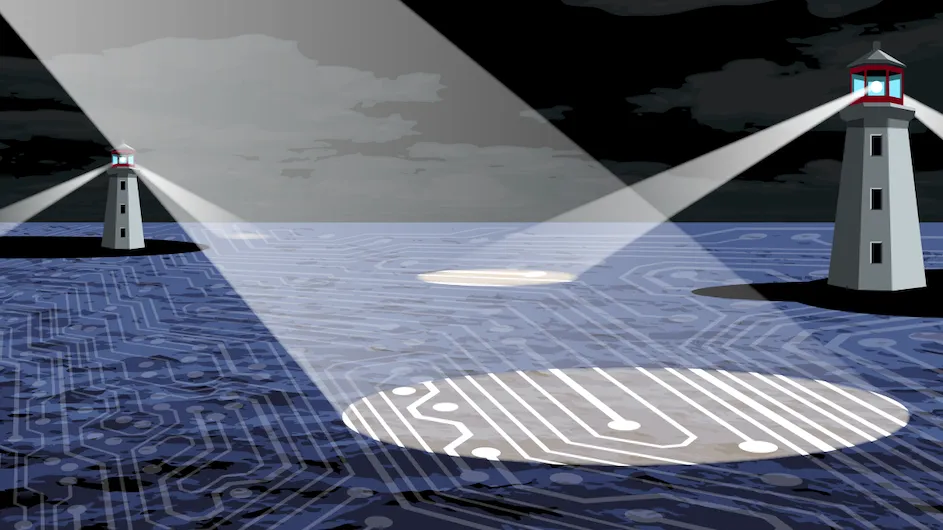
The Knight First Amendment Institute proposes legal protection for certain research and news-gathering projects focused on social media platforms.

Astronomer David Kipping and his Cool Worlds Lab at Columbia find an exomoon signal in archival data, hinting at the possibility of more exomoon discoveries to come.

Abraham Liddell, a postdoc at Columbia’s Data Science Institute, is developing data science tools to uncover personal and community narratives among free and enslaved Africans in the early modern Atlantic economy.

U.S. pharmacists are well-trusted by patients and projected to play an increasingly integral role in health care, says a new study by Columbia’s Mailman School of Public Health and ExpressScripts.
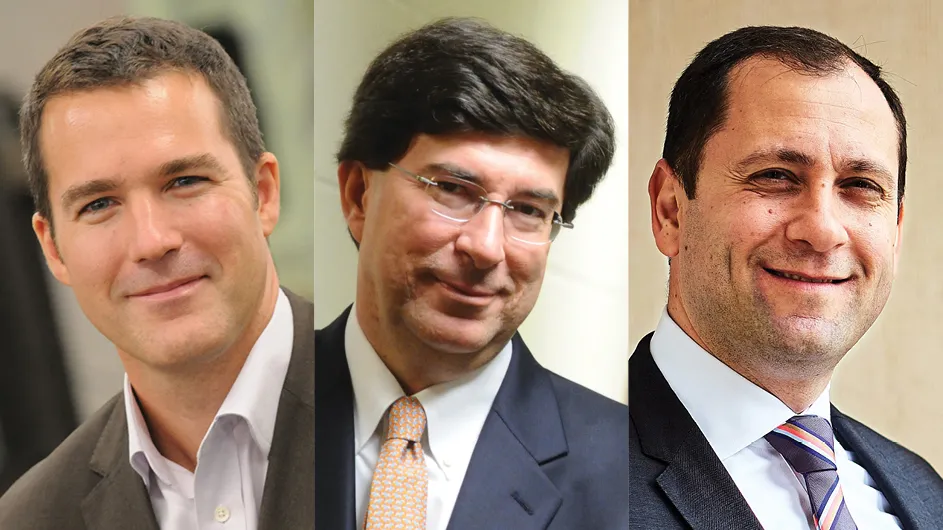
Columbia News spoke with three engineering experts about how to ensure that projects finish on time and on budget.