

COLUMBIA SCIENCE IN THE NEWS
The New York Times
September 6, 2026
Science
August 28, 2026
The New York Times
August 20, 2026
RECENT STORIES
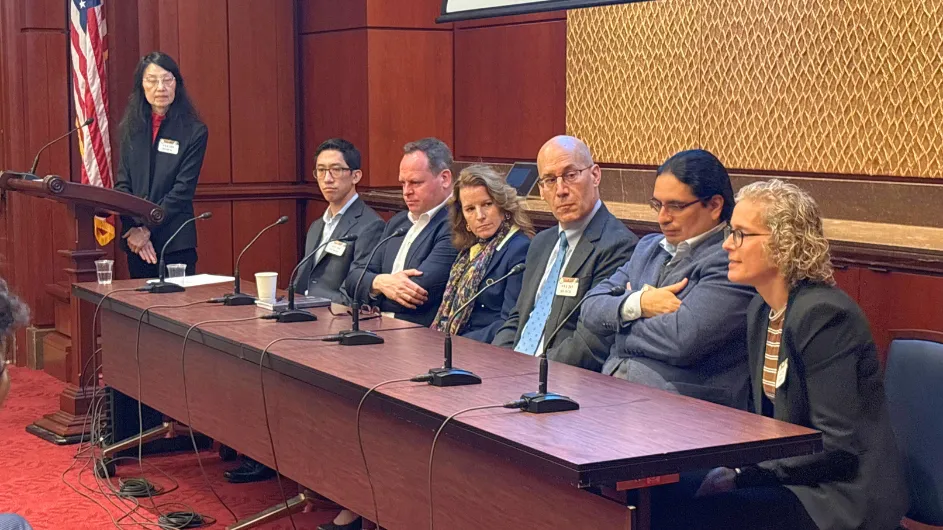
Universities will be critical to keeping America at the forefront of this rapidly advancing field, says research panel.

Faculty and students led panels, poster sessions, and a debate on how AI is shifting pedagogy.
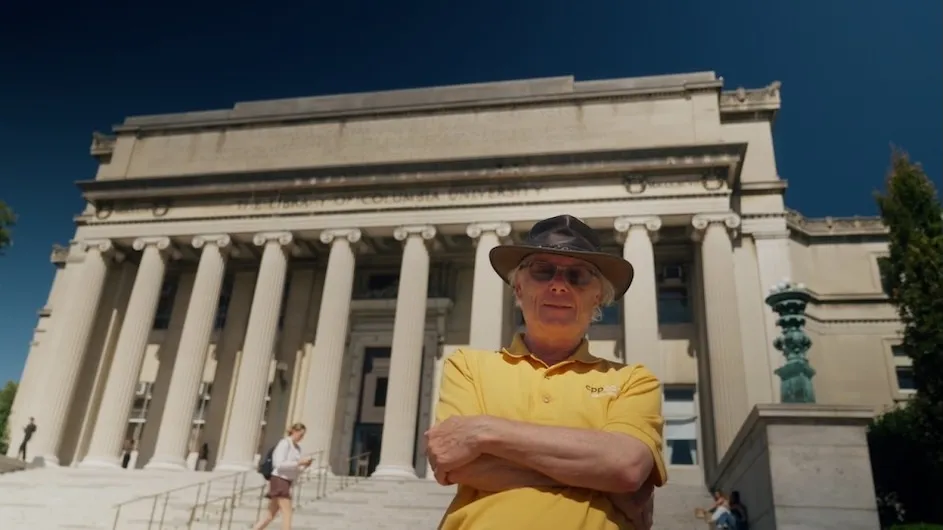
One of the most influential programming languages in history was created by Columbia professor Bjarne Stroustrup.

These trends could have a significant impact on marine life, tourism, and coastal economies.
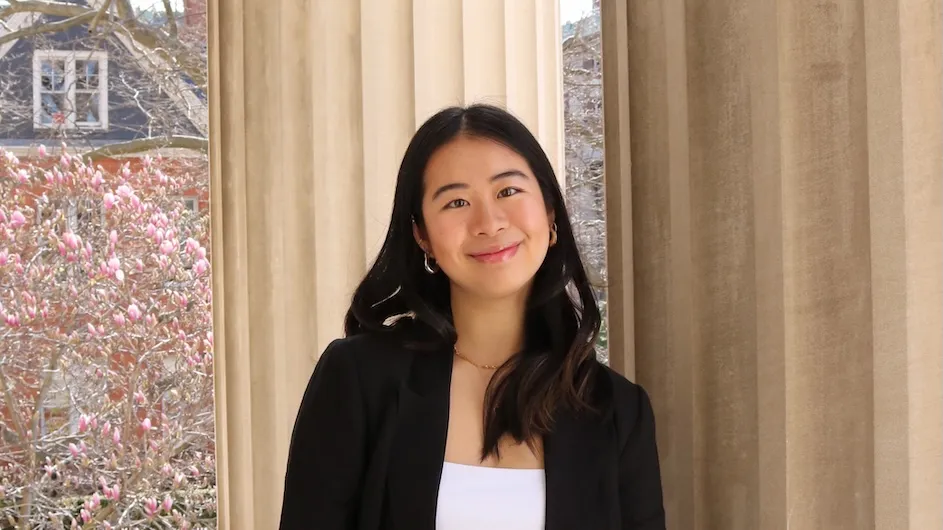
Janie Zhang is studying computer science and psychology, exploring the overlap between human behavior and artificial intelligence.
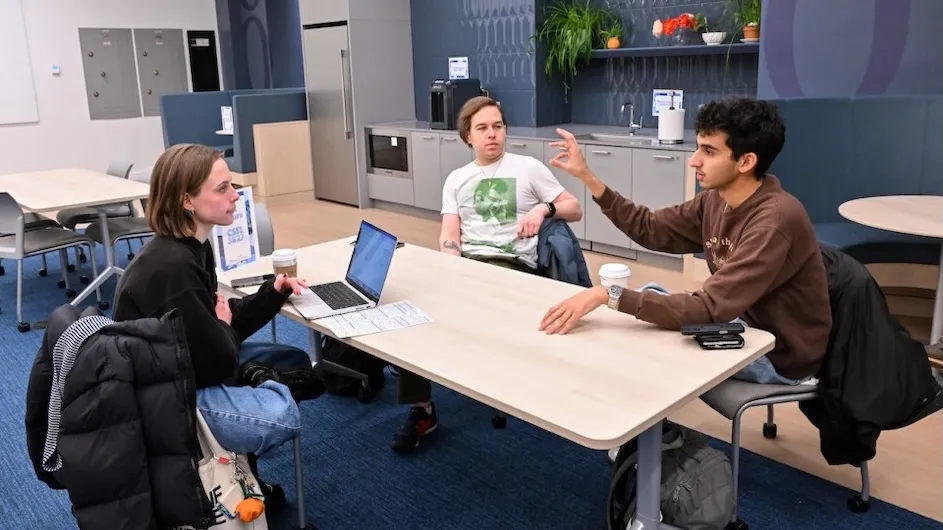
The new space in Schermerhorn Hall will support collaborative learning and community connection among students and faculty.
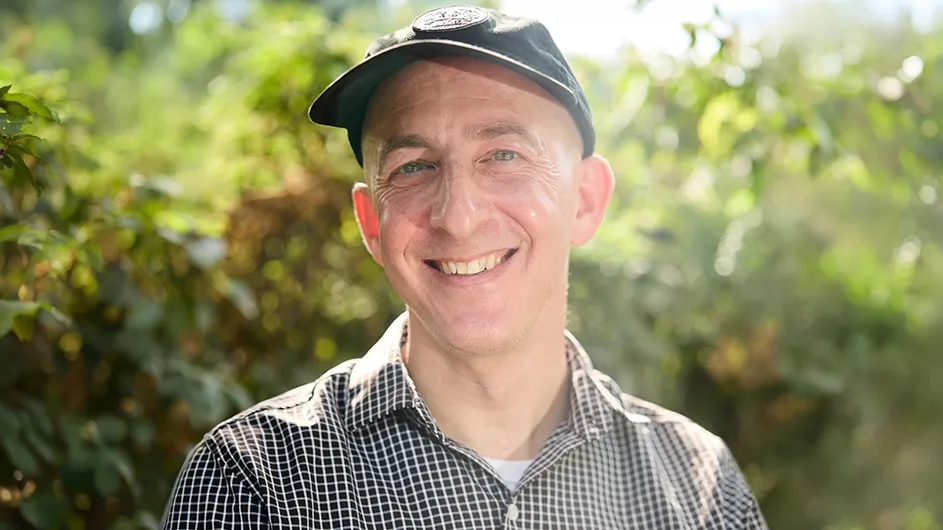
Professor Andrew Blumberg is part of a team that tested AI’s upper limits by asking it to answer unsolved math problems.

A drug developed at Columbia saved the life of the first child to receive the therapy and has now been approved by the FDA.
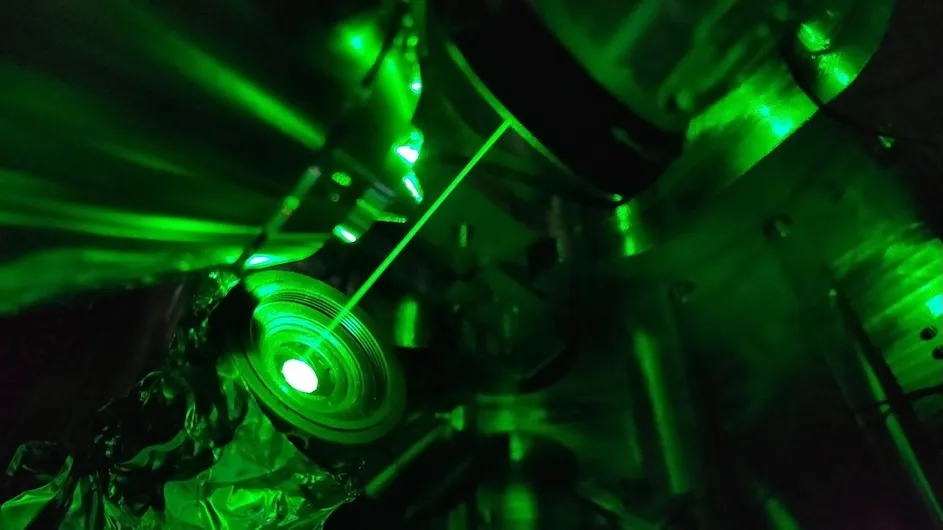
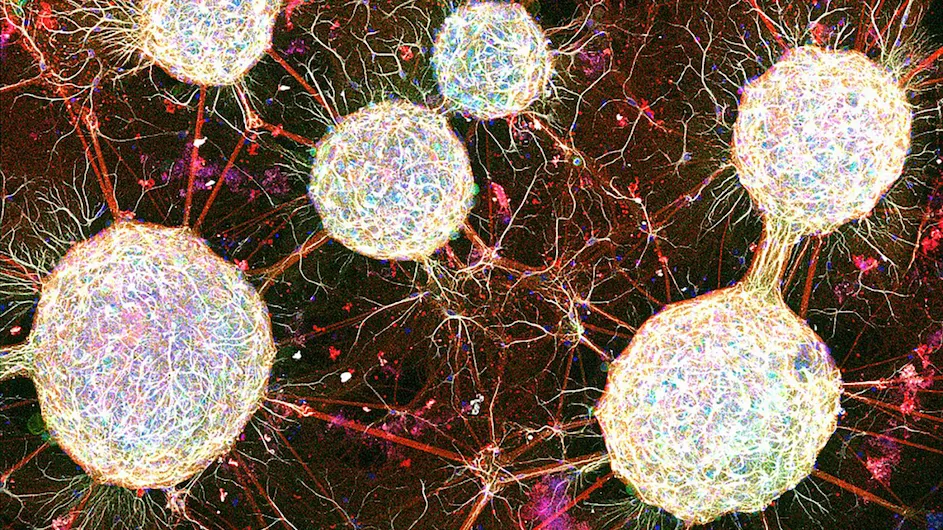
Lasers could help neuroscientists see near-atomic-level details of brain cells more clearly.

Inside the years-long collaboration enabling faster, more precise inspection of components for everything from cars to semiconductors.
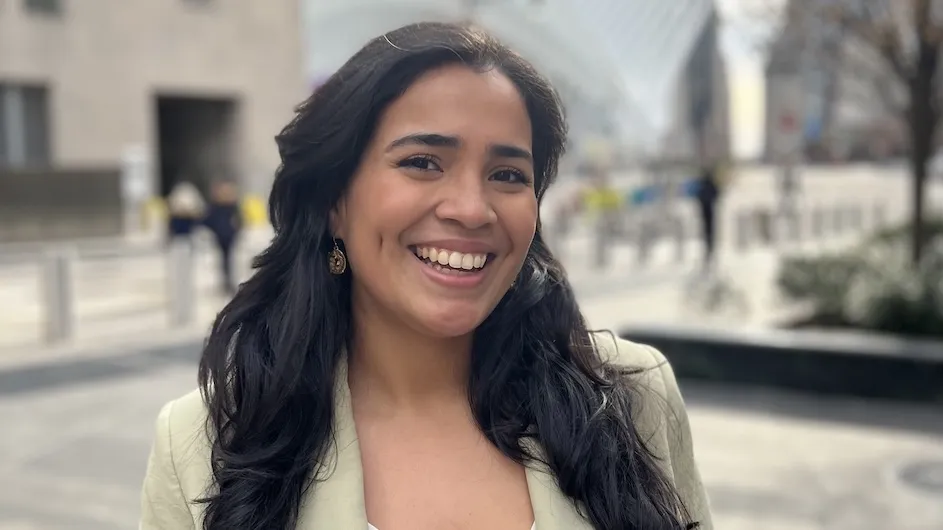
Laura Beatriz Galeano Cardozo will use her master’s in social work to help families access both mental healthcare and basic needs.

The star, in the Andromeda galaxy, collapsed and disappeared without first exploding in a supernova.