


COLUMBIA SCIENCE IN THE NEWS
The New York Times
September 6, 2026
Science
August 28, 2026
The New York Times
August 20, 2026
RECENT STORIES

A new study shows how sensitive parts of the Greenland Ice Sheet are to a level of warming well within the projected range.

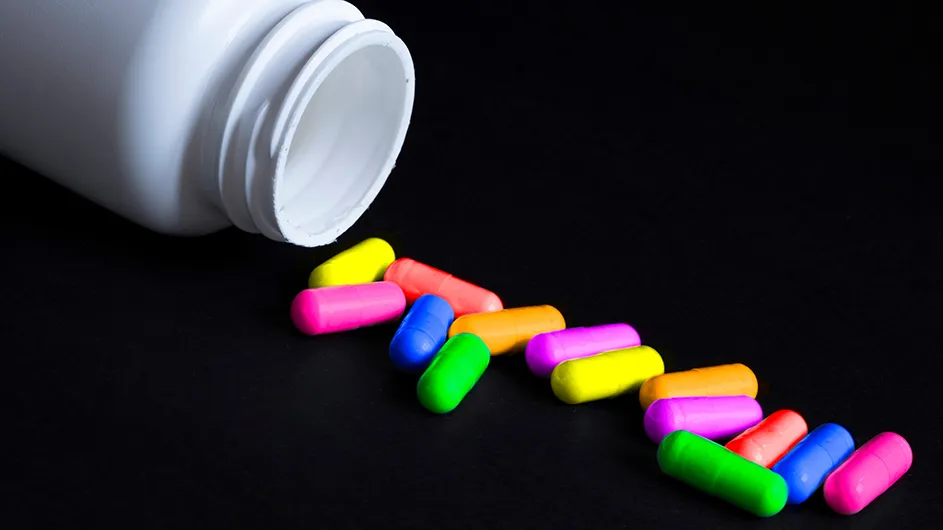
Fentanyl is often framed as a single, wide-reaching crisis, but evidence from five major U.S. cities suggests a more fragmented, complex reality.

The new MS program leverages the School’s leading expertise in AI and the unparalleled cross-disciplinary strength of the university.
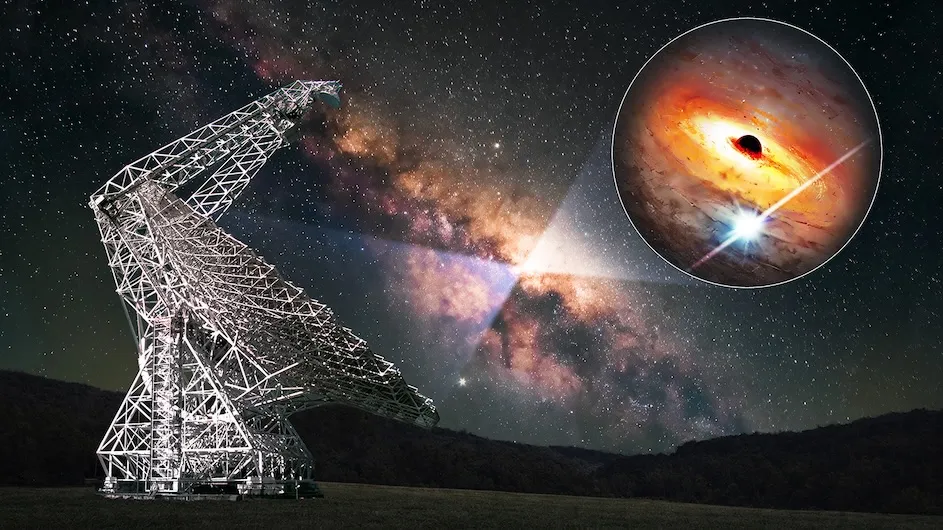
Confirming a pulsar star would enable unprecedented tests of General Relativity. Such a discovery would revolutionize physics.
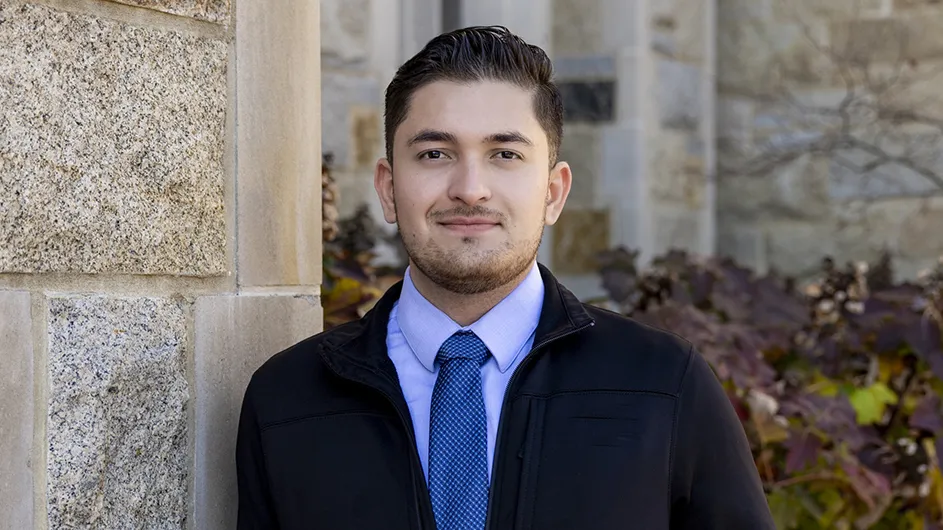
The health disparities that Sebastian Cota observed in his native Los Angeles led him to Columbia University’s Mailman School of Public Health.
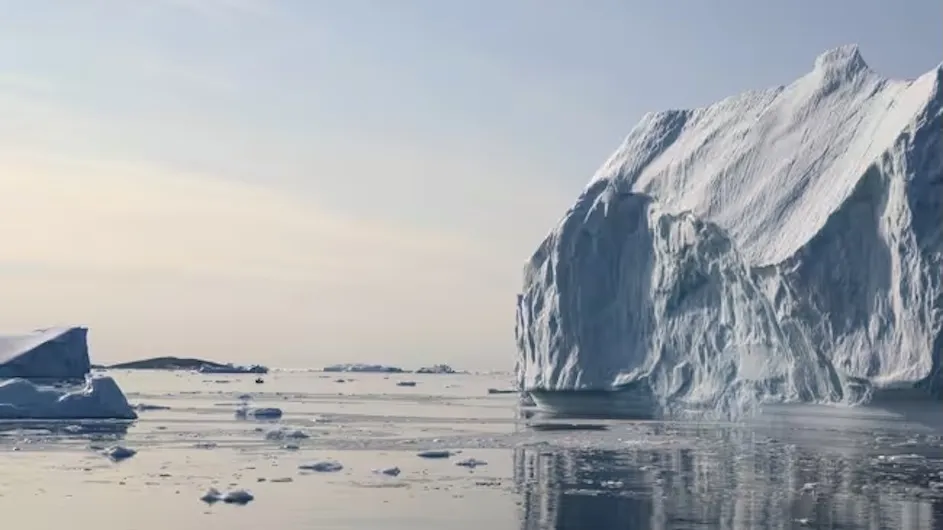
Several factors are causing this seemingly paradoxical dynamic.
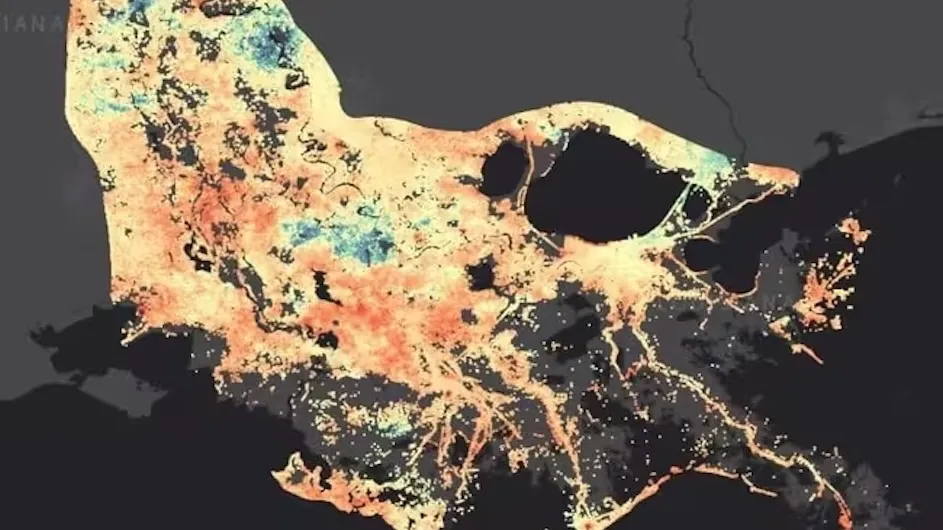
New research could help communities better prioritize immediate local interventions.
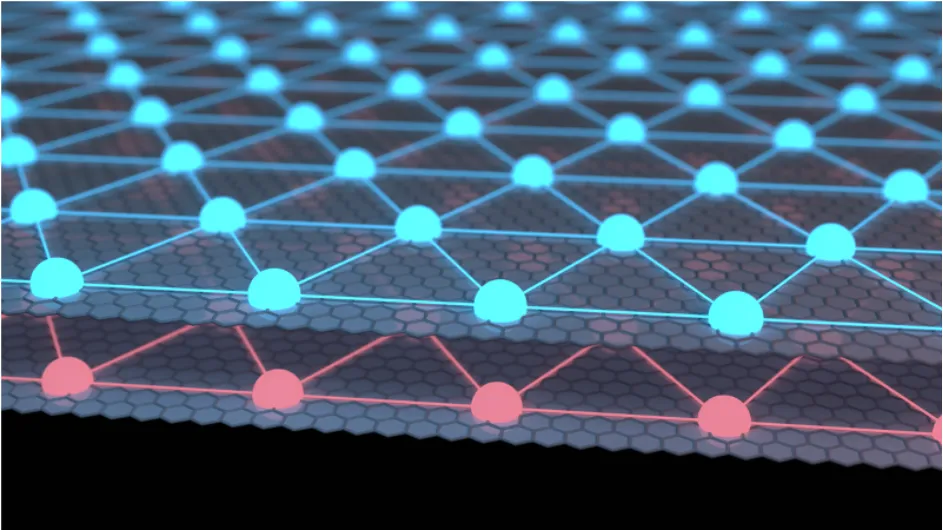
Signs point towards the first observation of a supersolid, an enigmatic quantum version of a classical solid.

A new study links rising rates of breast cancer in young women to low levels of recreational physical activity in adolescence.

Canada’s record 2023 wildfire smoke is part of a broader, continent-wide trend, a new analysis shows.
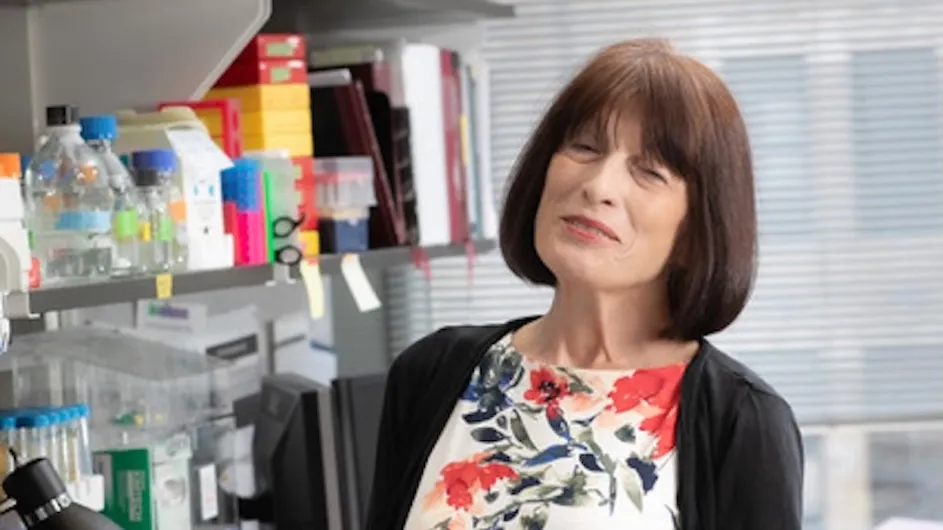
The ImPLANT program leverages cross-institutional expertise across multiple bioengineering disciplines to address liver failure.
Twenty-one faculty fellows will examine what AI means for their discipline, and develop an AI education project.