


COLUMBIA SCIENCE IN THE NEWS
The New York Times
September 6, 2026
Science
August 28, 2026
The New York Times
August 20, 2026
RECENT STORIES

Sergine Delma, a doctoral candidate in nursing, believes nurses belong everywhere, from boardrooms to AI labs to Capitol Hill.
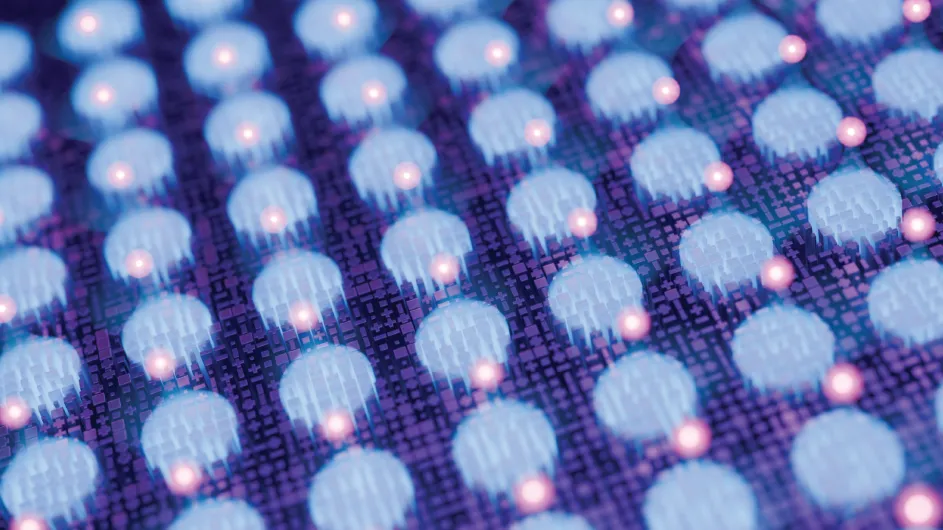
Neutral atom arrays are a rapidly-emerging quantum technology. Columbia researchers know how to make the most powerful ones yet.
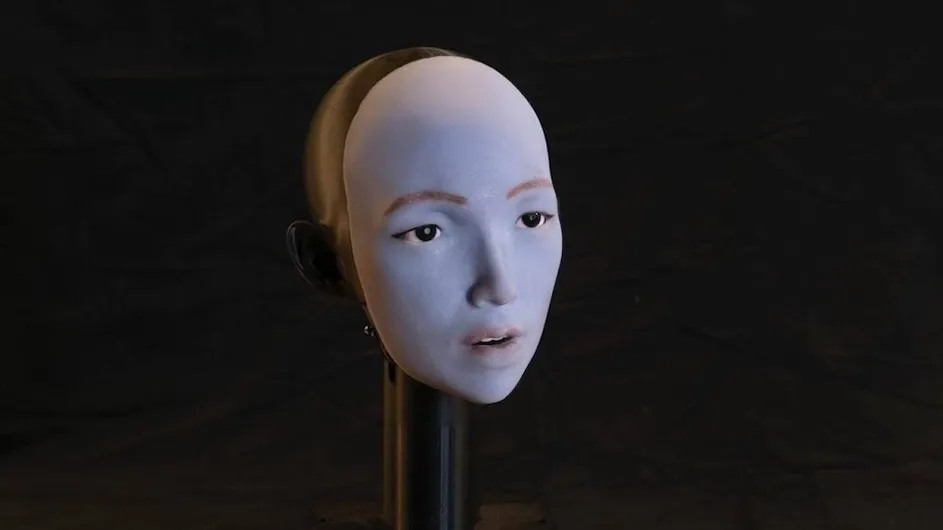
Columbia Engineers have built a robot that can learn to lip sync to speech and song.

Antiretroviral therapy availability has been the primary driver of these improvements.

The wildfires that ravaged Los Angeles a year ago were among the worst in California’s history.

Physicians at the nation’s top-rated fertility center are racing to find new treatments for infertility and miscarriages.

The gift will expand a comprehensive, multi-institution assessment of how best to prepare students for an AI-driven workforce.

The initiative will support the careers of outstanding junior faculty members as they develop into leaders in psychiatry.

Psychology researchers used virtual reality and MRI technology to better understand how locations help us encode memories.
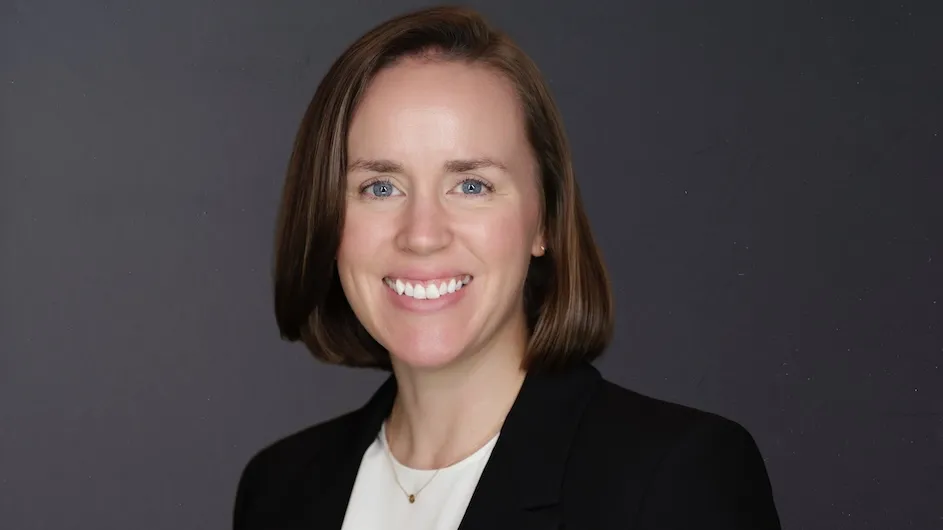
CUIMC’s Dr. Maureen McKiernan, with an assist from Dr. Andrew Goldstone, performs surgery on the “ragged edge of what’s possible.”
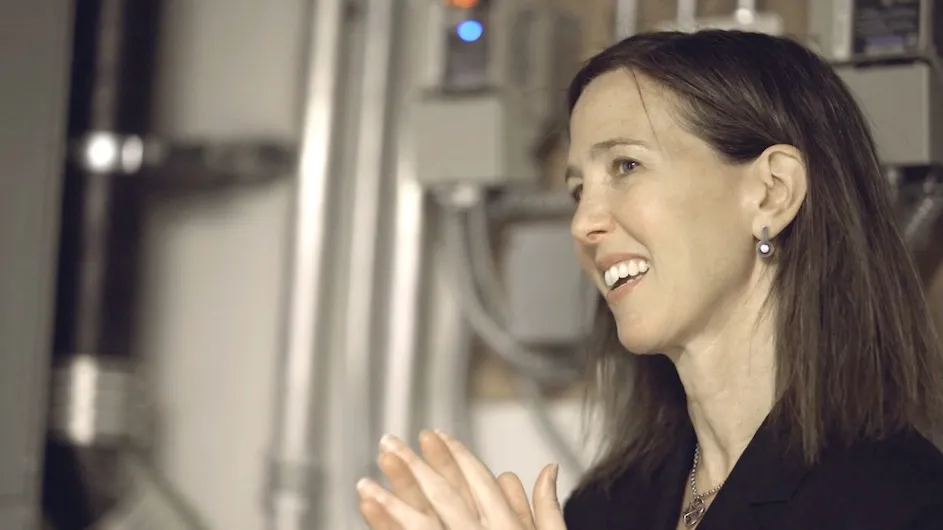
Climate School Dean Alexis Abramson focuses on making buildings more efficient through data, machine learning, and smart design.
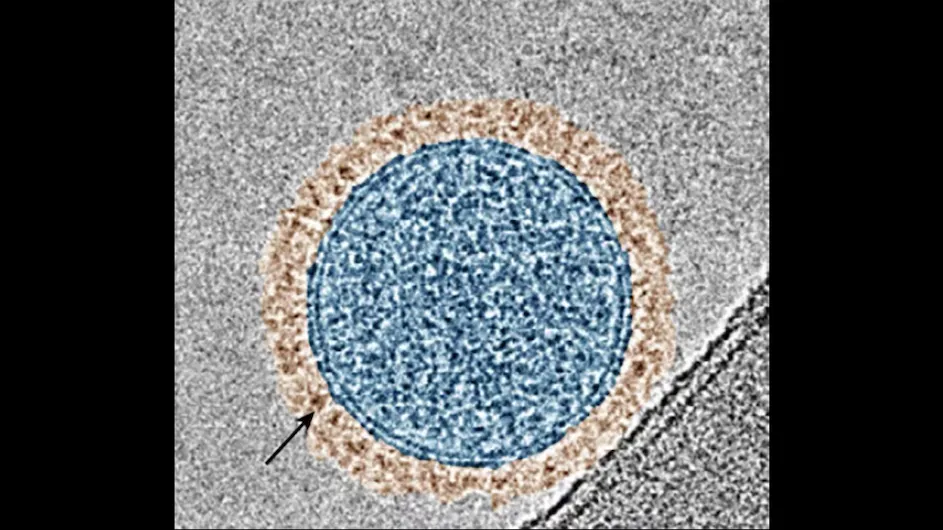
Columbia Biomedical Engineer Ke Cheng has developed a technique that delivers two therapeutic proteins directly to the lungs.