

COLUMBIA SCIENCE IN THE NEWS
The New York Times
September 6, 2026
Science
August 28, 2026
The New York Times
August 20, 2026
RECENT STORIES

The cities include not just those on the coasts, but many in the interior. Houston is sinking fastest.
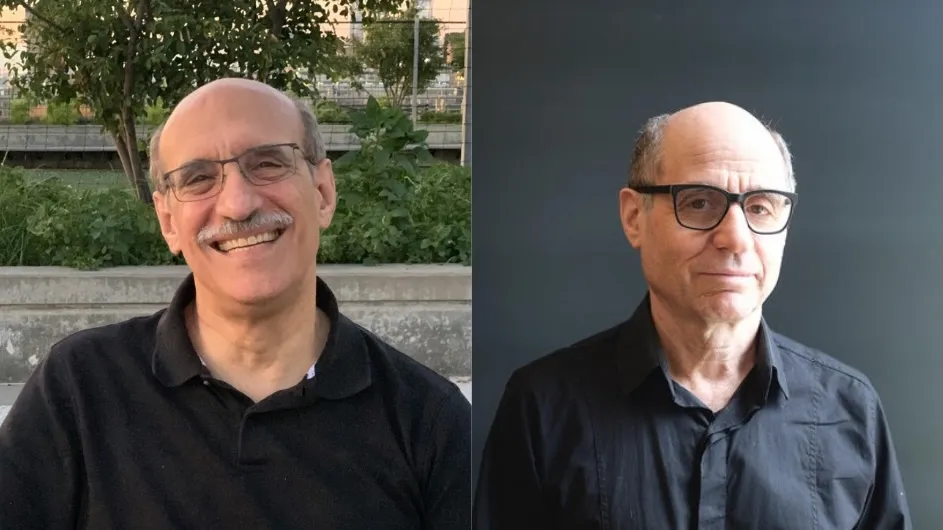
Martin Chalfie and Michael Harris were recognized for their accomplishments in biology and math.
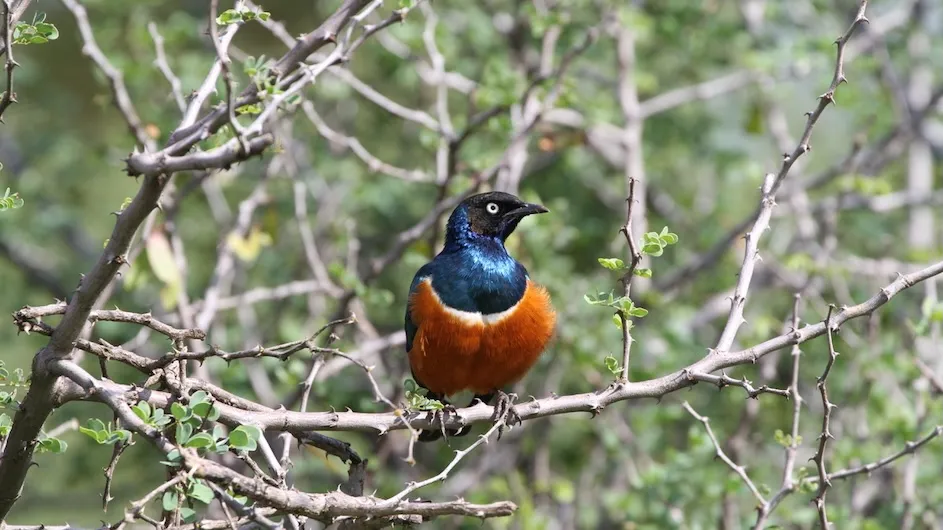
A study of starlings in Africa shows that they form long-term social bonds similar to human friendships.
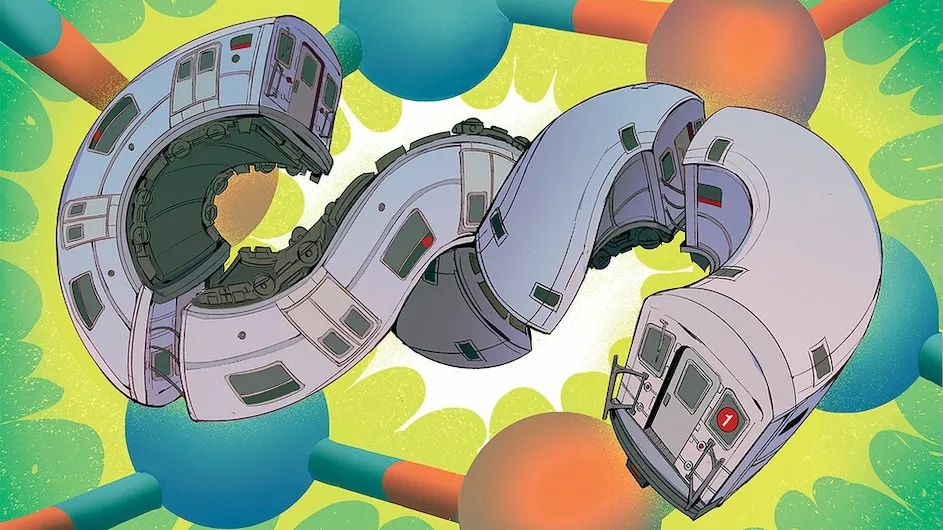
Novel materials could eventually power electric vehicles and more, say Columbia researchers.

A new tool uses machine learning to analyze nursing data, allowing healthcare providers to deliver life-saving care faster.
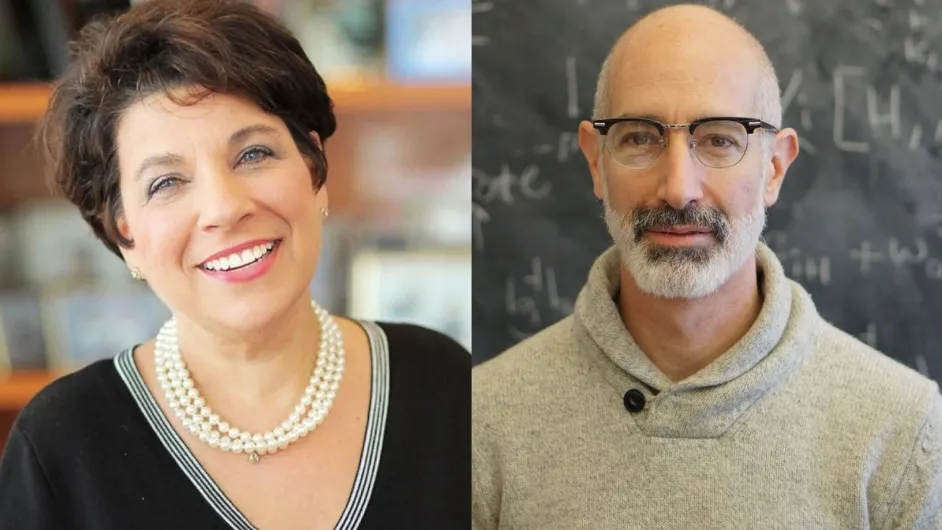
Membership in the academy is considered one of science's highest honors.
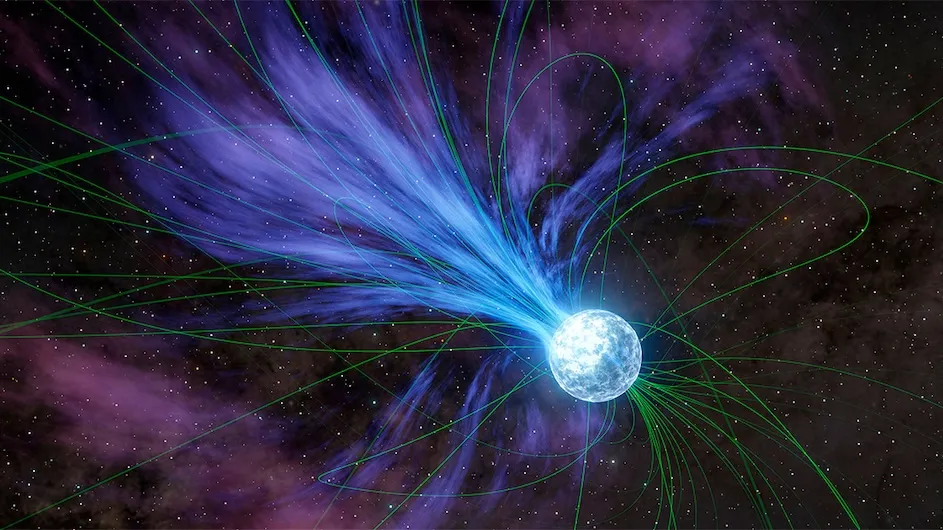
New research shows that a 2004 gamma-ray burst produced huge amounts of heavy elements, exceeding the mass of the planet Mars.
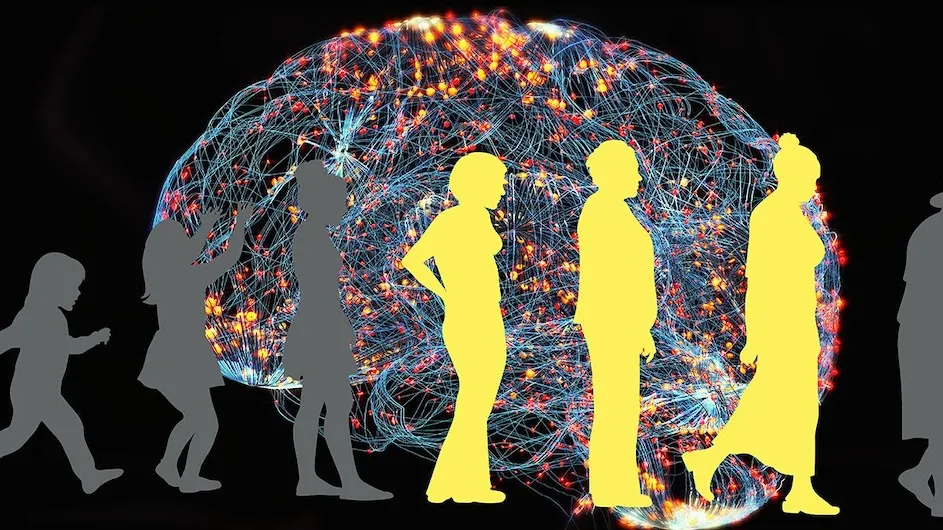
The study highlights risk factors in people as young as 24, underscoring the importance of early prevention.
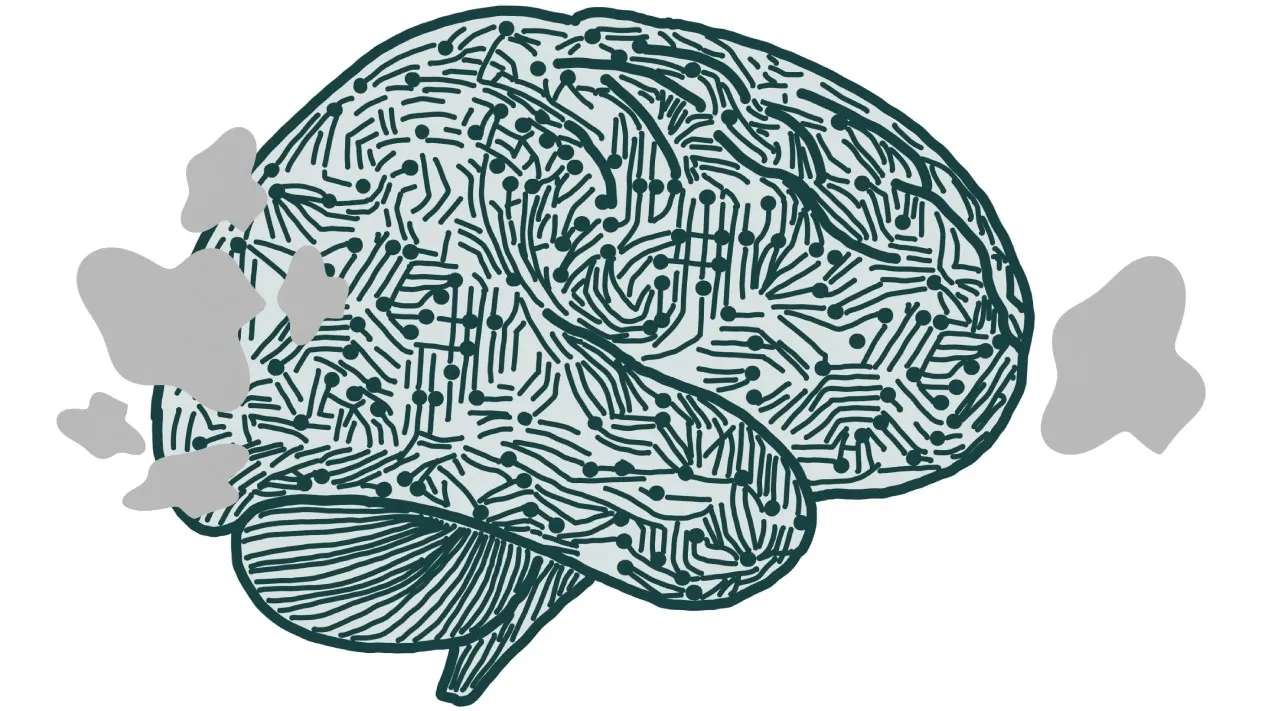
A new study shows that the brain’s visual regions play an active role in making sense of what we look at.

Columbia climate scientists led a project to provide officials, organizations, and families with tools to plan for the worst.

Mehtaab Sawhney, who joined Columbia last year, enjoys the thorny work of proving a seemingly straightforward statement of fact.
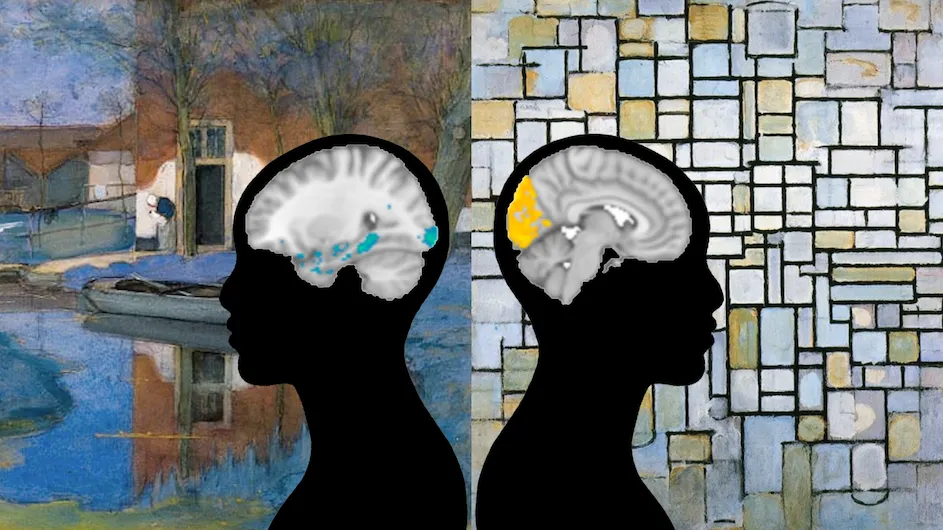
New Columbia research found that people’s brain activity varies more when viewing abstract art than representational art.