

COLUMBIA SCIENCE IN THE NEWS
The New York Times
September 6, 2026
Science
August 28, 2026
The New York Times
August 20, 2026
RECENT STORIES
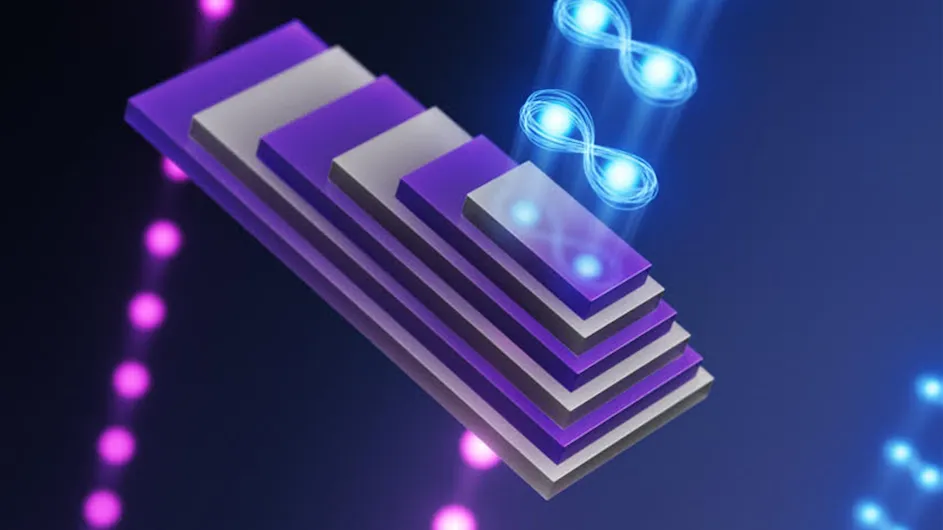
Researchers have developed a more efficient method of creating photon pairs. It could transform computing and telecommunications.
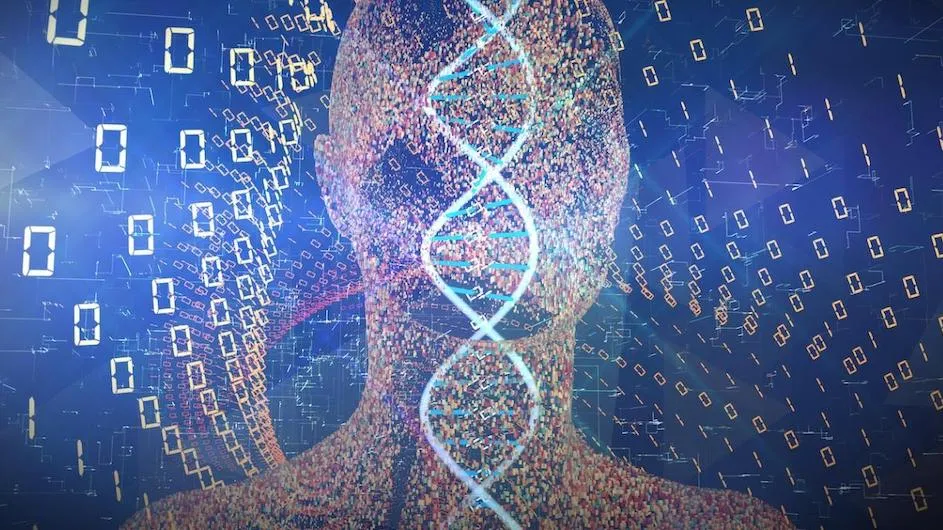
The method allows scientists to predict the activity of genes within cells, and could transform our understanding of disease.

Kevin Sakal Ith discusses what brought him to Columbia after years in the Bay Area and a stint in Azerbaijan.

Jeffrey Schlegelmilch, director of Columbia's National Center for Disaster Preparedness, discusses the path forward.

The findings suggest that blood pressure monitoring and treatment may need to continue for longer after birth.
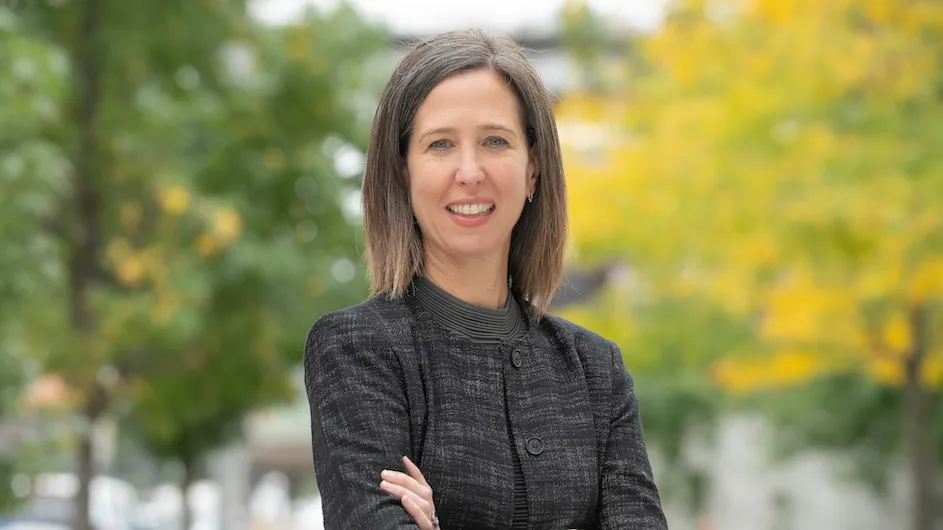
Alexis Abramson says the Climate School is in a unique position to tackle the climate crisis.
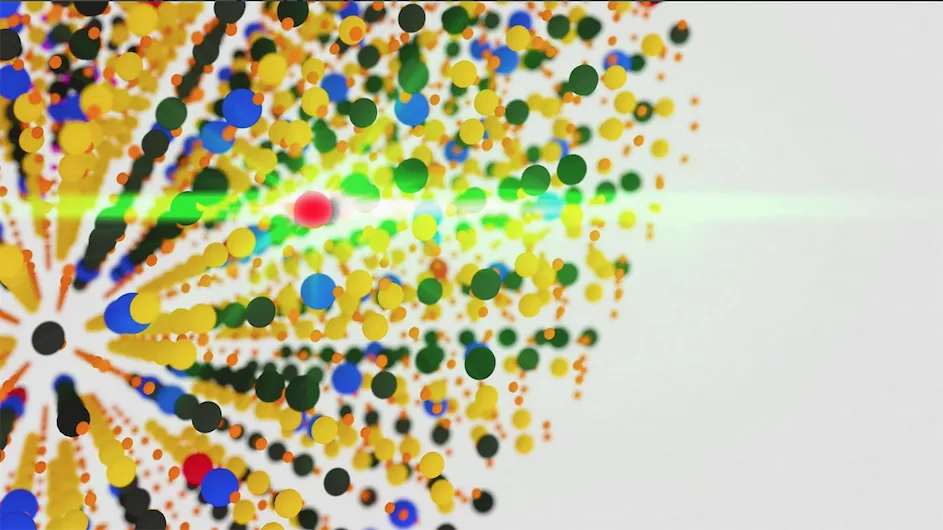
The discovery could disrupt technologies like robotics, medicine, and space travel.

Doctoral candidate Anna Vannucci’s new research uses AI to predict kids’ mental health outcomes.

Education, nutrition and sanitation have likely played a key role in the improvements.
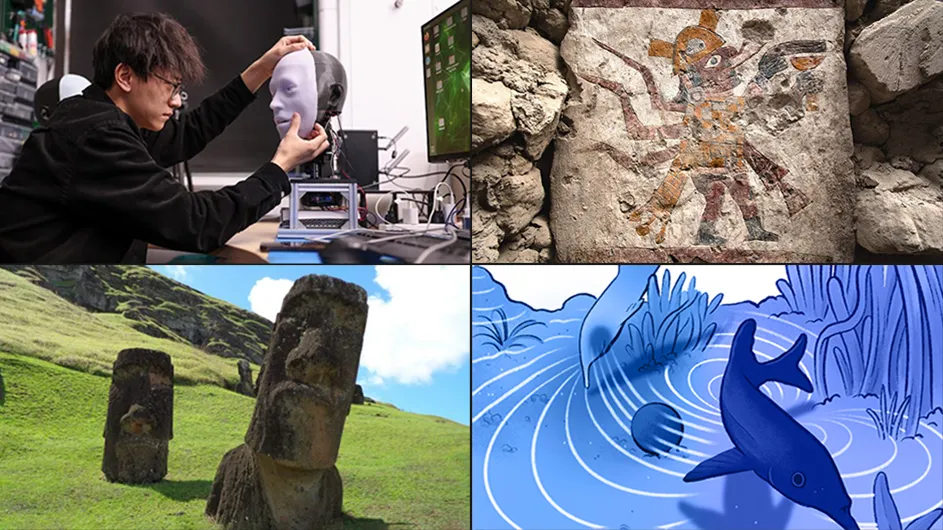
Smiling robots, nanoplastics, electric fish, and an archaeological dig in Peru were some of the biggest news stories of the year.
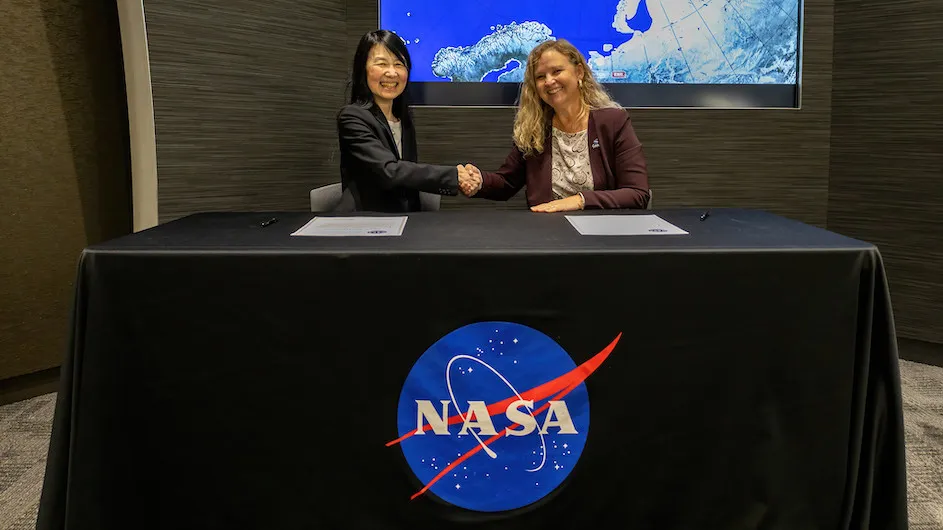
Columbia and NASA signed a “collaborative Space Act Agreement” to jointly advance research and education opportunities.
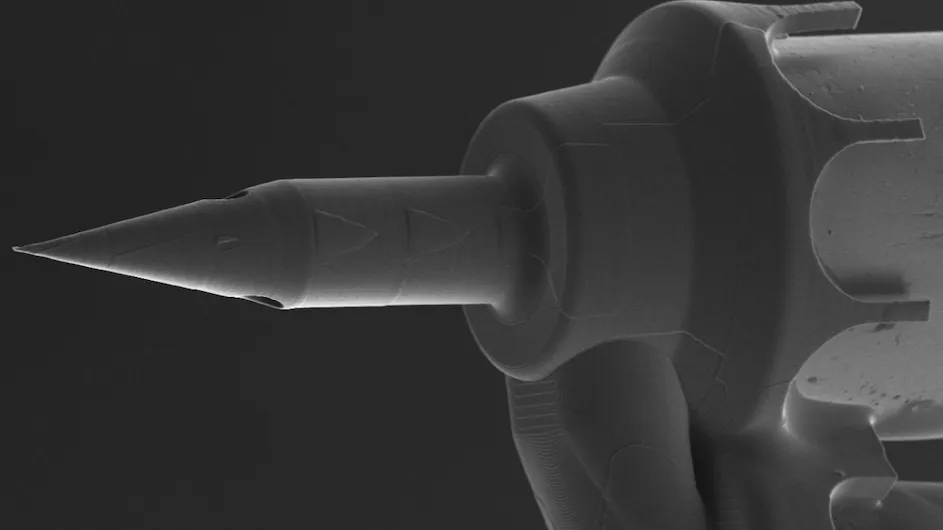
Future treatments for hearing loss could rely on a tiny 3D-printed microneedle designed by Columbia physicians and engineers.