The latest earth, climate, and environmental science news from across Columbia.
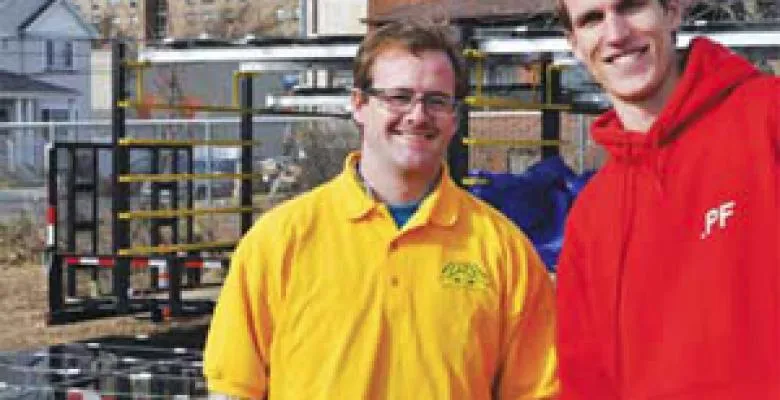
A portable solar array, which has 72 panels and measures 20 feet by 60 feet when fully deployed on a modified landscaping trailer cranked out enough juice to feed 150 people at a solar-powered turkey dinner after Hurricane Sandy.
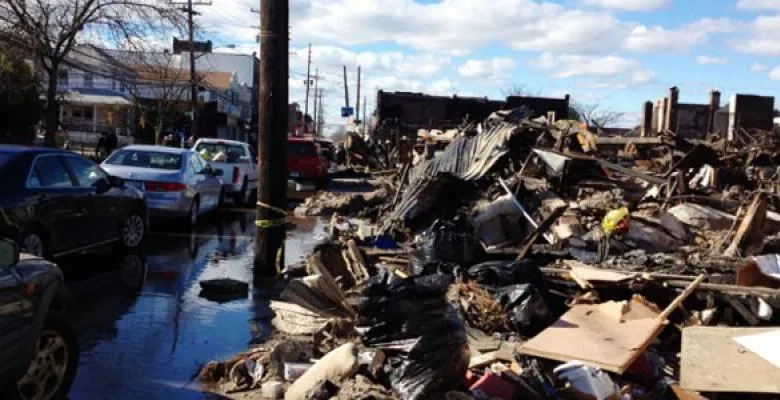
Atmospheric scientist Adam Sobel is author of the new book Storm Surge: Hurricane Sandy, Our Changing Climate and Extreme Weather of the Past and Future. A professor at Columbia University’s Engineering School and Lamont-Doherty Earth Observatory, Sobel is an expert in extreme weather and its relation to climate.
The U.S. government’s latest official report on climate change, released this week, says northeastern states are already seeing dangerous effects of warming climate, including the nation’s largest increase in extreme downpours, sea-level rise above the global average, and crop-unfriendly weather.
for Astrobiology Magazine Wind and dust conditions in Sub-Saharan Africa can help predict a meningitis epidemic. Determining the role of climate in the spread of certain diseases can assist health officials in “forecasting” epidemics.
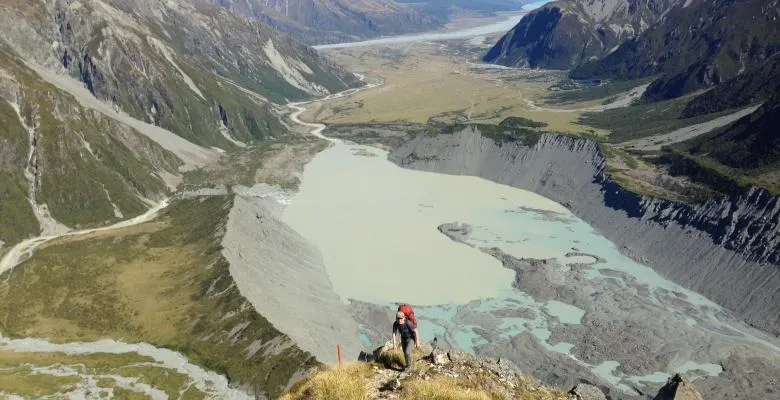
In something as tiny as a speck of dust lies the potential to change earth’s climate. When winds blow iron-rich dust off the continents, they give the plant-like algae floating on the surface of the oceans added nutrients to grow faster.
A climate scientist who has suggested how mountain building can lower Earth’s thermostat and why ice ages sometimes wax and wane at different speeds has been awarded one of geology’s oldest and most coveted prizes: the British Wollaston Medal.
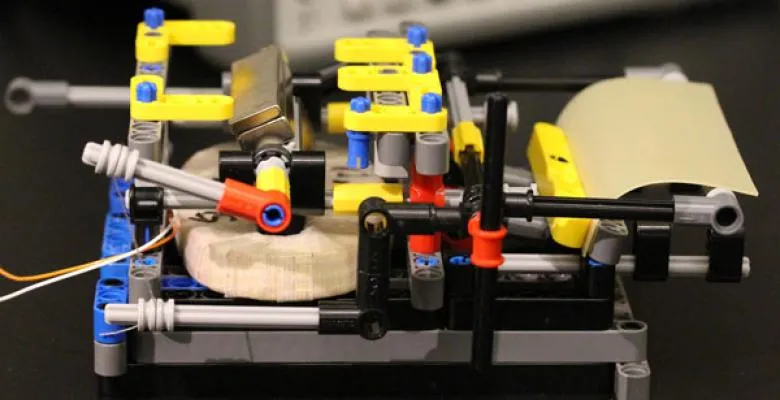
Ozgur Sahin, associate professor of biological sciences and physics, has developed a new machine using Legos – a prototype generator that can harness the energy of evaporation.
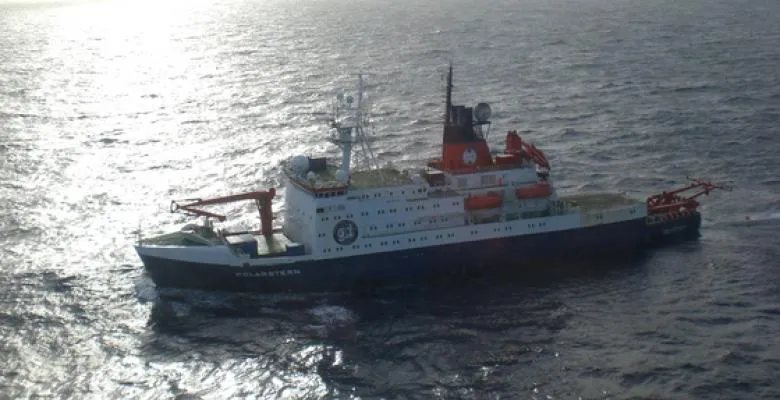
In spring 2010, the research icebreaker Polarstern returned from the South Pacific with a scientific treasure—ocean sediments from a largely unexplored part of the vast, remote ocean that surrounds Antarctica—the Southern Ocean.
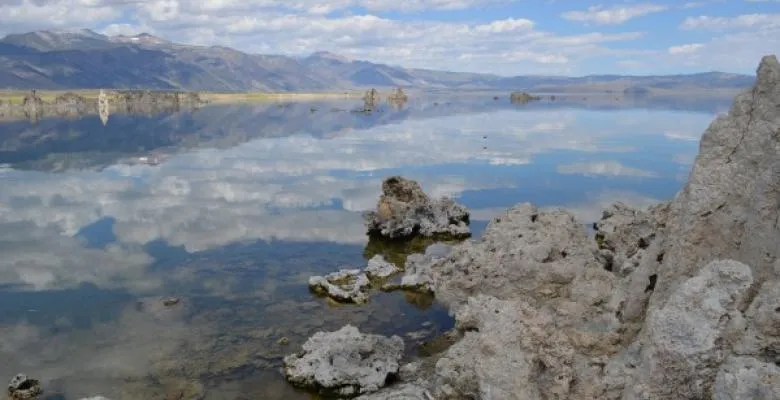
Understanding that past will help scientists like Ali, a PhD student at Lamont-Doherty Earth Observatory, project what might happen in the future as the world warms up. This is no esoteric question for Los Angeles, whose nearly 4 million people depend in part on Mono Lake’s watershed for drinking water, green lawns, agriculture and industry.
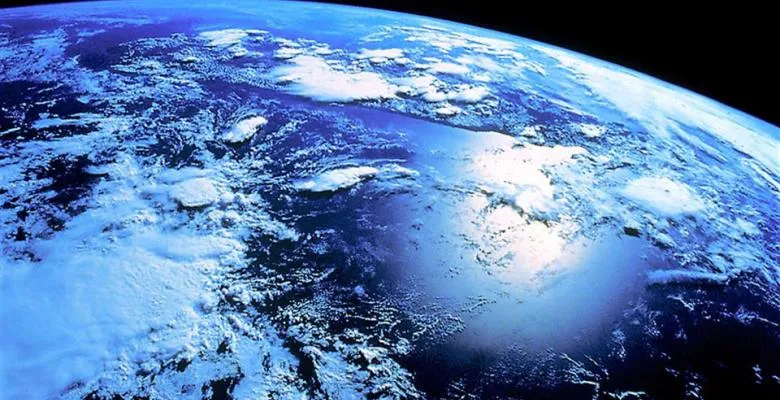
From providing expertise on the risks of rising seas to New York’s coastline to shedding light on the mysteries of the universe, Columbians bring hands-on experience to the ways we understand the Earth and space.
Paleoclimatologist Peter B. deMenocal was on one of the last research vessels to ply the waters off the Horn of Africa before the region was declared off limits to scientists due to the threat posed by Somali pirates—a peril vividly illustrated in this fall’s hit movie, "Captain Phillips."
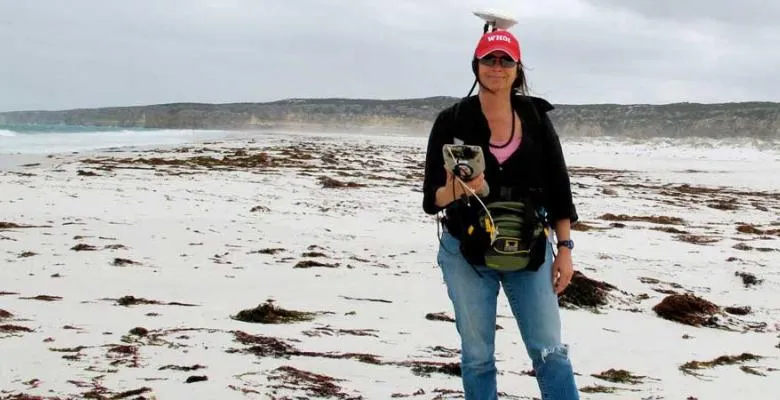
Columbia climatologist Maureen Raymo is trying to predict the planet’s future by looking to its past.