The latest earth, climate, and environmental science news from across Columbia.
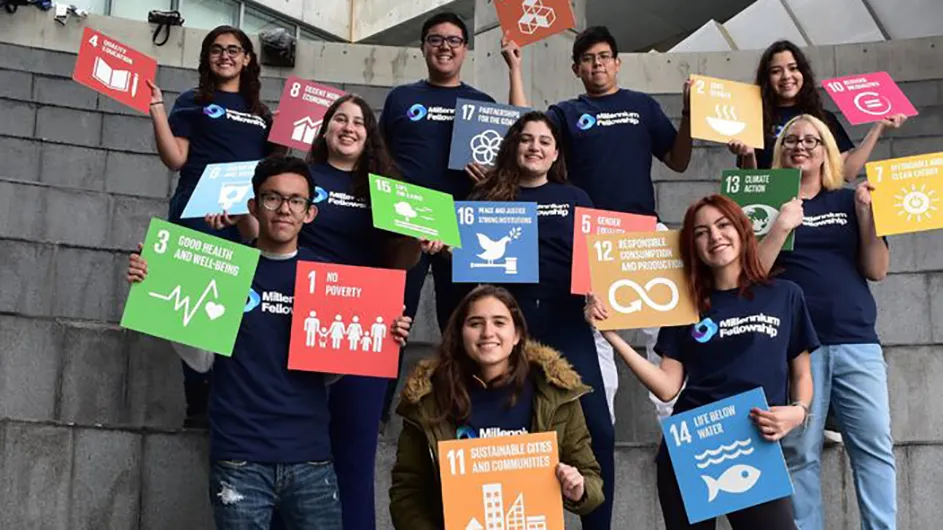
Meet two of the more than 1,400 students, representing 80 universities worldwide, who are deeply committed to social impact, sustainable development, and climate change.
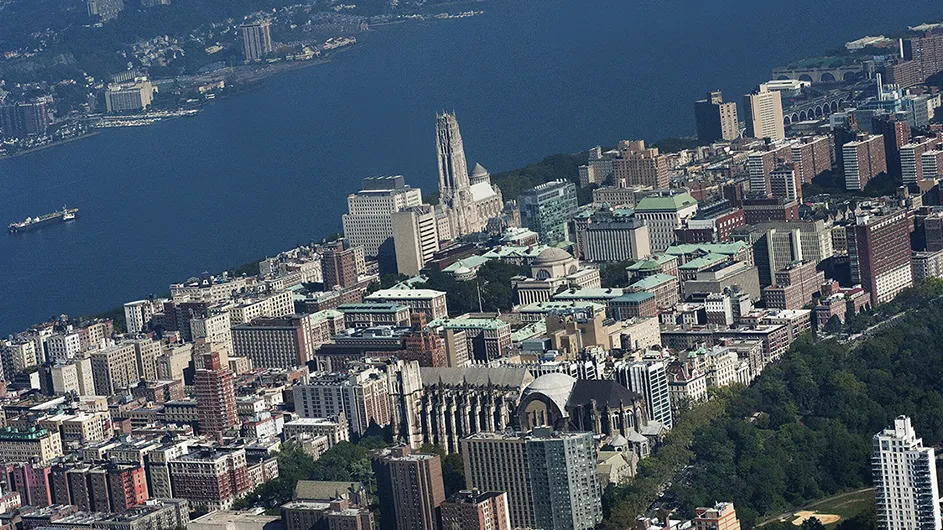
The Columbia Climate School will provide the education, research and global partnerships needed to create and maintain a sustainable society.
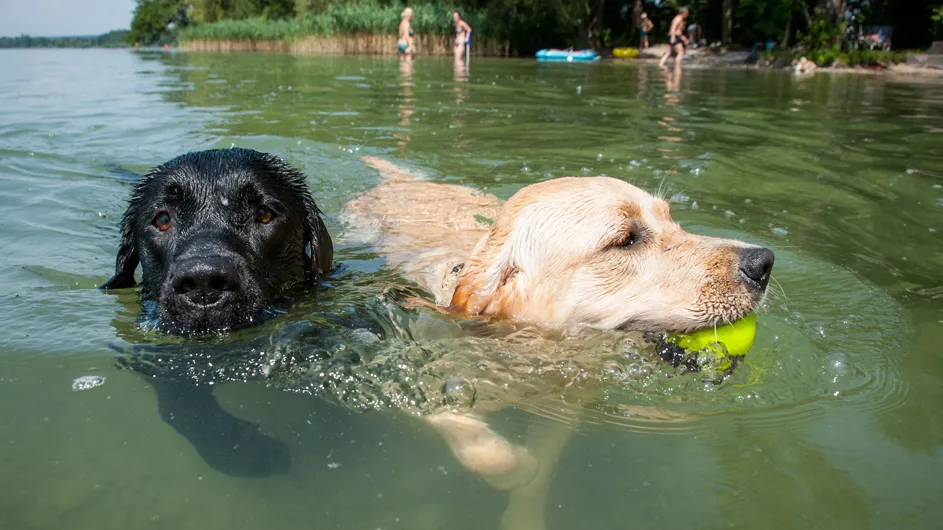
Scientists, public officials and citizens must work together to protect our shared waters.
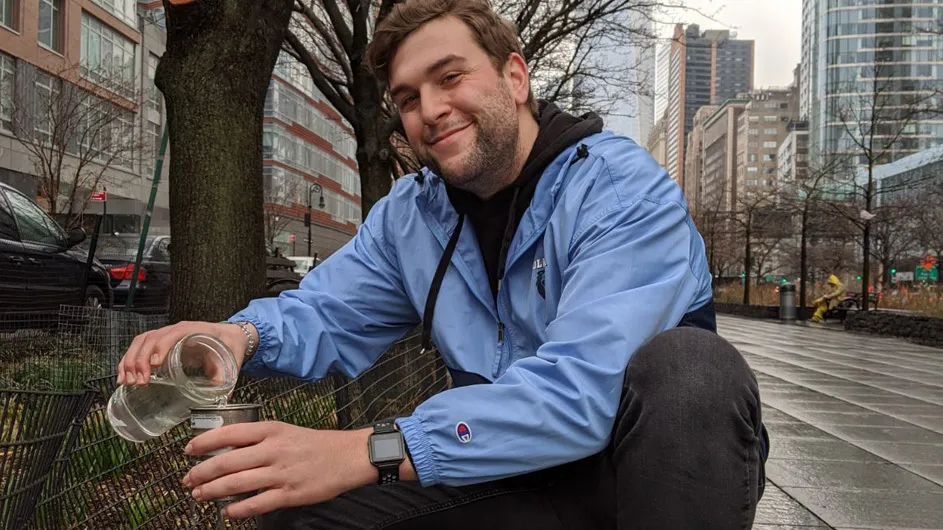
Jeffrey Fralick is among the first students to graduate from Columbia's sustainability science master’s program.

Catching enough Z’s can lead to improved health, productivity and sustainable choices that conserve Earth’s resources.
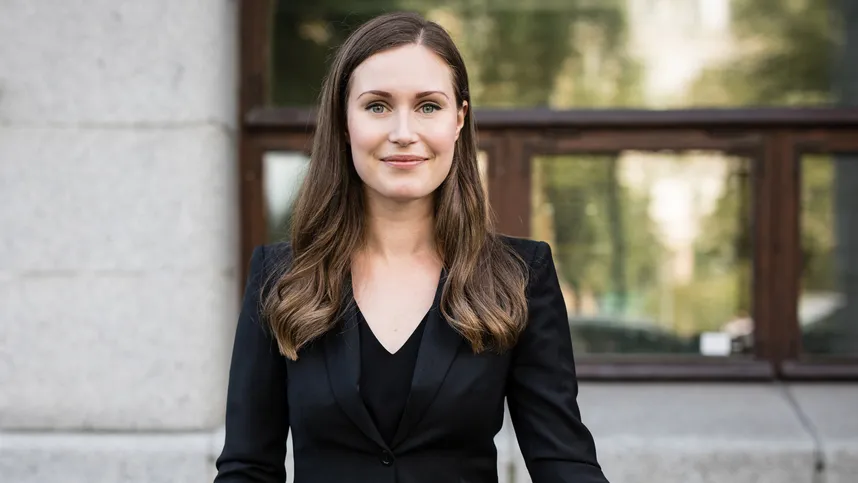
As part of Columbia's World Leaders Forum, she will talk about climate change, gender equality and social welfare.

Jared Fox, with Columbia's BioBus, helps New York City's mayor, Bill de Blasio, ring in 2020 with the annual ball drop.
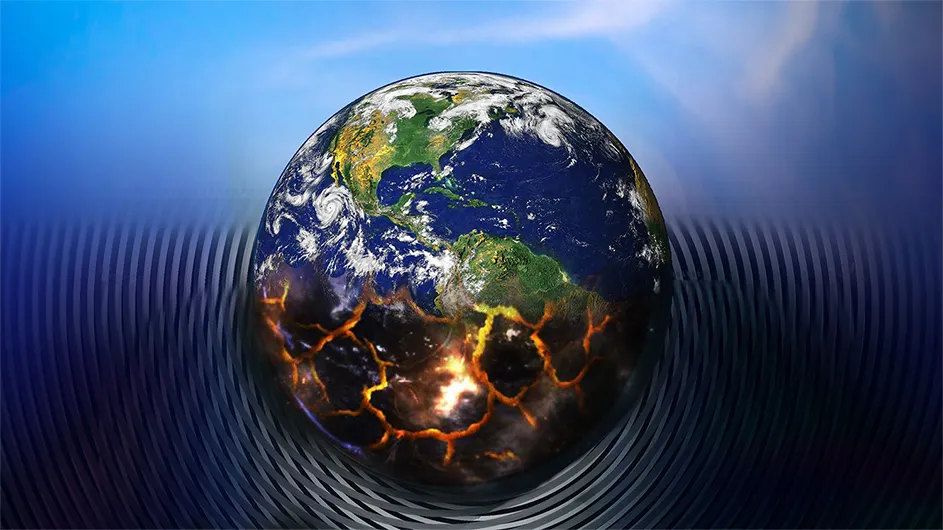
The University asks students to collaborate on building a roadmap for climate response and a more sustainable future.
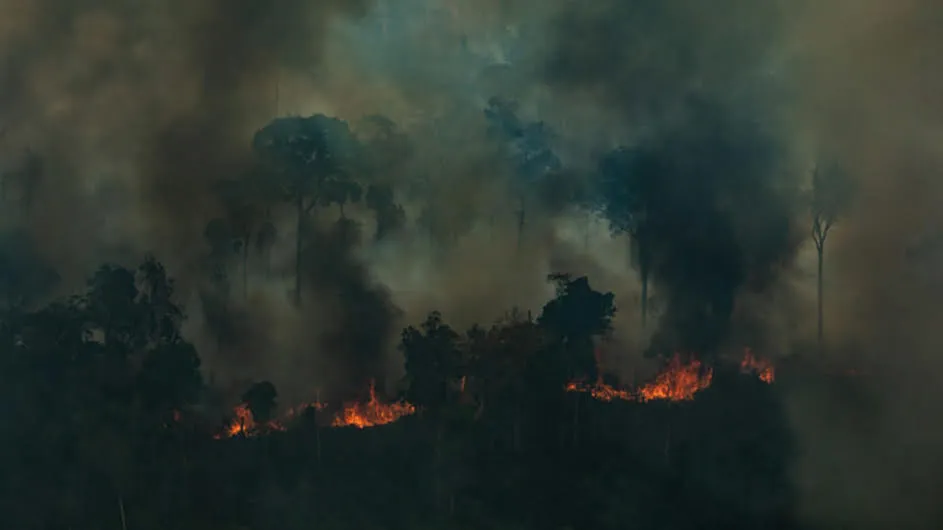
The ability to monitor deforestation and fires from satellite is now routine. Political will is the main ingredient.
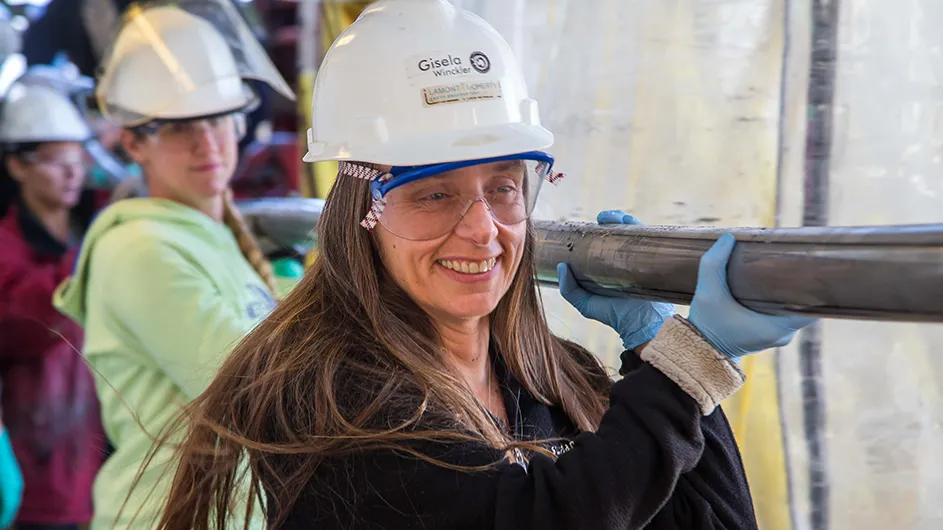
I spent two months with 30 scientists in the Southern Ocean, collecting sediments from the seafloor that may help us better predict and combat climate change.
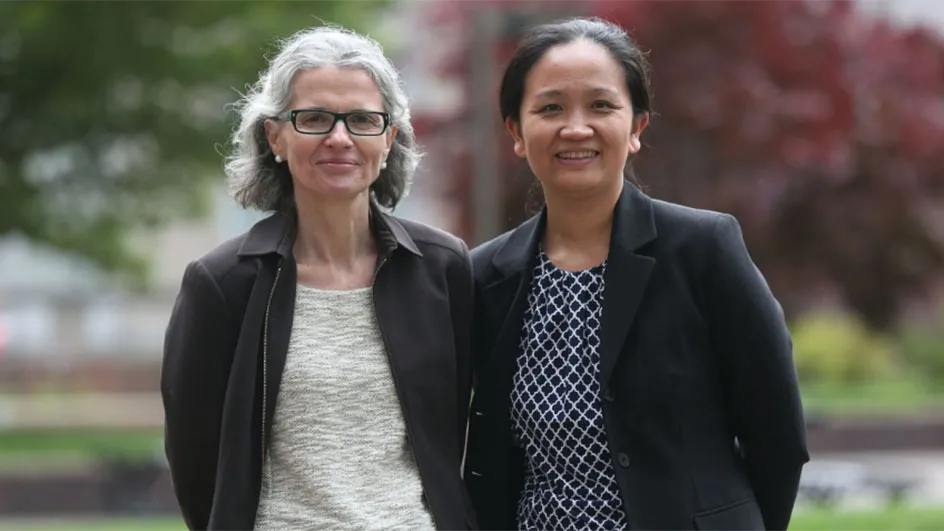
Columbia University ecologist and data scientist team up to apply modern technology to save forests
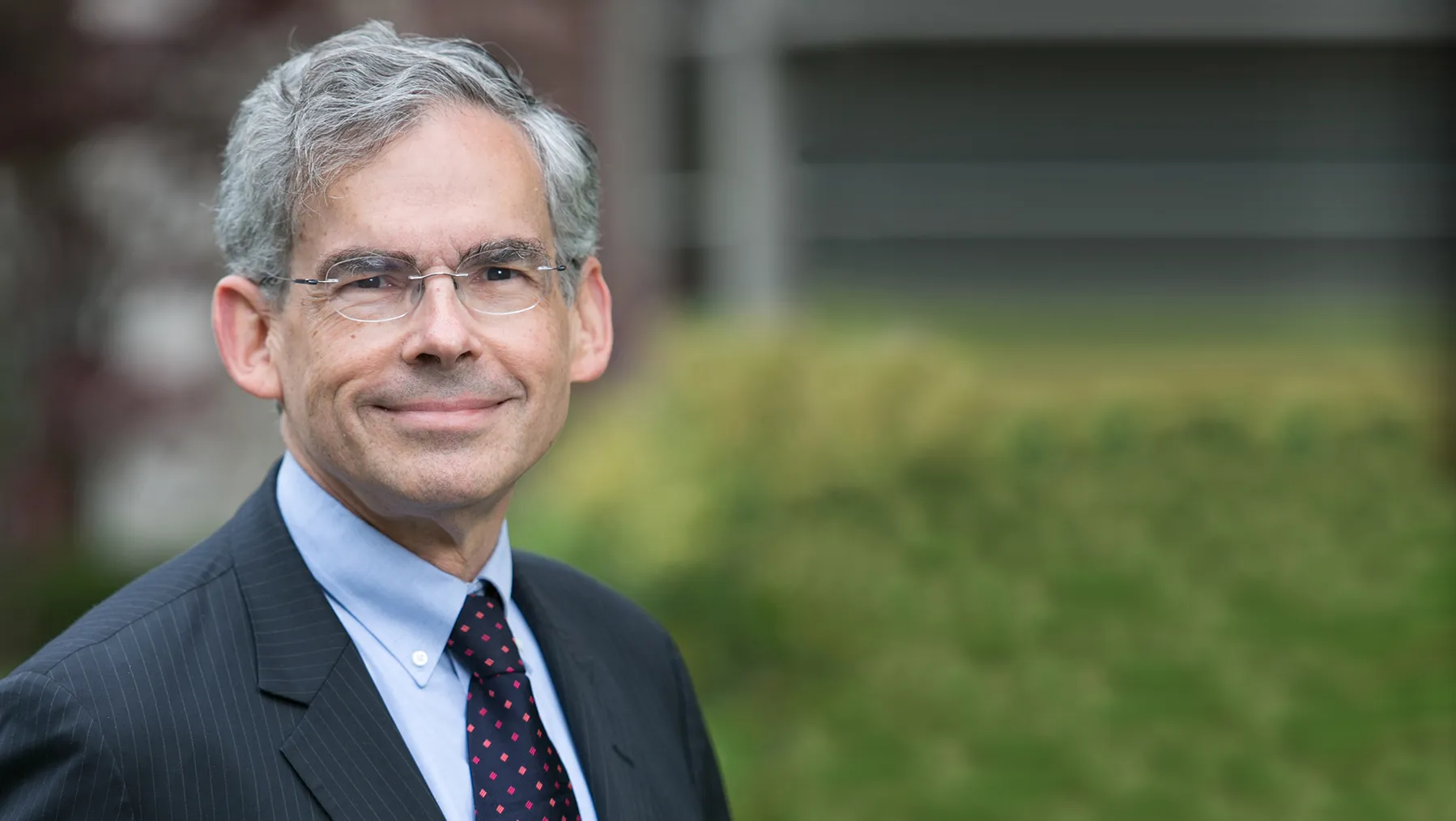
Columbia’s Michael Gerrard weighs in on illegal attempts by the White House to limit climate projections to 2040.