The latest earth, climate, and environmental science news from across Columbia.
Columbia Law School’s Sabin Center for Climate Change Law has been tracking the Trump administration’s efforts to scale back or eliminate federal measures to mitigate climate change and to restrict or prohibit scientific research.
Columbia’s Sabin Center for Climate Change Law was established in 2009 to develop legal techniques to address climate change. Since January 20th 2017, it has been busier than ever.

Geochemist Alex Halliday builds on a distinguished career as an earth science researcher and the leader of a variety of research institutions around the world, including Oxford University and the Royal Society in London.
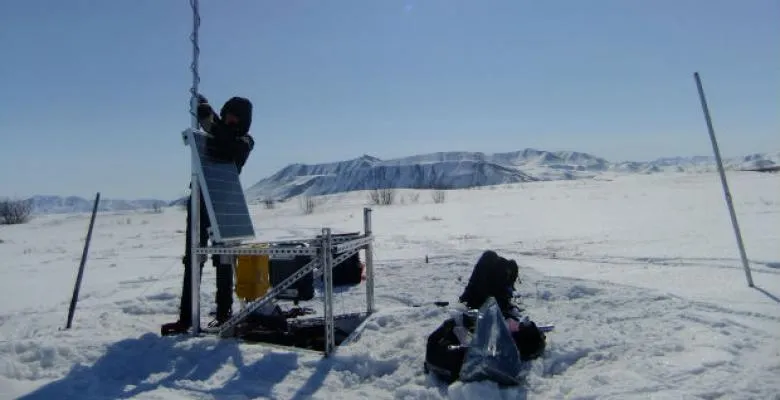
In a new study, scientists describe a way to quickly sift through thousands of hours of field recordings to estimate when songbirds arrive at their Arctic breeding grounds. Their research could be applied to any dataset of animal vocalizations to understand how migratory animals are responding to climate change.

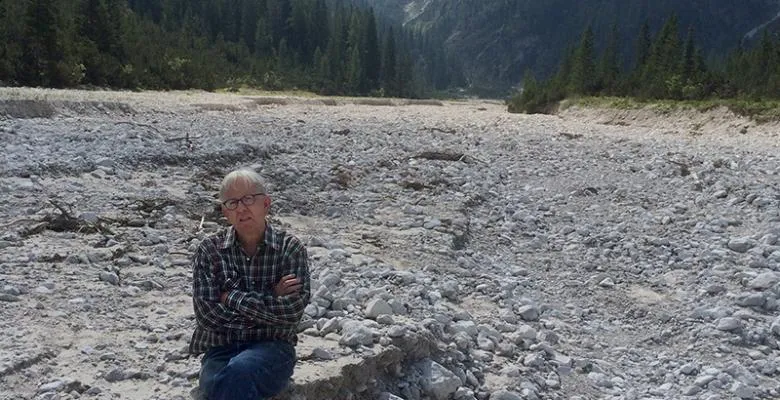
The project combines mapping techniques with Twitter-usage data to gain a real-time understanding of how people occupy public space.
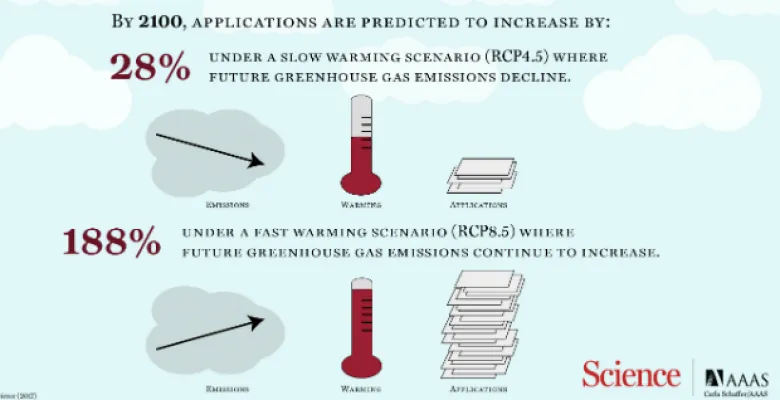
In a new study in Science, researchers predict a rising number of asylum seekers to the European Union as global temperatures increase.

“Alex Halliday is a renowned research scientist and skillful academic leader who is uniquely suited to charting the Institute’s future and its vital interdisciplinary role at the University," said President Lee C. Bollinger.
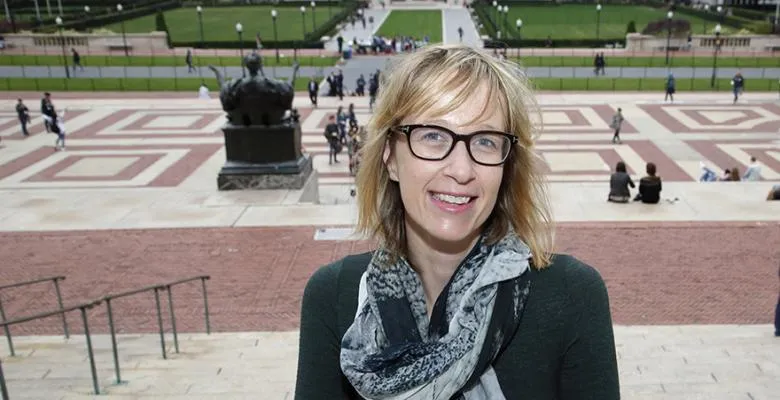
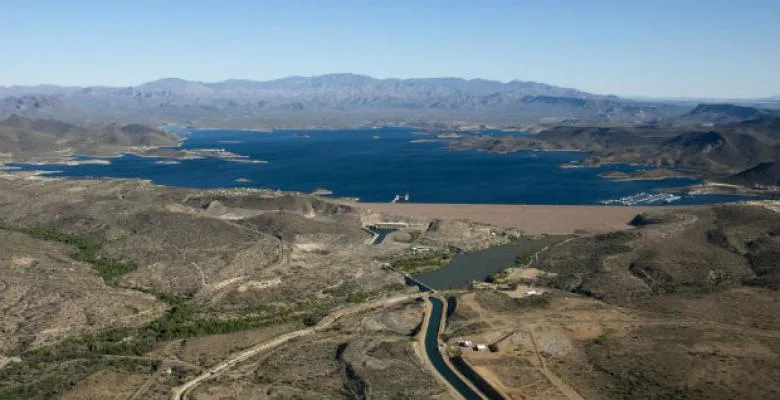
In the first evaluation of evaporation as a renewable energy source, researchers at Columbia University find that U.S. lakes and reservoirs could generate 325 gigawatts of power, nearly 70 percent of what the United States currently produces.
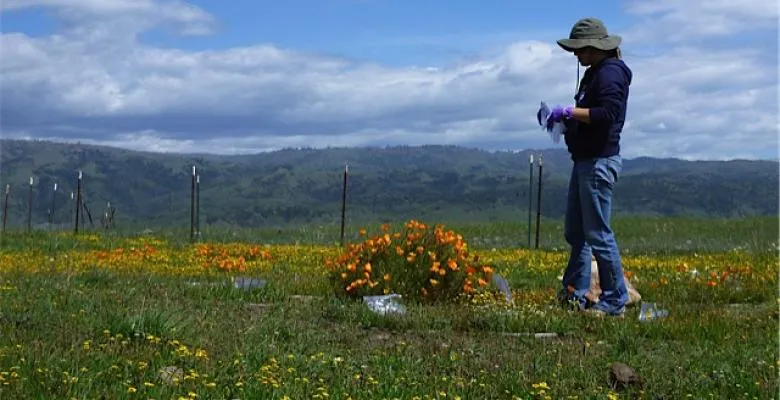
Gardeners and nature lovers have noticed that plants are flowering earlier every year—a phenomenon generally attributed to climate change. New findings by Columbia researchers, however, are among the first to show that a decline in biodiversity may also play a role, magnifying the impact of climate change not just when plants flower, but on entire ecosystems.