Recent engineering news from across Columbia.
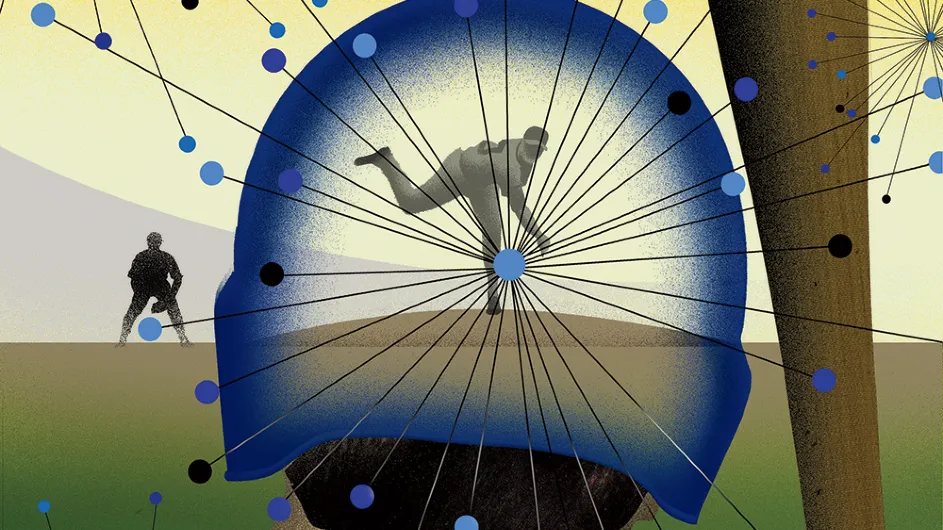
What neuroscience and psychology can tell us about baseball – and ourselves.

Columbia researchers have developed an algorithm that blocks devices from listening in on conversations.

In a new modeling study, researchers show how widely wind and solar potential vary by season and year.
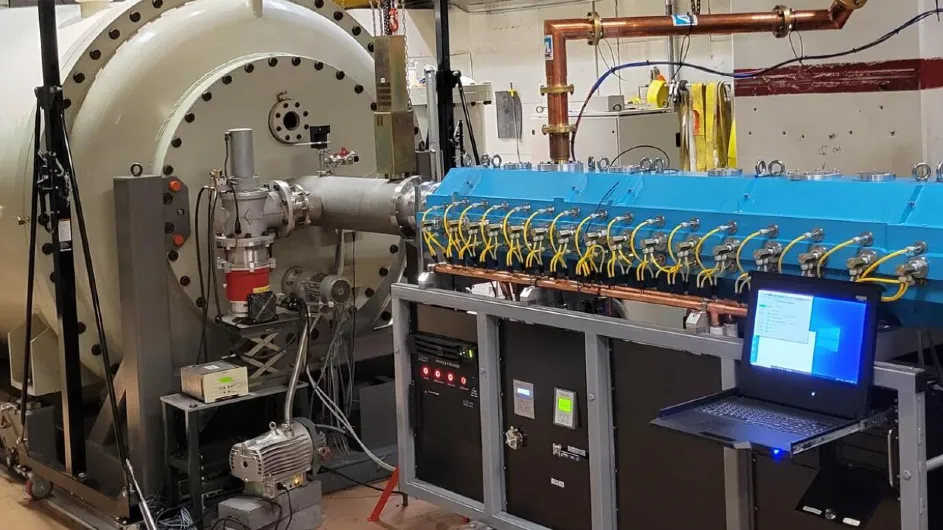
Heavy ions may be able to kill tumor cells more effectively than photons, while producing fewer effects on healthy nearby cells. A new grant will allow researchers at Columbia University Irving Medical Center to investigate this promising therapy.
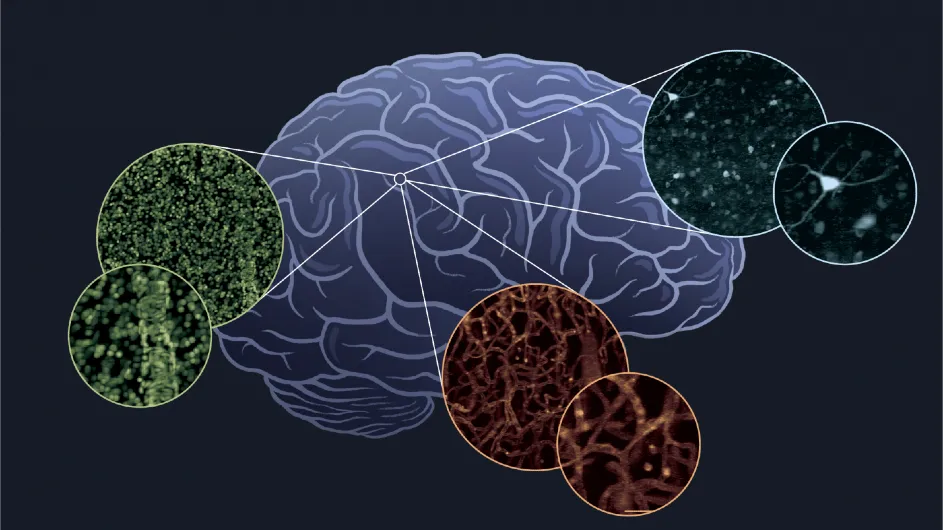
Columbia’s Zuckerman Institute and collaborators have won a $9.1 million grant to develop entirely new maps of the brain.

People in Togo’s capital city are often exposed to unsafe levels of small particles in the air they breathe.

A high-speed 3D microscope developed at Columbia could transform surgery and tissue analysis.
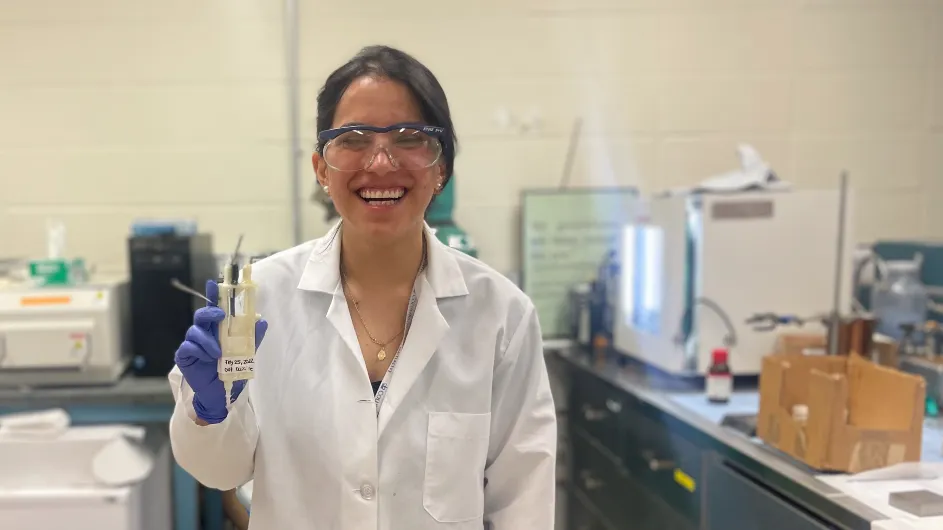
PhD student Daniel Fraga is studying ‘green’ hydrogen as an alternative to fossil fuels while sharing lighter moments on TikTok.

An automated system for taking the temperature of multiple people at once could make fever screening easier.
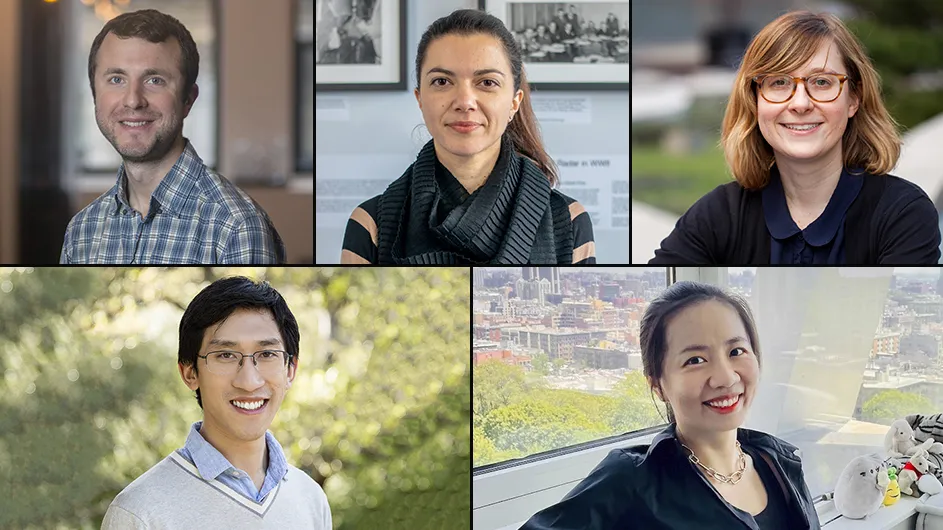
Five scientists were recognized for outstanding contributions to their field.

Columbia Engineering professor Henning Schulzrinne explains why the roll-out of 5G wireless grounded hundreds of flights.
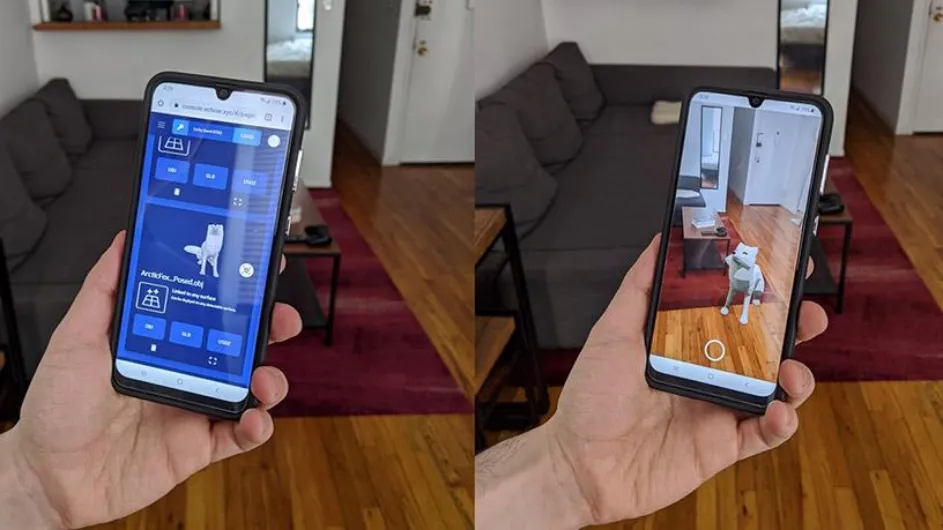
Alon Grinshpoon says it’s time to think beyond typical AR and VR tech and consider the full 3D experience.