Recent engineering news from across Columbia.
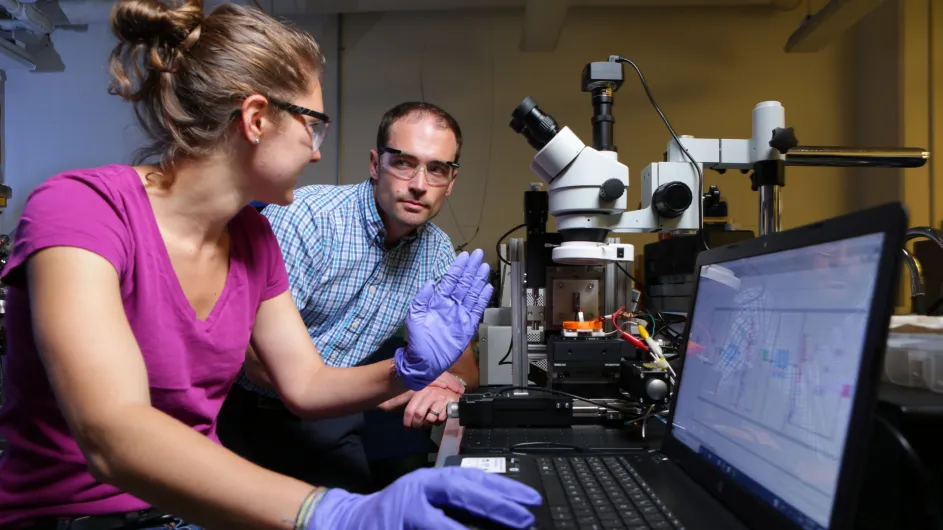
Program will help researchers and entrepreneurs develop and scale carbon-cutting technologies.
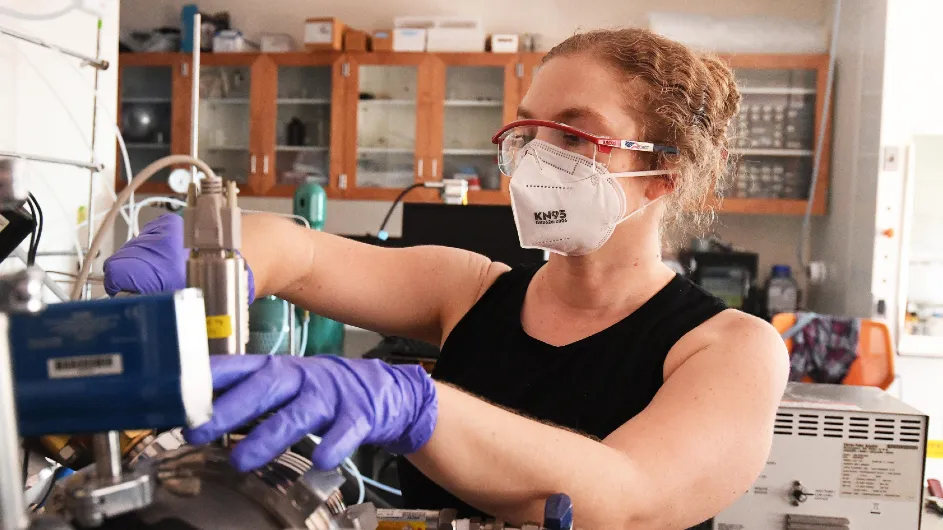
Aerosol scientist Faye McNeill explains air purifier basics, why masks really do work, and how chemistry experiments and computer simulations in the lab translate to environmental policy.
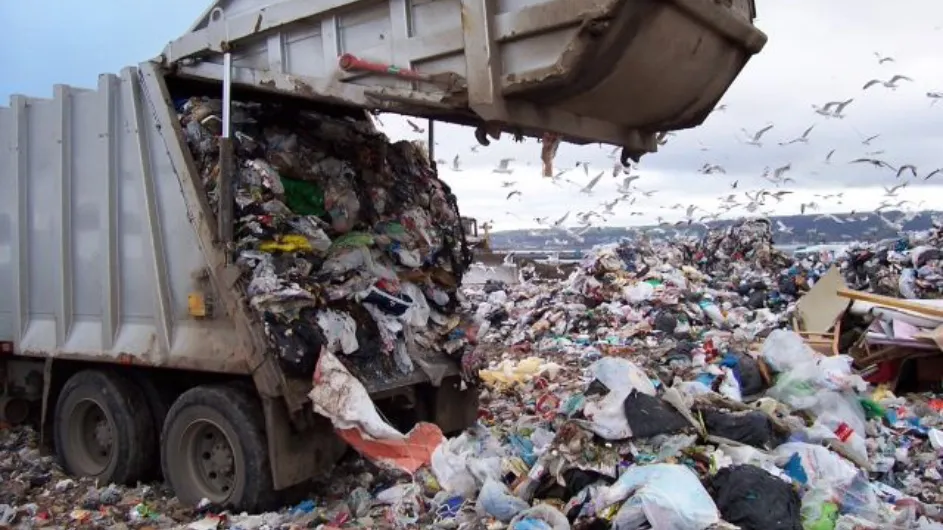
In a complementary measure, landfills should also be outfitted with facilities to monitor and control existing methane emissions.
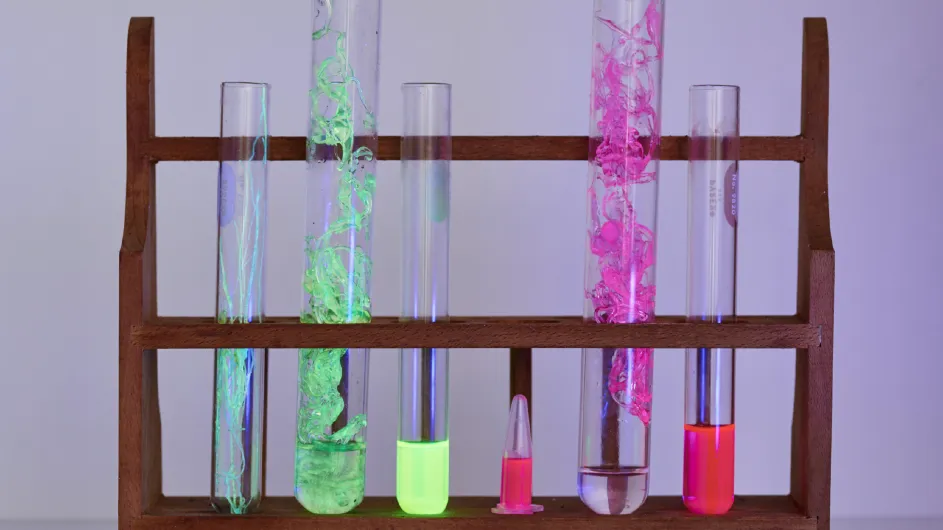
Technical support and a strong interdisciplinary ethos have contributed to a thriving entrepreneurial culture on campus.
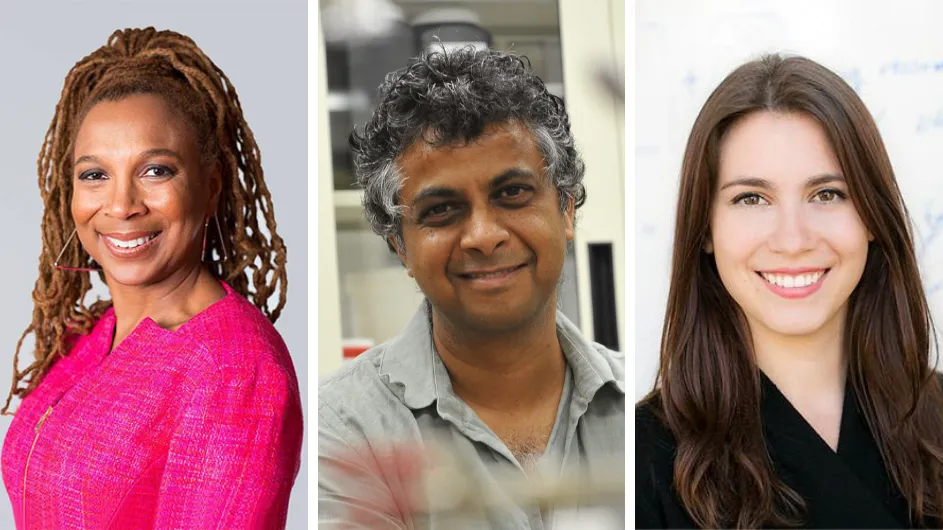
From arts and humanities to engineering and medicine, here are the latest awards and milestones achieved by Columbians.
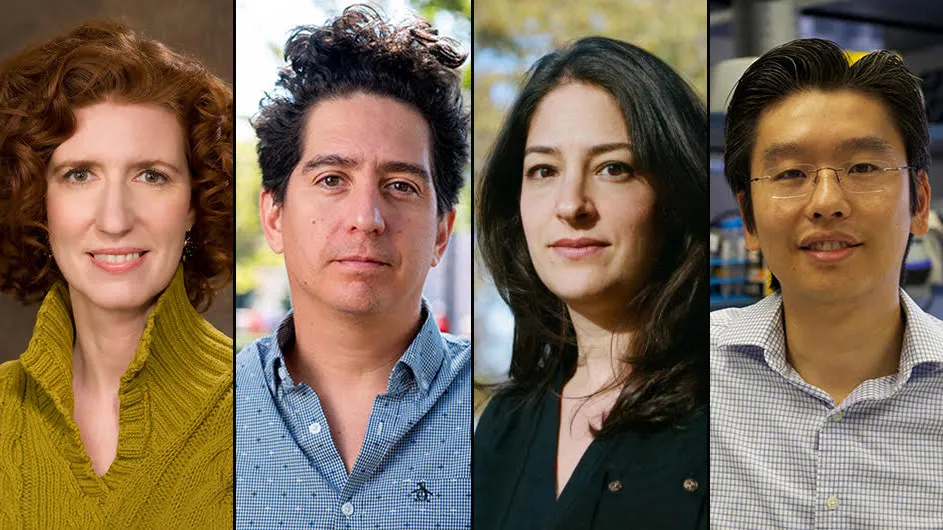
Here’s a roundup of awards and milestones granted to Columbians from September 1 to October 13, 2021.
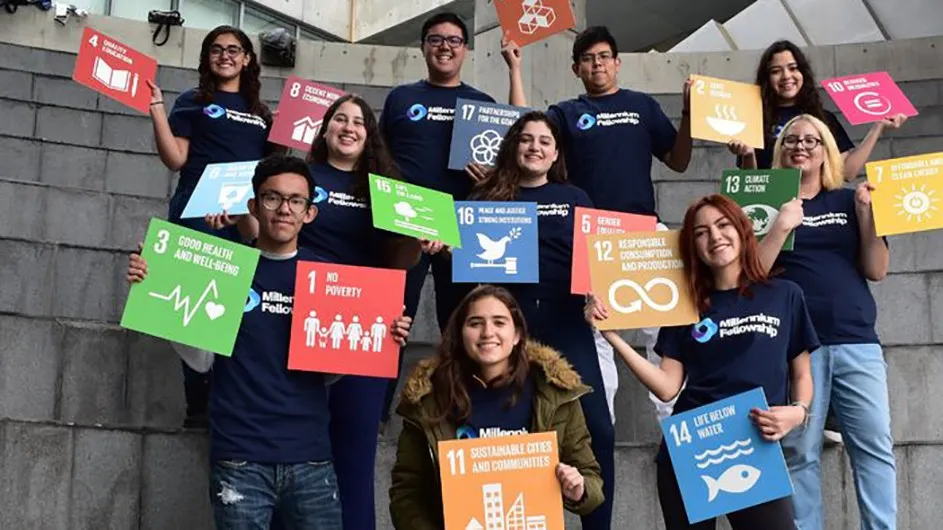
They join more than 2,000 students, representing over 120 universities worldwide, who are deeply committed to social impact, sustainable development, and climate change.
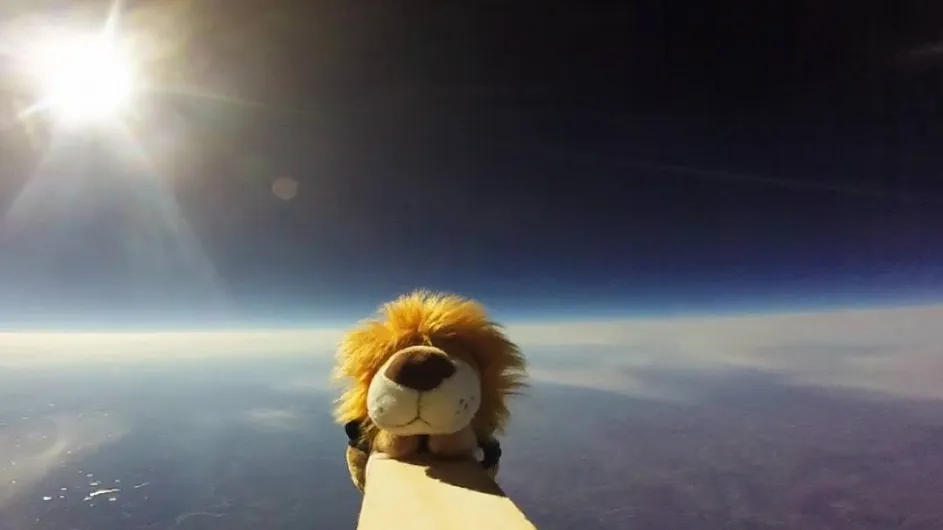
Whether baseball stats or tap dance is your jam, there’s a community here that shares your passion.
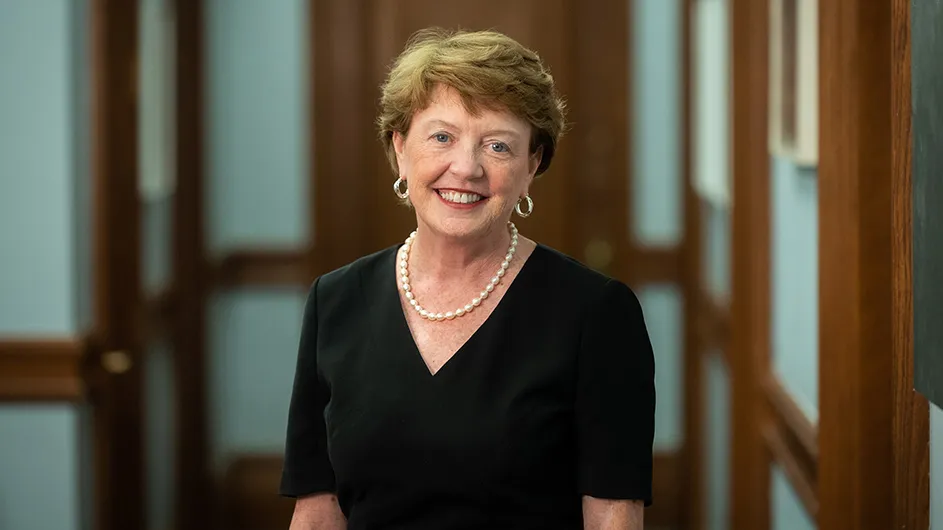
As Mary Boyce welcomes the Columbia community to campus, former provosts talk about the job, what to expect, and offer a bit of advice.
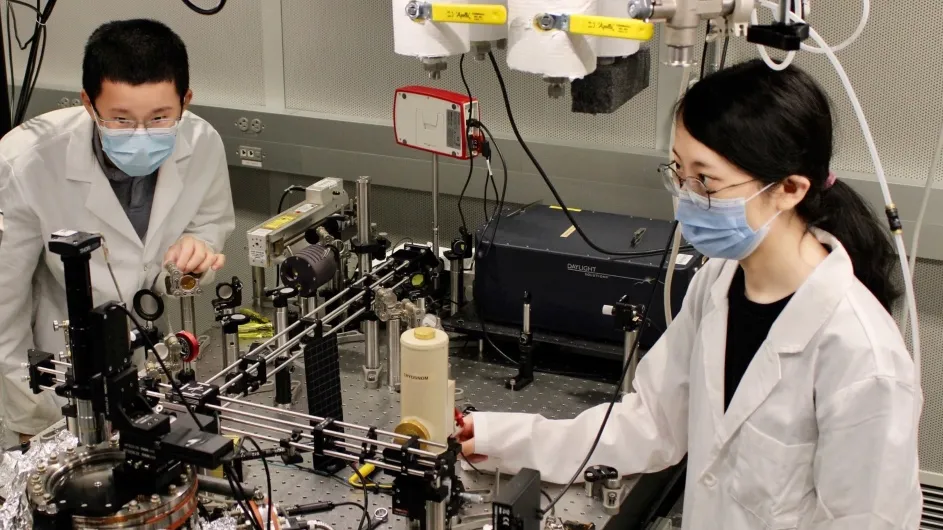
A pair of studies in Nature show that a quasiparticle, known as a plasmon polariton, can be pulled with and against a flow of electrons, a finding that could lead to more efficient ways of manipulating light at the nanoscale.
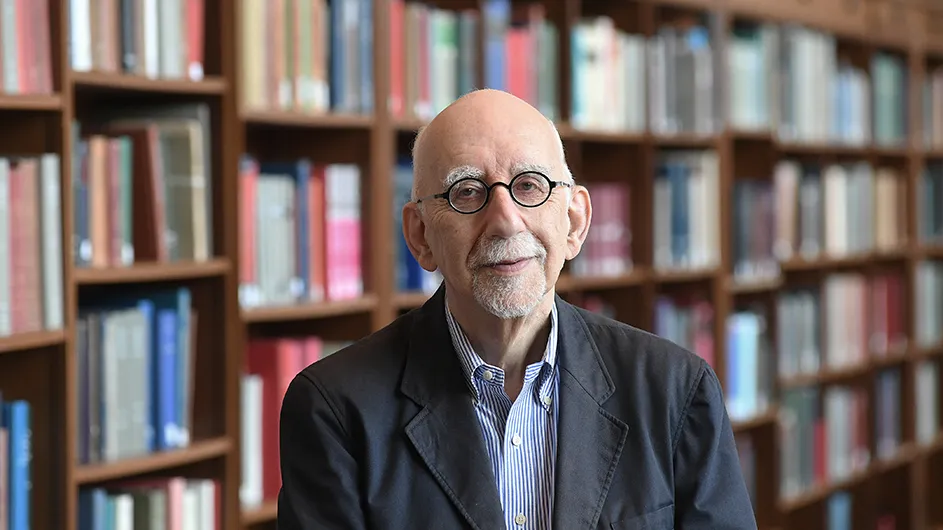
Katznelson began his tenure as Interim Provost in 2019 and helped Columbia navigate through the darkest days of the COVID-19 pandemic.
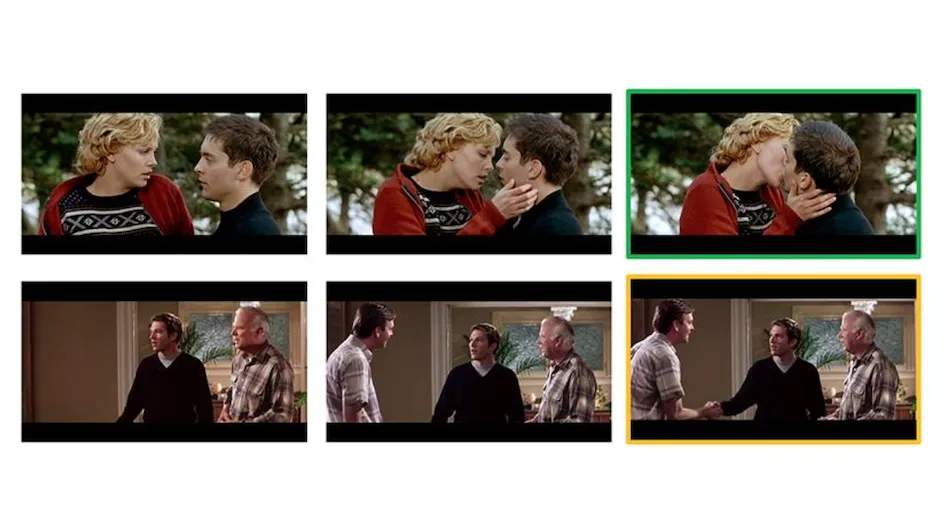
Columbia Engineering researchers develop computer vision algorithm for predicting human interactions and body language in video, a capability that could have applications for assistive technology, autonomous vehicles, and collaborative robots.