Recent engineering news from across Columbia.
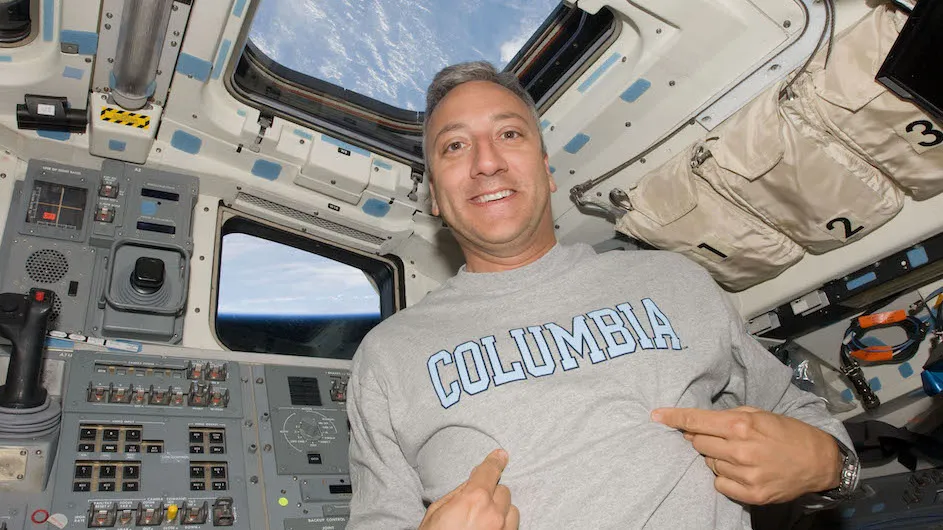
Professor and former astronaut Mike Massimino will celebrate Italian immigrant heritage at an iconic festival.
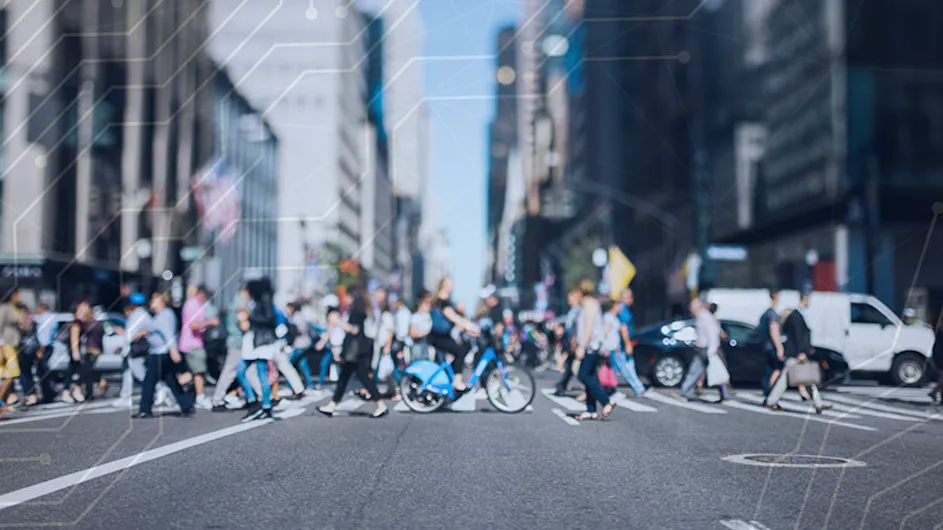
Team Led by Columbia Engineering Wins $26 Million NSF Grant to Develop Center for Smart Streetscapes
Columbia will partner with four other universities to forge livable, safe, and inclusive communities.

Kathy McKeown heads up two large grants—one to analyze cross-cultural norms and another to better understand grief in the Black community.
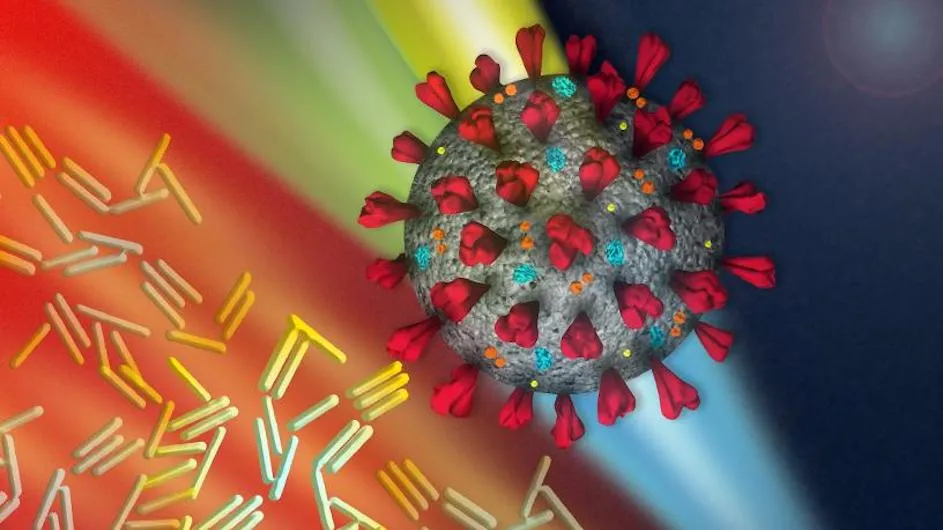
Columbia researchers have developed a low-cost, portable platform that gives RT-PCR results in 23 minutes.
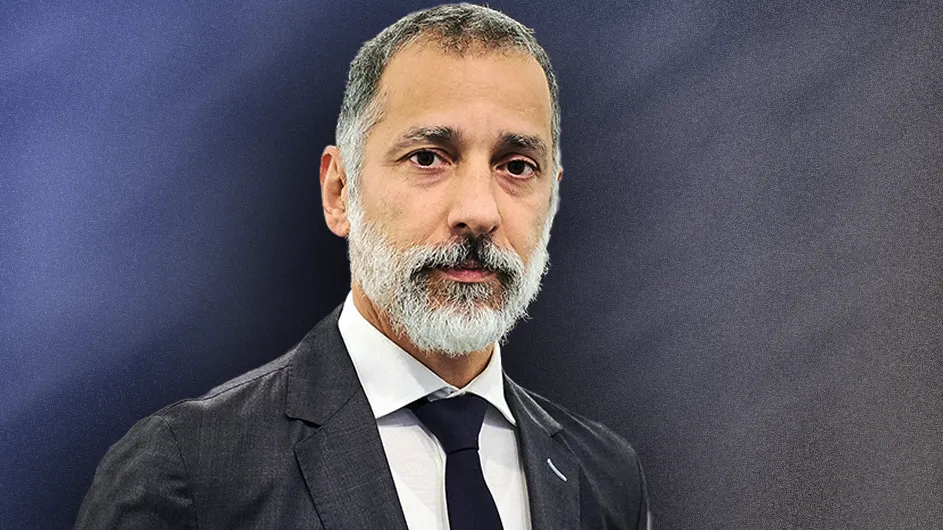
Ali Hirsa, a financial engineering professor, mines data to design an algorithmic model for works of art.
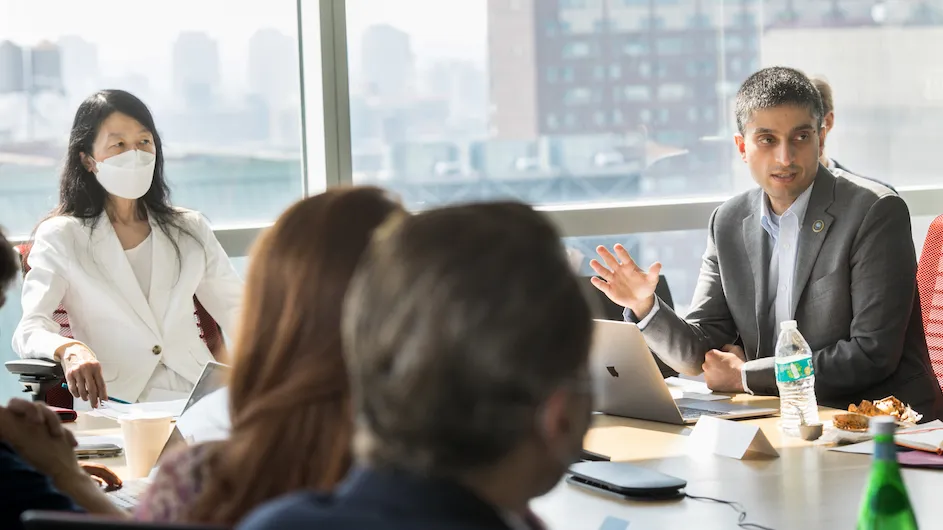
The NSF’s Erwin Gianchandani met with members of the Columbia community to discuss ways to bring science out of the lab.
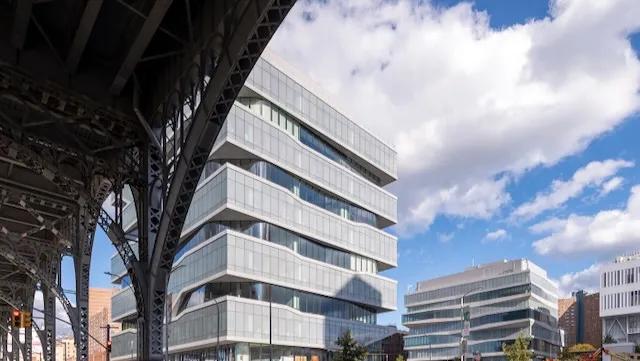
The degree is designed for those with a strong science, technology, engineering, and mathematics background who aspire to lead in business.
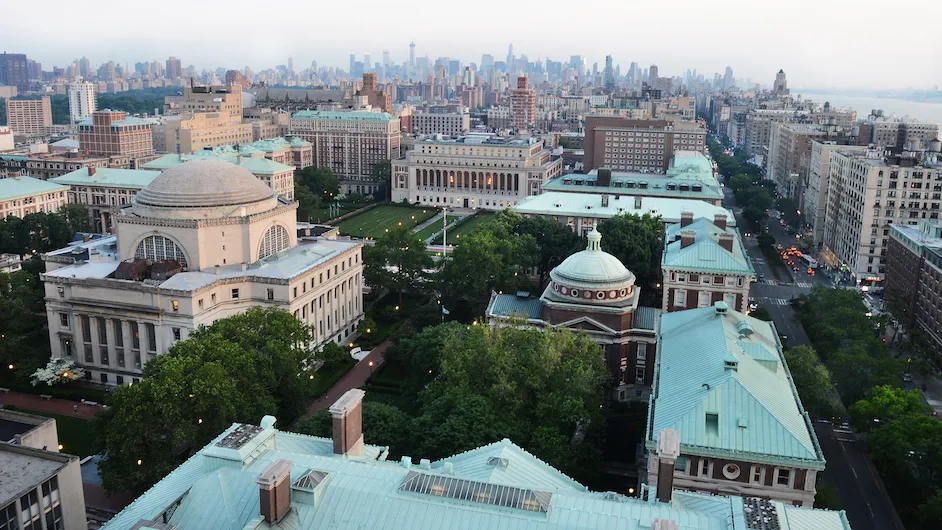
Announcement on the university’s decision to refrain from submitting data to U.S. News and World Report.
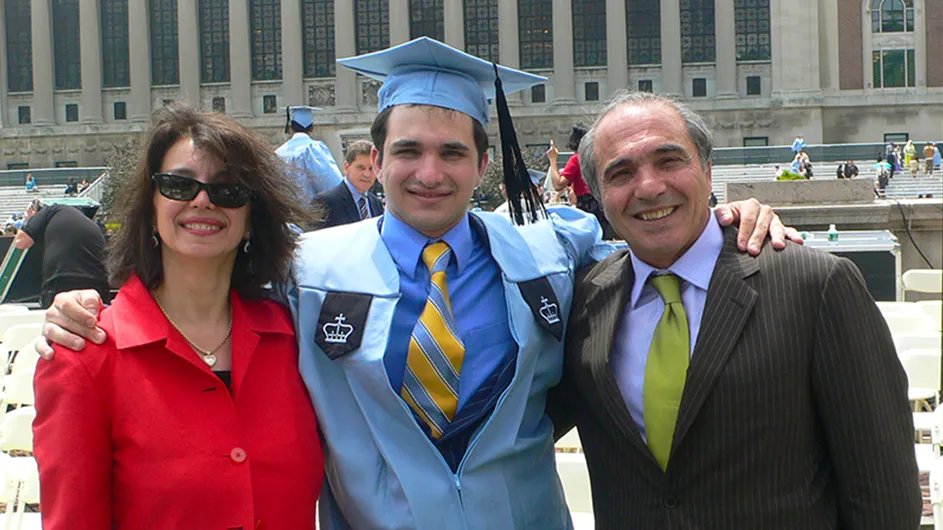
The new Commisso Scholarship will benefit a cohort of up to 20 students annually.
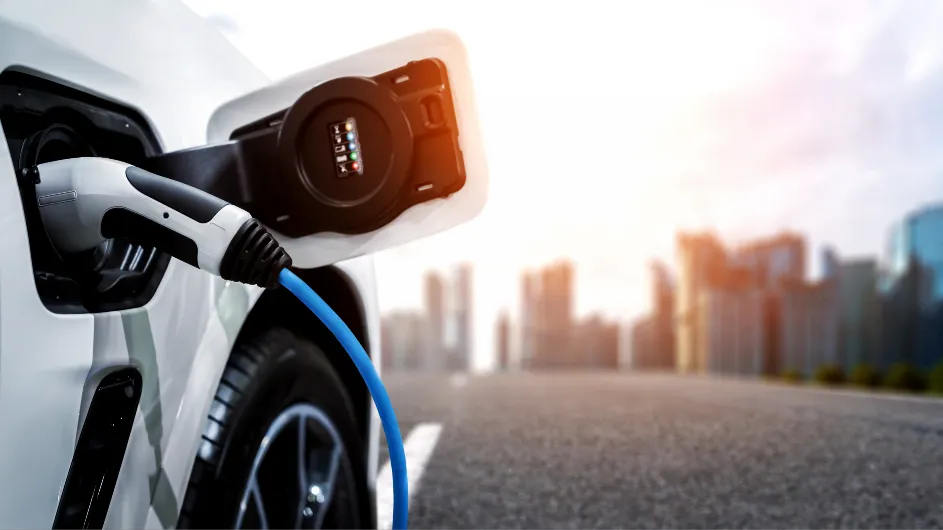
Local governments and policymakers are anxious about the U.S. grid’s ability to withstand ever-increasing demand. Consumers could hold the key to an untapped resource.
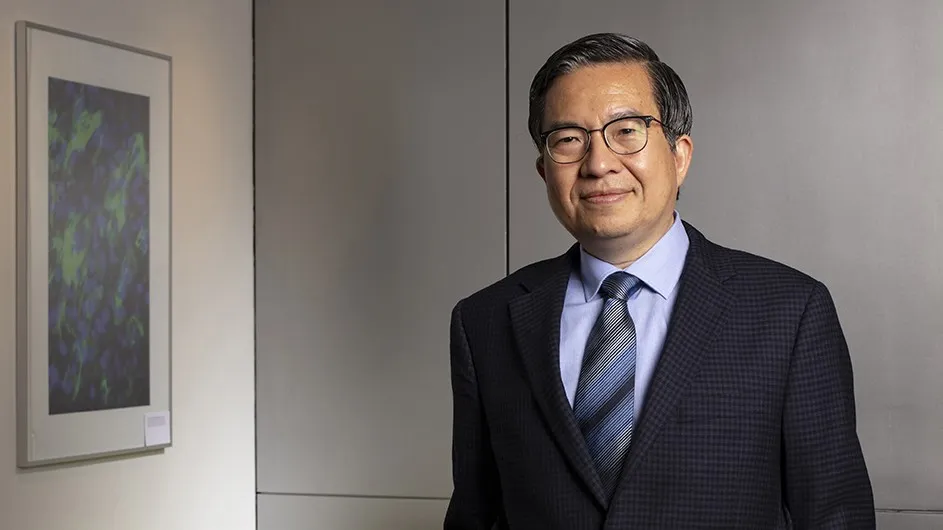
As dean, he will promote efforts that grow the university's capacities for innovative research.
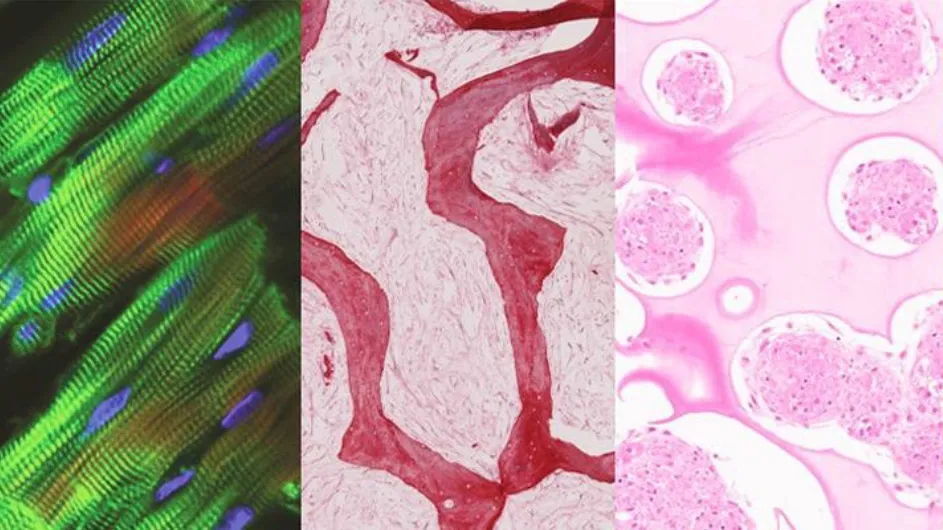
Columbia researchers have built a human tissue-chip system that links heart, liver, bone, and skin tissue modules.