Recent engineering news from across Columbia.
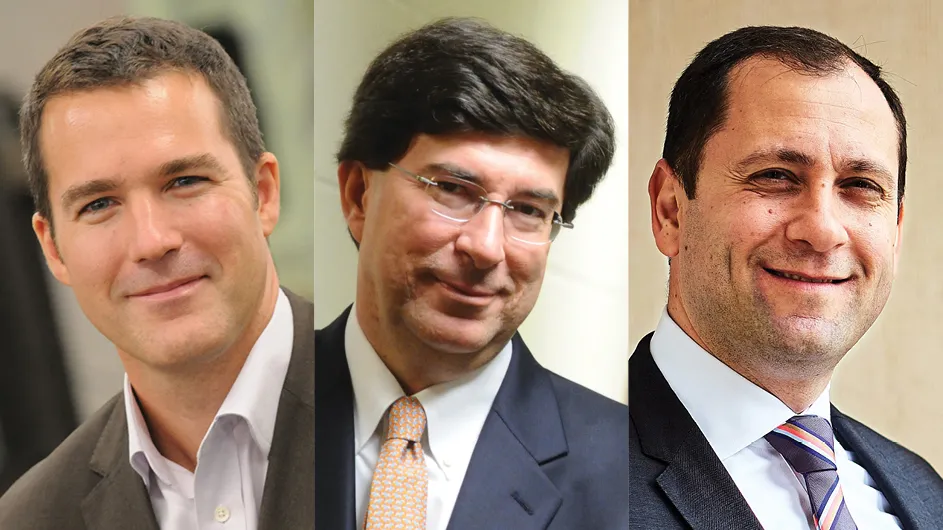
Columbia News spoke with three engineering experts about how to ensure that projects finish on time and on budget.

The deadly flooding caused by Hurricane Ida was made worse by drainage networks clogged with trash.
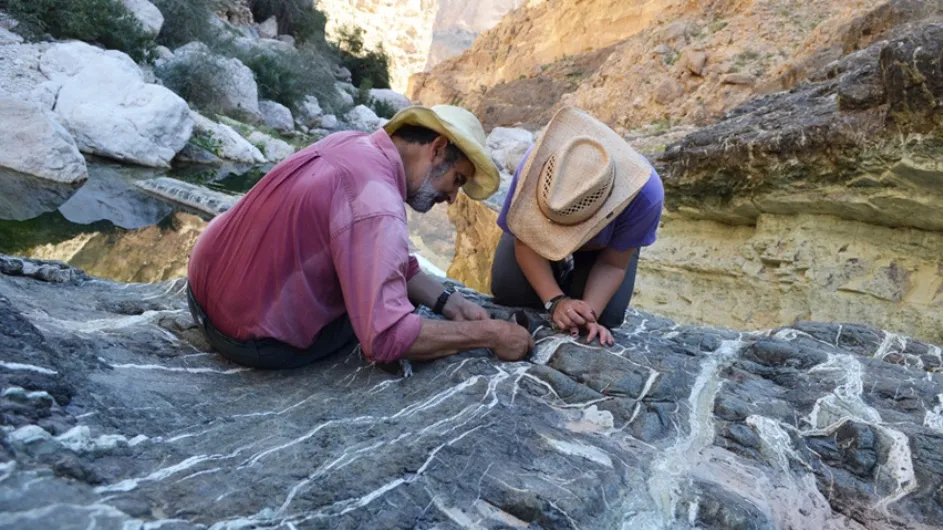
Peter Kelemen has filed several patents for technologies aimed at harnessing the natural mineral carbonization process.
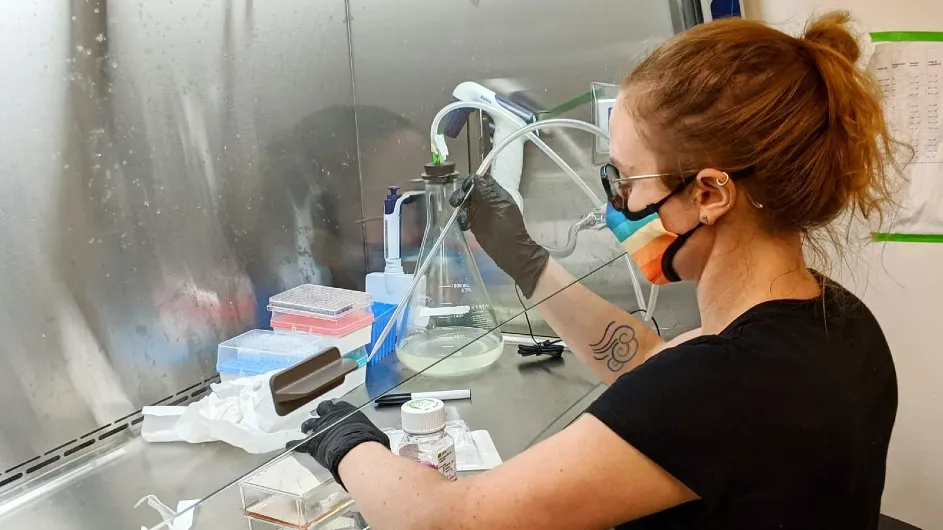
Bentley Shuster, a postdoc, spoke about life in the lab and her attempts to program soil-dwelling bacteria to shrink tumors in mice.

The group will send bacteria to the International Space Station to understand how low gravity affects microbes and antibiotics.
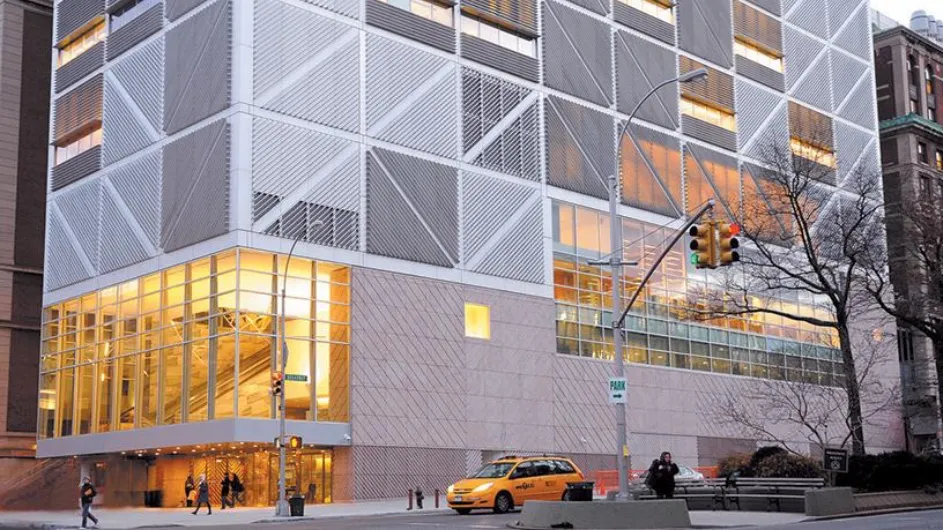
The licensing and optioning of intellectual property originating in labs at Columbia Engineering increased dramatically in the past decade. Here are 10 up-and-coming startups in tech and health care.
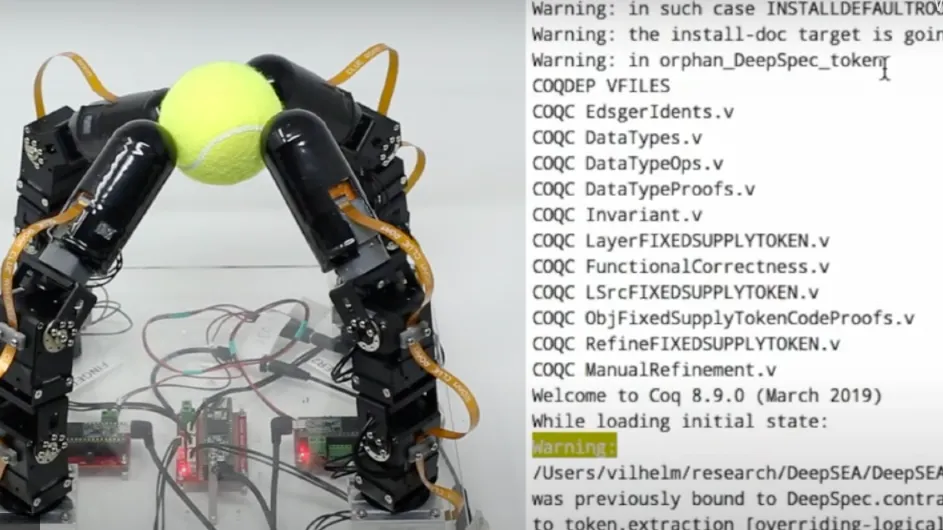
Matei Ciocarlie discusses his work trying to translate ‘muscle’ memory into robotics.
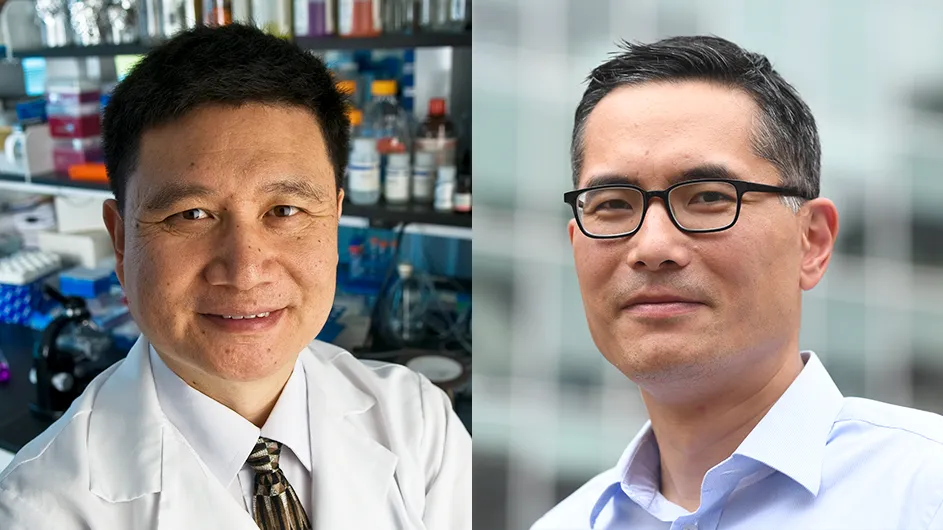
Columbia Engineering professors Sam Sia and Jingyue Ju discuss what’s known so far about the omicron variant.

Researchers at Columbia Engineering have found a way, using 2D materials, to build superconducting qubits that are a fraction of the size of previous qubits.

A new technique developed at Columbia Engineering combines quantum mechanics and machine learning to efficiently simulate temperature-dependent processes in materials. The method could lead to new and less carbon-intensive ways of making steel and recycling scarce metals.

Columbia Engineering professor Henning Schulzrinne unpacks President Biden’s $1 trillion infrastructure bill and its promise to expand broadband access for people in rural and low-income areas.
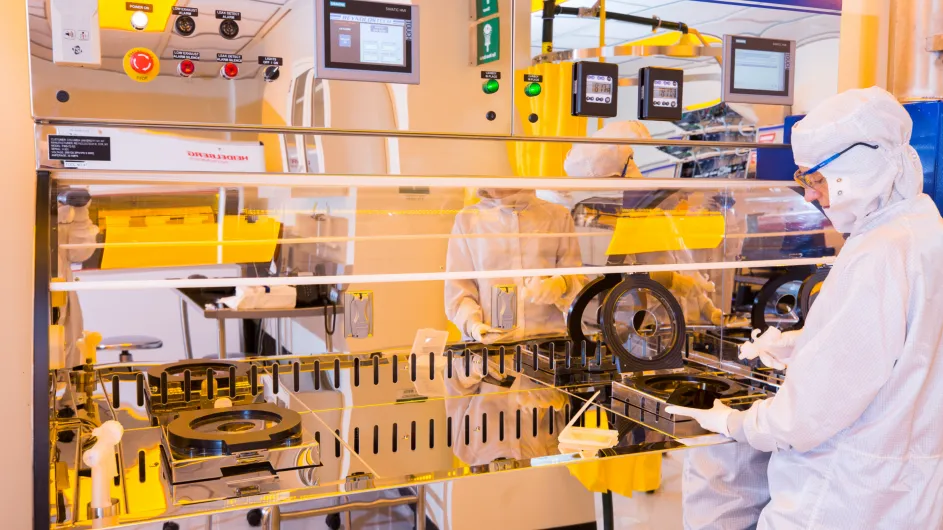
The program will allow early-stage startups to conduct product-oriented research and development in available campus labs, accelerating innovation in critical areas such as climate, energy, infrastructure, and materials.