This page features Columbia faculty, research, and news related to national and global affairs topics.
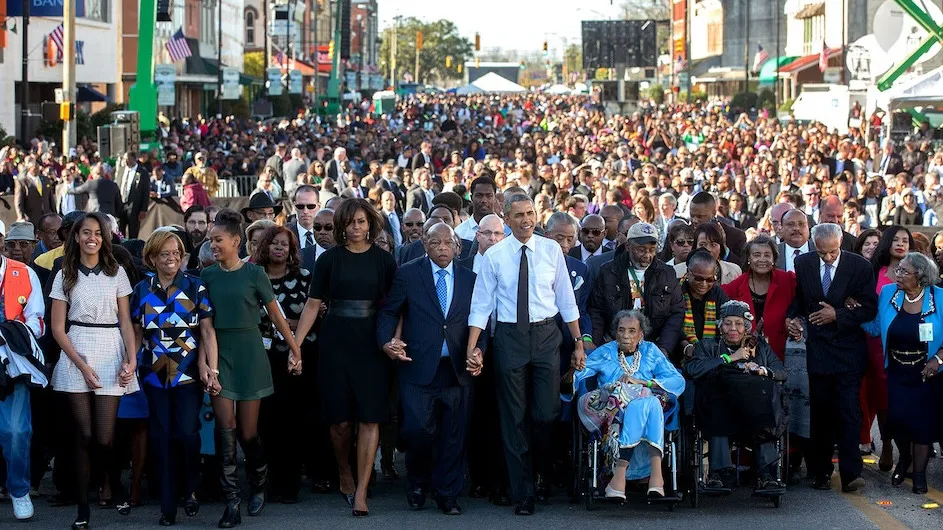
Columbia University’s Incite Institute offers more than 450 perspectives from the Obama White House and beyond. This groundbreaking digital archive offers everyone—students, researchers, journalists, and simply the curious—a trove of material for revisiting and understanding the historical significance of Obama’s presidency, an essential period for American democracy and international politics.
In the News
Bloomberg
August 23, 2026
Forbes
August 21, 2026
The Economist
August 16, 2026
Recent News
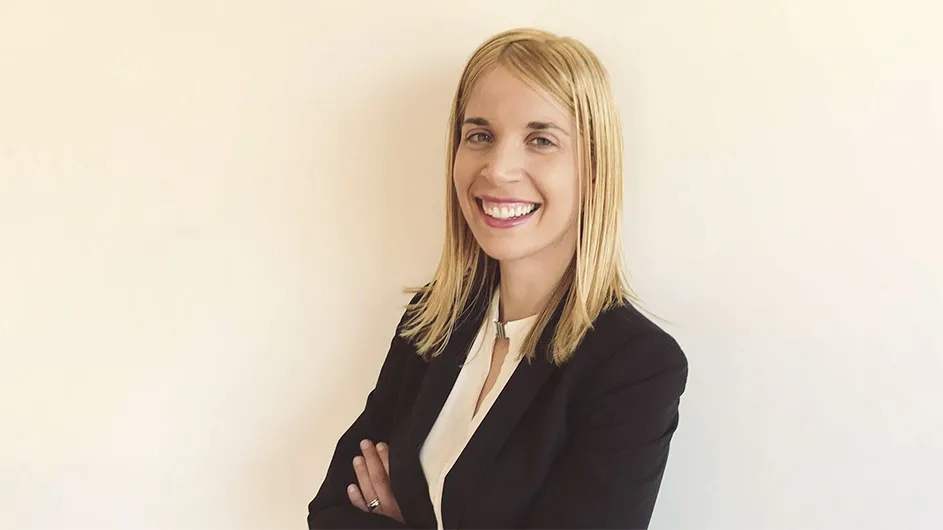
Mitts and her team were awarded a grant from the Department of Defense to study the evolution of foreign state information operations.
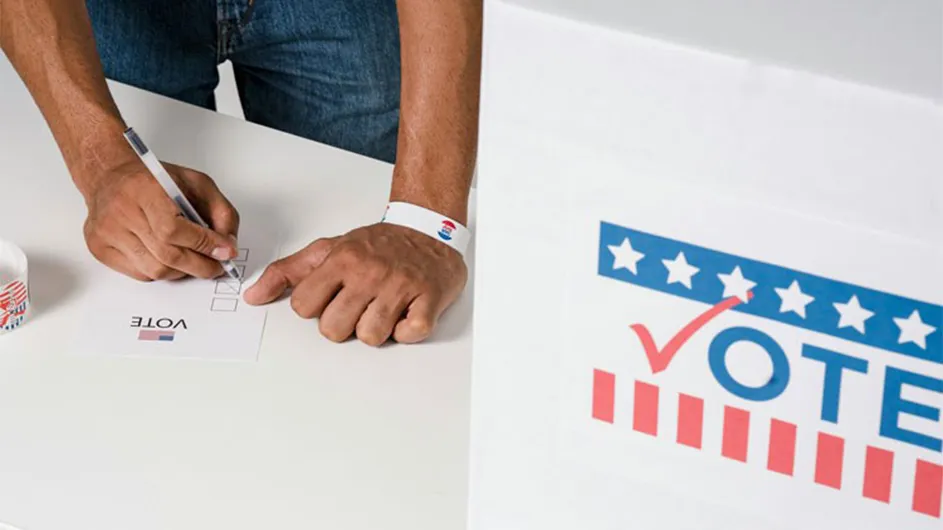
Here’s what you need to know about the Nov. 5 General Election.
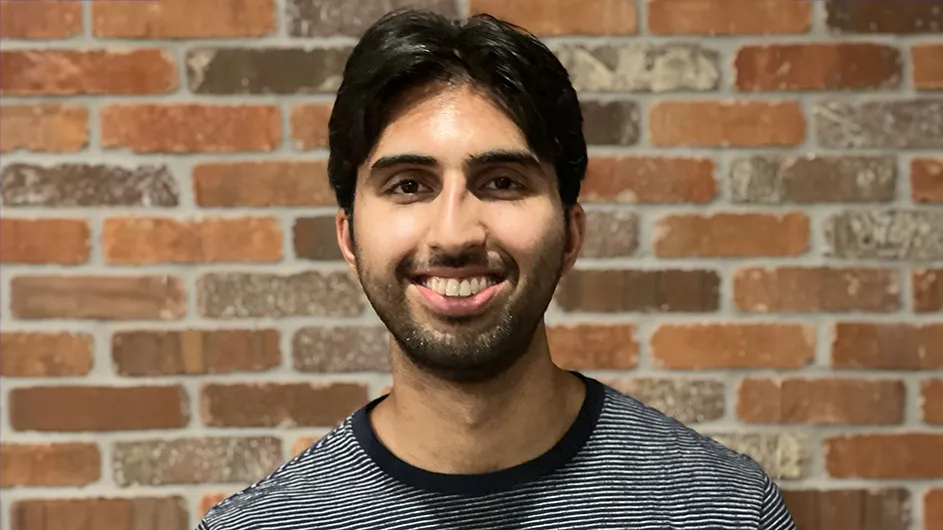
Columbia’s core curriculum led rising senior Aman Choudhri to his new life as a “policy wonk.” He also likes to dance.

Business School Professor Jorge Guzman discusses his research with Sociology Professor Mario Small and PhD candidate Jinkyong Choi that examines the critical role regional innovation plays in entrepreneurial growth.
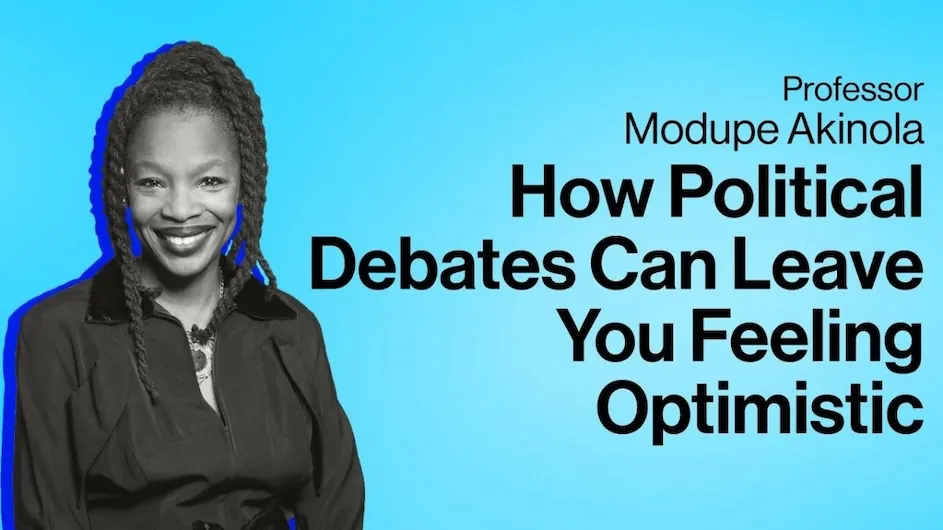
A new study from Columbia Business School found that most political debates occur not with strangers on social media but rather among family and friends. Moreover, participants often felt positive after such face-to-face discussions.
New Columbia Business School research examines how governments and NGOs can use social media to reduce malaria transmission.

Chan, the editor in chief of the Texas Tribune, will join the CJR, effective September 16, 2024.
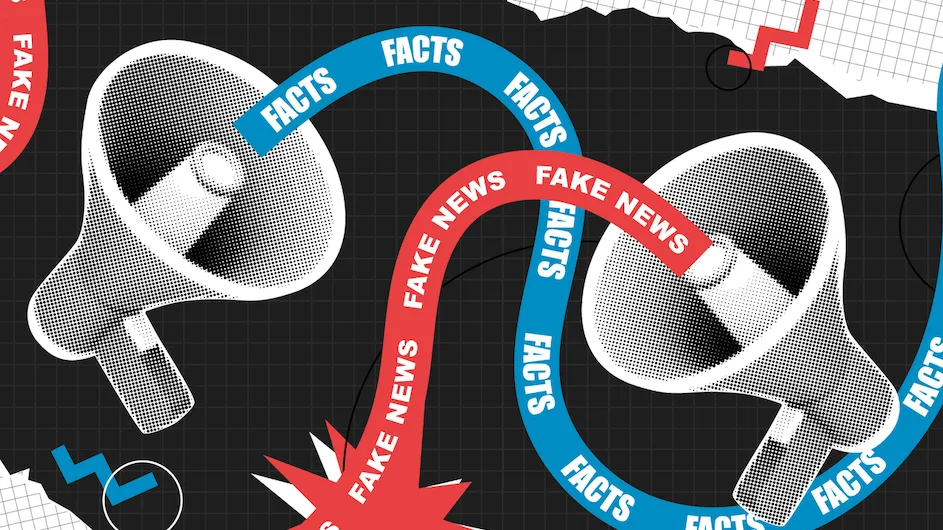
Professor Andrea Prat investigates how well Americans can detect false information compared to their ability to recognize true facts, revealing that information inequality is the core issue impacting discernment.
The 5 grants are for journalists and newsrooms reporting on inequalities and misconduct in the American criminal justice system.

Hear the winner of the 2024 Botwinick Prize in Business Ethics describe his values-based approach to leadership.

EVs shouldn’t be a luxury item, but Biden’s tariffs mean they may remain so.
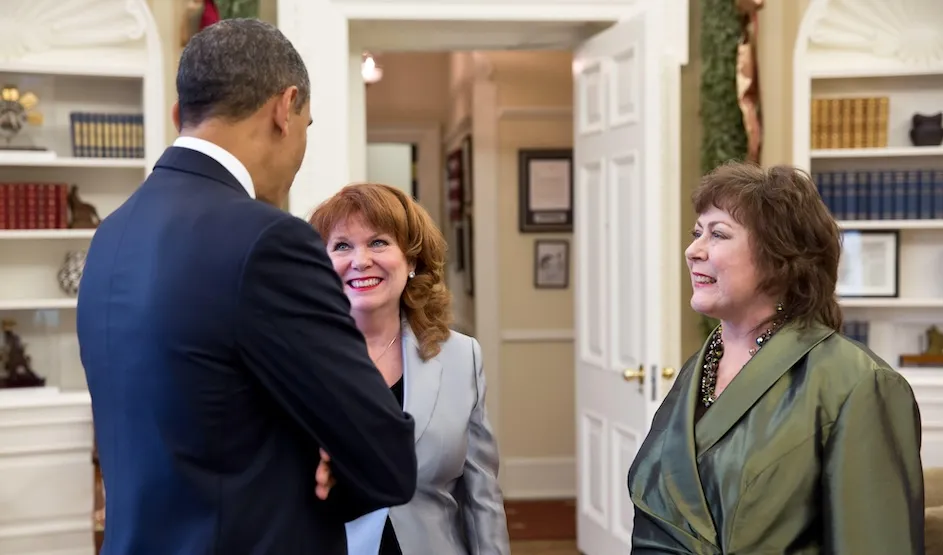
The Obama Presidency Oral History releases 26 new interviews and 400 new stories related to healthcare reform on an innovative new website.