


COLUMBIA SCIENCE IN THE NEWS
The New York Times
September 6, 2026
Science
August 28, 2026
The New York Times
August 20, 2026
RECENT STORIES
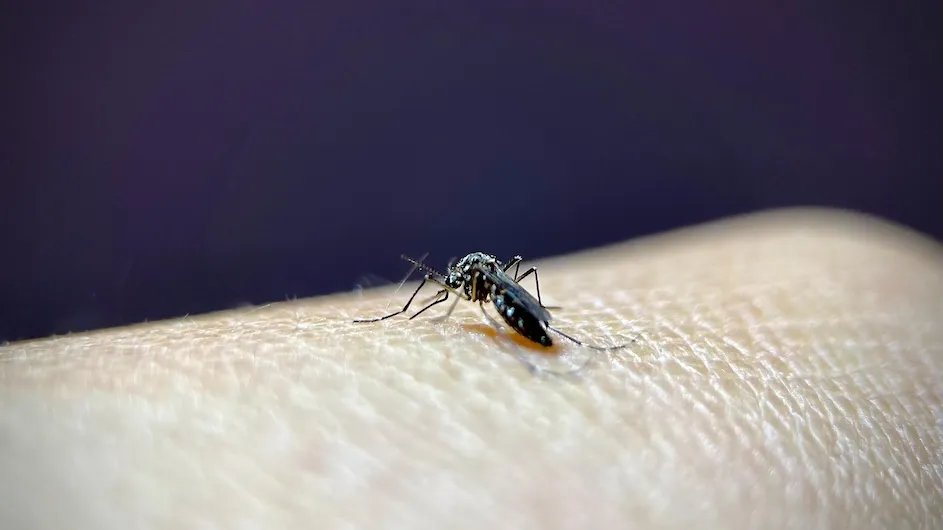
A study of mosquitoes’ circadian rhythms finds they hunt differently at different times of day. It could help stop their bites.
Renewal recognizes Herbert Irving Comprehensive Cancer Center’s leadership in multidisciplinary research, clinical innovation, and community impact.
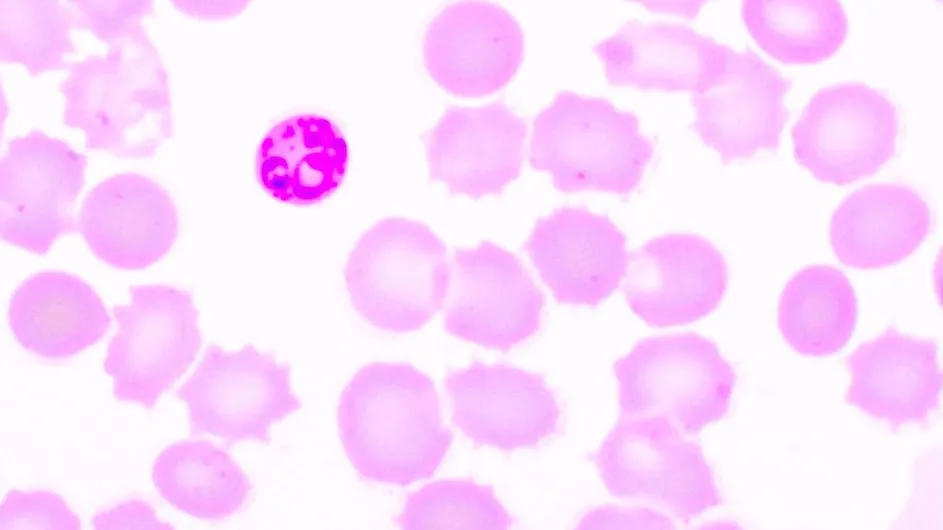
As progress against the disease stalls, researchers are looking for new approaches to countering it.
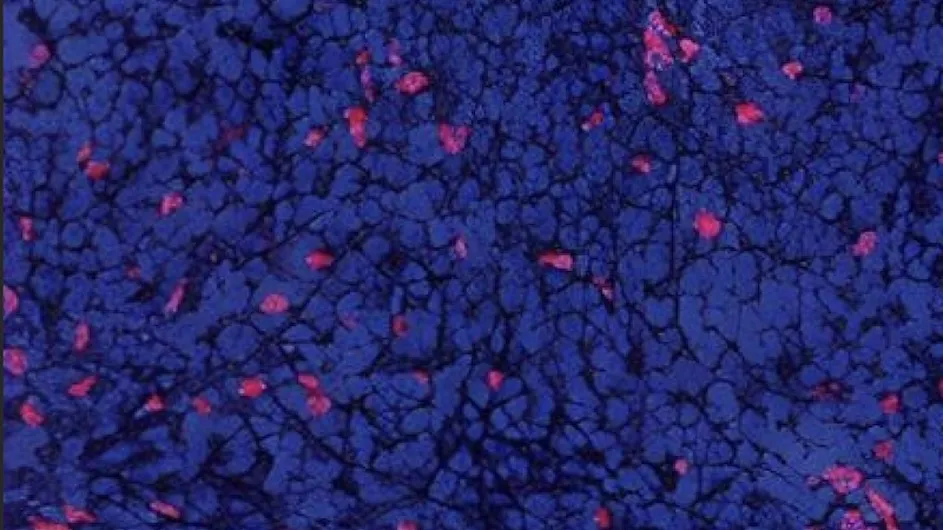
Columbia scientists have found a way to get the immune system to recognize and attack stomach cancer instead of ignoring it.
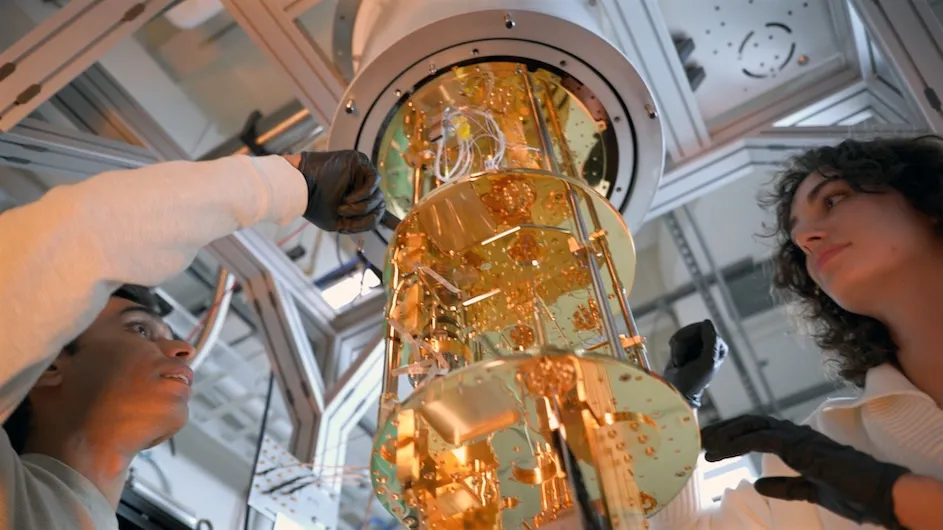
2025 marks a century of quantum science research. Learn about Columbia's central role in that history.
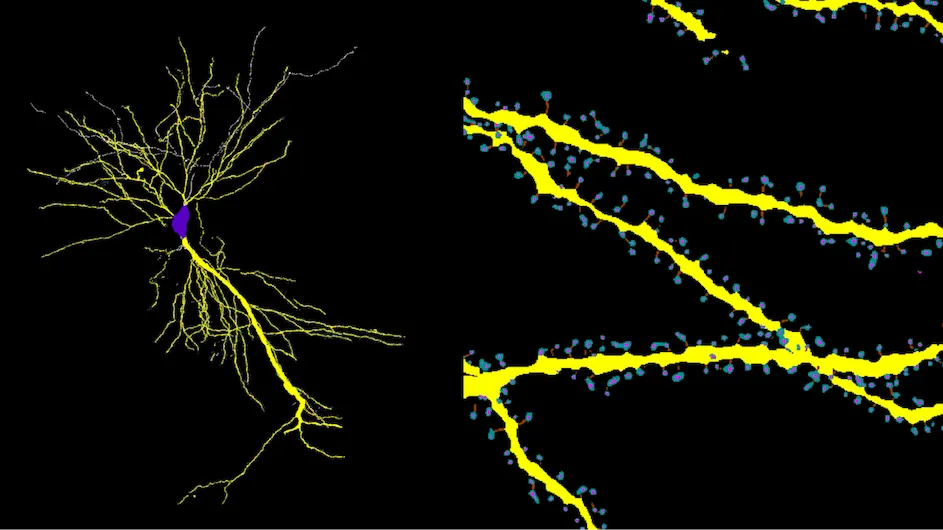
New open-source software developed by Columbia Zuckerman Institute researchers could shed light on how brain diseases work.

Stratospheric aerosol injection is much harder than it looks on paper. A new study shows its real-world constraints.

Election to the Academy is considered one of the highest honors in the fields of health and medicine.
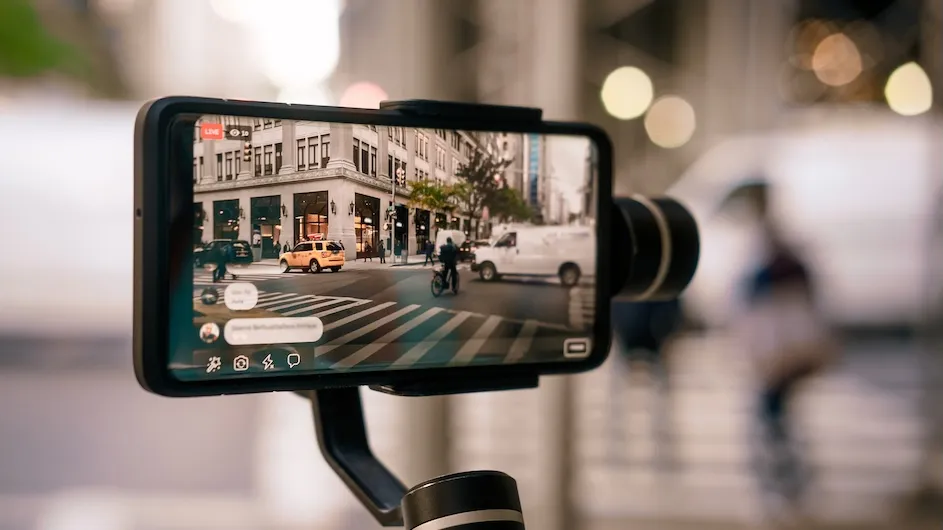
A Columbia scientist’s lab revolutionized digital photography with a new kind of imaging now used in more than a billion smartphones.
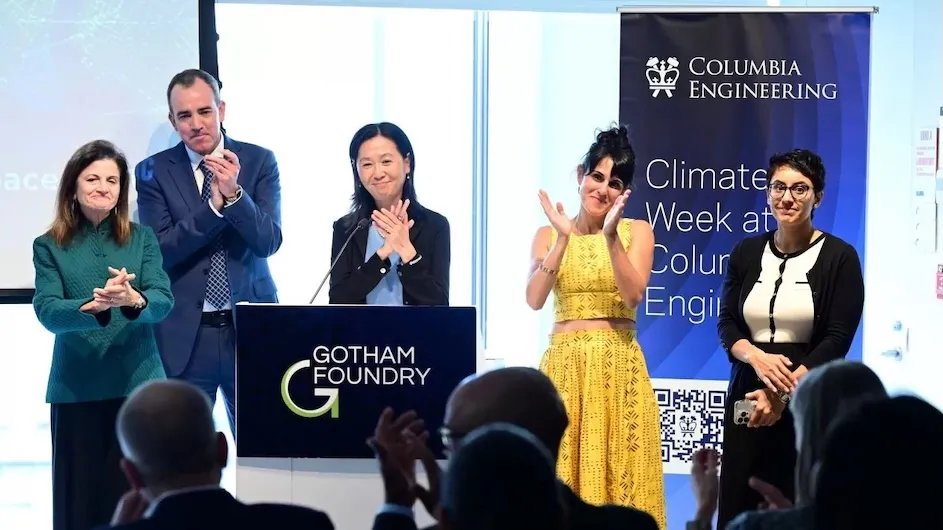
The consortium will operate ‘Gotham Foundry,’ a pioneering R&D and startup hub focused on the circular materials economy.
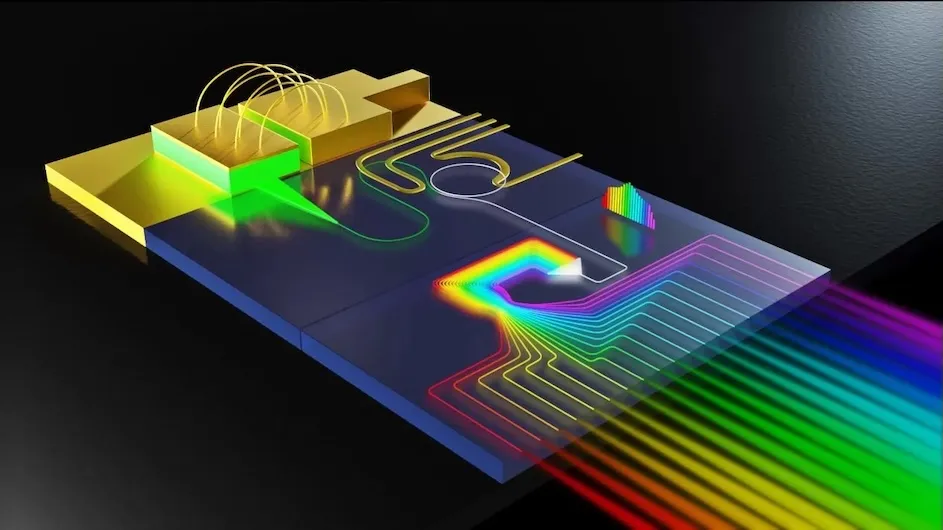
Columbia engineers are paving the way for a new generation of data center hardware and portable sensing technologies.

Professor Jessica Fanzo was a commissioner of the new EAT-Lancet report, which offers a blueprint for transforming food systems.